Why Earwigs Are in Your Home?
Earwigs in house spaces usually appear because of moisture, shifting seasonal weather, and easy ground-level entry points. In Eastern Idaho homes, we see earwigs move indoors due to damp soil, humid basements or bathrooms, and exterior gaps—not because of poor housekeeping.
Key Takeaways
- Earwigs enter homes seeking moisture, stable temperatures, and shelter, especially during spring snowmelt, heavy rain, or dry summer conditions.
- Bathrooms and basements attract earwigs due to higher humidity, condensation, and small openings around plumbing or foundations.
- Most earwig problems begin outdoors in mulch beds, irrigated lawns, or damp soil near the foundation.
- Common entry points include foundation cracks, worn door sweeps, window wells, vent openings, and utility penetrations.
- Managing moisture, improving drainage, sealing gaps, and adjusting irrigation typically resolves most seasonal earwig activity.
Why Earwigs in House? The Most Common Reasons They Come Inside
Earwigs inside house spaces are usually there for one simple reason: moisture. These insects look alarming with their pincers, but they’re nuisance pests, not a serious threat. In most Eastern Idaho homes, seeing a few earwigs each season is common and manageable.
Homeowners often ask why earwigs in house settings appear even when everything looks clean. Cleanliness rarely has anything to do with it. Earwigs are drawn to damp areas, shelter, and shifting weather patterns—not crumbs or clutter.
Are earwigs dangerous? Generally no. They rarely cause harm and don’t attack people. While they can pinch if handled, it’s uncommon and typically mild.
Do earwigs mean a house is dirty? No. Like we explain in can bugs survive in clean homes, many insects enter homes for moisture and temperature stability, not sanitation problems.
It also helps to separate a stray earwig from a recurring issue. One or two wandering indoors, especially in spring or late summer, is normal. Frequent sightings over several weeks, clusters in the same room, or consistent seasonal patterns point to a larger outdoor population pressing inward.
The key is understanding what’s driving them inside. Once we address that root cause, control becomes straightforward.
Common Earwig Infestation Causes in Eastern Idaho Homes
The most common earwig infestation causes in our area revolve around moisture and seasonal change. Earwigs prefer damp, dark environments. When soil outside becomes too dry or overly saturated, they seek more stable conditions indoors.
Spring snowmelt across Eastern Idaho increases ground moisture significantly. After heavy runoff, earwigs often move closer to foundations. During hot, dry summers, irrigation systems create pockets of damp soil around homes. We often see increased activity after heavy summer watering.
Temperature swings also play a role. Sudden cool-downs in fall or fluctuating spring weather push earwigs toward sheltered spaces with steady temperatures. Foundations, window wells, and basement walls offer that consistency.
Outdoor population growth contributes as well. Earwigs breed in landscaped beds, mulch, garden plots, and irrigated lawns. If those areas sit directly against the structure, spillover indoors becomes more likely.
Food sources matter, but less than many assume. Earwigs feed on decaying organic matter, plants, and sometimes other insects near the foundation. They’re opportunistic. If the exterior environment supports a large population, some will wander inside.
Basement construction throughout Idaho Falls, Rexburg, Pocatello, Twin Falls, and Rigby adds another factor. Basements provide cool, humid conditions that earwigs already prefer. When combined with damp soil outside, entry becomes easier.
Heavy rain can increase movement as well. We cover that pattern in more detail in why bugs appear after rain. The pattern is similar with earwigs. Saturated soil leads to migration.
Most infestations start outdoors. Address the landscape and moisture balance, and indoor sightings usually decline.
Why Are There Earwigs in My Bathroom or Basement?
Earwigs in bathroom areas and basements are especially common because of humidity. These rooms naturally hold more moisture than other parts of the house.
Bathrooms create condensation from showers and sinks. Small plumbing penetrations around pipes give insects entry points. Floor drains and hidden voids behind vanities add ideal hiding spots. If ventilation is limited, that moisture lingers longer than it should.
We often reference moisture-related insect activity in attracting bugs to my bathroom. Earwigs fit the same pattern. They aren’t targeting people. They’re targeting damp conditions.
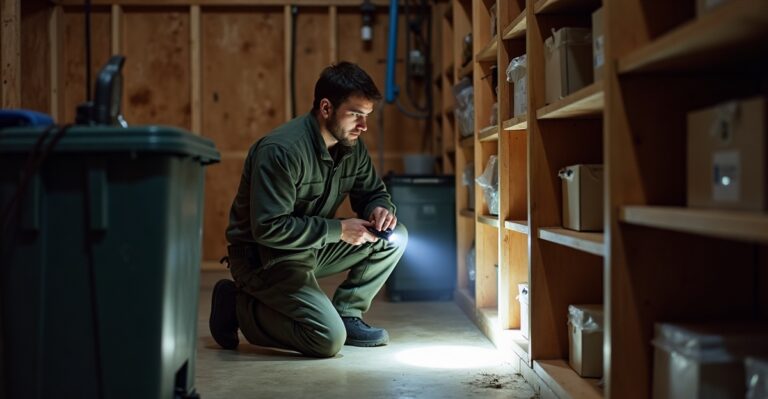
Basements present similar challenges. Cooler temperatures, unfinished walls, minor foundation cracks, and utility openings all provide shelter. In homes with older concrete or block foundations, small gaps can allow ground-level entry.
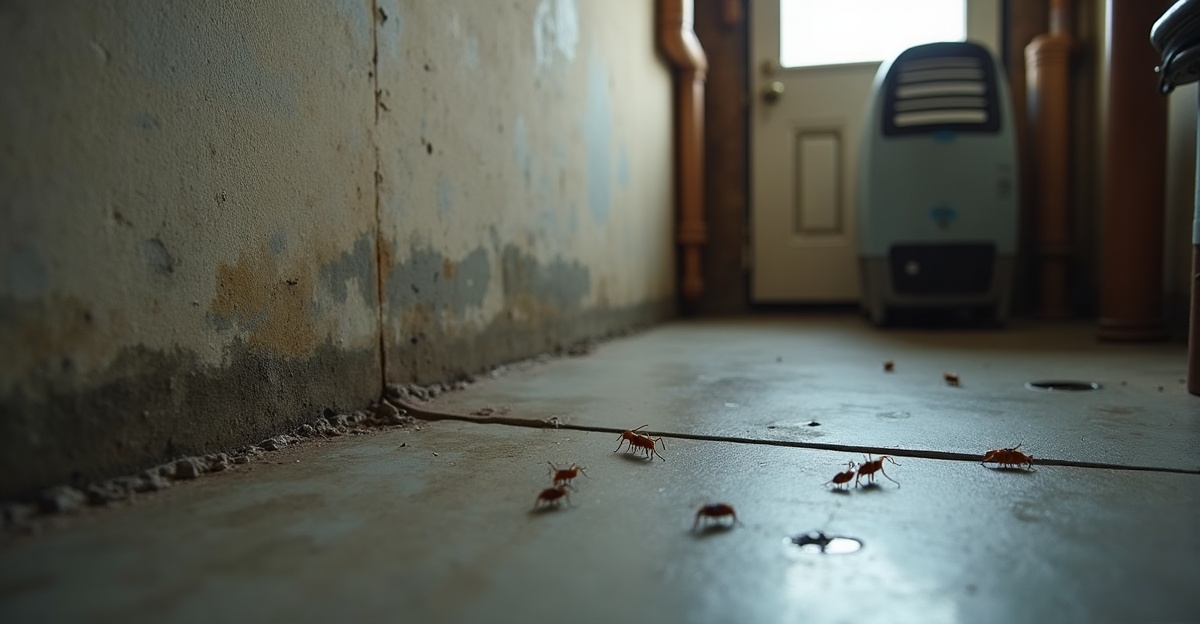
Earwigs mostly hide during the day. Homeowners notice them at night when they’re active and moving across floors or near drains. That nighttime activity can make the problem feel worse than it is.
Finding earwigs inside house bathrooms or basements doesn’t automatically mean there’s a severe infestation. Many cases involve a few insects that wandered in through accessible gaps. Persistent patterns, however, signal the need for closer inspection of moisture and exterior conditions.
How Earwigs Get Inside: Entry Points to Watch
Earwigs enter at ground level most often. They exploit small openings that many homes already have.
We recommend checking these common entry points:
- Foundation cracks and small gaps along baseboards.
- Worn door sweeps and loose thresholds.
- Window frames, especially basement windows and older screens.
- Dryer vents and other exterior vent openings.
- Utility penetrations and plumbing lines entering through walls.
Mulch placed directly against the foundation increases risk. That damp organic layer gives earwigs shelter right next to entry gaps. The same applies to heavy irrigation aimed at the base of exterior walls.
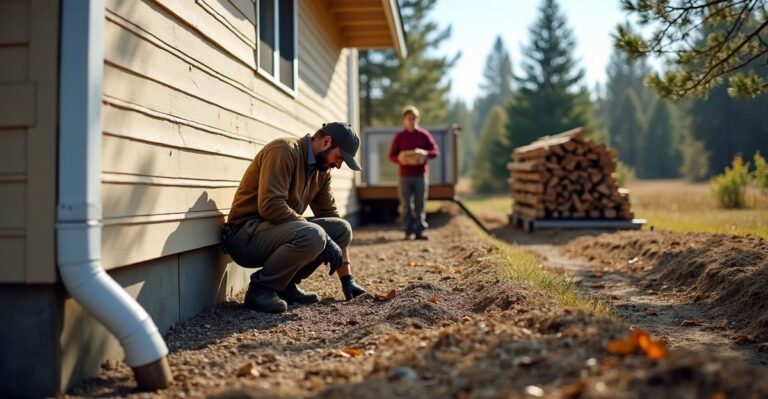
Simple observation goes a long way. Walk the perimeter during daylight. Look for areas where soil stays wet. Check door seals from outside. Inspect basement window wells for debris buildup.
We also get questions about plumbing routes. In certain circumstances, insects can move through drain lines, which we explain in can pests come through drains. With earwigs, exterior gaps and ground-level access remain the more common pathway.
Sealing accessible cracks and improving exterior moisture control typically reduces movement indoors. These are manageable adjustments for most homeowners.
Simple, Safe Prevention Steps for Families and Pets
Prevention should focus on moisture control and exclusion. There’s rarely a need for heavy chemical treatments in isolated earwig cases.
Start indoors. Fix leaks promptly. Check under sinks and around water heaters. Use a dehumidifier in basements if humidity remains high. Improve bathroom ventilation after showers to reduce condensation.
Move outside next. Adjust irrigation so soil near the foundation doesn’t stay constantly damp. Keep mulch and leaf litter a few inches away from exterior walls. Extend downspouts so water drains away from the structure. Correct low spots that collect runoff.
Door sweeps and weather stripping matter. Replace worn components so gaps close tightly against thresholds. Seal visible cracks with appropriate exterior-grade materials.
Eastern Idaho’s climate requires seasonal attention. Spring snowmelt demands good drainage planning. Summer irrigation calls for smart watering schedules. Small changes make a noticeable difference.
If activity continues despite prevention, we offer specialized earwig control services built around inspection and practical correction. The goal is to address the cause safely and efficiently.
When Occasional Earwigs Become a Recurring Infestation
A single earwig on the floor doesn’t signal a major problem. Repeated sightings over several weeks are different. Clusters appearing at once or consistent seasonal waves inside suggest a sustained outdoor population pressing inward.
Ongoing moisture issues that can’t be easily corrected also raise concern. Hidden leaks, structural gaps, or landscape grading problems may require a trained eye.
Small businesses often act sooner because customer perception matters. Even harmless insects can affect comfort and confidence.
Professional support focuses on identifying access points, evaluating moisture patterns, and recommending straightforward corrections. We approach each property with steady, practical solutions that fit local conditions.
Our team provides full residential pest control services backed by safety-focused methods. For homes or businesses experiencing persistent activity, scheduling an inspection through our contact page allows us to review the situation and offer clear next steps.
Most earwig problems are manageable. With the right adjustments and, if necessary, targeted treatment, homes across Eastern Idaho can stay comfortable and pest-free without stress.