Common Places Pests Hide Around Your Property

Pests settle in overlooked areas around foundations, landscaping, outbuildings, and crawl spaces, where moisture, shelter, and easy entry points create ideal hiding spots. In Eastern Idaho, we see seasonal shifts from cold winters to dry summers push ants, rodents, spiders, earwigs, and wasps into these protected zones. Those patterns make steady inspections and simple maintenance essential for long-term control.
Key Takeaways
- Foundation edges, siding gaps, window wells, and utility penetrations act as primary exterior entry points, so we seal and monitor them consistently.
- Landscaping features like mulch beds, dense shrubs, and irrigation zones draw insects by adding moisture and shade near structures.
- Woodpiles, yard debris, and stored materials give rodents and insects reliable shelter, so we elevate them and keep them away from buildings.
- Sheds, garages, crawl spaces, and vents create quiet nesting areas, and we inspect and seal them each season.
- Consistent upkeep of trash, compost, and pet food storage reduces food sources and limits pest activity around homes and businesses.
Where Pests Most Often Hide—Right Near Your Foundation and Siding
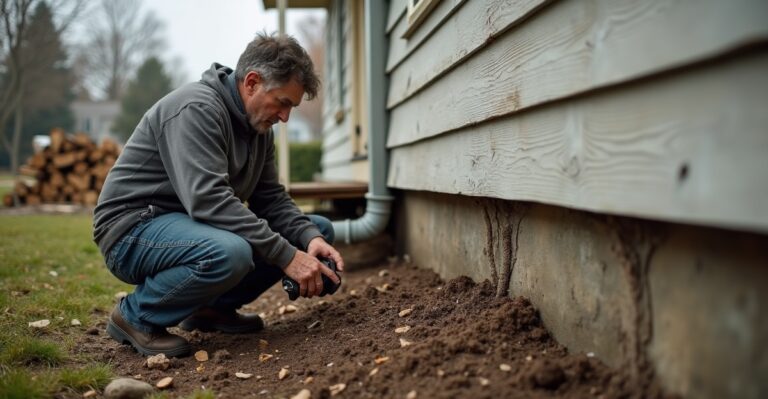
The most common pest hiding places sit right against the structure itself. Foundation edges, siding gaps, and entry points give insects and rodents fast access indoors.
In Eastern Idaho, this area becomes a major pest hotspot because of our seasons. Cold winters send rodents inside for warmth. Dry summers push ants, earwigs, and spiders toward shaded, irrigated zones around the base of homes and buildings.
We regularly find ants, spiders, earwigs, rodents, and wasps tucked into small exterior gaps. Common hiding areas include cracks in concrete, gaps around utility lines, door thresholds, window wells, loose siding panels, and the space behind downspouts.
Early signs matter. Small piles of dirt often signal ant nesting. Droppings or gnaw marks point to rodents. Webs forming in lower corners suggest spider activity. Steady wasp traffic near eaves can mean a nearby nest.
Preventing issues here starts with simple, steady upkeep:
- Seal visible cracks and gaps with weather-resistant caulk.
- Install sturdy door sweeps.
- Keep shrubs trimmed 12–18 inches from siding so air and light can reach the wall.
- Make sure gutters and downspouts move water away from the foundation.
Careful inspection works better than relying on quick sprays. When exterior pest hotspots are addressed properly, indoor activity drops significantly. For long-term protection, structured residential pest control helps reinforce these high-risk areas before pests move inside.
Landscaping, Mulch Beds, and Irrigation Zones That Attract Insects
Landscaping features often become pest hotspots because they offer moisture, shade, and food. During Eastern Idaho’s hot, dry summers, irrigation systems create damp soil that attracts insect activity close to structures.
Ants nest under decorative rocks and edging. Earwigs hide in damp mulch. Spiders settle into dense shrubs. Wasps may build nests in ornamental trees or under thick branches.
We frequently see activity in specific areas such as under landscape timbers, beneath heavy mulch layers, inside dense ground cover, and within overgrown shrubs pressed against siding.
Watch for visible ant trails across walkways. Notice insects scattering when mulch is moved. Look for chewed leaves or repeated wasp flight patterns in one corner of the yard.
Prevention does not require complicated steps:
- Keep mulch depth around 2–3 inches.
- Let soil dry between watering cycles where plant health allows.
- Trim vegetation back from buildings and fence lines.
- Remove fallen fruit promptly, especially on rural or suburban properties where fruit trees are common.
A few consistent adjustments can reduce where pests hide outside and limit their movement toward foundations.
Woodpiles, Debris, and Stored Materials Around the Yard
Woodpiles and yard debris create sheltered, undisturbed pest hiding places close to the home. This is especially relevant in rural Eastern Idaho, where firewood storage is common for winter heating.
Spiders, ants, beetles, and rodents all take advantage of stacked materials. Firewood leaned against siding creates direct access to the structure. Unused lumber, leaf piles, and outdoor cardboard boxes provide stable shelter.
Warning signs are often subtle. Rodent burrows may appear beneath stacked wood. Shredded materials can signal nesting. Insects scattering when wood is moved often reveal a larger population hidden beneath.
Proper placement makes a big difference.
- Store firewood at least 20 feet from the structure and elevate it off the ground.
- Clear leaf piles and debris regularly.
- Avoid keeping cardboard outdoors for long periods.
Fall is the key season for organizing wood piles. Moving and elevating firewood before cold weather helps reduce the number of pests looking for winter shelter.
Sheds, Garages, and Outbuildings—Quiet Spaces Pests Prefer
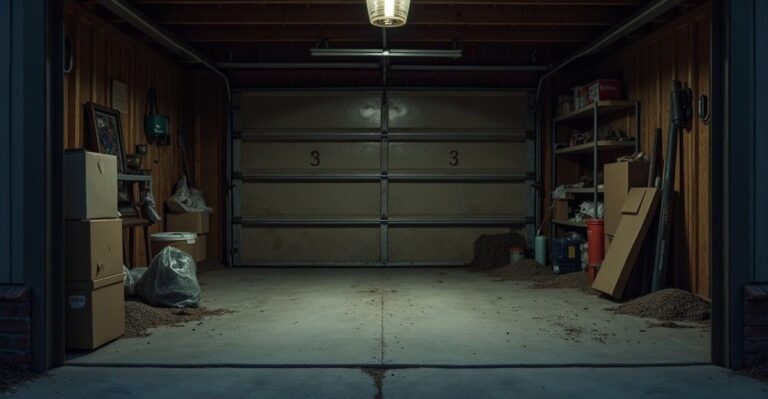
Outbuildings are common pest hotspots, especially on properties with acreage, workshops, or storage buildings. These areas see less daily activity and offer protection from wind, heat, and snow.
Rodents often nest behind stored boxes or inside wall voids. Spiders claim ceiling corners and shelving. Wasps build inside rafters. Ants may establish small colonies along interior edges.
We frequently see droppings along garage walls, chew marks on wiring or feed bags, nests in rafters, or buzzing sounds inside wall cavities. Gaps around garage door seals also allow steady movement inside.
For a closer look at typical shed risks, review these insights on keeping pests out of sheds. Many of the same conditions apply to detached garages and shop buildings.
Prevention stays straightforward:
- Store items in sealed plastic containers rather than cardboard.
- Maintain tight-fitting garage door seals.
- Reduce clutter to minimize nesting areas.
- Improve lighting where possible.
- Inspect sheds and detached buildings seasonally.
This applies to homeowners and small businesses alike. Warehouses, storage rooms, and hospitality outbuildings all benefit from steady, structured oversight to keep activity controlled.
Crawl Spaces, Vents, and Hard-to-See Structural Gaps
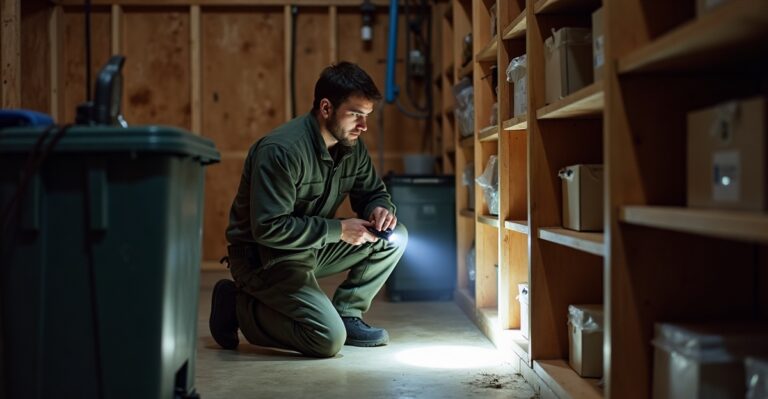
Crawl spaces and ventilation openings are hidden pest hiding places that often go unchecked. Once activity starts inside these cavities, detection can take time.
Freezing winter temperatures in Eastern Idaho push rodents and insects toward insulated, protected areas. Crawl spaces provide stable shelter with limited disturbance.
Common pests include rodents nesting in insulation, spiders forming webs along joists, earwigs in damp corners, and ants entering through vents. Damaged vent screens, loose foundation vents, and gaps around plumbing penetrations create access points.
Early warning signs may include scratching sounds, disturbed insulation, droppings near access doors, or unexplained indoor pest sightings. If pests consistently appear indoors, entry may be below the main level. Our article on rodents in crawlspaces explains how these hidden zones become nesting areas.
Prevention steps include installing or repairing vent screens, sealing access doors properly, and scheduling periodic crawl space inspections. Thoughtful inspection improves safety and reliability without alarm. Identifying structural gaps early keeps small issues from turning into larger repairs.
For ongoing concerns involving rats or mice, targeted rodent control services can reinforce exclusion and monitoring in these harder-to-see areas.
Trash, Compost, Storage Areas—and When to Call a Professional
Outdoor trash and compost areas are consistent pest hotspots because they provide dependable food sources. Ants, wasps, flies, and rodents all respond quickly to uncovered access.
We often find activity under trash lids, around dumpster pads, inside poorly managed compost piles, or in pet food stored in garages. Small businesses may see similar issues near loading zones or shared waste enclosures.
Signs include tipped bins, scattered debris, recurring insect swarms, strong odors, or nighttime scavenging.
Simple routines reduce attraction:
- Use tight-fitting lids and rinse bins regularly.
- Keep compost balanced and avoid adding meat or dairy.
- Store pet food in sealed containers rather than open bags.
When to Call a Professional
Some situations need direct assistance. Recurring activity despite consistent prevention steps suggests a deeper issue. Visible droppings indoors confirm pests have moved past exterior zones. Structural entry points may require repairs that are difficult to seal properly. Stinging insects and rodent activity can also create safety concerns.
In those cases, structured pest control services provide a calm, inspection-based approach. We focus on clear communication, family and pet safety, and steady follow-up throughout Idaho Falls, Twin Falls, Pocatello, Rexburg, Rigby, and nearby communities.
A careful review of pest hiding places around the property often reveals manageable solutions. With thoughtful inspection and steady maintenance, most pest hotspots can be reduced before they create larger problems indoors.