Why Moisture Problems Lead to Pest Infestations?
Moisture draws pests because insects and rodents depend on steady water sources. Even minor leaks, condensation, or high humidity create ideal conditions for them to survive and multiply. Across Eastern Idaho, snowmelt, irrigation, and common plumbing issues often raise indoor humidity levels. That moisture softens building materials and increases the risk of hidden infestations.
Key Takeaways
- Moist environments give pests water, shelter, and easy access to softened wood, drywall, and insulation.
- Common local pests linked to damp areas include ants, cockroaches, earwigs, spiders, rodents, and mosquitoes.
- Small moisture issues, such as slow leaks or weak ventilation, often grow into larger infestations if we ignore them.
- Warning signs include musty odors, warped materials, condensation buildup, and pest activity concentrated near damp spaces.
- Fast repairs, proper drainage, improved ventilation, and strong humidity control greatly reduce pest risk.
Moisture Creates the Perfect Conditions Pests Need to Survive
Moisture attracts pests because insects and rodents need water just as much as food and shelter to survive. Even small amounts of standing water or high humidity can support nesting, feeding, and reproduction.
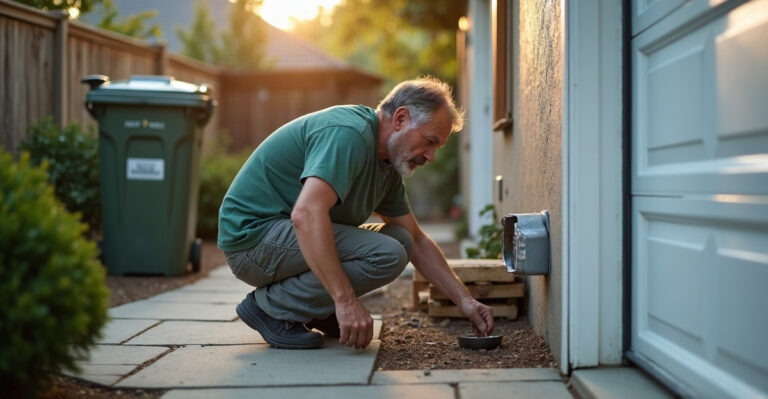
In homes across Eastern Idaho, we often see damp areas pests readily move into—basements, crawl spaces, utility rooms, and bathrooms. Plumbing leaks, condensation on pipes, roof leaks, clogged gutters, irrigation overspray, and lingering water damage all create the steady moisture many species rely on. Snowmelt in Idaho Falls, spring rain in Twin Falls, and heavy lawn watering in Rexburg or Pocatello all raise indoor humidity levels. Sharp temperature swings also cause condensation to form on cool surfaces inside walls and around windows.
Moisture does more than provide drinking water. Damp wood, drywall, and insulation begin to soften and break down over time. That breakdown makes it easier for pests to chew through materials, burrow into structural voids, and build nests inside walls or under flooring. Water damage pests take advantage of these weakened areas quickly.
For homeowners and business owners alike, moisture rarely stays isolated. One slow leak under a sink can lead to soaked cabinet bases, damp subflooring, and elevated humidity nearby. Over time, that single issue can become the starting point for ongoing pest activity.
The Most Common Pests Found in Damp Areas Across Eastern Idaho
Different species respond to moisture in different ways, but the pattern is consistent. When moisture increases, pest activity often follows.
Ants are frequently found clustering near moisture sources. We often treat kitchens, bathrooms, and foundations where leaks or oversaturated soil provide dependable water. If ant trails appear around sinks or along basement walls, moisture is often part of the cause. Our ant control services focus on removing both the insects and the conditions supporting them.
Cockroaches are strongly drawn to water. They settle near sinks, utility rooms, and floor drains, especially if small leaks go unnoticed. Many homeowners first notice them at night near dishwashers or laundry areas. We explain the common factors behind infestations in what causes a cockroach infestation, and we address active problems with targeted cockroach control built for family homes and commercial kitchens alike.
Earwigs prefer damp soil and shaded areas around foundations. After irrigation or rainfall, they often move indoors as surface conditions dry out. Our local earwig control accounts for these seasonal patterns we see across Rigby and surrounding communities.
Spiders follow their food. If other insects gather in damp areas pests commonly occupy, spiders won’t be far behind. We see this often in basements and crawl spaces where humidity remains high. Focused spider control helps reduce both webs and the insects drawing them in.
Rodents also seek reliable water sources. During colder months, mice and rats often settle in crawl spaces, wall voids, or basements where minor leaks or condensation provide enough moisture to sustain them. Our rodent control services address entry points and attractants at the same time.
In yards, standing water plays a major role in mosquito activity. We cover this in detail in mosquito breeding in yard water. Effective mosquito control services pair habitat reduction with treatment to lower reproduction and biting pressure.
Each of these examples reflects what we see locally. Homes in Idaho Falls and nearby communities face seasonal moisture shifts that naturally raise pest pressure during certain times of year.
How Water Damage Turns Small Issues Into Larger Infestations
Water damage pests often exploit structural weaknesses that develop slowly. Warped wood, peeling paint, cracked foundations, and worn seals create easy access points. What starts as minor staining on drywall can signal deeper moisture buildup behind the surface.
Excess humidity can also speed up breeding cycles for certain insects. If conditions remain damp, populations can grow quietly before anyone recognizes the scale of the problem. Hidden moisture behind walls, under flooring, or beneath insulation allows colonies to expand without obvious warning signs.
Businesses face similar risks. Restaurants, warehouses, and hospitality spaces often contain plumbing lines, storage areas, and equipment that generate condensation. If damp conditions persist, pests gain steady access to water and shelter in back-of-house spaces.
Moisture does not always lead to severe infestations. Many properties experience occasional dampness without major pest issues. Risk rises, however, when leaks or humidity problems remain uncorrected for extended periods. Addressing moisture early keeps small concerns from becoming larger control efforts later.
Warning Signs That Moisture May Be Causing Your Pest Problem
Early indicators often appear before pest numbers grow significantly. Paying attention to these changes helps us act quickly and calmly.
Common warning signs include:
- Musty odors in basements, crawl spaces, or storage rooms
- Peeling paint, bubbling drywall, warped wood, or stained ceilings
- Pest droppings or insect activity concentrated near damp areas
- Increased pest sightings during spring snowmelt or after heavy irrigation
- Condensation buildup on windows or exposed pipes
Unusual activity in bathrooms can also point to drainage or ventilation problems. We explain more in what attracts bugs to bathrooms. Basement activity is another common signal, especially during wetter months, as outlined in why there are so many bugs in basements.
These signs are not causes for alarm. They are early reminders that moisture and pest activity often move together. Addressing the moisture source usually reduces pest pressure significantly.
Practical Steps to Reduce Moisture and Lower Pest Risk
Simple, consistent maintenance goes a long way in lowering the chance that moisture attracts pests inside homes and commercial buildings.
Start with the basics. Fix leaking pipes, faucets, and appliances promptly. Even slow drips under sinks can create long-term damp conditions.
Improve ventilation in bathrooms, kitchens, and crawl spaces. Exhaust fans and proper airflow help manage humidity before it builds up.
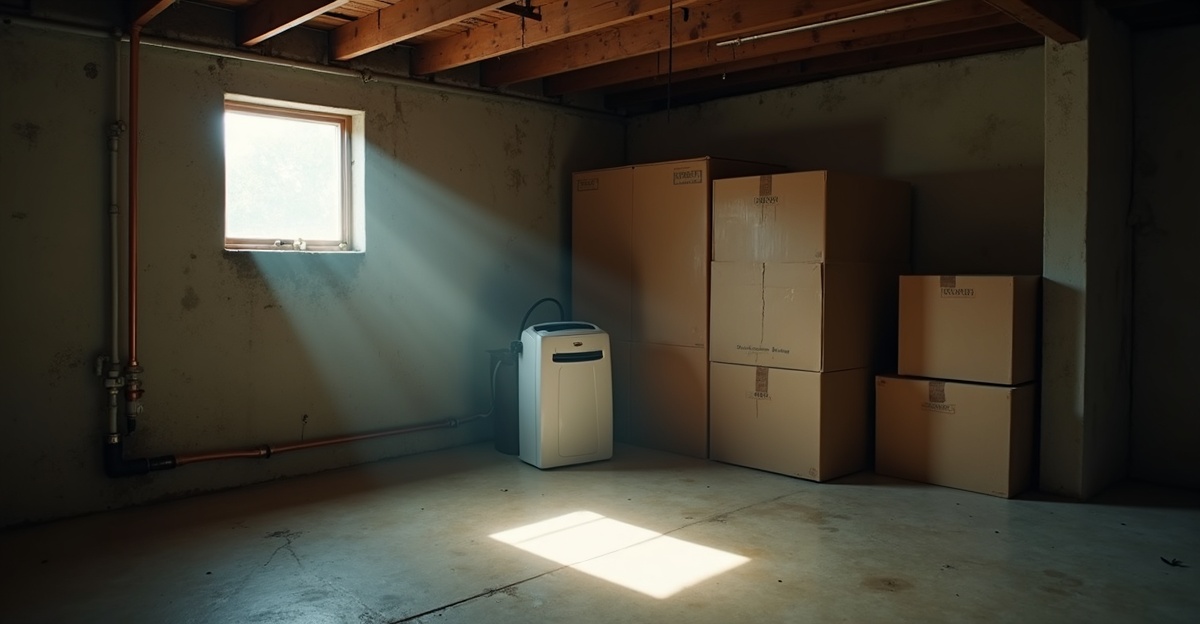
Use dehumidifiers in basements or other moisture-prone areas, especially after snowmelt or extended rain. Keeping humidity controlled makes the space less inviting for damp areas pests.
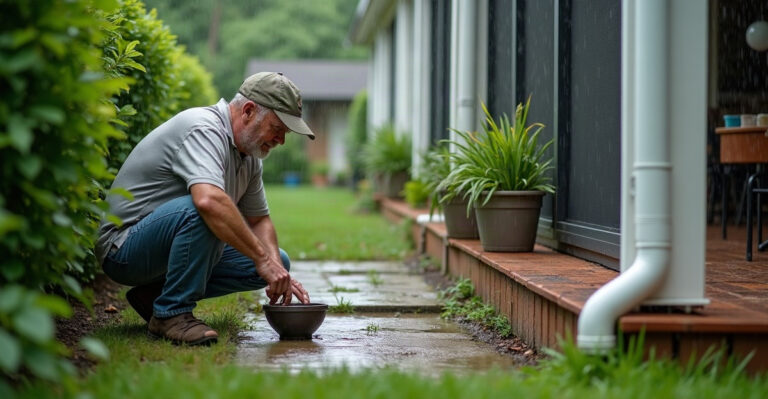
Outside the structure, keep gutters clear and direct downspouts away from the foundation. Adjust irrigation systems to prevent overspray against siding. Small changes in watering patterns can make a noticeable difference.
Seal cracks and gaps around doors, windows, and foundations. These measures reduce both moisture intrusion and pest entry at the same time.
These steps are practical first actions. They support long-term prevention and often reduce minor pest activity without additional measures.
When It’s Time to Call a Local Professional You Can Trust
Professional help makes sense when pests continue appearing after moisture issues are corrected. Recurring leaks, visible water damage, or structural concerns also warrant a closer inspection.
Multiple pest species in different parts of a building often signal a broader issue. In those cases, a comprehensive pest control service helps identify moisture sources, entry points, and nesting areas together.
At Falls Pest Services, we focus on responsive inspections and safety-conscious treatments that fit families, pets, employees, and customers. Our team understands how snowmelt, irrigation, and seasonal shifts affect properties across Eastern Idaho. We provide clear guidance and steady service rooted in our local community.
If moisture and pest activity seem connected in a home or business, the next step is simple. Reach out through our contact page to schedule an inspection or ask for guidance. We’re here to help address the cause, reduce the risk, and protect the spaces we all depend on.