DIY Pest Control vs Professional: Which Is Better?
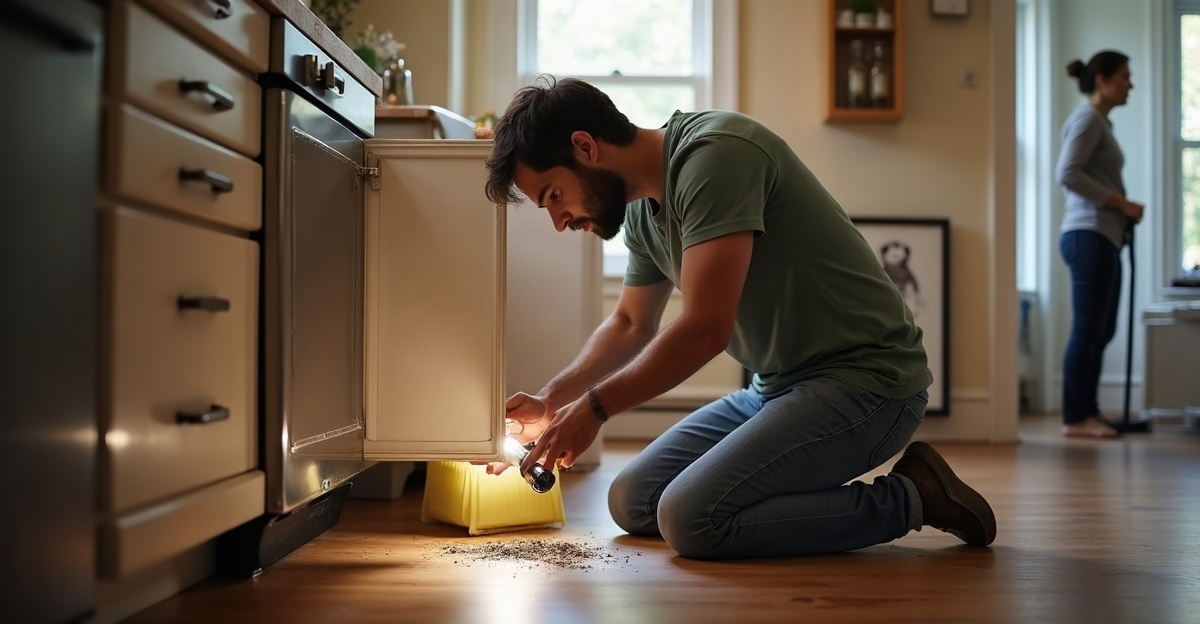
The choice between DIY pest control and professional service depends on the pest, the activity level, and safe treatment options. We can handle isolated issues with correct pest identification and label-approved products. Recurring, hidden, widespread, or business-sensitive activity often calls for a professional inspection and follow-up plan.
Key Takeaways
- DIY pest control works best for limited, clearly identified activity with no signs of nesting or spread.
- We can reduce pest pressure through sanitation, moisture control, entry-point sealing, clutter reduction, and monitoring.
- We must use store-bought products exactly as the label directs, especially near children, pets, food, and sensitive areas.
- Professional service can find hidden activity, likely entry points, and pest conditions that DIY treatment may overlook.
- We should contact a professional when pests return, appear in multiple areas, remain unidentified, or disrupt safety, sanitation, or business operations.
When Is DIY Pest Control a Good Choice?
DIY pest control can work when the problem is small and easy to identify. It also helps when we can find the cause and take safe steps to address it.
Small and Isolated Pest Problems
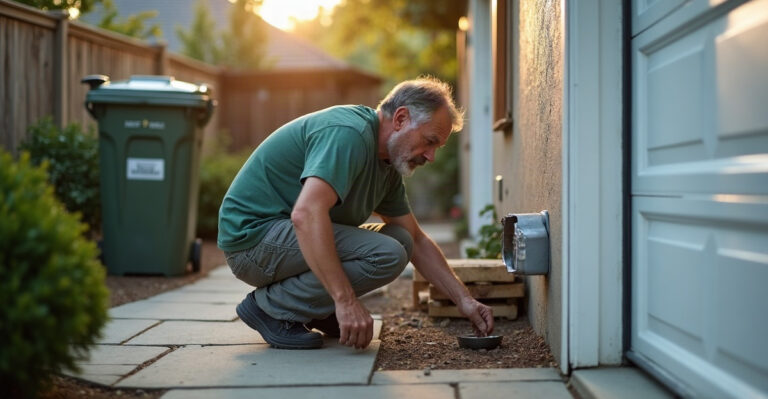
A few ants near a door or an occasional spider may not require professional treatment. We can start by cleaning the area, removing food sources, and checking for entry points.
However, we should watch for new activity. More pests may mean a hidden problem needs attention.
Routine Pest Prevention
Many pest problems start with food, water, and shelter. Good home care can make these resources harder for pests to find.
Simple steps include:
- Keep food in sealed containers.
- Clean spills and crumbs each day.
- Fix leaks and remove standing water.
- Seal gaps around doors and windows.
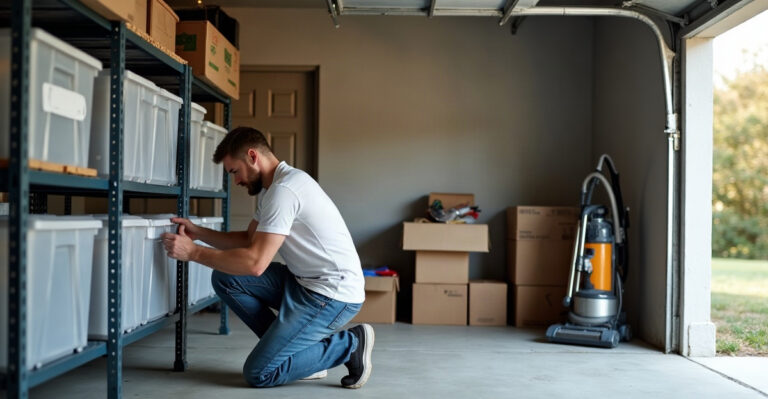
- Reduce clutter in storage areas.
- Check for new pest signs each week.
These steps help reduce pest activity. They also support any future treatment.
What Are the Limits of DIY Pest Control?
Store-bought products may help with some pests, but they cannot solve every problem.
Hidden Nests and Entry Points
Pests can hide behind walls, under floors, or inside storage spaces. A spray may kill visible insects without reaching the main nest.
As a result, the problem may return. This often happens when we treat the pests we see but miss their food source or hiding place.
Safety and Treatment Risks
Using too much pesticide or mixing products can create serious risks. We must follow each product label and avoid treating areas where the product is not approved.
Bed bugs, indoor rodents, and large wasp nests may also need special care. If we cannot identify a pest or treat it safely, professional help is the better choice.
What Does Professional Pest Control Include?
Professional pest control services focus on finding the cause of pest activity and choosing a suitable treatment.
Detailed Pest Inspection
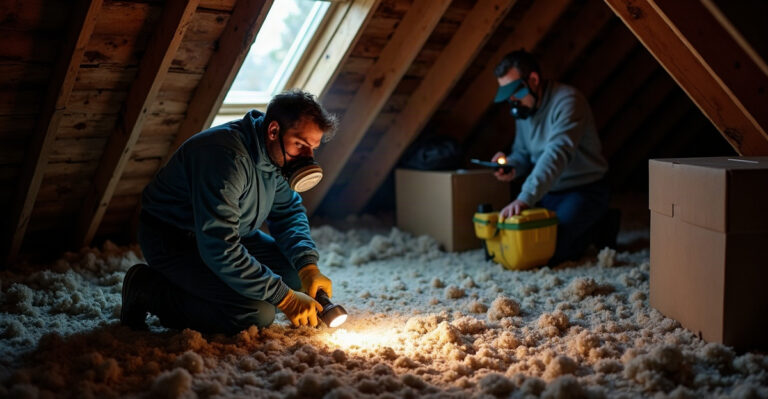
A trained service professional checks for pest signs, entry points, food sources, and moisture problems. The inspection can reveal activity that we may miss during routine cleaning.
For homes, residential pest control can address issues in kitchens, bedrooms, garages, and outdoor areas.
Targeted Treatment and Follow-Up
Professional treatment depends on the pest, property, and activity level. A service professional may use traps, bait, exclusion methods, or approved products.
Follow-up visits help check results and identify signs of renewed activity. They also allow the treatment plan to change when needed.
DIY Pest Control vs Professional: Key Differences
The main difference between DIY pest control vs professional service involves the time, tools, knowledge, and support needed.
Cost and Time
DIY methods often cost less at first because we buy and use the products ourselves. However, repeat purchases and failed treatments can raise the total cost.
Professional service costs more upfront in many cases. Yet a proper inspection and targeted plan may save time when pests keep returning.
Results and Long-Term Protection
DIY treatment often works best for small problems and basic prevention. Its success depends on correct pest identification and safe use.
Professional service can address larger problems through inspection, treatment, and follow-up. Still, no method can prevent every future pest problem.
Business and Property Needs
Pests in a workplace can affect sanitation, customer trust, and daily work. Business owners may also need pest records and regular inspections.
Commercial pest control can help businesses manage these needs with a planned service approach.
When Should You Call a Pest Control Professional?
Some pest problems need more than basic home care.
Consider professional help when:
- Pests keep returning: Activity continues after cleaning and treatment.
- Pests appear in several rooms: The problem may be spreading.
- You find rodent signs: Droppings, gnaw marks, or scratching sounds may point to hidden activity.
- You suspect bed bugs or cockroaches: These pests can hide and spread before we notice them.
- Safety becomes a concern: Stinging insects, unknown pests, or pesticide risks make DIY treatment unsuitable.
Early inspection can help identify the problem before it becomes harder to manage.
Can DIY and Professional Pest Control Work Together?
Yes. We can use simple prevention methods alongside professional treatment.
For example, we can keep kitchens clean, seal gaps, reduce moisture, and check storage areas. A service professional can then address active pests and recommend further steps.
This combined approach helps limit the conditions that attract pests. It also makes ongoing monitoring easier.
Get Professional Pest Control Help in Eastern Idaho
If pests keep coming back, Falls Pest Services can help identify the problem and recommend a treatment plan for your property.
Our team serves homes and businesses across Eastern Idaho and nearby areas. You can check our service areas to see if we cover your location.
Ready to address your pest problem? Contact us to discuss your concerns and request a quote.
Frequently Asked Questions
1. Is DIY Pest Control as Effective as Professional Treatment?
DIY pest control can work for small, isolated problems. Professional treatment is often more suitable for recurring or widespread activity because it includes inspection, targeted treatment, and follow-up.
2. Is DIY Pest Control Cheaper Than Hiring a Professional?
DIY methods often cost less at first. However, repeated product purchases and unsuccessful treatments can increase costs. The better value depends on the pest and severity of the problem.
3. What Pests Are Hardest to Control Without Professional Help?
Bed bugs, cockroaches, rodents, and hidden insect colonies can be hard to control. These pests may spread or remain active in places we cannot easily reach.
4. Can I Use Store-Bought Pest Products Before Calling a Professional?
Yes, if the product is approved for that pest and location. Always follow the label. Tell your service professional which products you have used so they can plan the next steps.
5. How Do I Know If I Need Regular Pest Control Service?
Regular service may help when pests return often or your property has ongoing pest pressure. A professional inspection can help determine whether routine visits or a single treatment makes more sense.