Pest Control vs Exterminator: What Is the Difference?
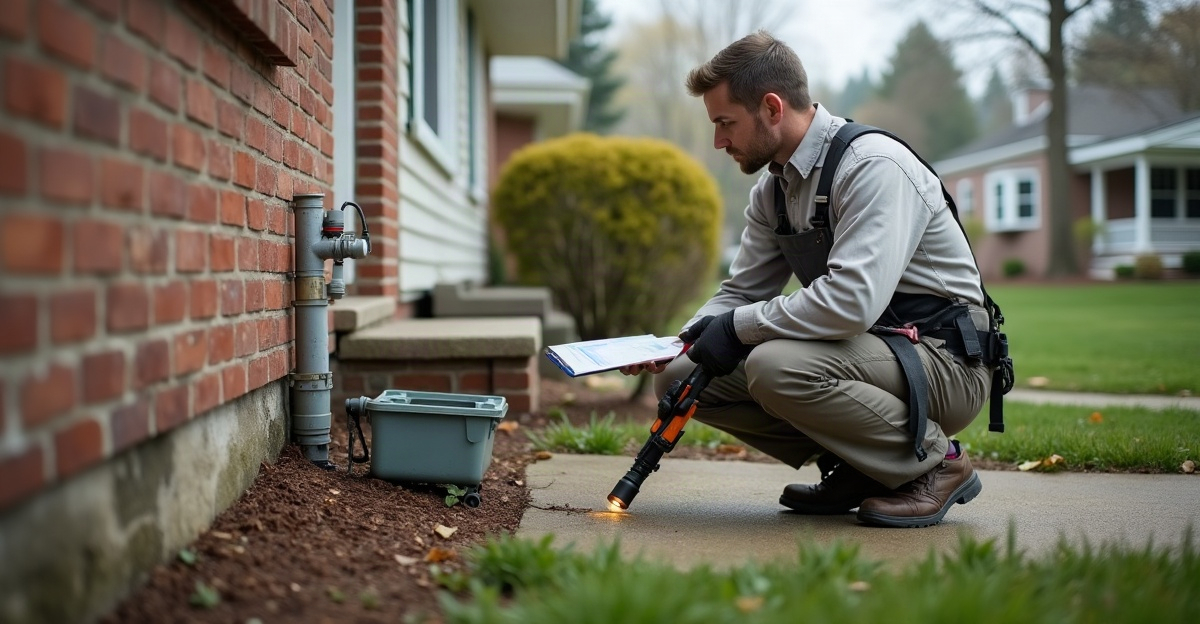
Exterminator services and pest control services differ mainly in scope. Extermination addresses active pest activity. Pest control can also include inspections, exclusion work, monitoring, and prevention. We select the right service based on the pest, property conditions, whether activity is isolated or recurring, and the need for follow-up support.
Key Takeaways
- We often use exterminator and pest control interchangeably, but each provider may include different services.
- A one-time treatment can address a limited, active pest issue that needs fast attention.
- Ongoing pest control helps manage recurring, seasonal, and property-specific pest concerns through monitoring and prevention.
- Quality service includes pest identification, a property assessment, clear treatment instructions, and safety guidance.
- We recommend asking providers about treatment scope, preparation requirements, pricing, follow-up visits, and practical prevention steps.
The Practical Difference Between Pest Control and an Exterminator
The pest control vs. exterminator difference usually comes down to scope. “Exterminator” often means eliminating an active pest problem, while “pest control” usually describes the broader process of inspection, identification, treatment, exclusion, monitoring, and prevention.
These are not rigid industry terms. Homeowners, businesses, and service providers often use “exterminator” and “pest control” interchangeably. The actual service depends on the pest, the property, and the provider’s approach.
Eliminating pests may be necessary, especially with an active indoor issue. A complete service should also consider why pests are present, where they may be entering, and what conditions could support future activity. That is the practical distinction in pest control vs. exterminator services: immediate relief matters, but lasting results often require prevention steps as well.
| Term | Typical Focus | Common Service Components | Best-Fit Situation | Questions to Ask |
|---|---|---|---|---|
| Exterminator | Addressing visible or immediate pest activity | Inspection, identification, targeted treatment, removal, or elimination recommendations | An active issue requiring prompt attention | Will you inspect for the source, entry points, and conditions that may lead to future activity? |
| Pest control | Managing current pest activity while helping prevent recurrence | Inspection, targeted treatment, exclusion, monitoring, follow-up, and prevention guidance | Recurring, seasonal, or property-specific pest concerns | What ongoing monitoring or follow-up is included, and is it necessary for my property? |
We do not treat extermination as a lesser service. A one-time treatment can be the right answer for certain pest problems. We simply recommend understanding what the service includes and whether the property would benefit from follow-up or prevention work.
When to Call a Professional Promptly
A prompt professional assessment makes sense when pest activity continues after basic cleaning and prevention efforts. This includes repeated sightings of rodents, ants, spiders, wasps, bed bugs, or other pests indoors.
We also recommend calling when there are signs of nesting, droppings, gnawing, unusual odors, or possible property damage. Stinging insects deserve timely attention when nests appear near doors, play areas, workspaces, or other high-traffic locations.
Pests around food storage, food preparation areas, or customer-facing business spaces need careful attention. Bed bug concerns also call for a timely inspection, particularly when signs may be spreading from one room or unit to another. Our bed bug treatment approach starts with identifying the situation and discussing practical next steps.
Extra care is important if a resident, employee, child, or pet has special exposure concerns. A qualified professional can identify the likely pest, assess the property, explain appropriate options, and provide safety instructions based on the specific situation. For help deciding on timing, review when to call pest control.
When an Exterminator May Be the Term We’re Looking For
Homeowners and business owners often search for an exterminator when they need fast help with visible pest activity. Common examples include seeing rodents indoors, finding a wasp nest near an entrance, noticing ants around food, or finding signs of bed bugs.
A one-time pest-elimination service may be appropriate, depending on the pest and property. Immediate treatment can address the active concern while we assess whether anything else needs attention. For rodents, for example, effective service often includes checking likely travel paths and accessible entry points in addition to addressing the current activity. Learn more about our rodent control services.
Even when the priority is eliminating pests quickly, we recommend asking four simple questions:
- What pest is present?
- Where may it be entering or nesting?
- What conditions may be contributing to the issue?
- What follow-up, if any, may be helpful?
Treatment recommendations should fit the pest and property. Professionals should follow applicable product labels and established service practices. No provider can honestly promise that pests will never return, since weather, neighboring properties, construction, sanitation, and seasonal activity can all change pest pressure.
When Ongoing Pest Control May Make More Sense
Ongoing pest control may help with recurring activity, seasonal pest pressure, rodent concerns, and properties where regular monitoring is useful. It can also be a practical choice for food-related businesses, rentals, properties with outdoor structures, and locations that need consistent oversight. Still, not every home or business needs a recurring plan.
A broader service approach may include inspection, pest identification, targeted treatment, exclusion, monitoring, and prevention. This approach focuses on the current issue while helping reduce conditions that may support future pest activity. Our guide to integrated pest management explains how inspection, practical prevention, and focused treatment can work together.
Homes and businesses in Idaho Falls, Twin Falls, Pocatello, Rexburg, Rigby, and nearby communities may experience changing pest pressure with seasons, weather, property conditions, nearby open land, construction, and neighboring activity. Yards, sheds, garages, crawl spaces, outbuildings, acreage, warehouses, restaurants, hospitality properties, offices, and rentals can all affect what monitoring or prevention steps make sense.
For homes, our residential pest control service can address recurring or seasonal concerns with a plan that fits the property. Businesses may benefit from commercial pest control when pest activity affects food areas, staff spaces, inventory, tenants, or customer experience.
What Quality Pest Management Should Include
A quality pest-control visit starts with a conversation and a property assessment. We should inspect reported activity and likely contributing conditions, identify the pest or explain the likely pest type, and clearly explain the recommended treatment.
Good service also includes preparation details, timing, and post-treatment instructions. Children, pets, food areas, gardens, allergies, and other household or business-specific concerns should be discussed before service begins. Pricing and follow-up expectations should be clear in advance.
Prevention guidance often includes sealing accessible access points, reducing available food and moisture, and managing outdoor harborage areas. Understanding how pest control services work can make it easier to compare service options and know what to expect.
No treatment approach is universally safe or permanent in every circumstance. A responsible provider evaluates the actual pest issue and property, discusses relevant concerns, and follows applicable product labels. We recommend transparent pricing, timely service, respectful communication, and recommendations that address the real concern rather than unnecessary treatments.
Questions to Ask Before Hiring a Pest Professional
Before choosing a provider, ask clear questions about the inspection, treatment, safety steps, price, and follow-up. Our guide on choosing a pest control company offers additional guidance.
- What pest do we believe is present, and how was it identified?
- What does the recommended treatment address?
- What preparation or safety steps should the household or business follow?
- How will children, pets, food areas, and special concerns be considered?
- Is follow-up included, and what should we expect after treatment?
- What prevention steps do we recommend?
- What is included in the quoted price, and could additional costs apply?
Simple Prevention Steps and Common Questions
Simple prevention can support professional service and reduce conditions that attract pests. Store food in sealed containers, address moisture leaks, keep exterior trash areas tidy, and reduce unnecessary clutter. Check door sweeps and screens, and seal accessible gaps where appropriate. For a fuller overview, see our article on preventative pest control.
Common Questions
Is pest control the same as an exterminator?
In everyday conversation, the terms often mean the same thing. In practice, exterminator may describe immediate pest elimination, while pest control may also include prevention, monitoring, exclusion, and follow-up.
Is an exterminator better than pest control?
Neither term is automatically better. The right service depends on the pest, the level of activity, the property, and whether prevention or monitoring would help after the immediate issue is handled.
Do we need one-time treatment or ongoing pest control?
A one-time service may fit a limited, isolated issue. Ongoing service may make more sense for recurring pests, seasonal pressure, food-related businesses, rentals, or properties where regular inspection is useful. See whether professional pest control is worth it for the specific concern.
Is pest control safe for children and pets?
Safety depends on the pest, the treatment method, the products involved, and the property. We should discuss children, pets, food areas, gardens, allergies, and required preparation before treatment begins.
What should we ask before hiring a pest control company?
Ask how the pest was identified, what treatment addresses, what preparation is needed, what is included in the price, and whether follow-up or prevention steps are recommended.
When should we call a professional for rodents, ants, spiders, or wasps?
Call when activity recurs, pests appear indoors, signs of nesting or damage are present, stinging insects are near active areas, or pests affect food spaces. A timely assessment can clarify the most practical next step.
Eastern Idaho homeowners and small business owners can contact Falls Pest Services to discuss what they are seeing, request an inspection, or ask what type of service may fit the property. We provide clear communication, practical recommendations, safety-conscious service, prevention guidance, follow-up support, and transparent expectations without pushing a one-size-fits-all solution.