Pest Control Pros and Cons for Homeowners
Pest control pros and cons for homeowners depend on whether pest activity stays isolated, returns often, occurs in hard-to-reach areas, or relates to property conditions. These conditions may include moisture, access points, outbuildings, or nearby acreage. DIY prevention can manage minor issues. Professional service can provide inspections, focused treatments, and follow-up for persistent or higher-risk concerns.
Key Takeaways
- DIY steps, including sealing gaps, reducing moisture, removing food debris, and placing targeted traps, can resolve minor and isolated pest issues.
- Professional pest control can identify the pest, find likely sources, and create a treatment plan with prevention and monitoring.
- One-time service can address a specific issue. Ongoing plans can help manage recurring seasonal activity, rural properties, and persistent access points.
- Professional service involves upfront or recurring costs. It may also require preparation, access to affected areas, and continued homeowner maintenance.
- Focused treatments, trapping, sanitation, and exclusion guidance can reduce pest activity while supporting household needs around children, pets, gardens, and storage areas.
Pest Control Pros and Cons: Is Professional Service Worth It?
Professional pest control can be useful and cost-effective for recurring, difficult, or higher-risk pest problems, but it is not automatically necessary for every isolated pest sighting. The right choice depends on the pest, its likely source, the property layout, household needs, and whether activity is isolated or keeps returning.
For Idaho Falls, Twin Falls, Pocatello, Rexburg, Rigby, and surrounding Eastern Idaho communities, pest pressure can shift with the seasons. Rural settings, acreage, irrigation, stored materials, outbuildings, and nearby agricultural areas may increase activity. Still, every property has different conditions and risks.
A practical comparison helps clarify the pest control pros and cons. DIY prevention often works best for a minor, identifiable issue where cleanup, moisture control, sealing gaps, trapping, or a targeted product can address the cause. It keeps costs lower, but it requires time, monitoring, and correct pest identification. For help deciding whether home treatment fits the situation, review DIY pest treatments.
A one-time professional service can fit a specific problem that does not appear to need routine prevention. It provides expert identification and a focused treatment plan, though follow-up may be needed if the pest source remains active.
An ongoing pest control plan is often a better fit for repeat seasonal activity, persistent entry points, rural properties, sheds, garages, crawlspaces, or frequent pest pressure. Scheduled visits can make costs and maintenance more predictable, but the plan carries recurring charges and may not cover specialty pests or repairs.
The Benefits of Professional Pest Control
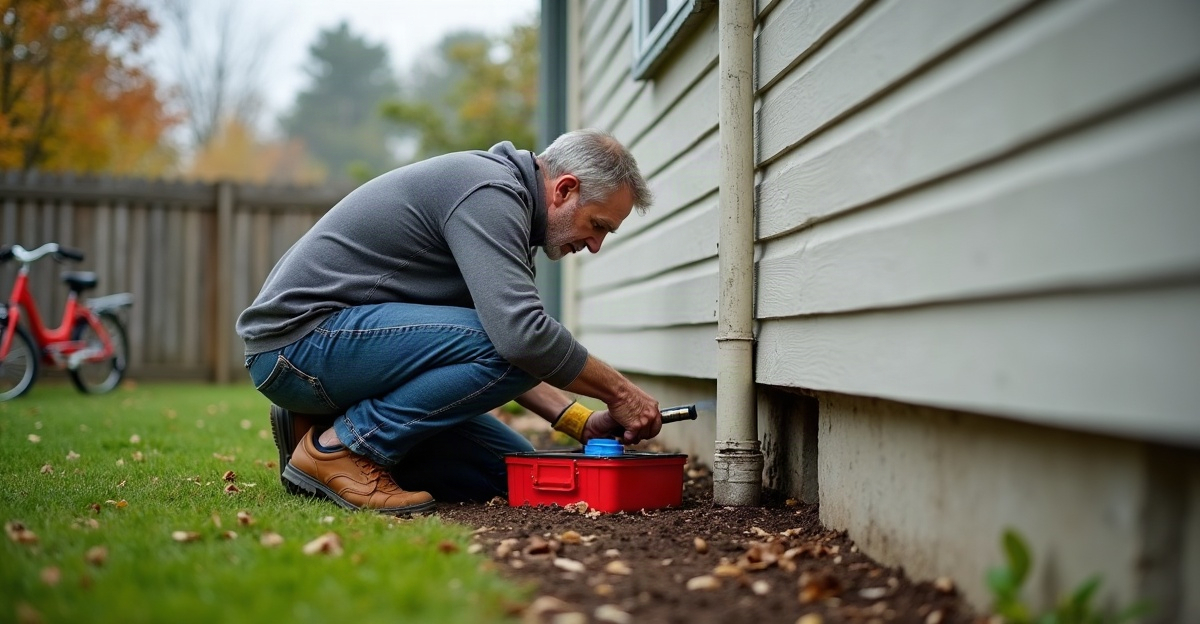
A professional inspection reduces guesswork. We look for signs of activity, likely entry points, food and moisture sources, nesting areas, and conditions that support pests. That can include foundations, utility lines, attics, crawlspaces, garages, sheds, landscaping, stored materials, and outbuildings.
Correct identification matters because ants, rodents, cockroaches, bed bugs, and stinging insects need different control methods. A product that affects one pest may do little for another. Source control also matters. Treating visible activity without addressing a moisture issue, nesting site, or access point may produce only short-term improvement.
Professional service often combines inspection, prevention, monitoring, treatment, and practical property changes. This approach is called integrated pest management. In plain terms, it means we focus on the pest, the conditions allowing it to remain, and the least disruptive practical steps before relying on broad applications.
Targeted treatments can help with persistent or hard-to-reach problems. Our rodent control services, for example, can pair trapping and monitoring with entry-point recommendations. We can also help with recurring ants, difficult cockroach activity, bed bugs, and stinging insects located near doors, play areas, or workspaces.
Residential needs matter. Children, pets, gardens, aquariums, livestock-adjacent areas, and storage spaces all affect how we plan service. Commercial properties also need careful attention. Restaurants, offices, warehouses, rental units, hospitality properties, small retail locations, and food-service businesses may benefit from consistent inspections and documented follow-up.
These are key pros and cons of pest control: professional help brings experience, focused methods, and follow-up options, while homeowners still need to support sanitation, maintenance, and exclusion work where needed. Treatment works best as one part of a complete plan, not as a substitute for property care.
Potential Drawbacks and Realistic Expectations Before Hiring
Professional pest service has an upfront or recurring cost. Pricing varies with the pest, property size, treatment needs, follow-up visits, and whether repairs or exclusion work are needed. A small ant issue may need a very different approach than rodent activity in an attic or a bed bug concern in several rooms.
Some problems require multiple visits and active participation from homeowners or property managers. We may need access to certain areas, preparation before treatment, and help removing food sources or correcting leaks. Following label-based re-entry instructions also matters after applicable treatments.
Minor or isolated pest issues may sometimes be resolved through sanitation, exclusion, moisture control, trapping, or targeted DIY measures. For example, removing accessible food, repairing a drip under a sink, or sealing a small gap can solve the conditions that attracted pests.
No responsible provider should promise immediate or permanent elimination in every situation. Pest activity may take time to reduce because monitoring, source removal, trapping, exclusion, treatment, and follow-up can all play a role. Realistic results depend on the pest, the extent of activity, the property’s conditions, and whether recommended maintenance is completed.
Scheduling can also be a practical concern. Service may require access to a home or business, temporary changes around a treatment area, or coordination with tenants and staff. Recurring plans also bring recurring charges. Clear communication makes a difference, so we recommend learning how to choose a pest control company before agreeing to service.
Pros and Cons of Chemical Pest Control
The pros and cons of chemical pest control deserve a balanced review. “Chemical” does not describe one single method. Products, placement, and application methods should match the target pest, treatment area, label directions, pest pressure, and household needs.
Carefully selected products can be useful when pest pressure persists, pests are difficult to reach, or non-chemical steps alone are not enough. A targeted treatment may help control pests in cracks, voids, nesting areas, or other locations where activity continues despite cleanup and prevention.
There are valid concerns as well. Incorrect DIY use, improper storage, overapplication, and using a product in the wrong area can create unnecessary exposure concerns. Extra care is important around children, pets, gardens, aquariums, and sensitive occupants. Products should be selected and applied according to their label directions and the needs of the property. For additional context, see indoor pest treatment considerations and pet treatment safety.
A reputable provider also uses non-chemical tools where appropriate. Monitoring, trapping, sanitation guidance, exclusion recommendations, and habitat changes often reduce the need for additional treatment. Integrated pest management is usually more practical than blanket spraying because it addresses the pest, its source, and the conditions supporting activity.
One-Time Treatment, Ongoing Plans, and Service Contract Tradeoffs
One-time professional service and an ongoing pest control plan serve different purposes. A one-time visit can make sense for an isolated, identifiable issue with no clear history of repeat activity. It may include inspection, treatment, and recommendations for prevention.
Recurring service may be more useful for repeated seasonal pests, acreage, outbuildings, persistent entry points, or properties needing regular monitoring. Scheduled visits can offer convenience, follow-up options, and ongoing prevention for conditions that tend to return.
The pest control service contract pros and cons come down to coverage, cost, and fit. A plan may provide predictable scheduling and support for recurring activity. On the other hand, contracts can include recurring charges, minimum terms, cancellation policies, and limits on covered pests. Specialty services, such as bed bug treatment or exclusion repairs, may be separate.
Before agreeing to a plan, we recommend reviewing the visit frequency, covered pests, excluded pests, seasonal versus year-round service, re-treatment policy, cancellation terms, initial-service pricing, recurring charges, and extra fees. We should also ask whether follow-up is included, how quickly service is available if activity returns, and whether recommended repairs are priced separately.
The best option depends on the property’s pest history. A clean, well-sealed home with a single issue may need one-time service. A property with recurring activity near sheds, irrigation, stored materials, or rural acreage may benefit from regular monitoring through residential pest control.
When DIY Prevention May Be Enough—and When to Call a Professional
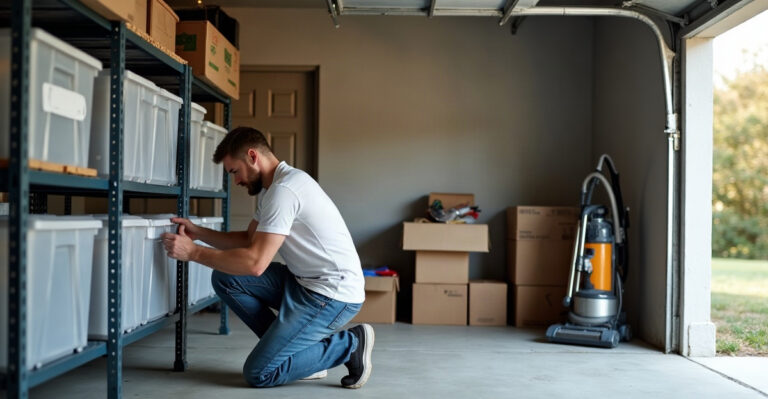
DIY prevention may be enough after an isolated sighting with no signs of ongoing activity. Cleanup, sealing gaps, reducing moisture, and placing a targeted trap can often address a manageable issue. Regular checks help confirm whether the problem has stopped or needs more attention.
Prevention Steps and Signs to Watch For
We can start with these practical prevention steps:
- Store food and pet food in sealed containers.
- Clean crumbs, grease, spills, and food debris promptly.
- Reduce standing water and address leaks or moisture issues.
- Seal obvious gaps around doors, utility lines, and foundations where practical.
- Keep vegetation and stored materials from creating easy harborage near the building.
- Inspect sheds, garages, crawlspaces, attics, and outbuildings regularly.
Professional pest control is worth considering when activity continues despite those steps. Repeated sightings, droppings, nesting materials, chew marks, unusual odors, or damage to insulation, wiring, stored goods, or structures all warrant a closer look. We also recommend professional help for bites or suspected bed bugs, cockroach activity, stinging insects near entrances or play areas, and pests connected to a wall void, attic, crawlspace, or hard-to-reach nest.
Business settings deserve prompt attention when pests affect food-service, hospitality, rentals, warehouses, or customer-facing spaces. Consistent service can help protect operations and support cleaner conditions.
Is professional pest control worth the cost? It can be, especially when repeated activity, difficult access, property damage, or higher-risk pests make trial-and-error costly or ineffective. Is pest control safe for children and pets? Methods should match the pest and property, and everyone should follow label directions and provider instructions. Do we need one-time service or recurring prevention? Isolated activity may fit one-time service, while repeat seasonal pressure may support ongoing prevention.
How long does professional pest control take to work? Results vary by pest, treatment method, source conditions, and follow-up needs. What should we ask before signing a contract? We should ask about coverage, pricing, visit timing, re-treatment, cancellation, and excluded services. Can we handle a pest problem ourselves first? Yes, when the issue is minor, isolated, and practical prevention steps can address it.
Falls Pest Services can inspect an Eastern Idaho property, explain the pest control pros and cons, and help determine whether one-time service or ongoing prevention makes sense. We are ready to provide clear options and dependable local care through our pest control contact team.