What Pests Can Contaminate Food?
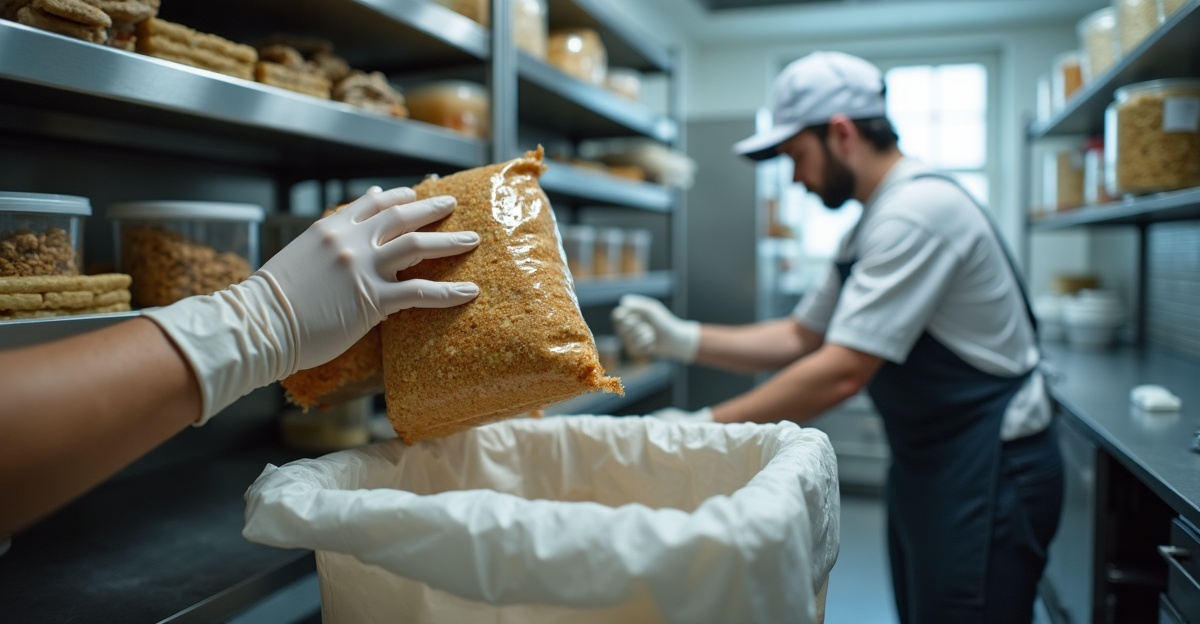
Rodents, cockroaches, flies, pantry pests, ants, and birds can contaminate food through direct contact, droppings, damaged packaging, and activity on food-contact surfaces. Pests in food facilities demand immediate action. We remove affected food, clean and sanitize impacted areas, and correct conditions that support continued pest activity.
Key Takeaways
- We discard food that shows pest contact, droppings, urine, gnaw marks, insects, larvae, webbing, or damaged packaging.
- We clean and sanitize shelves, counters, drawers, utensils, and nearby food-contact surfaces after pest activity.
- We store dry goods, pet food, birdseed, and similar products in airtight containers. We also inspect older packages regularly.
- We reduce pest entry by sealing gaps, managing waste, cleaning spills quickly, and limiting storage-area clutter.
- We schedule a professional inspection for recurring, widespread, or food-area pest activity. This step proves especially important for restaurants, warehouses, and other food facilities.
Several Common Pests Can Contaminate Food
Several pests can contaminate food, but the right response depends on the pest, the type of exposure, and whether the issue is isolated or ongoing. Common food contamination pests include rodents, cockroaches, flies, pantry pests, ants, and birds.
These food safety pests can create sanitation concerns and may spread germs through contact with food, packaging, or food-preparation surfaces. Still, a single sighting does not always mean food has been affected. We look for evidence of contact, repeat activity, and conditions that allow pests to remain nearby.
Food Contamination Pests at a Glance
Here is what we commonly find and what to do first:
- Rodents, including mice and rats: Look for droppings, gnaw marks, damaged packages, nesting material, odors, grease marks, and entry points. They often appear in pantries, garages, sheds, basements, kitchens, storage rooms, and near utility lines. Discard exposed food, clean affected areas, and arrange an inspection for active or recurring signs. Our rodent control service can help identify entry points and activity areas.
- Cockroaches: Watch for droppings, egg cases, shed skins, musty odors, and repeat activity near moisture. They commonly hide behind appliances, under sinks, around drains, and in food-preparation areas. Remove exposed food, clean and sanitize surfaces, and get help if activity continues. Learn more about cockroach health concerns and practical kitchen cockroach prevention.
- Flies: Repeated fly activity near food, drains, garbage, spills, or exterior doors needs attention. Flies often gather around trash, kitchens, patios, loading areas, and dumpsters. Remove exposed food, clean the source area, and correct sanitation and entry issues. Persistent activity may require professional fly control.
- Pantry pests: Pantry moths and beetles leave insect webbing, larvae, live insects, or signs of activity in dry goods. Check flour, cereal, rice, pasta, pet food, spices, nuts, birdseed, and older packages. Discard infested items, vacuum and clean shelves, then move replacement food into airtight containers. Our guide on protecting food from pantry pests explains the process in greater detail.
- Ants: Trails often lead to crumbs, spills, pet-food areas, or food-storage spaces. Clean food sources, store food securely, and address entry points if activity continues. Understanding what attracts ants can help prevent repeat trails.
- Birds: Birds matter most around commercial exterior areas, loading zones, patios, rooflines, and storage spaces. Droppings, nesting material, and bird activity near deliveries, waste areas, or outdoor dining can affect sanitation. Protect food and food-contact surfaces, clean affected areas safely, and correct access conditions.
How Food and Food-Contact Surfaces Become Contaminated
Pests can contaminate food through droppings, urine, saliva, body parts, nesting materials, and direct contact. Damaged packaging also creates a path for pests to reach stored food.
The concern does not stop with the food itself. Shelves, drawers, counters, utensils, storage bins, and food-preparation surfaces may need cleaning and sanitizing after pest activity. A mouse in a pantry, flies around a prep counter, or cockroach droppings beneath an appliance can all point to areas that need attention.
During an inspection, we evaluate droppings, gnaw marks, damaged packages, insect webbing or larvae, nesting material, odors, grease marks, fly activity, and possible entry points. One sign alone may not identify the pest or show the full extent of activity. Patterns matter. Repeat sightings, fresh signs, nearby food sources, moisture, clutter, and openings around utilities often tell us more.
In Eastern Idaho, changing weather can bring rodents closer to indoor shelter and stored food. Rural properties, garages, sheds, basements, and storage areas deserve extra attention, especially during cooler seasons. Stored pet food, birdseed, dry goods, and cardboard boxes can give pests food and cover in the same place.
What to Throw Away, Clean, and Sanitize After Pest Activity
Food with evidence of pest contact, droppings, urine, insects, larvae, webbing, gnawing, or damaged packaging should generally be discarded. We do not recommend keeping food that has visible contamination or trying to wash contaminated food clean.
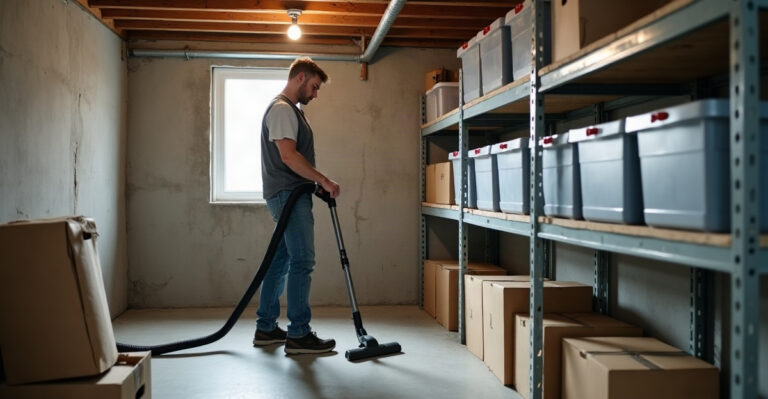
Remove affected food first. Then clean and sanitize shelves, drawers, counters, and nearby food-contact surfaces. This order helps prevent spreading debris to clean areas. Vacuum pantry shelves and cracks carefully after finding pantry pests, then remove the vacuum contents from the building.
Intact nonporous containers, such as sealed cans and jars, may sometimes be cleaned and sanitized according to applicable food-safety guidance. Inspect each container closely first. Discard anything with punctures, gnawing, broken seals, damaged lids, or signs that pests reached the contents.
A small pantry-pest issue may be resolved by disposing of infested dry goods, cleaning thoroughly, and placing replacement foods in airtight containers. Active rodent droppings, recurring cockroach activity, repeat fly issues, or pest signs in a restaurant or food-storage area call for a professional inspection and documented corrective action.
Products used near food areas must be selected and applied carefully according to label directions and applicable regulations. Broad pesticide applications in kitchens or food-preparation areas can create avoidable risks and rarely solve the conditions attracting pests.
Simple Steps to Prevent Food Safety Pests at Home
Safe food storage and routine cleaning go a long way in reducing food contamination pests. Keep flour, cereal, rice, pasta, pet food, spices, nuts, and birdseed in airtight containers rather than original thin bags or boxes.
Rotate pantry items and inspect older packages before use. Check for webbing, larvae, package damage, or small insects in dry goods. Clean crumbs, spills, and pet-food areas promptly, and keep garbage covered and removed regularly.
Seal gaps around doors, pipes, utility lines, and foundations. Rodents and ants can use surprisingly small openings, while flies often enter through damaged screens, open doors, and gaps around service areas. Reducing clutter in garages, basements, sheds, and storage rooms also removes shelter for rodents and pantry pests.
Inspect stored food after seasonal weather changes, particularly when rodents may move indoors during cooler Eastern Idaho weather. For ongoing ant activity, our ant control service can help locate trails and access points. If beetles are affecting stored products, targeted beetle control may be appropriate.
Pests in Food Facilities: Steps for Restaurants and Small Businesses
Pests in food facilities require a prompt, organized response because they can affect sanitation standards, customer confidence, and operations. Restaurants, warehouses, hospitality properties, property managers, and other businesses that store, prepare, or serve food should treat pest evidence as a food-safety concern.
Protect food storage with sealed containers, orderly shelving, and regular inventory checks. Inspect deliveries, dry-storage areas, packaging, and hard-to-reach spaces behind equipment or beneath shelving. Staff should know who to notify after a pest sighting and how to document what was found, where it appeared, and when it was discovered.
Cleaning schedules and inspection logs help businesses spot recurring conditions early. Waste management also matters. Spills, overflowing waste, and outdoor food debris around dumpster areas can contribute to fly, rodent, bird, and cockroach activity.
Restaurant pest risks can affect food handling, sanitation compliance, customer confidence, and business continuity when activity repeats. Businesses should document corrective actions, remove affected food, clean and sanitize impacted surfaces, and follow applicable local health department and food-safety requirements. Our resources on restaurant pest control and restaurant pest requirements can help clarify priorities.
Professional service is often the safer choice for recurring or widespread activity in food-storage and food-preparation areas. Our commercial pest control team can support inspections, monitoring, sanitation recommendations, exclusion work, and appropriate treatment plans.
When Recurring Pest Activity Calls for Professional Help
We recommend a professional inspection when pest activity is recurring, difficult to identify, widespread, or affecting food-related areas. Prompt attention is especially important for active rodent droppings, repeated cockroach sightings, persistent fly activity, recurring damaged packages, pests returning after cleaning, or signs near food preparation and storage.
A professional can inspect likely entry points, identify conditions supporting pest activity, recommend sanitation and exclusion improvements, and develop an appropriate treatment plan when needed. Treatment near food areas requires care, with products selected and applied according to label directions and applicable regulations.
Common Food Contamination Questions
Can We Eat Food if a Mouse Was in the Pantry?
Food with evidence of pest contact, droppings, urine, gnawing, or damaged packaging should generally be discarded.
Should We Throw Away Food After Finding Cockroach Droppings?
Exposed food should generally be discarded. Clean and sanitize nearby food-contact surfaces, shelves, drawers, and storage areas before restocking.
Are Pantry Moths Harmful to Food?
Pantry moths and their larvae can contaminate dry goods. Discard infested food, clean the pantry thoroughly, and store new products in airtight containers.
What Should a Restaurant Do After Finding Pest Activity?
Protect food immediately, remove affected items, clean and sanitize impacted areas, document the activity and corrective action, and follow applicable food-safety requirements.
Can Sealed Cans or Jars Be Kept After Pest Activity?
Intact nonporous containers may sometimes be cleaned and sanitized according to applicable food-safety guidance. Discard damaged, punctured, or improperly sealed containers.
When Is a Kitchen Pest Issue Serious Enough for Professional Help?
Recurring, widespread, uncertain, or food-area activity warrants an inspection. Readers in Idaho Falls, Twin Falls, Pocatello, Rexburg, Rigby, and surrounding Eastern Idaho communities can contact Falls Pest Services when food-related pest activity is persistent, widespread, or difficult to identify.