Pet Safe Ant Control Tips for Homes and Yards
Pet-safe ant control starts with removing food, moisture, and entry points that attract ants to homes, yards, garages, and other areas. If cleaning and prevention don’t stop the activity, we recommend using products exactly as directed, keeping them out of pets’ reach, and calling a professional for persistent or hidden infestations.
Key Takeaways
- Wipe ant trails with soap and water. Store food and pet food securely, and clean spills, crumbs, and feeding areas quickly.
- Reduce moisture by repairing leaks, removing standing water, and checking irrigation, drainage, pet water bowls, and spaces beneath appliances.
- Seal gaps around doors, windows, foundations, pipes, and utility lines. Inspect landscaping, mulch, firewood, sheds, and stored materials for nesting sites.
- Natural or DIY ant treatments aren’t automatically safe for pets. Never mix products, apply too much treatment, or use outdoor products indoors.
- Contact a professional if ants return after prevention efforts, appear in multiple areas, nest near structures, or may be carpenter ants.
What “Pet Safe Ant Control” Really Means
Pet safe ant control means using a pet-conscious plan that reduces avoidable exposure while addressing the conditions that attract ants. It does not mean every product or method is harmless in every setting.
Treatment safety depends on the specific product, active ingredients, amount used, application location, label directions, pet species, age, health, and whether pets can reach the treated area. The lower-risk choice is always a method used according to label directions and kept inaccessible to pets.
We should read and follow every product label, store pest-control products securely, and keep outdoor products outdoors. Never mix pesticides or homemade chemical solutions. If a pet may have ingested a pest-control product or shows concerning symptoms after exposure, contact a veterinarian or an appropriate animal poison-control resource promptly.
For added guidance, review our information about pest treatment safety for pets and pet safety after pest control. A careful plan can make ant control pet safe while still treating the source of the activity.
Low-Risk Steps to Take When You First See Ants
Visible ants are a useful clue, but killing the ants on a counter or floor rarely solves the colony problem. We should first remove the food, moisture, and scent trails that keep ants returning.
Quick Pet-Conscious Ant Control Checklist
Start with these practical pet safe ant control tips:
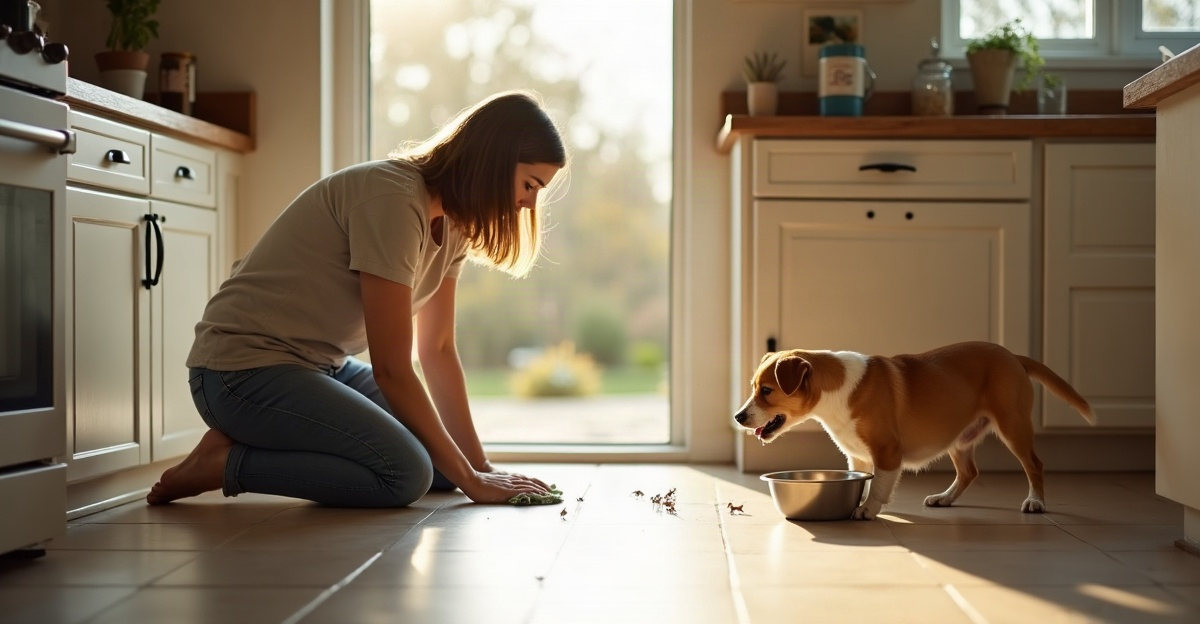
- Wipe ant trails with soap and water to remove scent trails.
- Clean crumbs, spills, grease, and food residue from counters, floors, pet feeding areas, and break rooms.
- Seal pantry goods, snacks, and pet food in secure containers.
- Empty trash regularly and clean bins when needed.
- Remove standing water and check for drips under sinks, near appliances, and around pet water bowls.
- Inspect obvious entry points around doors, windows, utility penetrations, and foundations.
Pay close attention to ants in kitchen spaces and ants around pet food bowls. Avoid leaving pet food out for long periods, especially overnight. Our guide to preventing kitchen ants offers additional practical steps.
Repellent sprays can offer temporary results, but they may also redirect or scatter ant activity rather than eliminate the source. Instead, monitor where ants travel, when activity occurs, and whether trails connect with food, water, entry gaps, or an outdoor nesting area. Those observations help us choose the right next step.
Why Ants Enter Eastern Idaho Homes, Yards, and Businesses
Ants enter properties for accessible food, moisture, shelter, and entry points. Nearby nests, landscaping, irrigation, weather, and building conditions also affect activity. A closer look at what attracts ants can help us identify the pressure points around a property.
Eastern Idaho ant control often requires attention to seasonal conditions. Dry periods can push ants indoors to find moisture around plumbing, appliances, and pet water bowls. At the same time, irrigated lawns, garden beds, mulch, and landscaping can support ant activity close to foundations.
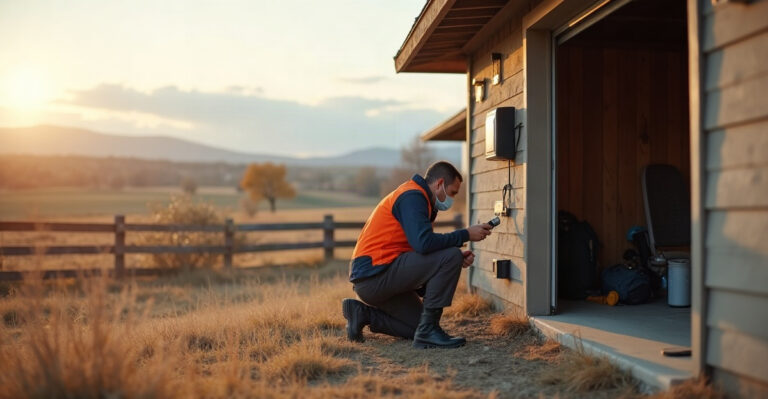
Common problem areas include kitchens, pantries, garages, crawl spaces, sheds, gardens, and foundation edges. Rural properties may also have outbuildings, acreage, stored materials, firewood, or outdoor clutter that creates suitable nesting conditions. Ants in garages and sheds can travel from nearby materials into the main structure, while ants around foundations may indicate entry gaps or nesting activity nearby.
Commercial properties face similar challenges. Break rooms, restaurants, food-storage areas, offices, warehouses, and hospitality properties can all provide food and water. Prompt ant control for small businesses protects daily operations and helps maintain customer confidence.
Different ant species nest in different places. Nests may be in walls, under slabs, near foundations, around landscaping, or in other difficult-to-access spaces. That is why one spray or home remedy will not solve every infestation.
Pet-Conscious Prevention for Kitchens, Yards, Garages, Sheds, and Commercial Spaces
Pet-conscious ant prevention begins with sanitation, exclusion, moisture control, and locating nesting areas. These steps reduce the reasons ants remain on the property and support long-term results.
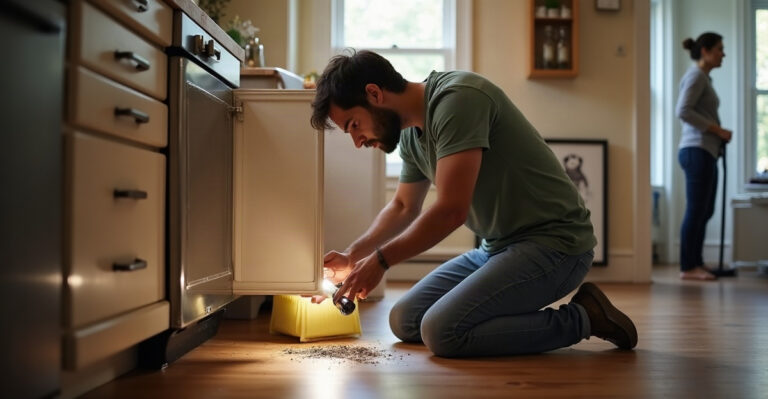
Keep food sealed and clean up spills quickly. Wash pet bowls and feeding mats routinely, and avoid leaving food available longer than needed. Check under sinks, behind appliances, and around water lines for slow leaks. Repair plumbing issues, improve drainage, and correct irrigation leaks that create damp soil near the home.
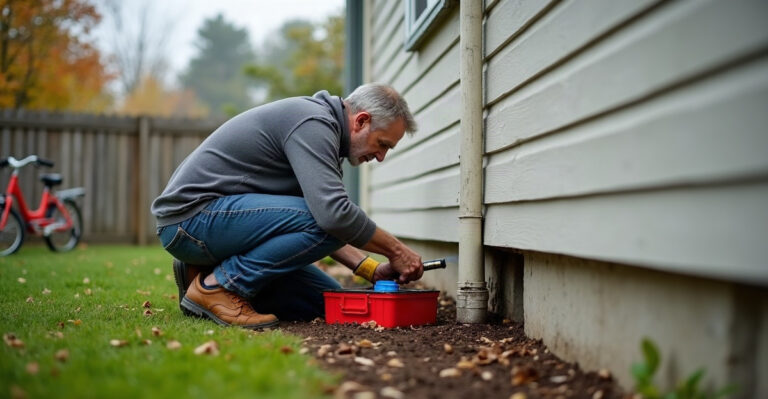
For ant prevention for yards, keep vegetation from touching exterior walls and inspect mulch, garden edges, and landscaping materials near the foundation. Seal cracks around windows, doors, pipes, utility lines, and foundation openings. Reduce outdoor clutter, and inspect firewood, stored materials, sheds, and outbuildings for possible nesting areas.
Ant prevention for garages and sheds also means keeping stored items organized and elevated where practical. Check cardboard, wood, equipment, and items that sit undisturbed for long periods. If potted plants appear connected to activity, use our guidance for ants in potted plants before applying any product near pets.
Commercial teams should maintain clean food-service and break-room areas, manage waste consistently, inspect receiving and storage areas, and address ant activity promptly. These routines help limit disruption before a small issue affects staff, tenants, or customers.
What to Know About DIY Ant Treatments Around Pets
DIY methods can help with minor activity when paired with cleaning, exclusion, moisture reduction, and careful monitoring. They are not guaranteed colony-elimination methods, especially when the nest is hidden or there are multiple entry points.
Vinegar, essential oils, diatomaceous earth, and similar natural ant remedies around pets may produce limited or inconsistent results. They can also create exposure concerns or application problems when misused. “Natural” does not automatically mean pet safe.
Baits may be part of an ant pest control pet safe plan, but only when they are used exactly according to label directions and placed where pets cannot reach them. Pet safe ant bait precautions matter because access, product type, and amount of exposure all affect risk. Do not overapply products, mix pesticides, or use outdoor products indoors.
Common Questions About Ant Treatments and Pets
Are ant treatments safe for dogs and cats? Safety depends on the product, exposure, placement, label directions, and pet access. Products used according to label directions and kept inaccessible to pets present a lower-risk option than products left within reach.
Can we get rid of ants without spraying inside? In many cases, sanitation, sealing entry points, moisture control, and appropriately placed treatments can reduce the need for indoor spraying.
What should we do if a pet gets into ant bait? Contact a veterinarian or an appropriate animal poison-control resource promptly.
Why do ants keep coming back after cleaning? Cleaning removes immediate attractants, but recurring activity can point to an unsealed entry point, moisture source, nearby nest, or colony that has not been addressed. For further prevention help, see how to stop ants from returning.
When Persistent Ant Activity Needs a Professional Assessment
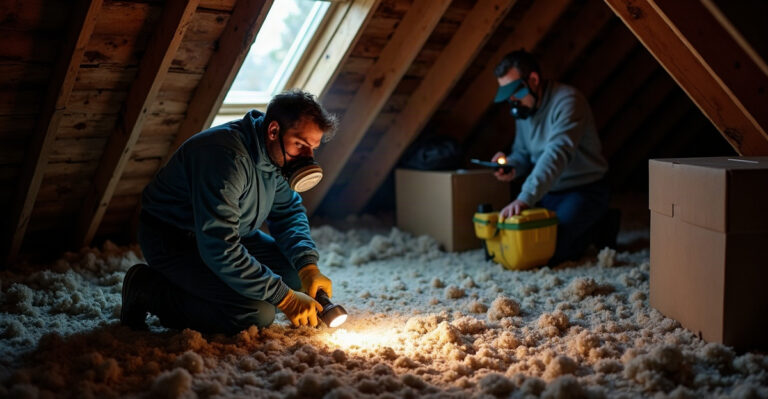
Most ant problems are manageable, but recurring, widespread, or difficult-to-locate activity deserves a professional assessment. We recommend calling for help when trails return after cleanup and prevention efforts, ants appear in multiple rooms, outdoor colonies remain active near structures, or nests may be in walls, under slabs, or around foundations.
Carpenter ant concerns also call for prompt inspection. Carpenter ants may be associated with moisture-damaged wood or structural conditions, but their presence does not automatically mean structural damage is present. A proper carpenter ant inspection helps identify likely nesting conditions and next steps.
Professional pet safe ant control includes inspection, identification of likely entry points, clear communication, and a plan that considers pets, people, property use, and the source of ant activity. This approach is especially useful for kitchens, restaurants, food-storage areas, and businesses where ant activity disrupts operations or affects tenant and customer confidence.
Homeowners and small business owners in Idaho Falls, Twin Falls, Pocatello, Rexburg, Rigby, and nearby communities can contact Falls Pest Services for an assessment when ant activity is persistent or difficult to manage safely. Our Eastern Idaho pest control service areas cover communities throughout the region.
When should we call a professional for ants? Call when prevention and monitoring have not reduced activity, ants are widespread or recurring, nests may be hidden, carpenter ants are suspected, or food-service and business operations are affected.