
How to Prevent Termites in Idaho?
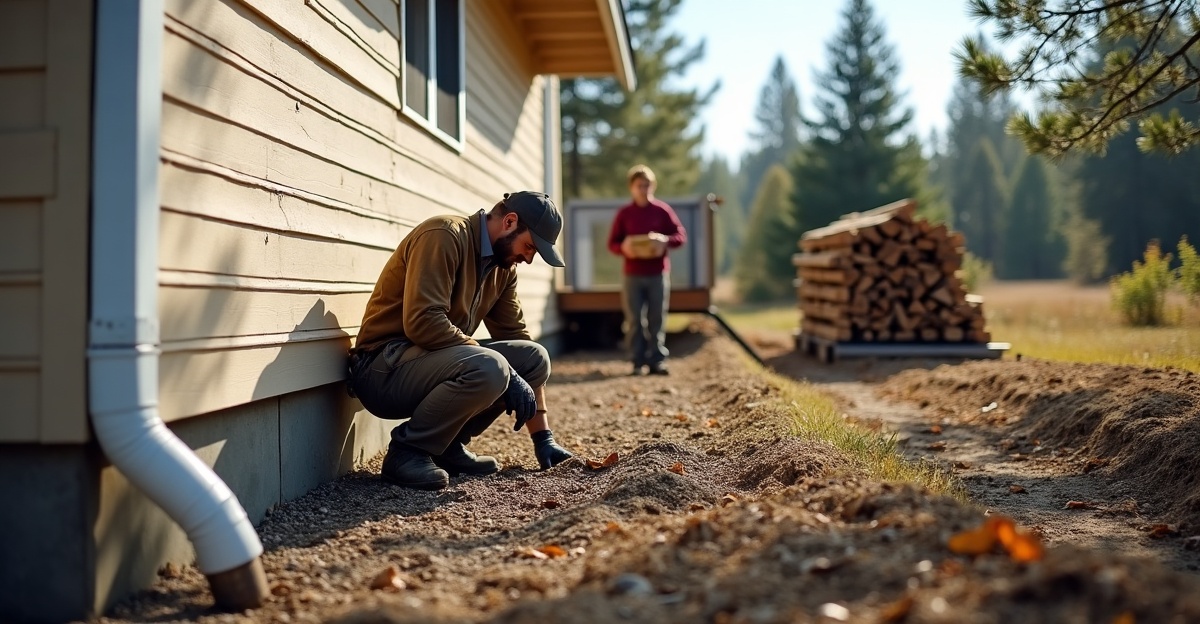
Termite prevention in Idaho starts with moisture control, reduced wood-to-soil contact, and clear foundation access for routine inspections. We recommend maintaining drainage, fixing leaks, storing firewood away from buildings, and checking crawl spaces, decks, siding, and outbuildings for early damage or termite activity.
Key Takeaways
- Direct roof runoff and irrigation away from foundations with functional gutters, downspouts, and correct grading.
- Repair plumbing leaks, damaged siding, rotten wood, and exterior gaps that create damp or hidden entry points.
- Keep mulch, soil, planters, firewood, lumber, and wood debris off the ground and away from exterior wood.
- Inspect foundation edges, crawl spaces, utility openings, decks, fences, sheds, and areas with snowmelt or standing water.
- Schedule a professional inspection if we find mud tubes, swarmers, discarded wings, hollow-sounding wood, or unexplained wood damage.
Quick Termite Prevention Checklist for Idaho Properties
Termite prevention in Idaho starts with simple property care that reduces risk and helps prevent favorable conditions. Termite activity can occur in Idaho, but practical maintenance is sensible preparation, not an emergency by default.
Property Maintenance Checklist
Use these termite control tips as part of regular home or business upkeep:
- Direct water away from the foundation with working gutters, downspouts, and proper grading.
- Repair plumbing leaks, exterior leaks, and moisture concerns in basements and crawl spaces.
- Keep soil, mulch, planters, and landscaping materials from touching wood siding or structural wood.
- Maintain a visible gap between soil and exterior wood components where appropriate.
- Store firewood, lumber, branches, and wood debris off the ground and away from buildings.
- Check decks, steps, fences, sheds, and other wooden features for moisture damage, rot, or ground contact.
- Trim vegetation near walls to improve access and reduce excess moisture.
- Periodically inspect crawl spaces, foundation edges, utility openings, and exterior walls.
- Repair damaged siding, wood rot, cracks, and openings that may create concealed access or moisture concerns.
These steps help prevent termites in a home by reducing moisture and wood-contact issues. They also support early detection during routine maintenance. No maintenance plan can permanently eliminate every pest risk, but consistent care makes a meaningful difference. Learn how property maintenance prevents pests across the property.
Why Moisture and Wood Contact Matter Around Idaho Homes and Businesses
Termites can benefit from moisture, wood-to-soil contact, and hidden access points around a structure. Water does not create termites, but damp conditions can make wood and concealed areas more favorable for pest activity and wood deterioration.
Eastern Idaho properties often have conditions worth monitoring. Irrigation near foundations, snowmelt, roof runoff, poor drainage, crawl spaces, decks, fence posts, woodpiles, rural outbuildings, and acreage can all affect a property’s risk. Knowing why moisture attracts pests helps address the source instead of covering up a symptom.
Functional gutters and downspouts move roof runoff away from the building. Proper grading limits standing water at the foundation. Prompt leak repairs, ventilation, and dry crawl-space conditions help reduce excess moisture around wood components.
Wood contact deserves the same attention. Firewood, lumber, branches, and construction debris should stay off the ground and away from the building. Mulch, soil, and planters should not cover or directly touch siding or structural wood. Deck supports, stairs, fence posts, sheds, and similar features need periodic checks for deterioration and unnecessary ground contact.
Homes may have crawl spaces, irrigation lines, decks, sheds, firewood storage, or outbuildings to inspect. Restaurants, offices, warehouses, rental properties, and hospitality businesses also need regular exterior maintenance. Landscaping, storage areas, leaks, and customer-facing wooden features should receive prompt attention. For ongoing support, our commercial pest control service helps businesses maintain clean, well-monitored properties.
Where to Inspect Around Your Property
A consistent inspection route helps homeowners, property managers, and maintenance teams spot moisture and repair needs early. Start at the foundation edge and look closely where siding meets soil. Keep this area visible whenever possible rather than covering it with deep mulch, stored items, or dense plants.
Next, inspect crawl spaces and basements. Pay attention to plumbing lines, vents, damp areas, and any wood that appears softened or stained. Check exterior utility entry points, cracks, gaps, and openings around pipes, wiring, and other penetrations.
Continue around decks, porches, stairs, railings, fences, garages, sheds, and outbuildings. Examine firewood piles, lumber storage, wood debris, mulch beds, and landscaping near the structure. Finish by checking areas affected by irrigation overspray, snowmelt, standing water, roof runoff, or poor drainage.
Keeping vegetation trimmed and stored materials away from walls makes these visual checks easier. This approach works well for properties in Idaho Falls, Pocatello, Rexburg, Rigby, Twin Falls, and surrounding Eastern Idaho communities. Periodic checks can reveal maintenance concerns, but they do not replace a professional inspection when signs of activity appear. Our residential pest control team can help assess concerns at homes and other residential properties.
Signs That May Point to Termite Activity
Several conditions can indicate termite activity, but no single sign proves an infestation without proper identification. We recommend taking possible evidence seriously and arranging an inspection rather than using a wait-and-see approach.
Watch for narrow, soil-like mud tubes along foundations, crawl-space walls, or other surfaces. Winged swarmers indoors or near a building also deserve attention, as do discarded wings around windows, doors, light fixtures, and entry points. Damaged, blistered, soft, or hollow-sounding wood may indicate a pest or moisture issue. Unexplained damage to trim, flooring, siding, structural wood, decks, or wooden features also warrants a closer look.
Termites are not the only possible cause. Carpenter ants and carpenter bees can damage wood differently than termites. Ongoing moisture can also cause wood rot without insect activity. A professional inspection provides the most reliable next step when the cause is unclear. If small pellet-like material is present around wood, our guide on termite droppings can help identify what may be present, though an on-site evaluation remains important.
When to Schedule a Professional Termite Inspection
Mud tubes, winged swarmers, discarded wings, unexplained wood damage, or soft and hollow-sounding wood merit a professional termite inspection. DIY treatment can delay proper identification and may miss moisture issues or concealed areas that need attention.
Routine maintenance supports prevention and early detection. It does not replace an assessment when evidence of activity is present. Active termite treatment in Idaho should begin with a property-specific inspection and clear identification of the likely pest or damage concern.
A professional assessment should include accessible exterior areas, foundation edges, crawl spaces, moisture concerns, and wood-contact locations. You should receive a practical recommendation based on the property’s actual conditions, with treatment options discussed only when they fit the findings. This is the value of preventative pest control: consistent monitoring and sensible action before small concerns become larger repairs.
If you have noticed mud tubes, swarmers, damaged wood, or another possible sign of termites, contact Falls Pest Services for a professional inspection and a clear recommendation for your Eastern Idaho property. Contact Falls Pest Services to discuss the next step.
Common Questions About Termite Prevention in Idaho
Are termites a problem in Idaho? Termite activity can occur in Idaho, though risk varies by property conditions. Moisture, wood contact, drainage, maintenance history, and concealed access areas all affect a structure’s needs.
What attracts termites to a home? Moisture, plumbing leaks, poor drainage, damp crawl spaces, wood-to-soil contact, wood debris, and hidden entry areas can create favorable conditions around a property.
How can we prevent termites around a foundation? Maintain gutters and downspouts, direct water away from the building, repair leaks, keep mulch and soil away from exterior wood, and preserve visible access to foundation edges where appropriate.
Does storing firewood near a house attract termites? Firewood and lumber should stay off the ground and away from the building. This reduces favorable conditions near the structure and makes stored wood easier to monitor.
What do termite mud tubes look like? They may appear as narrow, soil-like tubes on foundations, crawl-space walls, or other surfaces. Do not disturb a tube or rely on it alone for diagnosis. A professional inspection can determine what is present.
Can we prevent termites ourselves? Homeowners and maintenance teams can manage many non-chemical steps, including drainage, repairs, vegetation trimming, and wood storage. Suspected activity still needs professional assessment. Even with careful upkeep, no property can be completely pest-proofed; learn more about complete pest proofing.
When should we call for a termite inspection in Idaho? Call after finding mud tubes, swarmers, discarded wings, hollow-sounding wood, unexplained damage, or another possible sign of termites.
How do we know whether we have termites or carpenter ants? Termites, carpenter ants, carpenter bees, and moisture-related wood rot can appear similar without close inspection. Professional identification helps avoid treating the wrong problem.
By Falls Pest Services Team
Reviewed by a qualified pest management professional
Last reviewed: August 2026