How to Find Where Mice Are Getting In: Common Entry Points
We find mouse entry points by inspecting small gaps around foundations, doors, utility lines, vents, garages, crawl spaces, and rooflines. We look for fresh droppings, gnaw marks, rub marks, nesting material, and repeated activity near food or water. These signs help us trace mouse routes from exterior gaps to indoor spaces.
Key Takeaways
- Mice can squeeze through openings about ¼ inch wide. We inspect small gaps around building materials, pipes, cables, and doors.
- We start outdoors and check foundations, door sweeps, weatherstripping, garage doors, vents, crawl-space openings, and utility penetrations.
- We follow indoor signs along walls, under sinks, behind appliances, near furnaces, and around plumbing or HVAC openings.
- We wear gloves, ventilate enclosed spaces, and avoid sweeping or vacuuming dry mouse droppings.
- We combine traps, sanitation, and durable exclusion repairs. We call a pest control professional for recurring activity, contamination, or difficult entry points.
Start With the Small Gaps and the Signs That Lead to Them
Mice often enter through small gaps around doors, foundations, vents, utility lines, garages, crawl spaces, and rooflines. Once inside, they can travel through walls, attics, basements, and utility chases to reach food, water, warmth, and nesting areas.
House mice can squeeze through an opening roughly the size of a dime, or about ¼ inch. That small size makes finding where mice are getting in a careful process. There may be several mouse entry points, and one sign alone rarely confirms the exact route.
Fresh droppings, gnaw marks, rub or grease marks along walls, shredded paper or insulation, unusual odors, scratching sounds, and damaged insulation can all help narrow the search. Repeated sightings near kitchens, pet-food areas, water sources, furnaces, or stored goods also point to active travel routes.
In Eastern Idaho, mice often move indoors as temperatures drop and outdoor food becomes less dependable. Still, entry-point problems can happen year-round, especially around garages, storage areas, crawl spaces, and buildings with accessible food or nesting material.
Before inspecting, we recommend wearing gloves and ventilating enclosed spaces where possible. Avoid sweeping or vacuuming dry droppings, which can send contaminated dust into the air. Extensive contamination, hard-to-reach activity, and recurring signs call for professional help.
Inspect the Exterior First: Foundation, Doors, Utilities, and Vents
A complete exterior inspection gives us the best starting point for rodent exclusion. Begin at ground level and move slowly around the entire building perimeter. Include attached garages, patios, decks, porches, utility areas, sheds, and other structures near the home.
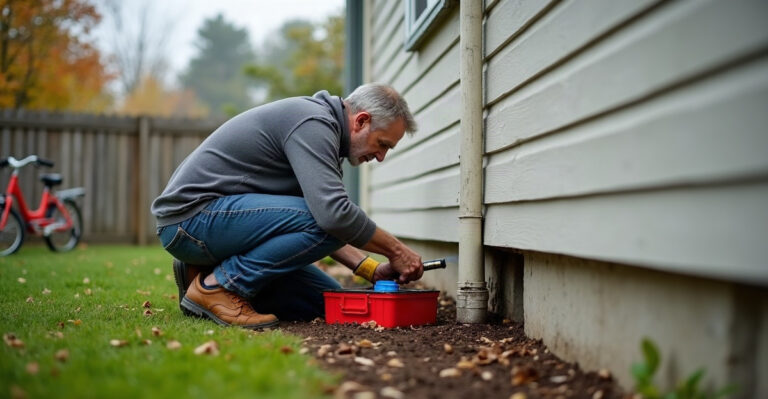
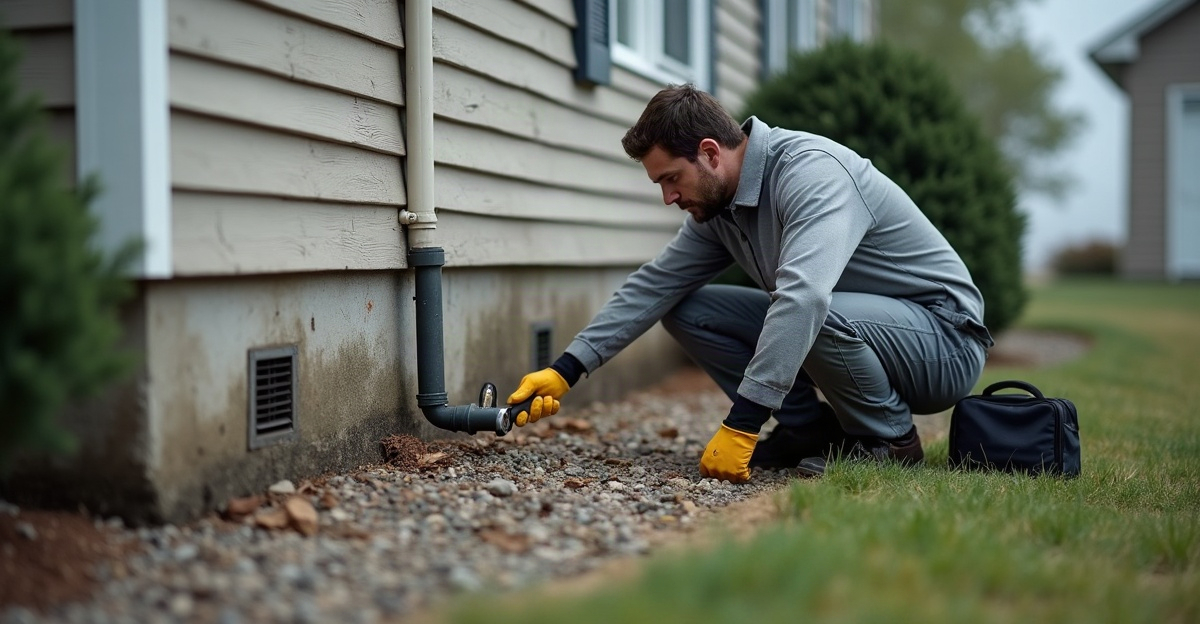
Check the foundation and lower exterior walls for cracks, openings where siding meets masonry, gaps at trim transitions, and spaces around pipes or cables. Mice entering a house through the foundation may leave droppings, gnawing, or dark rub marks near the opening. Pay close attention where different building materials meet, since small shifts can create gaps over time.
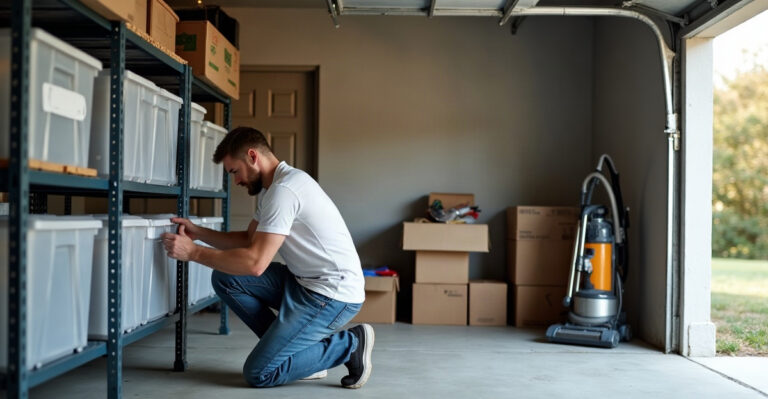
Doors need careful attention. Look for worn door sweeps, daylight below exterior doors, damaged weatherstripping, gaps at corners, and openings around garage-to-home access doors. A garage may shelter mice before they move into wall voids or living areas. Our guide on mice in the garage explains why these spaces often become active first.
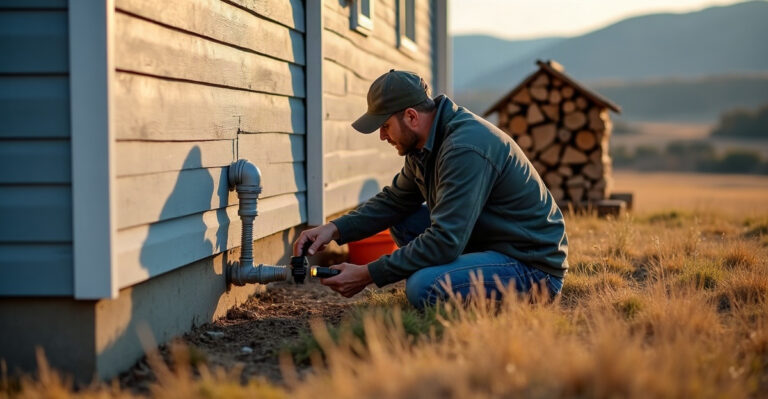
Gaps around utility lines are common mouse entry points. Inspect plumbing lines, gas pipes, HVAC lines, electrical conduits, cable lines, and irrigation connections where they enter the building. A narrow opening around a line can be enough for a mouse to enter.
Check vents and crawl-space openings for damaged screens, loose covers, unprotected gaps, and spaces around ductwork. Crawl spaces deserve special attention because they provide dark, protected travel routes. For added prevention guidance, review keeping rodents out of crawl spaces.
Garages, basements, workshops, barns, sheds, and acreage properties can all provide shelter before mice reach the main structure. Stored feed, birdseed, pet food, cardboard, and clutter make those areas especially attractive.
Check Upper Areas and Exterior Structures Without Taking Unnecessary Risks
Mice can also use upper building openings, especially when trees, stored materials, garages, sheds, or barns provide nearby cover. Inspect visible areas from the ground, including soffits, fascia, roof-to-wall intersections, attic vents, pipe openings, and gaps where roofing or siding materials meet.
A mouse in the attic may have entered at the roofline, through an attached garage, or through an opening that connects wall voids to the attic. We don’t recommend climbing ladders or walking roofs to investigate uncertain gaps. A professional can assess difficult-to-reach roofline damage and complete repairs using safe access methods.
Outbuildings deserve the same attention as the main home. Check for mice in sheds, barns, workshops, and equipment storage areas. Look around doors, foundation edges, vents, feed storage, and stacked materials. Keep stored supplies raised where practical and leave space along walls for inspections.
Commercial rodent exclusion follows the same principles but requires special focus on operational areas. Restaurant operators, office managers, warehouse owners, hospitality teams, and property managers should inspect receiving doors, loading areas, dumpster zones, storage rooms, shared exterior walls, and food or pet-feed storage. Small gaps at delivery doors or utility penetrations can create ongoing activity without disrupting normal operations until the issue grows.
For dependable Eastern Idaho pest control, we focus on the building’s full exterior and the conditions that support repeat activity, rather than treating one visible hole as the whole problem.
Trace Interior Travel Routes to Find Where Activity Is Starting
Finding an exterior opening is important, but it’s only part of the answer. Mice may enter through attached garages, shared walls, attic connections, floor drains, utility chases, or openings around plumbing and HVAC systems. Once indoors, they usually travel close to walls, edges, and protected spaces.
Inspect under sinks, behind refrigerators and stoves, near water heaters and furnaces, inside utility closets, and around pipes or wires passing through cabinets, floors, and walls. Check shared walls and attic connections if activity appears in more than one room. Signs of mice in walls can include scratching sounds, droppings near baseboards, odors, or insulation damage.
Garages, basements, and crawl spaces often reveal the route between exterior entry points and indoor living areas. Look behind stored items and along sill plates for droppings, wall gaps, access-panel openings, damaged insulation, utility chases, and floor drains. A mouse in a basement may be using a foundation gap, a drain area, or a nearby utility opening.
Repeated signs near food, water, warmth, or nesting materials help identify active mouse travel routes. Still, activity in one area doesn’t always show the full route. Mice can move a surprising distance inside walls and ceilings. Our article on common pest hiding places can help us identify overlooked areas around the property.
What to Do After You Find a Possible Entry Point
Effective mouse control includes inspection, active removal or monitoring, sanitation, and exclusion. Setting traps or sealing one visible opening may reduce activity, but those steps alone don’t address every route mice use.
Sealing every opening immediately can sometimes create problems if active mice remain inside. They may find another path or stay trapped in wall voids. A coordinated plan helps us address current activity while we seal mouse entry points in the right order.
Traps for mice can reduce active populations when placed appropriately and safely. They don’t prevent future entry, so combine trapping with sanitation and mouse proofing. Ultrasonic devices, scent repellents, and sprays should not be treated as dependable standalone exclusion methods.
Steps We Can Take Today
Start with these practical actions while inspecting the property:
- Store food and pet food in sealed containers.
- Clean crumbs, spills, and grease promptly.
- Reduce cardboard, clutter, and loose nesting material.
- Move stored items away from walls where possible.
- Inspect door sweeps and weatherstripping for gaps.
- Place traps carefully where children, pets, food-storage areas, and commercial operations won’t be affected.
Foam alone generally isn’t a durable rodent barrier because mice can chew it. The right material depends on the opening and its location. Metal flashing, hardware cloth, copper mesh, and properly fitted door sweeps can all play a role in rodent exclusion. A thorough inspection helps determine which repair will hold up without interfering with ventilation, drainage, or utilities.
When Professional Rodent Exclusion Is the Most Reliable Next Step
Professional rodent exclusion is a practical next step when droppings return after cleanup, signs appear in multiple rooms, or activity occurs in attics, crawl spaces, walls, or other difficult-access areas. We also recommend an inspection for roofline or foundation gaps, extensive contamination, recurring seasonal activity, and any uncertainty about whether mice are still inside.
Commercial settings often need prompt support. Food-handling facilities, restaurants, warehouses, hospitality businesses, receiving areas, and storage operations can’t afford ongoing mouse activity that disrupts employees, customers, inventory, or daily work. Our commercial pest control team can help evaluate conditions while keeping operations in mind.
Falls Pest Services can inspect likely entry points, assess current activity, recommend appropriate exclusion materials and repairs, and create a practical plan for homes and businesses in Eastern Idaho. For home concerns, our rodent control services address active activity and long-term prevention. We also provide rodent control in Twin Falls and nearby communities.
A careful inspection makes mouse control simpler and more reliable. When recurring activity or hard-to-reach gaps make the route unclear, contact Falls Pest Services for a calm, professional assessment.