Pest Prevention Checklist for New Homeowners
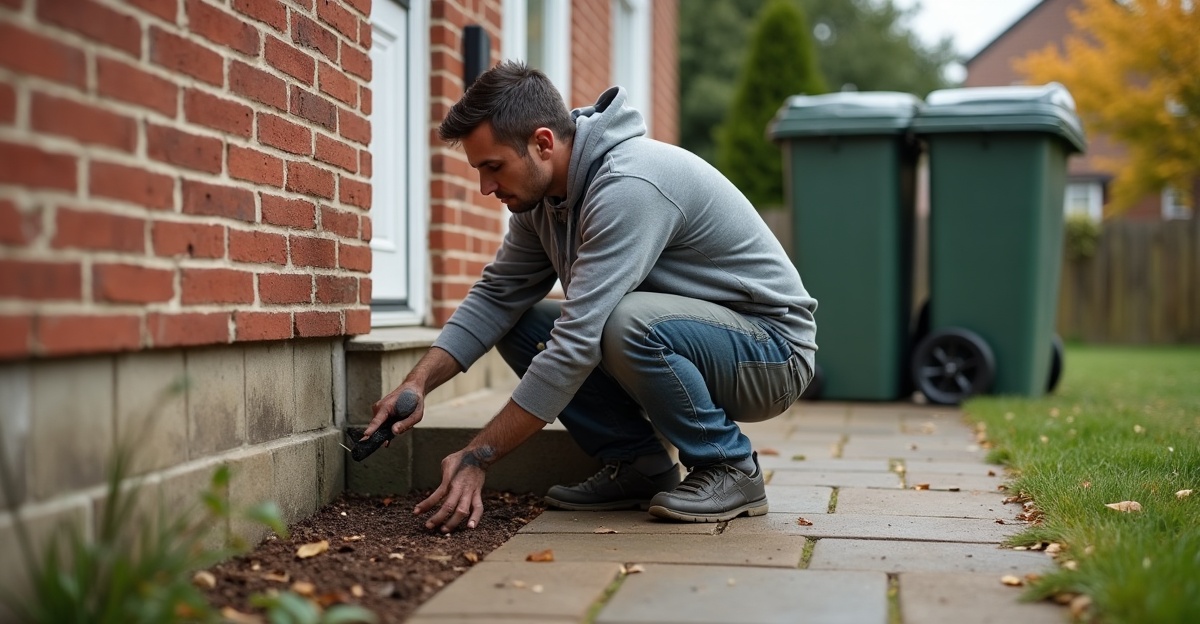
A homeowner pest checklist helps us reduce pest access. We seal entry points, protect food, control moisture, and organize storage areas. Monthly inspections and seasonal checks help us spot gaps, leaks, drainage problems, and early warning signs. These signs include droppings and gnaw marks. Early action keeps pest problems easier to manage.
Key Takeaways
- Seal gaps near pipes, utility lines, vents, doors, garage doors, and foundation openings to reduce pest entry.
- Store pantry items, pet food, birdseed, and other food sources in sealed containers. Keep garbage bins covered.
- Repair leaks, improve drainage, remove standing water, and dry damp areas near sinks, appliances, basements, and crawlspaces.
- Keep firewood, vegetation, debris, and stored materials away from the home where possible. Reduce clutter in garages, sheds, and storage areas.
- Contact a pest professional if signs return, increase, appear in several rooms, cause damage, or create safety risks.
Start Here: Do This First in Your New Home
A single spider, fly, or outdoor insect indoors does not automatically signal an infestation. This homeowner pest checklist helps reduce access to food, water, shelter, and entry points while making early activity easier to spot.
First-home pest prevention lowers risk, but no home can be guaranteed completely pest-free. Properties differ widely. Older homes, apartments, rural properties, acreage, garages, sheds, crawlspaces, pet areas, firewood storage, and outbuildings often need extra attention. Learn why new homes need pest control even when they appear clean and well maintained.
Do This First
Start with these high-impact homeowner pest tips:
- Inspect and seal visible gaps around pipes, utility lines, vents, doors, and foundation openings.
- Replace worn door sweeps, repair damaged screens, and close gaps around garage doors.
- Move pantry goods and pet food into sealed containers.
- Repair leaks, remove standing water, improve drainage, and dry damp areas.
- Keep firewood, lumber, and stored materials away from the exterior where practical.
- Reduce clutter in garages, basements, sheds, crawlspaces, and storage areas.
- Check for droppings, gnaw marks, nesting material, insect activity, and damaged food packaging.
These steps matter because small exterior gaps can admit rodents and insects. Leaks and condensation offer moisture, while crumbs, unsealed food, pet food, and garbage create steady food sources. Regular upkeep is one of the most effective forms of property-based pest prevention.
Indoor Pest Prevention Checklist: Food, Water, and Early Warning Signs
Check kitchens, pantries, bathrooms, laundry rooms, basements, and crawlspaces regularly. Focus on food access, moisture, and pest warning signs. Store dry goods, pet food, birdseed, and livestock feed in sealed food containers where applicable. Wipe crumbs, food spills, and grease from counters, floors, appliances, and cabinets.
Keep garbage covered and empty it routinely. Rinse recyclable containers that hold food residue. Check beneath sinks, behind appliances, near water heaters, and in laundry areas for dripping faucets, leaking pipes, condensation, or damp materials. A small leak can support persistent insect or rodent activity.
Make sure windows close fully and screens have no tears. Limit indoor clutter, especially in storage areas, since quiet, crowded spaces can create shelter and make monitoring harder. For a closer look at places that deserve attention, review these common pest hiding places.
Watch for repeated or increasing droppings, gnaw marks, damaged packaging, nesting material, visible insects, or recurring noises in walls, attics, and crawlspaces. We recommend exclusion, sanitation, moisture control, proper storage, and monitoring before relying on do-it-yourself pesticide treatments, particularly in homes with children and pets. These practical habits help prevent pests in a new home safely and consistently.
Exterior, Garage, Shed, and Yard Checklist: Close Entry Points and Reduce Shelter
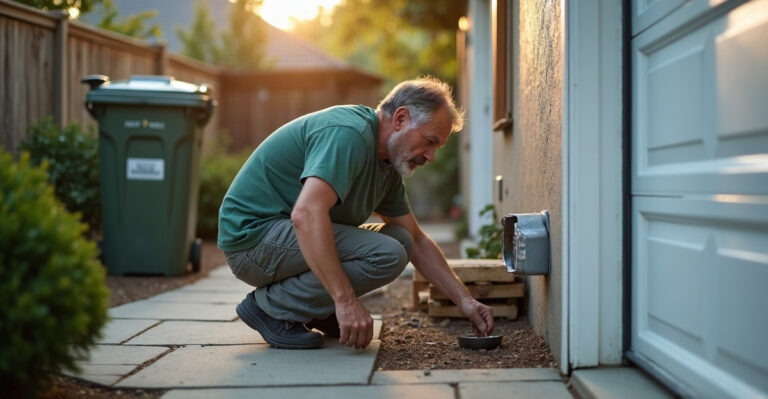
Inspect pest entry points around utility lines, pipe penetrations, foundation openings, vents, windows, doors, weatherstripping, and garage doors. Seal gaps around pipes and utility lines with suitable materials. Confirm that doors close tightly and that garage doors meet the ground and side tracks evenly without visible openings.
Repair torn screens and check vents, crawlspace openings, and exterior access panels. Good rodent exclusion starts outside, where mice and other pests look for the easiest path indoors. While no method can fully pest-proof a home, consistent repairs greatly reduce access.
Trim vegetation away from the structure where practical. Dense plants, debris, stacked materials, and woodpiles provide shelter close to the house. Firewood does not necessarily cause a pest problem, but it can give insects and rodents a protected place to rest or nest. For dependable firewood pest prevention, store firewood away from the home’s exterior when possible and avoid bringing a large amount indoors far in advance of use.
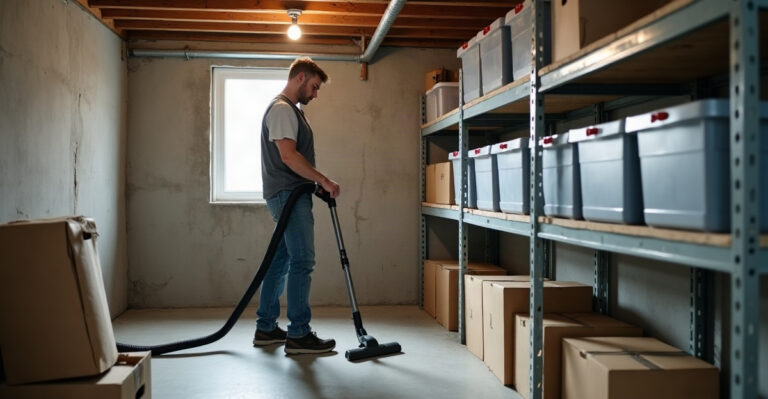
Maintain drainage away from the foundation. Check gutters, downspouts, snowmelt runoff, damp soil, standing water, and wet areas near crawlspaces. In garages, sheds, barns, and outbuildings, keep stored items organized and raised where practical. Avoid leaving pet food, birdseed, livestock feed, or other food sources accessible.
Garage pest prevention is especially important for Eastern Idaho homes with acreage, pet areas, barns, sheds, firewood piles, or animal feed. Cluttered storage spaces offer quiet shelter and make new droppings, gnawing, or insect activity harder to find. Consistent Eastern Idaho pest prevention protects the home and makes inspection simpler.
Monthly and Seasonal Pest Prevention for Eastern Idaho Homes
A recurring schedule works better than a single inspection. Each month, inspect door sweeps and screens, look under sinks and around appliances for leaks, review food and pet-food storage, clear excess clutter from storage areas, and check for new droppings, gnaw marks, insect activity, or damaged packaging.
Recheck exterior gaps, garage-door seals, vents, foundation openings, and utility-line entry points after repairs, landscaping work, storms, or weather-related damage. Older homes and properties with garages, sheds, acreage, or pet areas benefit from extra checks.
Fall and winter rodent prevention deserves special attention. Rodents are often more noticeable in Idaho homes during colder fall and winter weather because they look for warmer shelter and dependable food. Before temperatures drop, inspect exterior gaps, door sweeps, garage doors, sheds, crawlspaces, and stored food.
Spring moisture pest prevention starts with snowmelt and drainage. Check gutters, downspouts, standing water, foundation drainage, leaks, and condensation around crawlspaces. During summer, trim dense vegetation, manage outdoor debris and stored materials, inspect screens, and watch for stinging insects around frequently used outdoor areas.
For homes that need ongoing support, preventative pest control can add routine monitoring and professional guidance to regular home maintenance.
Signs It May Be More Than a Prevention Issue
Occasional activity may respond well to cleaning, exclusion, and monitoring. Persistent, widespread, or potentially unsafe signs call for a closer evaluation. Knowing when to call pest control can prevent a small concern from becoming harder to manage.
Contact a professional sooner when rodent droppings and gnaw marks repeat or increase; chewed wiring, damaged insulation, or nesting material appears; rodents are active in multiple rooms; or noises continue in walls, attics, or crawlspaces. Recurring cockroach activity, especially in kitchens, bathrooms, or multiple areas, also deserves prompt attention.
We also recommend help if pests appear in several rooms despite cleaning and exclusion work, or if a stinging insect nest sits near doors, decks, eaves, play areas, or other high-use spaces. Uncertainty about pest identification and concerns involving children, pets, allergies, or household safety are good reasons to call.
A professional inspection can identify hidden entry points, determine whether signs are old or active, identify the pest accurately, and recommend the right next step. Falls Pest Services offers residential pest control services for recurring concerns and prevention needs. For specific activity, we can provide focused rodent control, ant control, cockroach control, or spider control.
Common New-Home Pest Questions and Local Support
New homeowners should first check visible gaps, door sweeps, screens, food storage, leaks, drainage, clutter, and early signs such as droppings or gnaw marks. The most common ways pests enter are gaps around pipes and utility lines, foundation openings, vents, garage doors, worn weatherstripping, damaged screens, and poorly sealed doors.
A monthly visual check is a practical baseline. Add seasonal checks before fall and after spring snowmelt, drainage changes, repairs, or storm damage. Firewood piles can provide shelter near a home, so keeping them away from the exterior is a sensible preventive step.
Prevention steps are appropriate for isolated, minor activity. Professional support makes sense for repeated, increasing, multi-room, hard-to-identify, or potentially unsafe pest activity. If recurring signs are appearing, entry points are unclear, or a professional set of eyes would help, Falls Pest Services can provide a local evaluation and practical prevention plan. Reach out through our contact page to discuss reliable pest control support for Idaho Falls, Pocatello, Rexburg, Rigby, Twin Falls, and surrounding Eastern Idaho communities.