How to Get Rid of Spiders in Your Basement and Keep Them Out?
We get rid of spiders in basement areas by safely removing visible spiders, webs, and egg sacs. We also reduce clutter, moisture, and the insects that spiders eat. For lasting prevention, we seal gaps around foundations, windows, doors, and utility lines. This limits entry points and hiding places.
Key Takeaways
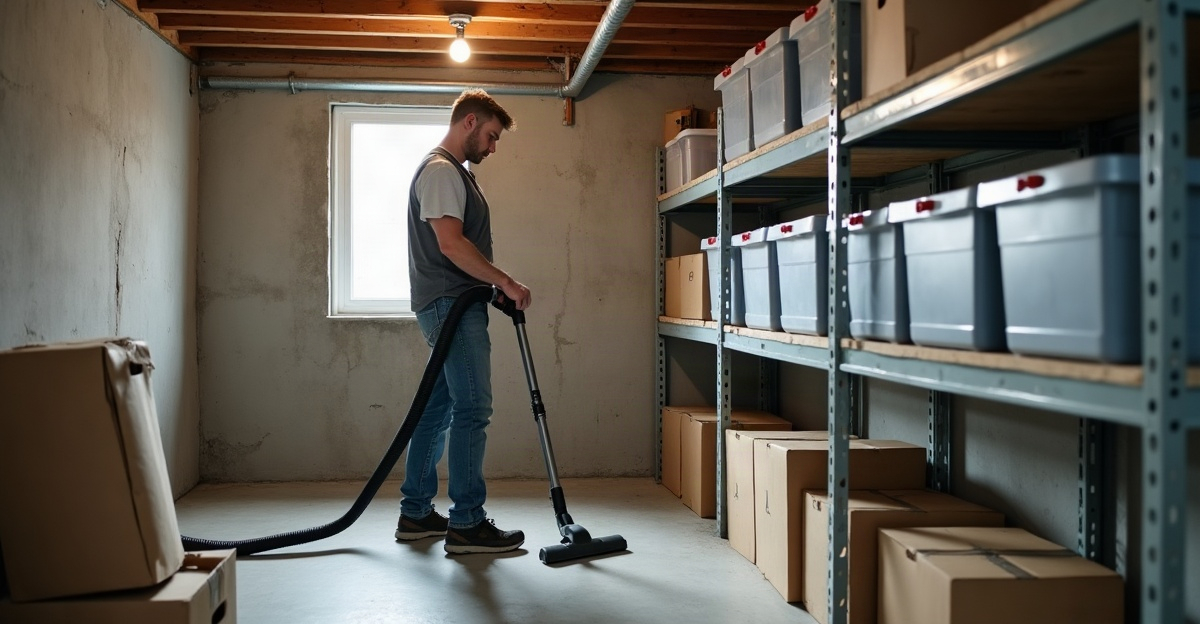
- We avoid handling unknown spiders directly. We vacuum spiders, webs, and egg sacs with a crevice attachment. Then, we promptly dispose of the vacuum contents.
- We replace cardboard boxes with sealed plastic bins. We keep stored items elevated and leave space along walls for cleaning and inspection.
- We reduce moisture by fixing leaks, condensation, drainage problems, and damp storage conditions.
- We seal foundation cracks and gaps around windows, doors, pipes, wiring, vents, and other utility entry points.
- We inspect for flies, ants, beetles, crickets, and other insects. Recurring spider activity can signal an available food source.
Why Spiders Commonly Appear in Basements
Basements often provide the conditions spiders prefer. These spaces can be dark, quiet, humid, and filled with undisturbed storage areas.
Spiders may also find plenty of prey in basements. Flies, ants, beetles, crickets, and other insects can enter through small cracks and gaps. Where insects gather, spiders may follow.
A complete pest control approach looks at both the spiders and the conditions attracting them. Simply removing one web may not solve the problem if insects and entry points remain.
Look for Common Spider Hiding Places
Spiders often choose areas where they are less likely to be disturbed.
Check:
- Behind storage boxes
- Near basement windows
- Along ceiling corners
- Around floor joists
- Behind appliances
- Near utility lines
- Around sump pumps
- Beneath shelving
- Inside unused cabinets
- Near foundation cracks
Regular inspection makes it easier to notice new activity before webs and egg sacs become widespread.
How to Get Rid of Spiders in Basement Areas Safely
When learning how to get rid of spiders in basement spaces, start with simple removal and cleaning.
Vacuuming can remove spiders, webs, and egg sacs without requiring direct contact. Use a crevice attachment for corners, wall edges, window frames, and other tight spaces.
Dispose of the vacuum contents promptly after cleaning.
Professional spider control can help when activity continues despite regular cleaning and prevention efforts.
Remove Webs Regularly
Old webs make basement areas look neglected and can make it harder to notice new spider activity.
Remove webs from:
- Ceiling corners
- Windows
- Door frames
- Pipes
- Shelving
- Floor joists
- Utility equipment
Checking these locations every few weeks can help you spot patterns. If new webs keep appearing in the same location, nearby insects or entry points may be supporting the activity.
Reduce Basement Clutter
Clutter gives spiders more places to hide.
Cardboard boxes are especially common in basements, but they can create dark gaps and sheltered spaces. They may also attract other insects.
Replace cardboard with sealed plastic containers whenever practical.
Store Items Off the Floor
Elevating storage makes cleaning and inspection easier.
Keep bins on shelving rather than directly against walls or floors. Leave a small gap between storage units and the wall so you can inspect behind them.
Avoid piles of:
- Newspapers
- Clothing
- Firewood
- Paper bags
- Empty boxes
- Old furniture
An organized basement provides fewer undisturbed spaces where spiders can build webs.
Control Moisture and Humidity
Damp basements can support insects that spiders eat.
Moisture may come from plumbing leaks, foundation seepage, condensation, poor drainage, or high indoor humidity.
Fixing these problems can make the basement less attractive to both spiders and their prey.
Check for Moisture Sources
Inspect:
- Plumbing lines
- Water heaters
- Sump pump areas
- Basement windows
- Foundation walls
- Floor drains
- HVAC equipment
A dehumidifier may help in consistently damp basements, but it should not replace repairs for active leaks or drainage problems.
Reducing moisture is especially important when basement pest activity includes insects that prefer humid environments.
Seal Spider Entry Points
Spiders can enter through surprisingly small openings.
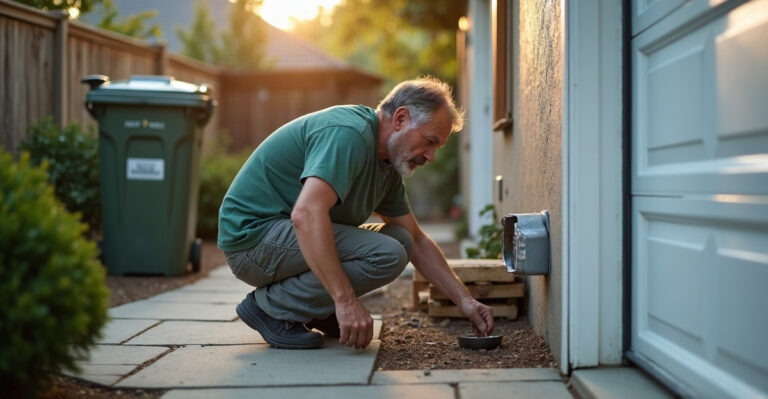
Inspect the foundation and lower exterior of the home for gaps that connect outdoor spaces to the basement.
Common entry points include:
- Foundation cracks
- Window gaps
- Door gaps
- Pipe penetrations
- Cable openings
- Utility lines
- Vents
- Damaged screens
A residential pest control inspection can help identify pest entry points that may be easy to overlook.
Check Basement Doors and Windows
Doors and windows often develop small gaps over time.
Check weatherstripping and door sweeps. Replace damaged screens and repair loose window frames when needed.
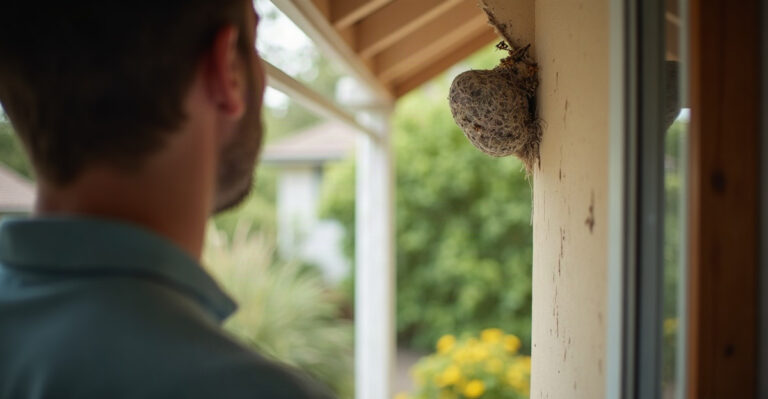
Basement window wells should also remain clear of leaves and other debris that can provide shelter for insects and spiders.
Reduce the Insects Spiders Feed On
A basement with many spiders may also have another pest issue.
Spiders depend on insects and other small arthropods for food. If prey is abundant, removing spiders alone may only provide temporary relief.
Look for signs of:
- Ants
- Flies
- Beetles
- Crickets
- Moths
- Small crawling insects
Reducing these pests can make the basement less appealing to spiders.
Keep Food and Waste Controlled
Basements sometimes contain pet food, stored pantry items, recycling, or garbage.
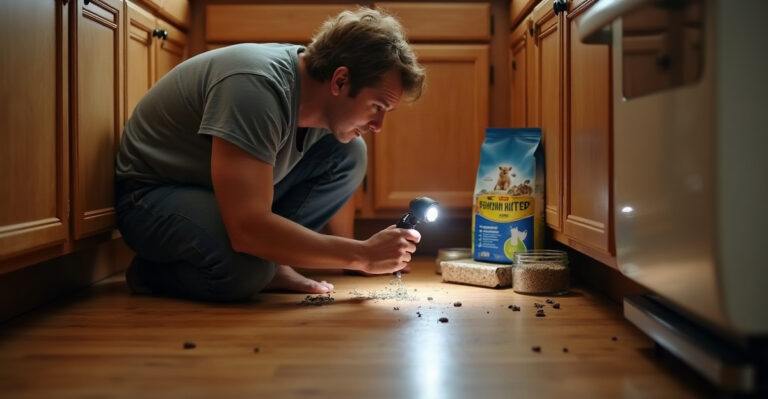
Store food in sealed containers and clean spills quickly. Avoid leaving open pet-food bags or loose organic material in storage spaces.
If pest activity continues throughout the home, broader pest management may be needed rather than treating only the basement.
Improve Basement Cleaning and Inspection
Regular cleaning makes spider activity easier to control.
Vacuum along baseboards, behind shelving, and around windows. Dust areas that are normally ignored.
Move lightweight storage items occasionally so hidden corners can be inspected.
Create a Simple Inspection Routine
Every few weeks, check:
- Ceiling corners
- Window frames
- Foundation walls
- Storage shelves
- Behind appliances
- Utility entry points
Look for new webs, egg sacs, insects, or gaps.
Catching problems early usually makes prevention easier.
Be Careful Around Unknown Spiders
Most homeowners cannot identify every spider species accurately.
Avoid picking up spiders with bare hands. Do not place your hands into boxes, dark corners, or other hidden spaces without checking first.
Wear gloves when moving stored items that have remained untouched for long periods.
If you find a spider you cannot identify, avoid close contact and remove it with a vacuum or contact a pest professional.
When Should You Call a Pest Professional?
Seeing an occasional spider does not always mean there is a serious infestation.
However, repeated activity can point to entry problems or another pest population in the basement.
Consider professional help if:
- Spiders appear regularly
- Many webs return after cleaning
- Egg sacs are common
- Spiders appear throughout several rooms
- Other insects are abundant
- You cannot find the entry points
- You are concerned about an unknown spider species
Falls Pest Services can inspect the property and look for the conditions contributing to spider activity.
Can Spiders Become a Problem in Commercial Basements?
Yes. Storage rooms, utility spaces, maintenance areas, and lower levels of commercial buildings can also provide shelter for spiders.
Recurring webs can create maintenance concerns and may signal another insect problem.
Professional commercial pest control can help businesses address both spider activity and the pests that may be supporting it.
Routine inspections are especially useful in areas that employees rarely enter.
How to Help Keep Spiders Out Long Term
Long-term spider prevention requires several steps working together.
Cleaning alone may remove existing webs. Sealing alone may reduce entry. Moisture control may reduce prey.
Combining all three creates a stronger approach.
Focus on:
- Removing webs and egg sacs
- Reducing clutter
- Repairing leaks
- Lowering excess humidity
- Sealing entry points
- Controlling other insects
- Inspecting regularly
The goal is to make the basement less attractive and less accessible.
Get Help With Basement Spider Problems
Knowing how to get rid of spiders in basement areas starts with understanding why they are there.
Spiders may enter through foundation gaps, windows, doors, vents, and utility openings. They may stay because the basement offers shelter, moisture, and a steady supply of insects.
Removing visible spiders can help, but lasting prevention also requires attention to the conditions supporting them.
Falls Pest Services can inspect spider activity, look for pest entry points, and identify other insects that may be contributing to the problem.
If spiders continue appearing despite cleaning and sealing efforts, contact us to discuss professional pest control options.
Frequently Asked Questions About Spiders in Basements
Why do I keep finding spiders in my basement?
Basements often provide dark, quiet, and humid conditions. They may also contain insects that spiders use as food. Entry gaps around foundations, windows, doors, vents, and utility lines can allow spiders to move inside.
What is the fastest way to remove spiders from a basement?
Vacuum visible spiders, webs, and egg sacs using a crevice attachment. Dispose of the vacuum contents promptly. Then inspect the area for moisture, clutter, insects, and entry points that may be contributing to recurring activity.
Does cleaning the basement help keep spiders away?
Yes. Regular vacuuming and removing clutter reduce hiding places and webs. Cleaning also makes it easier to see insect activity, egg sacs, cracks, and other conditions that may attract spiders.
Should I seal cracks if spiders are entering my basement?
Sealing cracks and gaps can help reduce future entry. Inspect foundations, windows, doors, vents, pipes, wiring, and utility lines. Address active pest problems before sealing areas where insects may already be living inside structural spaces.
When should I call pest control for basement spiders?
Consider professional help when spiders return frequently, egg sacs appear repeatedly, other insects are abundant, or you cannot identify where pests are entering. Professional inspection can help address both the spiders and the conditions supporting them.