
What Attracts Mosquitoes To Your Yard?
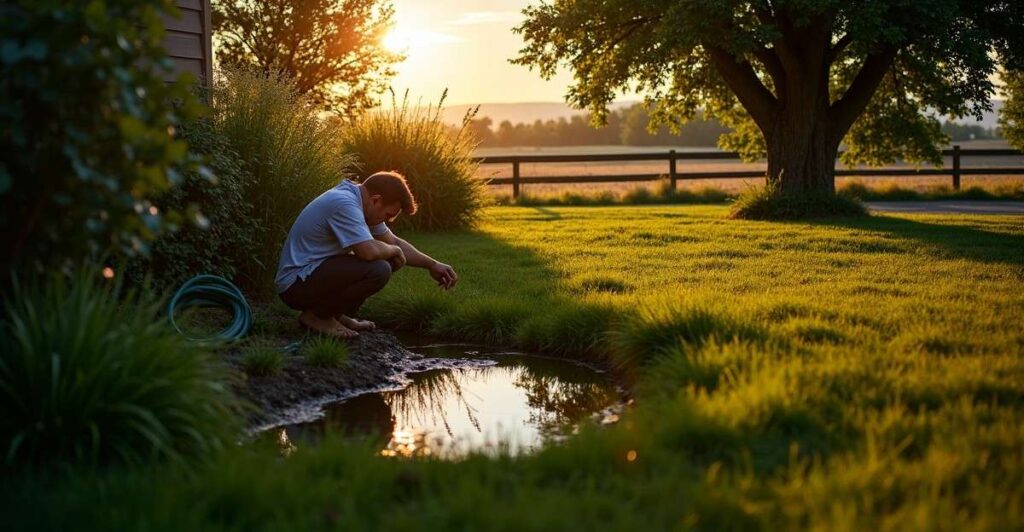
Understanding what attracts mosquitoes to our yard starts with recognizing how Eastern Idaho’s snowmelt, irrigation, and rising temperatures speed up breeding cycles in as little as 7–10 days. We see even small pockets of standing water, shaded landscaping, and nearby canals or farmland quickly shift a quiet lawn into an active mosquito zone. Warm days and cool evenings give them ideal conditions to multiply fast.
Key Takeaways
- Standing water drives mosquito activity, and as little as 1/4 inch supports breeding.
- Mosquitoes develop fast in warm weather, which allows populations to spike within a week.
- Shade, dense shrubs, tall grass, and damp resting areas help adult mosquitoes stay cool and active near our home.
- We conduct weekly inspections during mosquito season to spot hidden water sources and moisture buildup before populations grow.
- We handle minor issues with consistent prevention, but properties near canals, farmland, or retention ponds often need professional mosquito control for dependable relief.
Why Mosquitoes Suddenly Take Over Your Yard in Eastern Idaho
Mosquito problems often spike fast during Eastern Idaho mosquito season. Late spring snowmelt, steady irrigation, and rising temperatures create ideal conditions almost overnight.
In warm weather, mosquitoes can go from egg to biting adult in as little as 7–10 days. That short cycle explains why mosquitoes are in my yard is such a common concern once temperatures climb. A small patch of water can turn into a full hatch in just over a week.
Standing water mosquitoes need is surprisingly minimal. Even 1/4 inch of standing water is enough for breeding. Irrigation overspray, drainage ditches, and low spots that collect runoff after storms all answer what attracts mosquitoes to residential properties in our region.
Sudden population jumps are usually tied to three things:
- Temperature swings
- Nearby water sources
- Hidden mosquito breeding areas on the property or neighboring lots
Local canals, retention ponds, and farmland around Idaho Falls, Twin Falls, Pocatello, Rexburg, and Rigby can add steady pressure. Once adult mosquitoes emerge, they settle in fast and stay close to reliable moisture.
Standing Water: The #1 Reason Mosquitoes Are in Your Yard
Standing water is the primary driver behind what attracts mosquitoes. Female mosquitoes lay eggs directly on or near still water. Once those eggs hatch, larvae remain in the water until they mature.
Common mosquito breeding areas around homes include everyday yard items. Water that sits longer than a few days becomes productive, especially during warm stretches.
Typical Trouble Spots
- Birdbaths
- Kiddie pools
- Buckets and wheelbarrows
- Flowerpot saucers
- Clogged gutters
- Irrigation puddles
Snowmelt combined with routine lawn watering often leaves hidden pockets of moisture near foundations and under landscaping. That thin strip of damp soil along a fence line or behind shrubs can explain why mosquitoes are in my yard even when we don’t see obvious pools.
Property owners often ask, do mosquitoes breed in yard water if it dries quickly. The answer is yes, if it stays long enough for larvae to develop. In peak summer heat, that may only take a few days. That’s why consistency matters more than occasional cleanup.
Shade, Dense Landscaping, and Neglected Corners
Water draws mosquitoes in, but shade keeps them comfortable. During the heat of the day, they rest in cool, sheltered areas. Dense shrubs, tall grass, overgrown hedges, woodpiles, and shaded fence lines create ideal hiding spots.
Thick vegetation combined with sprinkler overspray forms a damp, protected zone. This combination often explains what attracts mosquitoes even in yards without visible standing water.
Neglected areas behind sheds, under decks, and along drainage paths often go unnoticed. These sections of the yard trap humidity and block airflow. Mature landscaping and wind barriers common in Eastern Idaho neighborhoods can also hold moisture near the ground.
Questions about why mosquitoes are in my yard often lead us to these resting areas. Adults may have developed in nearby mosquito breeding areas and then chosen a shaded portion of the property to settle. Once they find shelter, they remain close to that resting zone and bite when conditions are right.
Your Property Checklist: Areas to Inspect Today
Regular inspections during Eastern Idaho mosquito season help prevent small issues from turning into large ones. We recommend walking the property weekly from late spring through early fall.
Weekly Inspection Focus Points
- Gutters for clogs and proper drainage
- Pooling water near downspouts and foundation edges
- Birdbaths, refreshed every few days
- Containers stored upside down
- Sprinkler heads causing consistent puddling
- Drainage swales and nearby canals common in local neighborhoods
Many homeowners ask why there are so many mosquitoes in my yard all of a sudden. The answer is often a recent storm, a change in irrigation patterns, or a new water source nearby. For more detail on post-rain increases, see why bugs appear after rain and how moisture affects insect activity.
Mosquitoes can travel, but many species stay relatively close to their breeding site, often within a few hundred yards. That means the source is frequently on the property itself or next door.
Another common question is whether mosquitoes can breed without standing water. They need moisture, even small amounts. Damp soil, clogged drains, and containers with residue water all qualify as standing water mosquitoes can use.
Eastern Idaho mosquito season typically runs from late spring through early fall. Warm summers keep development cycles short. That’s why routine checks help answer why mosquitoes are in my yard before numbers get out of hand. Regular service plans, explained in what is preventative pest control, often stop problems before peak season hits.
Prevention Steps That Make a Real Difference
Effective mosquito prevention Eastern Idaho properties rely on focuses on steady, practical action. Small tasks done consistently produce better results than one-time cleanup.
Remove standing water at least once a week. Empty containers, reset birdbaths, and adjust irrigation to stop puddling. Repair leaky outdoor faucets that keep soil constantly wet.
Keep lawns trimmed and shrubs thinned. Increased airflow and sunlight dry out potential mosquito breeding areas. Clean gutters seasonally and again after heavy storms. If low spots hold water, improve drainage with soil grading.
Outdoor fans reduce mosquito landing by disrupting their flight. Properly fitted window and door screens limit entry into living spaces.
Some homeowners ask if treatments affect vegetable beds or landscaping. We address those concerns clearly in are pest treatments safe for gardens, outlining how responsible applications protect plants while reducing insect pressure.
DIY steps often work well for minor issues or early-season activity. Consistency is the key factor. Once populations build, additional help may be necessary.
When Professional Mosquito Control Is the Right Next Step
Recurring problems usually point to hidden or neighboring mosquito breeding areas. Properties near canals, farmland, retention ponds, or unmanaged lots often experience heavier seasonal pressure.
Peak summer populations can overwhelm even well-maintained yards. In those situations, professional mosquito control in Twin Falls and across Eastern Idaho can provide focused relief. Treatments target adult resting areas and breeding zones in a safe, efficient manner.
Our mosquito control services are structured for local conditions. We focus on shaded harborage zones, foliage, and areas where standing water mosquitoes are most likely to develop. Applications are family- and pet-conscious, and we schedule promptly during peak months.
If questions remain about what attracts mosquitoes or why mosquitoes are in my yard despite prevention efforts, we’re ready to help. As a locally owned company serving neighborhoods across our service area, we understand the seasonal patterns specific to Eastern Idaho.
Clear communication and steady service make a difference. When prevention steps aren’t enough, contact our team and we’ll walk through practical options that fit the property and reduce mosquito pressure with confidence.