Common Pests Found In Commercial Buildings
Pests create ongoing challenges for commercial buildings across Eastern Idaho. We see consistent pressure in offices, warehouses, retail stores, restaurants, and hospitality properties because these spaces offer food, moisture, shelter, and easy entry points. Rodents, cockroaches, ants, flies, spiders, and wasps each target different areas inside a facility. We address them with inspection-driven strategies that protect operations, staff, and customers.
Key Takeaways
Rodents, ants, cockroaches, spiders, flies, and wasps are the most common pests found in commercial buildings, each drawn to specific conditions like food residue, storage areas, or exterior entry points.
We find that every species responds to a different trigger. Rodents search for warmth and hidden nesting sites. Ants and cockroaches track food residue and moisture. Flies gather near drains and trash zones. Wasps focus on exterior gaps and rooflines. We identify these patterns early so we can act with precision.Seasonal changes in Eastern Idaho increase pest pressure, with rodents moving indoors in colder months and insects becoming more active in spring and summer.
Cold weather drives mice and rats inside where heat and food remain steady. Spring and summer spark activity from ants, flies, and stinging insects. We adjust monitoring schedules with the seasons to stay ahead of these shifts. Proactive service reduces surprises.Early warning signs such as droppings, gnaw marks, insect trails, unusual odors, and repeated sightings should be addressed before infestations grow.
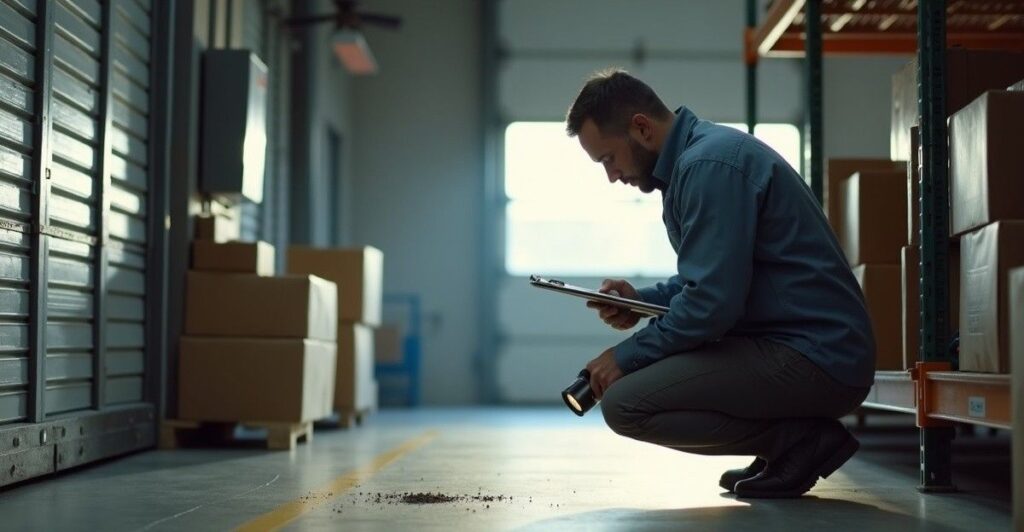
Small clues signal larger problems. Droppings along walls often point to rodent travel routes. Grease marks and chew damage reveal nesting zones. Odors may indicate hidden activity behind equipment or inside wall voids. We respond quickly because fast action limits disruption and cost.Different industries face different risks, with offices, warehouses, retail spaces, and restaurants each requiring customized monitoring and treatment strategies.
Office buildings often deal with ants, spiders, and occasional rodents. Warehouses attract pests through loading docks and stored goods. Retail spaces must protect brand reputation in high-traffic areas. Restaurants face strict health standards and constant food exposure. We build service plans around each facility’s layout, traffic flow, and compliance needs.Professional pest control focuses on thorough inspections, targeted treatments, ongoing monitoring, and clear communication to support safety, compliance, and long-term prevention.
We start with a detailed inspection of interiors, exteriors, and structural gaps. Our team applies focused treatments where pests live and travel. Technicians document findings and share clear reports after every visit. Consistent monitoring keeps pressure low and supports health regulations. Strong communication keeps management informed and confident in the process.
Why Commercial Buildings in Eastern Idaho Attract Pests
Pests in commercial buildings are a common challenge across Idaho Falls, Twin Falls, Pocatello, Rexburg, Rigby, and surrounding communities. Offices, warehouses, retail stores, restaurants, and hospitality properties all provide what pests need: shelter, food, moisture, and consistent access.
Frequent deliveries create steady traffic at loading docks and back entrances. Stored inventory offers hiding spots. Break rooms and shared kitchens leave behind crumbs and spills. Trash areas attract insects and rodents if not tightly managed. Even small structural gaps around doors, foundations, and utility lines can become entry points.
Seasonal shifts in Eastern Idaho also play a role. During colder months, rodents move indoors for warmth and nesting areas. Spring and summer bring increased activity from ants and wasps. Flies become more noticeable in warmer weather, especially near agricultural operations and food service businesses.
Clean, well-run properties can still develop issues. Climate changes, nearby construction, or neighboring businesses can shift pest pressure quickly. That’s why routine inspections and prevention plans matter for any property that sees daily foot traffic.
The Most Common Pests Business Owners Encounter
Every building faces its own risks, but a few pests appear again and again in commercial settings.
Frequent Commercial Invaders
The most common pests we see in office pest control, warehouse pests, and retail pest problems include:
- Rodents (mice and rats): Often found in warehouses and storage areas. They’re drawn to warmth and packaged goods. Warning signs include droppings, gnaw marks, scratching sounds in walls, and damaged boxes. Beyond contamination concerns, rodents can chew wiring and insulation. Learn more about professional rodent control services for commercial spaces.
- Ants: Frequently appear in break rooms, near sinks, and along entry points. Small trails along baseboards or counters are early indicators. Moisture and food residue keep them active. Targeted ant control solutions help stop activity at the source.
- Cockroaches: Thrive in kitchens, storage rooms, and areas with cardboard. Droppings that resemble coffee grounds and a musty odor are common signs. Cockroaches are a major concern in food-handling areas and office kitchens. For deeper infestations, professional cockroach control is essential.
- Spiders: Often found in corners, ceiling lines, and low-traffic storage rooms. While most are harmless, heavy web activity may point to other insect populations. Ongoing spider control service helps reduce both spiders and the insects that attract them.
- Flies: A top issue in retail pest problems and food service areas. They gather near trash enclosures, drains, and loading docks. Flies affect customer perception and sanitation standards. We provide targeted commercial fly control for these environments.
- Wasps: Build nests along rooflines, entryways, and around loading docks during warmer months. Their presence creates safety concerns for staff and customers, especially in high-traffic retail areas.
Each of these pests requires a different strategy. Quick sprays rarely fix the root issue. A clear inspection and treatment plan produces lasting results.
Warning Signs You Shouldn’t Ignore
Early detection limits disruption. Small signs often appear before a full infestation develops.
Common red flags include droppings, grease marks, or chewed materials in storage areas. Insects traveling in visible trails near food or water sources signal an established colony. Unusual odors in kitchens, break rooms, or storage spaces may point to hidden pest activity.
Employee or customer sightings also matter. One report can seem minor, but repeated complaints across different parts of a building suggest a broader concern. Packaging damage, insulation disturbance, or frayed wiring should never be dismissed.
Business risks tie directly to these warning signs. Product contamination can interrupt operations. Health inspections may become more stressful. Online reviews and word-of-mouth can suffer. Even employee morale takes a hit when staff feel uncomfortable in shared spaces.
Routine monitoring helps. We recommend learning how to spot a pest problem early so minor concerns can be addressed before they grow. Proactive action always costs less in time and disruption than reactive treatments.
Industry-Specific Risks: Offices, Warehouses, and Retail Spaces
Different businesses face different pressures, even within the same community.
Offices often deal with ants, cockroaches, and rodents in break rooms and shared kitchens. Cluttered storage closets and paper archives create quiet nesting areas. Discreet service matters here. Treatments must work without interrupting meetings, staff schedules, or client visits. Consistent office pest control protects both comfort and professional image.
Warehouses bring another layer of difficulty. Large square footage and constant product movement make monitoring a challenge. Dock doors remain open throughout the day. Pallets and stacked goods form perfect harborage sites for warehouse pests. Regular inspections around entry points and perimeter walls reduce risk.
Retail spaces operate in full public view. A single fly at the register or a rodent sighting in an aisle can disrupt customer confidence. Wasps near storefronts or cart areas create safety concerns. Retail pest problems require fast response and consistent follow-up to maintain trust.
Restaurants and hospitality properties face stricter oversight. Food safety regulations demand detailed documentation and prevention programs. For operators reviewing the best pest control for restaurants, structured inspections and routine service visits are key parts of staying compliant.
Safe, Professional Solutions That Protect Employees and Inventory
Modern commercial treatments focus on accuracy and safety. We start with a thorough inspection. That means identifying entry points, moisture sources, food attractants, and structural gaps before recommending any solution.
No two buildings are identical. We avoid one-size-fits-all programs. A warehouse with high inventory turnover needs a different approach than a downtown office suite. A retail store near agriculture faces different fly pressure than a corporate campus.
Safety remains the priority. We communicate clearly about the products used, application timing, and any precautions staff should take. Many treatments target cracks, voids, and exterior zones to minimize exposure inside active workspaces. Clear documentation supports internal reporting and regulatory needs.
Partnership also matters. Strong commercial pest control services include routine reporting, trend monitoring, and open communication with management. The goal is long-term stability, not quick fixes.
When It’s Time to Call a Local Professional
Some situations call for outside support. Repeated pest activity after store-bought treatments often signals a hidden source. Multiple sightings across different areas of the building suggest a broader issue.
New property acquisitions also benefit from early inspection. Starting with a clean baseline helps prevent surprises later. Scheduling service before major inspections offers added confidence and documentation.
Taking action doesn’t require panic. Calm, proactive steps protect operations and staff. We’re proud to support businesses across Eastern Idaho with steady, reliable service. For a clear assessment and practical plan, contact Falls Pest Services through our local pest control team. We’re here to help keep your business clean, compliant, and ready to serve the community every day.