How Do Pest Control Services Work?
Understanding how pest control services work starts with knowing what happens during pest control, from the first phone call through inspection, treatment, and follow-up. We follow a clear, structured process. We identify pest activity, apply focused treatments with safety as a priority, set realistic timelines, and recommend ongoing prevention plans that fit Eastern Idaho homes and businesses.
Key Takeaways
- Pest control begins with scheduling and a discussion of the specific pest issue, followed by a detailed on-site inspection.
- Treatments are customized based on pest type, property layout, and safety considerations, using targeted applications rather than broad spraying.
- Most services take 20 to 60 minutes for an average home, and residents usually do not need to leave during treatment.
- Clear safety guidance is provided, including re-entry times and simple preparation steps like clearing baseboards and securing pets.
- Long-term control often requires seasonal maintenance, follow-ups, and prevention steps such as sealing entry points and reducing moisture.
What Happens During Pest Control? A Clear Step-by-Step Breakdown
Understanding what happens during pest control makes the entire process feel simple and manageable. We follow a clear pest control process so our neighbors know exactly what to expect from pest control services in Eastern Idaho.
Step 1: First Contact and Scheduling
The process starts with a phone call or online request. We talk through the pest issue, where activity is happening, and whether the property needs residential pest control services or commercial pest control services. We schedule a convenient time and explain anything we need before arrival.
If the situation is urgent, our team can also help determine when to call for pest control and how quickly we should respond.
Step 2: On-Site Pest Control Inspection and Treatment
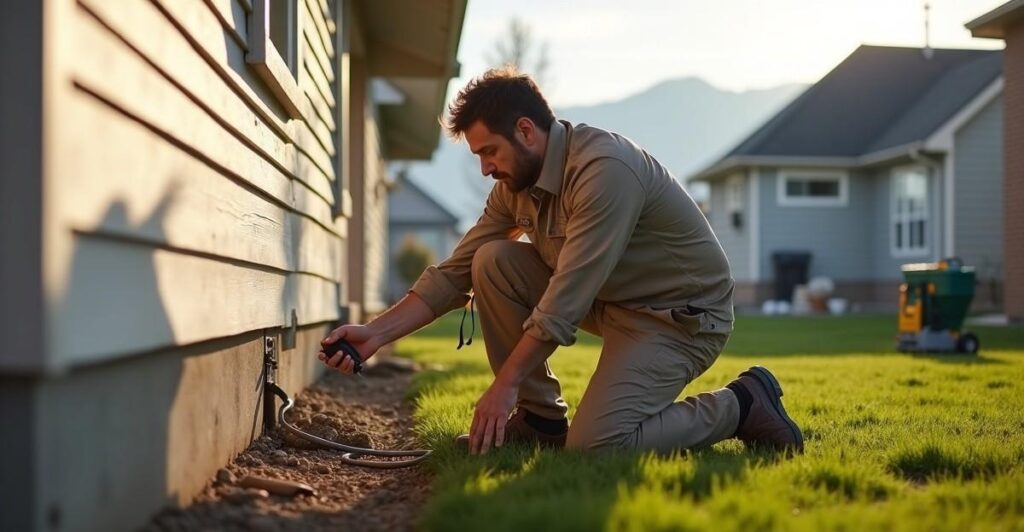
Next comes the pest control inspection process. During this visit, we identify:
- The pest species involved (common in Eastern Idaho: ants, spiders, wasps, rodents, boxelder bugs)
- Entry points and structural gaps
- Nesting or harborage areas
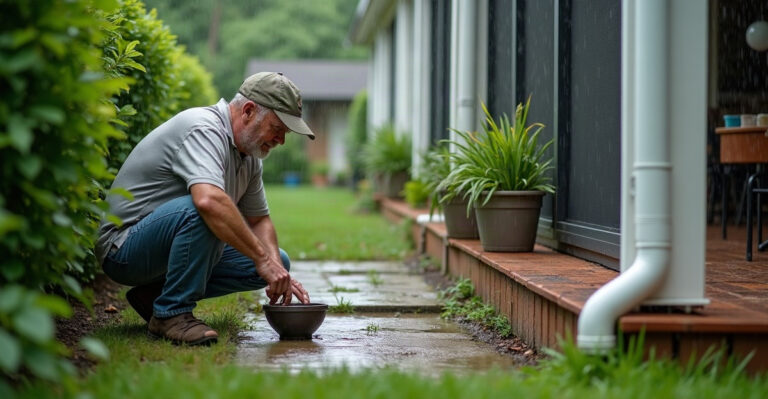
- Moisture issues attracting activity
- Conducive conditions around the foundation
After the inspection, we explain our findings and build a customized treatment plan. The plan depends on the pest type, severity, layout of the home or business, and safety considerations.
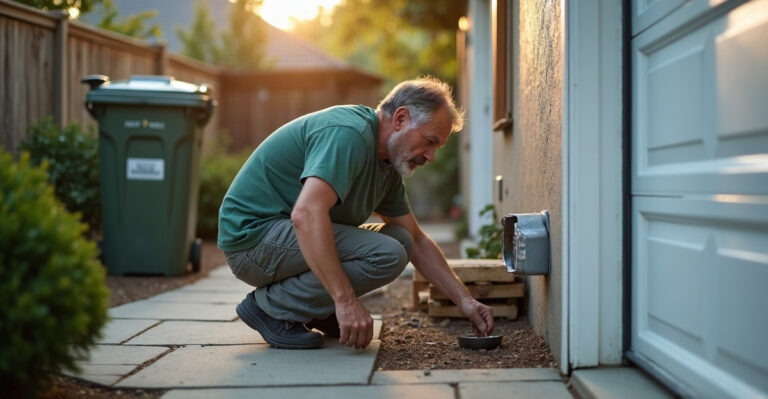
Application follows a targeted approach. We treat cracks and crevices, apply exterior perimeter protection, install bait stations when needed, and use monitoring tools in key areas. For example, ant issues may require focused interior baiting and exterior foundation work through our ant control services, while rodents often involve exclusion steps and secure stations as part of our rodent control services.
Before leaving, we review re-entry timing, drying time, and next steps. Clear communication is part of every Idaho Falls pest control services visit.
It is important to set realistic expectations. Some pest problems require ongoing maintenance rather than a one-time fix. Effective Eastern Idaho pest control focuses on long-term management and prevention.
Is Pest Control Safe for Pets, Children, and Businesses?
Safety remains one of the most common concerns we hear. Many families ask: Is pest control safe for pets and children? The short answer is yes—when performed correctly by trained professionals.
Modern pest control safety precautions include:
- Targeted applications in cracks and crevices instead of open broadcast spraying
- Low-odor products
- Precise placement of materials where pests travel, not where families gather
- Clear re-entry timing instructions
We always advise keeping pets and children away from treated areas until products are dry. In most cases, that means staying off treated surfaces for a short period. For specific guidance, we share details based on the exact products and locations used. Our full explanation of pet safety during pest control covers those steps in depth.
Some homeowners also wonder, Do I need to leave during pest control? Most of the time, the answer is no. Exterior treatments and targeted interior applications allow families to remain at home, simply avoiding treated areas until dry.
For businesses, safety and compliance matter just as much. Our commercial pest control services focus on discreet applications, food-safe practices, and minimal disruption. Restaurants, offices, warehouses, and hospitality properties all receive clear scheduling and documentation to meet operational standards.
Hiring licensed professionals reduces risk compared to over-the-counter treatments. Many DIY efforts involve overapplication or incorrect placement. We explain the differences in our article on DIY pest treatment effectiveness. Proper training and calibrated equipment make a measurable difference in both safety and results.
How Long Does Pest Control Take and Do I Need to Leave?
Service time depends on property size, pest type, and severity. For most standard homes, treatments take between 20 and 60 minutes. Larger homes or commercial properties may take longer.
When homeowners ask how long does pest control take, we explain the factors clearly. A simple exterior perimeter spray will move quickly. A rodent service with inspection, bait station installation, and sealing recommendations takes more time.
The next concern is do I need to leave during pest control. In most cases, no full vacating is required. Here is how it typically works:
- Exterior perimeter treatments: Residents stay indoors until treated areas dry.
- Crack-and-crevice interior work: Avoid direct contact until dry.
- Rodent bait station setups: No need to leave.
- Specialized services such as bed bug treatments: May require preparation and temporary vacancy, depending on severity.
We always review instructions beforehand so there are no surprises.
Results also vary by pest. Wasps often show immediate reduction after nest treatment. Ant populations may take several days as bait works through the colony. Rodent activity can decrease over one to two weeks as control measures take effect.
Anyone unsure about timelines can review our detailed breakdown of how long a pest treatment lasts and what to expect as the pest control process unfolds.
Preparation, Cost Transparency, and What We Do Before Arrival
Preparation makes the visit faster and more effective. We keep steps simple and practical.
For homes using residential pest control services, we recommend:
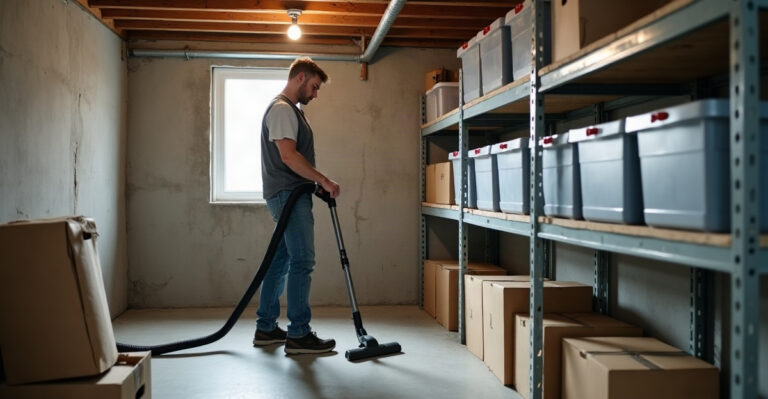
- Clearing clutter near baseboards
- Securing pets
- Providing access to garages, crawl spaces, and utility rooms
- Pointing out areas where pests have been seen
Businesses should provide access to storage rooms, kitchens, dumpsters, and loading docks. Access ensures we address high-risk zones effectively.
Open communication helps. We encourage sharing concerns about allergies, sensitive equipment, or specific pest sightings. That conversation shapes the treatment plan.
Cost transparency matters as well. Pricing depends on property size, pest species, and infestation severity. We explain services before work begins. Our approach to Eastern Idaho pest control focuses on control and prevention. We avoid promising permanent removal in one visit, because long-term results often require maintenance.
Anyone comparing providers should look at overall service quality, inspection thoroughness, and follow-up support—not just price.
After the Treatment: Maintenance, Follow-Ups, and Long-Term Prevention
Effective pest control rarely ends with a single appointment. Seasonal patterns in Eastern Idaho influence activity throughout the year, consistent with National Weather Service climate data for Idaho. Ants become active in warmer months. Wasps peak in summer. Rodents look for shelter as temperatures drop.
Because of those cycles, many properties benefit from quarterly or seasonal visits. Our guide on how often pest control should be done explains why ongoing service works well for prevention.
After treatment, we may recommend:
- Sealing cracks around doors and windows
- Reducing moisture near foundations
- Storing food in sealed containers
- Cleaning up yard debris and trimming vegetation away from siding
How soon will we see results?
Some pests decline within hours. Others, especially colony-based insects, take several days.
Is it normal to see brief increased activity?
Yes. As products take effect, pests may move before populations decline. This is part of what happens during pest control in many cases.
We also provide guidance on what to expect after a pest treatment so homeowners and businesses feel confident about next steps.
Consistent service builds lasting protection. Our Idaho Falls pest control services support homes and businesses across the region with reliable scheduling, clear communication, and steady follow-through. Those ready for an inspection or with additional questions can reach out through our contact page. We are proud to provide Eastern Idaho pest control with the care and reliability our community expects.
Frequently Asked Questions
Before pest control treatment, clear clutter near baseboards, move small items away from walls, and secure pets. This allows service professionals to access cracks and entry points where pests hide. You should also point out problem areas and ensure access to garages, crawl spaces, or utility rooms. Proper preparation helps treatments work more effectively and reduces service time.
Results depend on the type of pest and treatment method used. Some pests, like wasps, may decline within hours, while ants and other colony insects can take several days as bait spreads through the nest. Rodent activity may decrease over one to two weeks. Seeing brief increased movement can be normal as products begin working.
Professional pest control is generally safe for pets and children when applied correctly, according to U.S. Environmental Protection Agency pesticide safety guidelines. Technicians use targeted crack-and-crevice treatments rather than widespread spraying, following National Pest Management Association best practice standards. Families are typically advised to avoid treated areas until surfaces are dry. Following re-entry instructions and keeping pets away during application minimizes risk and ensures safe results.
Many pest problems require ongoing maintenance instead of a one-time service. Seasonal pests and local climate conditions can cause recurring activity throughout the year. Quarterly or seasonal treatments help maintain a protective barrier and address new infestations early. Long-term pest management focuses on prevention, monitoring, and sealing potential entry points.
A professional pest control inspection identifies the pest species, entry points, nesting areas, and conditions attracting activity such as moisture or structural gaps. Technicians assess both interior and exterior areas, including foundations and high-risk zones. After the inspection, they explain findings and recommend a customized treatment plan based on severity and property layout.