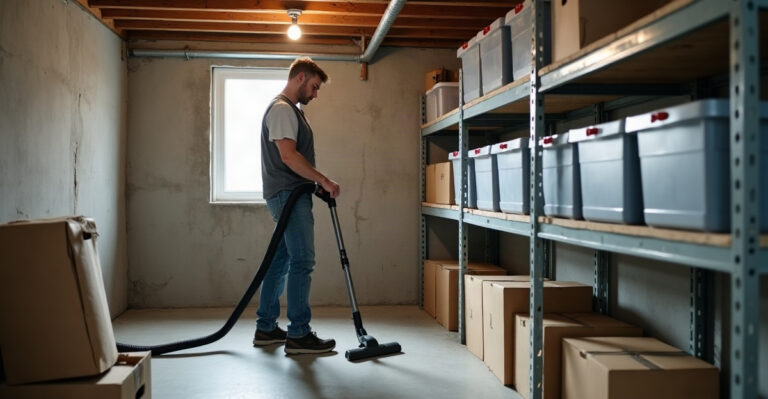
When Should I Call for Pest Control?
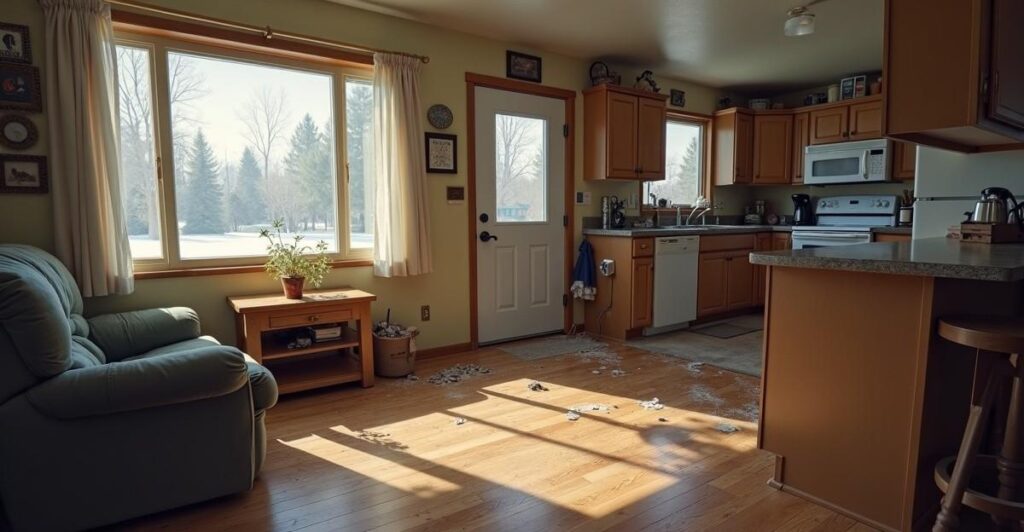
Spotting pests can be unsettling, but recognizing the warning signs helps us decide when expert help is the smartest move. Whether it’s scratching behind walls or spotting pests again and again in the kitchen or attic, quick action helps prevent property damage and keeps our space healthy.
Key Takeaways
- Signs like droppings, foul smells, chewing marks, and noises behind walls usually mean pests are already settled in.
- DIY methods might bring quick relief but often miss hidden nests, especially inside crawlspaces, behind walls, or up in the attic.
- Seasonal shifts in Eastern Idaho push pests indoors—rodents in winter, ants in spring, and wasps during the summer, as explained by university extension pest management resources.
- Health-related signs such as allergy flare-ups or insect activity near pantry items or HVAC vents mean it’s time to bring in professionals.
- If pests return after treatment or show up in multiple spots, we need a professional plan built for long-term results.
Top Signs It’s Time to Call Pest Control
Some pest problems can be handled with simple traps or sprays, but there are clear signs that you’re dealing with something bigger. Spotting these early can save us from lasting damage to our homes, not to mention protect our health. According to the National Pest Management Association, pests like rodents and cockroaches can contaminate food, transmit diseases, and trigger allergies—especially in children and those with respiratory issues.
Recognizing the early signs of a pest infestation helps us act before the problems worsen. Here are the most common red flags that mean it’s time to call in professional help.
Red Flags That Signal a Bigger Problem
If we notice any of the following, it may be time to reach out for expert pest control:
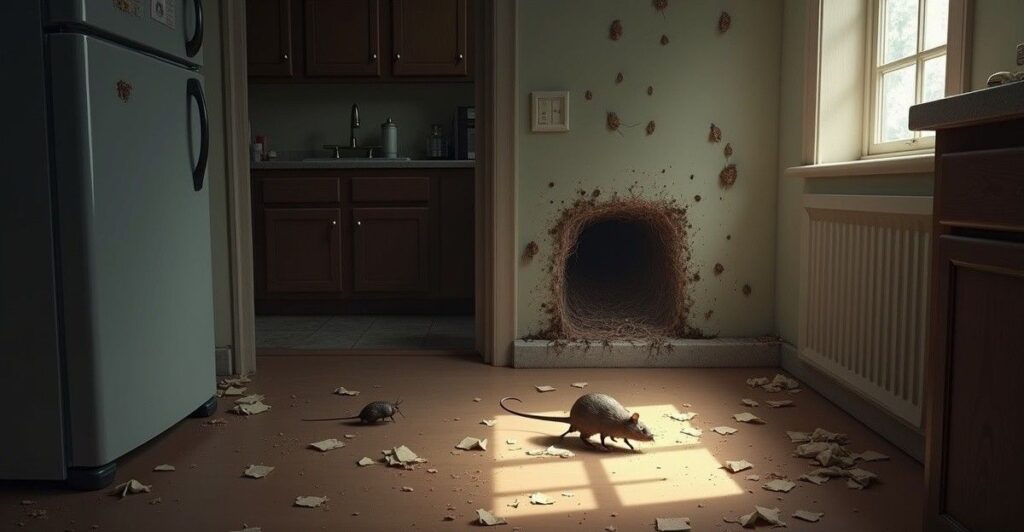
- Droppings: Tiny, dark pellets left by mice, rats, or cockroaches. Finding rodent droppings in cabinets or behind the fridge is a common first warning.
- Chew marks: Frayed wires, shredded cardboard, or gnawed food packaging can mean rodents are nesting nearby or foraging inside.
- Grease trails: Rats often leave dark smears on walls, baseboards, or near entry points. These marks come from the oil in their fur.
- Nests: Shredded paper, fabric, or other soft material tucked into hidden corners often means pests have settled in. Common spots include attics, crawl spaces, and behind appliances.
- Strange odors: A musty or ammonia-like smell—especially from enclosed spots—can come from pest urine or droppings. This is especially common in established infestations.
- Scratching sounds in walls: Hearing movement at night from inside the walls or ceiling insulation is one of the more unsettling rodent control warning signs.
- Increased pest sightings: If we’re seeing roaches during daylight or mice scampering around openly, the issue is likely already advanced. These pests usually hide, so open activity often means overcrowding.
Seeing cockroach droppings behind appliances like the stove or fridge is a strong indicator that it’s time to act. And if mice are bold enough to appear during the day, it usually points to a larger infestation that needs immediate attention.
We always remind folks that spotting the signs you need pest control early can protect both the structure of our homes and our health. Hidden pests can chew through wiring, damage insulation, and leave behind allergens or harmful bacteria. That’s why an early inspection is important.
If we’ve noticed any of these signs around the house or office, it’s wise to connect with a professional. Our team offers effective residential pest control to address problems at the source and keep them from coming back. Whether it’s rodents in the attic or roaches in the kitchen, we’re here to help protect what matters most.
Got questions or ready to take action? Let’s talk. Reach out through our contact form and we’ll help get things back under control.
When DIY Isn’t Enough: Knowing Your Limits
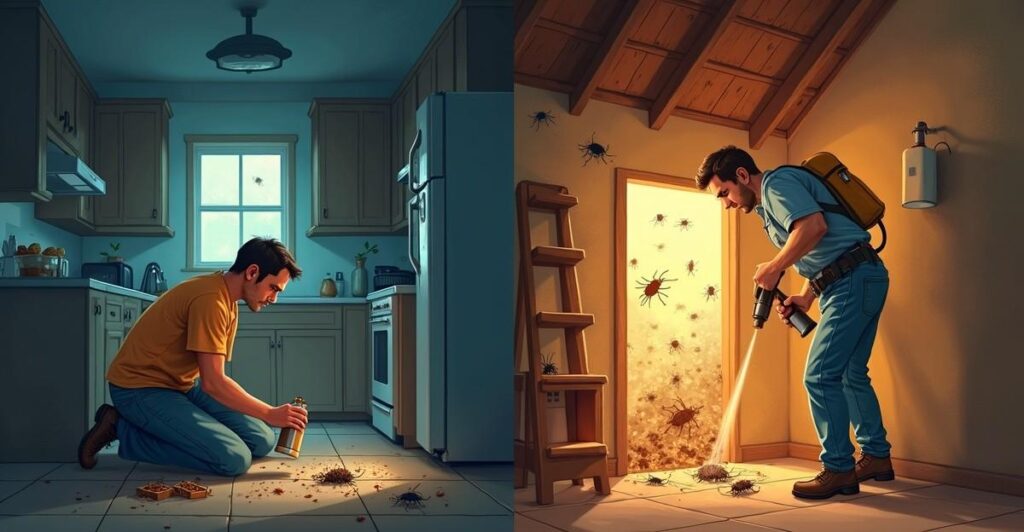
Trying to handle pests on our own is a natural first step. A can of spray, a few traps, some online tips—it feels like the right place to start. Many of us have been there. And in some situations, especially early on, that approach might do the trick.
But there are times when these methods run out of steam. Store-bought options can only go so far, especially with pests that multiply fast or hide well. That’s where knowing the difference in effectiveness between DIY pest control vs professional service really matters.
Where DIY Can Fall Short
DIY treatments often address what we see, not what’s behind the walls or under the floors. Here’s where the gap between home efforts and professional work becomes clear:
- Limited reach: Sprays and traps only affect exposed areas. Without knowing nest locations, you’re often treating the symptom, not the source.
- Short-term relief: Many over-the-counter products provide relief for a few days—but don’t break the pest’s life cycle. This opens the door for them to come right back.
- Improper use: Misusing pesticides or traps (even unknowingly) can create safety risks and reduce effectiveness.
- Inaccessible spots: Attics, crawlspaces, and inside walls often hide the bulk of a problem. Without the right tools, these spaces stay untreated.
Let’s take mice, for example. It’s a common myth: “Can I just handle mice with traps?” Sometimes, yes. A single mouse caught scurrying through the kitchen might be a fluke. But if traps keep catching mice night after night—or you start seeing droppings in different rooms—it’s almost certainly not just one. Homes can quickly become breeding grounds, and larger infestations need targeted methods, exclusion repairs, and safe bait setups that we customize to the property. You can read more about how we tackle these problems on our rodent control service page.
The same idea applies to many pests. German cockroaches, for instance, hide deep behind appliances and reproduce quickly. Foggers and sprays don’t reach their harborages, and they can even scatter the roaches deeper. Bed bugs? One missed pocket of them in a mattress seam or outlet box, and they’re right back after DIY treatment. That’s why pests like these are best managed through expert bed bug treatment with heat and chemical approaches.
We’re honest about it—DIY isn’t wrong or wasteful. In fact, it’s smart to act quickly when you notice something. Setting traps, sealing up cracks, or cleaning up food sources are solid first steps. And sometimes, they’re just enough.
When It’s Time to Call a Pro
But here’s how to tell when it might be time to bring in a professional:
- You’ve treated the same area more than once, and pests keep returning.
- You’re seeing signs in multiple parts of the home.
- There are smells, noises, or droppings in hidden spots like attics or basements.
- DIY products aren’t making a difference anymore—or seem to make it worse.
With pests, small problems grow fast. One ant trail can lead to a full-blown colony in the wall. A single roach sighting can mean dozens more hidden nearby. These situations require methods beyond consumer products—layered treatments, entry-point sealing, and ongoing strategies.
We build those strategies through inspections, proper identification, and experience. Our team knows what to look for, how pests behave, and how to stop them—safely and efficiently.
If trouble keeps coming back or safety becomes a concern, let us take the next step. Our residential pest control services are here to bring lasting answers. We’ll explain every step we take and keep things simple, clear, and respectful of your space.
Backing up your efforts isn’t giving up—it’s just being smart. If you’d like to get started or ask a few questions, just reach out through our contact page. We’re here when you need us.
How Pests Escalate Over Time
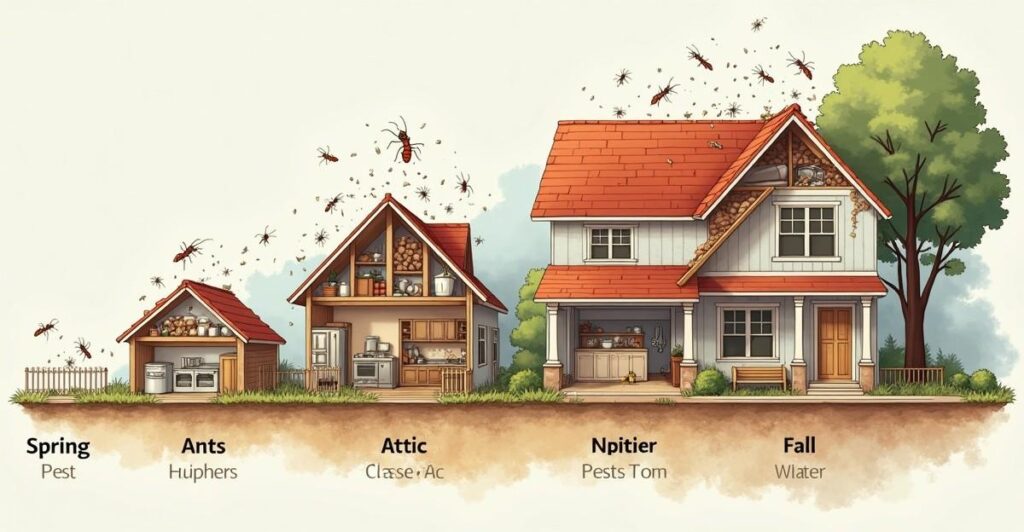
What starts with one ant in the kitchen can become a full-blown colony in just a few days. Pests don’t wait. They take advantage of small vulnerabilities—crumbs on a counter, a crack near a window, or the warmth of an attic. When left unaddressed, those small early signs quickly turn into larger problems.
One mouse sneaking through a garage vent can turn into an entire family chewing up insulation and wiring within weeks. Rodents reproduce rapidly, and unnoticed entry points give them a safe place to nest. When droppings or nighttime scratching sounds appear, the infestation’s already progressing. We often hear folks say, “We only saw one.” But with common pests in Idaho, one is rarely alone.
Why Early Action Matters
Delaying treatment gives pests time to spread. Bed bugs, for example, quietly hide in bedding or furniture, and by the time they’re noticed, they’ve already spread to other rooms. Cockroaches rarely travel alone—if we see one, there are likely dozens more hiding in walls or behind appliances. Termites work silently, and months can pass before structural damage becomes visible.
It’s important to handle issues while they’re still small. Once colonies establish themselves—especially in protected areas like basements, crawl spaces, or behind cabinets—they’re harder and more expensive to eliminate. For a good preventative step, our advice is to schedule a home inspection or regular maintenance with a professional who knows what to look for and where to look. We’re always happy to help with residential pest control plans that stay ahead of infestations.
Pests That Appear With the Seasons
Around Eastern Idaho, different pests show up at different times of the year. Knowing which ones are likely to appear helps us spot early signs and act fast.
Here’s a quick snapshot of seasonal pest patterns:
- Spring: Ants emerge looking for food and water, especially in kitchens and bathrooms.
- Summer: Wasps build nests under eaves, deck railings, and inside sheds.
- Fall: Spiders come indoors to escape cooling temperatures; you’ll see more webs near windows and in basements.
- Winter: Rodents seek warmth, moving into attics, garages, or wall voids through tiny openings.
We see a noticeable spike in calls during late fall and early winter as mice and rats begin moving inside. As one of the most persistent common pests in Idaho, rodents pose health risks and can damage homes quickly.
Each season brings its own challenges, but the key is to respond to the first signs. If you’re ever unsure, it’s better to reach out early than wait for a problem to worsen. You can always contact our team—we’ll listen, inspect, and guide you with honest options that fit your situation.

Eastern Idaho Pest Hotspots and What to Watch For
Eastern Idaho offers big skies, tight-knit communities, and changing seasons that keep pests on the move. From long, cold winters to sudden spring thaws, our local climate plays a key role in when and where infestations start. We see issues pop up across homes and small businesses alike—especially in Idaho Falls, Pocatello, Rexburg, Rigby, Blackfoot, and Twin Falls—when the weather shifts.
One pattern we know well: heavy snow followed by an early thaw. That combination pushes rodents, spiders, and insects like wasps indoors, searching for shelter and food. These pests often settle in quiet, less-trafficked parts of a structure. That’s why knowing local hotspots can make all the difference.
Common Trouble Spots in Homes and Small Businesses
Stay ahead of infestations by keeping an eye on these problem areas. Whether we’re called for pest control for homeowners or businesses, these are the spots we inspect first:
- Basements: Cold and damp, basements are magnets for spiders and rodents. Cracks in foundations and utility access points provide entry, especially during winter.
- Crawlspaces: These snug, dark areas give mice and voles easy passage under homes. Moisture here can also attract ants and beetles.
- Attics: Rarely visited, attics become safe havens for rodents and wasps—especially after nesting season finishes.
- Detached garages and sheds: Used less in colder months, these spaces can house overwintering pests like spiders or wasp queens waiting for spring.
- Wall voids and utility areas in businesses: For businesses, especially food-related ones in downtown Idaho Falls or along commercial routes in Pocatello and Twin Falls, cockroaches and rodents often creep in through delivery zones and utility lines.
As a local pest control provider, we focus on prevention just as much as elimination. Inspecting and sealing these spots helps reduce long-term problems.
Local agriculture and nearby natural areas also factor in. Warmer summers in Rigby or Blackfoot can bring more stinging insects, while grain storage in rural Pocatello may attract rodents. And downtown Rexburg structures with shared walls can pass infestations between neighboring buildings fast. No two cases look quite the same.
We recommend professional help if you notice recurring pest issues, animal droppings, chewed materials, or webs in any of these areas. Early action leads to smoother treatments and fewer repairs. Whether it’s pest control for homeowners starting to see signs in their basement or a shop owner needing pest control for businesses in a busy storefront, getting ahead of it brings peace of mind.
To stay proactive, you can connect with a trusted local expert for Idaho Falls pest control services and a plan that fits your property. We know the neighborhoods, we understand the seasons, and we’re here to help keep your space safe year-round.
When Safety and Health Are at Stake
Some pest problems go far beyond a simple nuisance. When insects or rodents start affecting our well-being, that’s when to hire pest control professionals becomes less of a choice and more of a necessity. Pests can put the health of our families, customers, and employees at risk—especially when they invade places where we eat, sleep, or care for children.
According to the Centers for Disease Control and Prevention (CDC), common pests like cockroaches, rodents, and bed bugs contribute to a range of health concerns. Cockroach droppings and saliva can trigger asthma and allergic reactions, particularly in children, according to research cited by the National Institutes of Health. Rodents carry diseases like leptospirosis and hantavirus, and their droppings may lead to respiratory problems. Bed bug bites can cause itching, infections from scratching, and mental stress.
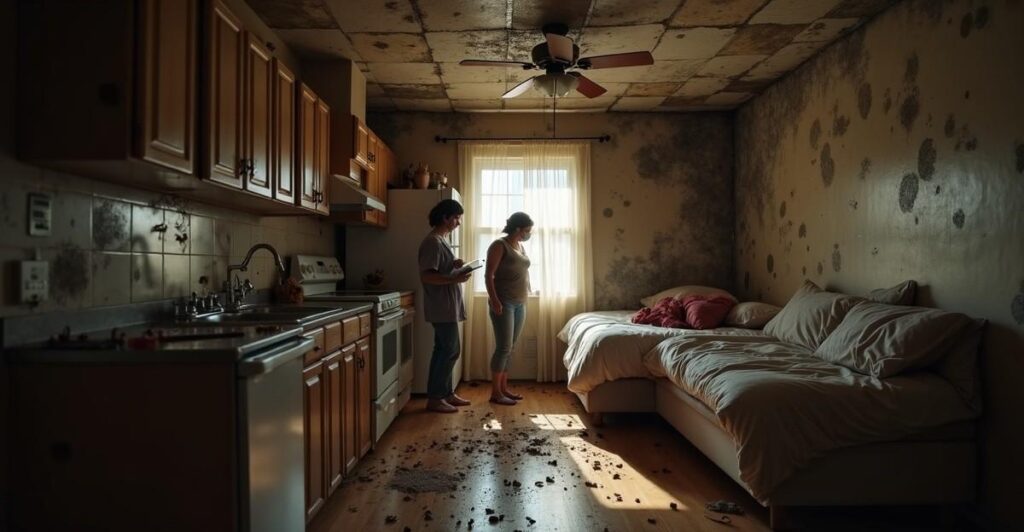
Infestations don’t just introduce allergens and pathogens—they often contaminate surfaces, food supplies, and air systems. Mold caused by long-term nesting or moisture buildup from pests can spread through HVAC units, worsening respiratory conditions in sensitive individuals.
Situations That Call for Immediate Action
We strongly recommend calling a professional whenever pests might impact health or sanitation. Here’s when to call an exterminator without delay:
- You spot pests like cockroaches or rodents in kitchens, pantries, or where food is handled or stored
- Anyone in the household starts experiencing unexplained allergy symptoms, asthma flare-ups, or bites
- You find droppings or nesting materials near HVAC systems, vents, or ductwork
- There are signs of an active infestation in childcare facilities, schools, healthcare offices, or food service locations
- You hear scratching or scurrying in walls, especially at night—this often points to rodent activity
- There’s visible mold, stained ceilings, or damaged insulation from pests burrowing or nesting
These scenarios don’t wait. If pests are threatening anyone’s health or comfort, taking action fast is key. We’re experienced in both identifying hidden issues and making homes and workplaces safer again. Whether it’s roaches in a breakroom or rodents near an air vent, we deal with the real risks behind infestations.
Pest control is about prevention just as much as elimination. Waiting too long can lead to larger infestations that cost more to remove and can cause lasting damage. That’s why we offer dependable, family-safe solutions for indoor and structural pest concerns. If you’ve seen signs and are wondering when to take action, we’re here to help.
Reach out through our contact page or learn more about signs of risk at our pest control page. We respond fast and professionally, helping you protect what matters most.

Choosing a Local, Trustworthy Pest Partner
Finding the right team to handle pests shouldn’t add stress to an already frustrating situation. The right provider brings peace of mind, not a sales pitch. We always recommend starting with a local company that knows the specific pests and seasons in Eastern Idaho, where every property and pest situation carries unique nuances.
Qualities That Matter in a Pest Control Provider
Not all pest control teams are created equal. To protect your home or workplace properly, you’ll want to look for:
- Proper licensing and insurance: A trustworthy provider will be fully licensed in Idaho and insured to cover any unexpected issues. It keeps both your family and property safe.
- Strong community reputation: Check for steady customer feedback across platforms. We value long-term relationships and recommend choosing a team neighbors already rely on.
- Responsive service: Timeliness matters with pest activity. Whether it’s ants in the kitchen or mice scratching in the attic, fast, friendly response lets small issues stay small.
- Clear communication: You should expect clear assessments, easy-to-understand scheduling, and fair, pressure-free pricing. Pests can be complex—the process to remove them shouldn’t be.
- Knowledge of local conditions: Idaho’s climate brings different pressures across the year, from boxelder bugs in the fall to rodent pressures as winter sets in. Choose a team that understands local seasons and habits to get ahead of infestations before they start.
Why Falls Pest Services Is a Trusted Choice
We live in the same neighborhoods we serve, and we treat every client like a neighbor. That means clean, respectful service whether we’re inspecting a family home or treating a food service space downtown.
At Falls Pest Services, we put safety first—for children, pets, and sensitive environments. Our certified service professionals know how to handle problems efficiently, but also when to suggest safer, less disruptive techniques. We listen, assess honestly, and follow through without pushing unnecessary products or extended contracts.
We’re proud to offer both residential pest control and commercial pest control options. That includes everything from seasonal pest prevention to discreet, after-hours service for businesses that need to avoid disruption.
If someone’s searching for dependable Idaho Falls pest control services, they should feel confident calling a company that’s built on respect, consistency, and a deep understanding of our region’s pest patterns.
Whether you’ve spotted signs of cockroaches, worry about bed bugs, or just want peace of mind going into a new season, we’re here to help you keep things under control calmly and quickly. If you’re unsure, reach out for a quick, no-stress evaluation from a neighbor who knows what to look for.
To learn more about local pest control in Eastern Idaho or speak with someone who understands how pests show up in our climate, give us a call or visit our site today.
Frequently Asked Questions
The most common signs include droppings, chew marks, grease trails, strange odors, and scratching sounds in walls or ceilings. Seeing pests during the day, especially rodents or cockroaches, is also a red flag. These signs usually indicate an established infestation rather than an isolated pest.
Yes, seeing one pest often means more are hidden nearby. Many pests, including mice, cockroaches, and ants, are social and avoid open areas unless populations are growing. A single sighting frequently signals nesting activity inside walls, attics, or crawl spaces that requires professional treatment.
DIY pest control should stop when pests keep returning, appear in multiple areas, or are found in hidden spaces like walls or attics. Store-bought products usually don’t eliminate nests or breeding cycles. If treatments only provide temporary relief, professional pest control is needed for long-term results.
Yes, health symptoms can signal a pest problem. Allergy flare-ups, asthma issues, unexplained bites, or respiratory irritation may be caused by droppings, shed skins, or saliva from pests. Pests near food, bedding, or HVAC systems increase health risks and should be addressed immediately.
Seasonal pest activity can indicate the need for pest control, especially if pests move indoors. Rodents commonly invade homes in winter, ants appear in spring, and wasps nest during summer. Recurring seasonal infestations suggest entry points or nesting areas that require professional inspection and prevention.