Why Professional Pest Monitoring Prevents Bigger Problems?
We use professional pest monitoring to identify recurring activity, entry points, moisture issues, and concealed nesting areas before pests cause wider damage or disruption. We track conditions over time and recommend practical actions. These may include exclusion work, sanitation upgrades, or focused treatment when evidence supports it.
Key Takeaways
- We use monitoring to separate an isolated pest sighting from a developing activity pattern.
- Our routine inspections look for pest evidence, entry points, property damage, and conditions that supply food, water, or shelter.
- Monitoring doesn’t always lead to treatment. We base recommendations on the pest type, location, and activity level.
- We pay close attention to crawl spaces, garages, sheds, basements, storage areas, and food-storage spaces. Pests often stay concealed in these locations.
- Repeated sightings, droppings, gnaw marks, damaged packaging, or activity in sensitive areas signal the need for a professional inspection.
How Early Pest Monitoring Helps Avoid Larger, Costlier Issues
Pest monitoring helps us spot small warning signs before they develop into repeated pest activity or property damage. One pest sighting does not always mean there is a major infestation, but activity that repeats or appears near food, stored materials, or hard-to-reach spaces deserves attention.
Professional pest monitoring focuses on what may be happening beyond the visible sighting. We look for signs of activity, likely entry points, moisture concerns, nesting areas, and conditions that make a property more inviting to pests. Finding these concerns early can help reduce the chance of pests establishing themselves in walls, storage areas, crawl spaces, or other protected locations.
Smaller problems are often easier to address before pests contaminate food-storage areas, damage packaging or building materials, or create ongoing disruption. This is one reason preventive pest control is often a practical choice for homes and businesses that want a steady plan rather than a last-minute response.
Eastern Idaho pest monitoring can be especially useful because every property has different conditions. Weather, nearby land, construction details, seasonal changes, and local pest pressure all affect what we may find. Monitoring can identify issues early and help reduce risk, but it cannot guarantee a permanently pest-free home or business.
What Professional Pest Monitoring Includes—and What It Does Not
Pest monitoring is the ongoing process of checking for pest evidence, property vulnerabilities, conducive conditions, and recurring patterns. Rather than relying on a single visit, monitoring tracks what is changing over time and helps us recommend appropriate next steps.
Routine pest inspections and pest monitoring work together, but they are not identical. Routine pest inspections are scheduled evaluations of activity, vulnerabilities, and conditions around a property. Monitoring adds ongoing observation, documentation, and trend tracking between and through those inspections. This approach gives us a clearer picture of whether a concern was isolated or part of a developing pattern.
Pest monitoring versus treatment is also an important distinction. Monitoring does not mean products are automatically applied at every visit. We use monitoring to guide action and avoid unnecessary blanket treatments. If evidence shows treatment is needed, we can recommend targeted steps based on the pest, location, and level of activity.
A complete preventive pest management plan may include several parts:
- Routine pest inspections to check for activity and changing conditions.
- Monitoring to document evidence and identify recurring concerns.
- Exclusion work to seal or repair likely entry points where appropriate.
- Sanitation and habitat recommendations for food, moisture, clutter, storage, and exterior conditions.
- Targeted treatment when inspection findings show it is needed.
Professional recommendations should fit the property and its daily use. We consider the season, pest type, building construction, surrounding land, occupants, pets, and business operations. A home with a crawl space and detached shed may need a different approach than a restaurant, warehouse, or retail location.
What Technicians Look for During Routine Pest Inspections
During routine pest inspections, we look beyond visible insects or rodents. Many pests stay hidden during the day or travel through areas that homeowners and business owners do not regularly enter. A trained inspection can identify early signs of pest activity before the source becomes obvious.
Common signs include droppings, gnaw marks, nesting materials, tracks, insect evidence, damaged packaging, and damage to wood, insulation, or stored goods. We also inspect for gaps around utility lines, worn weather stripping, openings near doors and foundations, and other likely pest entry points.
Property conditions matter as much as the pest itself. Moisture from leaks, standing water, cluttered storage, dense vegetation near a structure, and poorly managed materials can all support recurring activity. By identifying these conditions, we can offer focused recommendations instead of relying on a one-size-fits-all approach.
Why Hidden Areas Need Attention
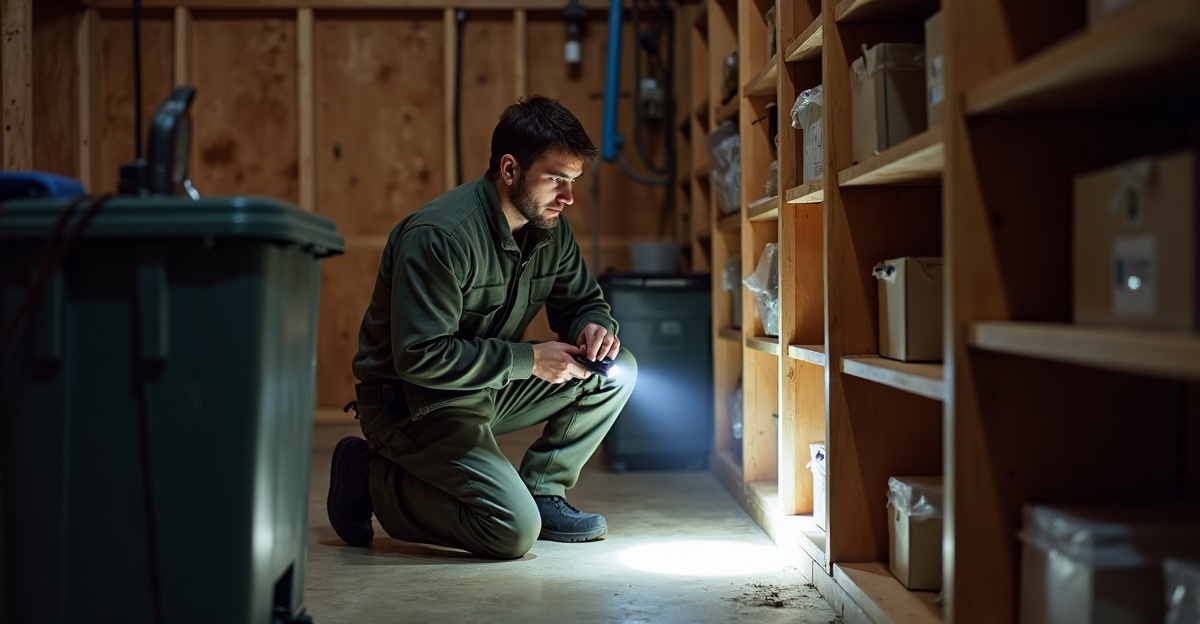
Less-frequented spaces often provide shelter, quiet, and access to stored materials. Crawl spaces, garages, sheds, basements, outbuildings, warehouses, and storage rooms can all need regular attention.
Homes in Eastern Idaho may include suburban lots, rural acreage, detached garages, storage sheds, basements, and outbuildings. Each space creates different monitoring needs. Pest inspections in Idaho Falls should account for the entire property rather than focusing only on the most visible living or work areas.
We look for patterns across these spaces. For example, damaged packaging in a garage, droppings near stored items, and a gap around a utility line may point to a larger access issue. That information helps guide practical exclusion, sanitation, monitoring, or treatment recommendations.
Where Pest Monitoring Matters Most for Homes and Small Businesses
Residential pest monitoring should cover the places where pests find food, water, shelter, or easy access. Kitchens, pantries, utility-line openings, basements, crawl spaces, garages, sheds, storage rooms, and outdoor structures all deserve attention. Areas with clutter or moisture concerns may require closer review because they can create pest-friendly conditions.
For homes with recurring rodent evidence, early monitoring can help identify travel routes and nesting concerns before activity spreads. Our rodent control services can address active concerns while also helping us identify conditions that may support future activity. Similar care applies to ants, cockroaches, bed bugs, and other pests that may require a specific inspection approach.
Small businesses can also benefit from pest monitoring for small businesses. Restaurants, offices, warehouses, hospitality properties, retail spaces, and multi-unit properties all have areas that may need regular review. Food-service zones, stored inventory, employee break areas, receiving spaces, customer-facing rooms, and trash handling areas can be important monitoring points.
Commercial pest monitoring can help support a clean, professional environment, protect food storage and inventory, maintain employee comfort, and reduce avoidable operational disruption. It does not guarantee inspection outcomes or prevent every pest concern, but early attention often gives us more options for managing issues responsibly.
Falls Pest Services provides support for Idaho Falls, Twin Falls, Pocatello, Rexburg, Rigby, and nearby communities. Our commercial pest control approach accounts for each property’s layout, operations, and priorities.
Simple Preventive Steps to Take Between Inspections
Daily property care supports preventive pest management and gives monitoring efforts a stronger foundation. These steps can reduce the food, water, and shelter that pests may use, though they may not resolve hidden activity or nesting areas behind walls, beneath floors, or in other inaccessible spaces.
Practical Pest Prevention Tips
Between routine pest inspections, we recommend keeping a close eye on basic conditions:
- Store food and pet food in sealed containers.
- Clean crumbs, spills, and grease buildup promptly.
- Address leaks, moisture buildup, and standing water concerns.
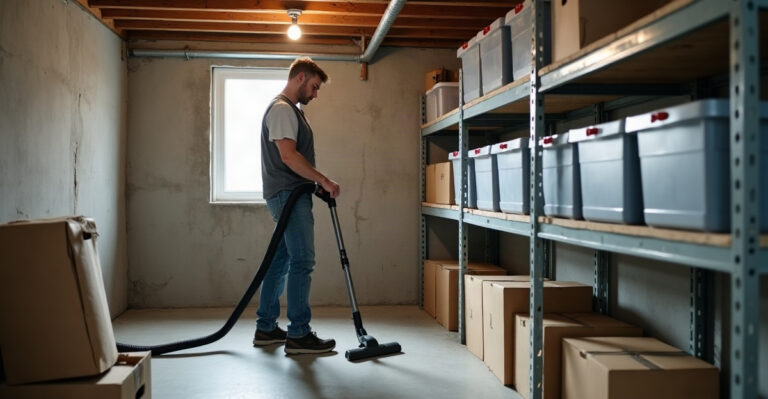
- Reduce clutter, especially in garages, basements, sheds, and storage areas.
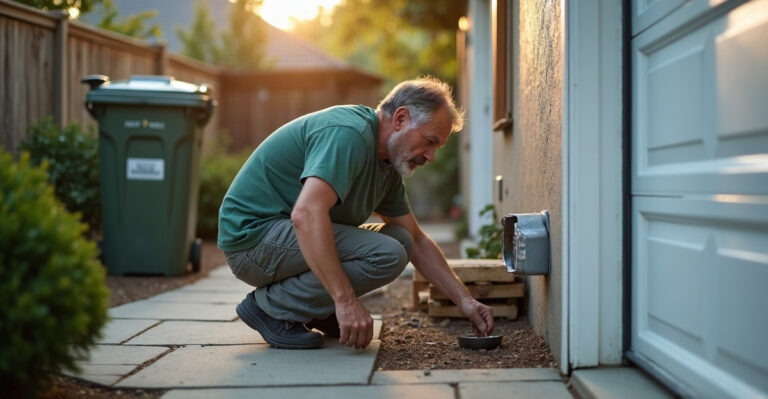
- Inspect outdoor structures, garages, sheds, and outbuildings for damage or openings.
- Keep landscaping, firewood, and stored materials from creating easy shelter near buildings.
- Seal visible gaps where feasible, especially around utility openings, doors, and foundations.
These pest prevention tips can reduce pest-friendly conditions, but a recurring concern may need a professional assessment. Repeated sightings, unexplained damage, or evidence in food-storage areas can indicate activity that basic cleanup alone will not resolve. Our guide on spotting pest problems early can help us recognize when a small sign may need further attention.
Safety should guide every recommendation. We consider children, pets, customers, employees, and normal household or business operations before recommending a service plan. If treatment is appropriate, methods should be selected and applied responsibly based on the property’s needs and service professional instructions.
When a Professional Inspection Is Worth Scheduling
A professional pest inspection is worth scheduling when signs repeat, appear in sensitive areas, or create uncertainty. It is better to assess a concern early than wait for more visible damage or disruption.
We recommend contacting a professional when there are repeated pest sightings; droppings; nesting materials; gnaw marks; tracks; insect evidence; damaged packaging; or unexplained property damage. Activity in food-storage areas, restaurants, inventory rooms, customer-facing spaces, crawl spaces, garages, sheds, basements, warehouses, or outbuildings also calls for closer review.
Seasonal recurring problems deserve attention as well. Changing conditions can affect pest behavior and access points around a building. An inspection helps determine whether the concern calls for continued pest monitoring, exclusion work, sanitation changes, targeted treatment, or a preventive pest management plan.
For recurring activity, our pest control timing guide explains common situations where professional help makes sense. We can also discuss pest control service frequency based on property conditions, pest history, and the level of risk.
Eastern Idaho homeowners and small business owners can contact Falls Pest Services for an inspection or a conversation about a preventive pest management plan suited to their home or business.
Reviewed by a licensed pest management professional at Falls Pest Services.