Why Are Mosquitoes Worse After Rain: What You Should Know?
We often see more mosquitoes after rain because water collects in breeding sites. Warm, humid, calm conditions also help adult mosquitoes fly and feed near homes and businesses. A brief shower may cause little change if water dries fast. However, repeated rain, snowmelt, irrigation, and poor drainage can raise mosquito activity when water remains for several days.
Key Takeaways
- Mosquitoes usually fly less during heavy rain, strong winds, and cool weather. They often become more active once conditions calm.
- Standing water in containers, gutters, low areas, tarps, and outdoor equipment creates the largest breeding risk.
- We recommend inspecting properties after rain, snowmelt, or irrigation. Empty, cover, or remove items that hold water.
- Maintain vegetation, improve drainage where practical, repair screens, and use fans in outdoor seating areas to limit mosquito activity.
- Consider professional support if mosquito pressure continues after prevention efforts, especially near hard-to-reach water sources or across large properties.
Are Mosquitoes Really Worse After Rain?
Mosquitoes may fly less during heavy rain, strong winds, or cool weather, but they often become more noticeable after rain when conditions turn warm, humid, and calm and standing water remains available. Rain alone does not automatically create a mosquito outbreak.
So, why are mosquitoes worse after rain? Mosquito activity depends on several conditions working together, including temperature, wind, humidity, standing water, nearby breeding sources, mosquito species, and the season. Rain can leave behind the moisture and water sources mosquitoes need, while calmer weather makes it easier for adult mosquitoes to fly and feed.
Are mosquitoes worse after rain every time it storms? No. A quick shower followed by dry, breezy weather may have little effect. Several wet days, warm temperatures, irrigation, and water that stays in containers or low areas can lead to more mosquitoes after rain. Regular maintenance and source reduction keep this common seasonal issue manageable.
Weather affects many pests in similar ways. Our guide to seasonal pest activity explains why changing conditions can bring more insects around homes and businesses.
Why Do Mosquitoes Come Out After Rain?
Do mosquitoes come out after rain? Yes. Adult mosquitoes often resume activity after a storm passes, especially once the air is warm, humid, and calm. Heavy rain and wind can make flight difficult, but sheltered mosquitoes can rest through poor weather and become active again afterward.
Standing water creates breeding opportunities. Female mosquitoes lay eggs in or near water, depending on the species, and mosquito larvae need water to develop. The biggest concern is water that remains available long enough for larvae to grow. Brief puddles that dry quickly usually pose less concern than water that sits for several days or longer.
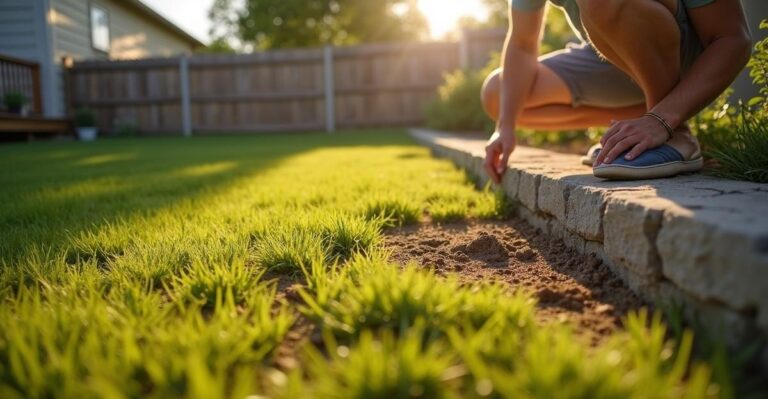
Moist, shaded areas also give adult mosquitoes places to rest during the day. Tall grass, dense shrubs, damp mulch, and vegetation near patios or walkways can provide cover. Keeping these areas maintained makes a property less comfortable for resting mosquitoes.
Warm, humid, calm weather supports adult activity after rain. That combination explains why mosquitoes after rain can seem especially persistent around outdoor seating, play areas, and entryways. For a closer look at water sources, see our article on mosquito breeding water.
Where Mosquitoes May Find Water Around an Eastern Idaho Property
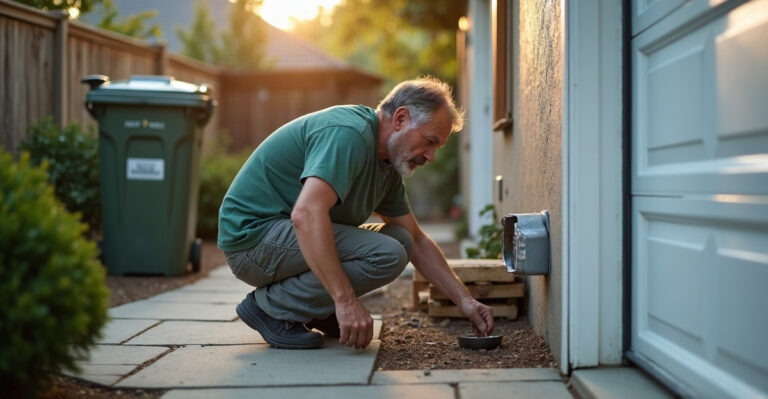
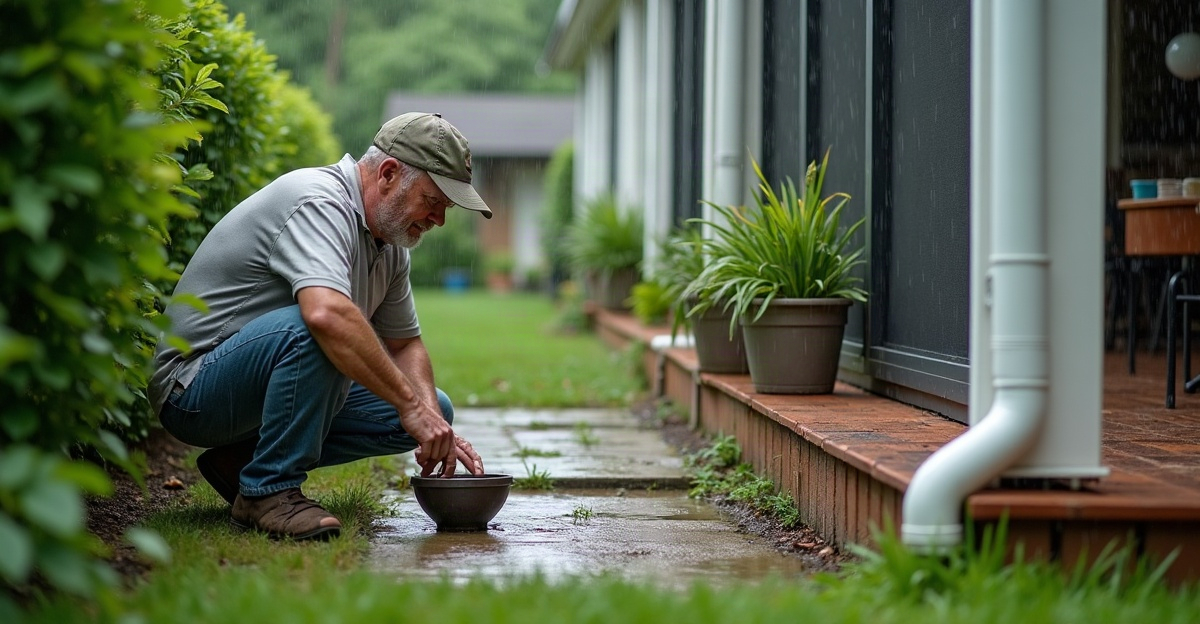
Many mosquito breeding spots are small and easy to overlook. We recommend checking containers, tarps, toys, wheelbarrows, clogged gutters, planters, birdbaths, pet bowls, tires, plant saucers, buckets, outdoor equipment, and poorly drained areas after rain, snowmelt, or irrigation.
Eastern Idaho properties can have different water concerns depending on the location and season. Spring snowmelt and seasonal rain can fill low areas. Irrigation and drainage ditches may hold water nearby. Rural acreage may include livestock-water areas, while sheds, outdoor storage, tarps, and equipment can trap rainwater. Uneven lawns can also collect water after a storm.
Some mosquito sources may sit beyond a property line. Ponds, wetlands, irrigation areas, drainage ditches, neighboring properties, and livestock watering areas can all affect mosquito pressure. Maintaining a home or business property still helps, even if it cannot remove every nearby source. Moisture can also encourage other unwanted pest activity, as we explain in moisture and pest problems.
Business owners should inspect dumpsters, loading areas, outdoor dining spaces, landscaped drainage zones, roof drains, employee break areas, and outdoor storage. These spaces often have containers, uneven pavement, or debris that holds water after storms and routine watering.
Post-Rain Mosquito Checklist for Homes and Businesses
Source reduction should come before foggers, broad chemical applications, or other mosquito-control products. A prompt inspection after rain, snowmelt, or irrigation can remove many common breeding opportunities.
We recommend these practical steps:
- Empty, tip over, cover, or store water-holding containers.
- Refresh birdbath and pet water regularly.
- Clear leaves and debris from gutters and downspouts so water drains properly.
- Check tarps, wheelbarrows, toys, plant saucers, buckets, tires, sheds, and outdoor equipment for trapped water.
- Correct drainage issues where practical and address low spots that hold water.
- Maintain grass, shrubs, and vegetation near patios, walkways, outdoor seating, and play spaces.
- Repair window and door screens to help keep mosquitoes outside.
- Use fans on patios and outdoor seating areas, since mosquitoes are weak fliers.
- Wear protective clothing and use EPA-registered repellents only as directed on the product label.
- Consider children, pets, pollinators, and nearby waterways before using mosquito-control products.
Property upkeep reduces the places mosquitoes use to breed and rest. Rain can also bring out other insects, so it helps to understand why bugs appear after rain and inspect outdoor areas promptly.
For recurring outdoor activity, professional mosquito control services can support a broader prevention plan. We also provide residential pest control for households managing seasonal pest concerns.
When Persistent Mosquito Pressure May Need Professional Help
Removing standing water and maintaining the property can reduce mosquito breeding opportunities, but it will not always eliminate every mosquito. Weather patterns, nearby water, large properties, and surrounding land can continue to affect activity.
We recommend a professional assessment when biting remains frequent after basic prevention, when a property has difficult water sources, or when mosquitoes disrupt outdoor living areas, customer spaces, or employee work areas. Commercial locations may benefit from commercial pest control that considers outdoor service areas, drainage, storage, and building access points.
A professional can assess conditions and recommend an appropriate control plan. Responsible service focuses on practical reduction and ongoing prevention rather than promises of instant or total elimination. If mosquitoes remain a problem after standing water and basic prevention have been addressed, Falls Pest Services can help assess conditions around an Eastern Idaho property and discuss practical next steps.
Mosquitoes can carry diseases, but a post-rain increase does not mean every mosquito in Eastern Idaho is dangerous or that there is an immediate disease threat. Follow current local public-health advisories if health concerns arise. For ongoing seasonal support in the area, our Idaho Falls pest control team can help identify practical options.
Common Questions About Mosquitoes After Rain
Are mosquitoes worse after rain?
Often, yes. Mosquitoes may be less active during heavy rain or strong wind, then become more noticeable once standing water, warmth, humidity, and calm conditions come together.
Do mosquitoes come out after rain?
Yes. Adult mosquitoes often resume activity soon after rain and wind subside, especially during warm, humid weather.
How long after rain do mosquitoes become active?
Adult mosquitoes may become active as soon as weather calms. New mosquito development depends on water remaining in place long enough for larvae to develop.
Do all puddles breed mosquitoes?
No. Puddles that dry quickly are generally less concerning than standing water that remains for several days or longer.
What reduces mosquitoes in a yard after rain?
Remove trapped water, clean gutters, refresh pet bowls and water features, improve drainage where practical, maintain vegetation, repair screens, use fans, and follow repellent labels. Our guide on what attracts mosquitoes can help identify additional conditions around a property.
Can irrigation attract mosquitoes?
Irrigation can contribute to breeding conditions if it leaves standing water in low areas, containers, ditches, or equipment. Proper drainage and regular inspections reduce that risk. For recurring seasonal activity, learn how often mosquito treatment helps as part of a complete prevention plan.