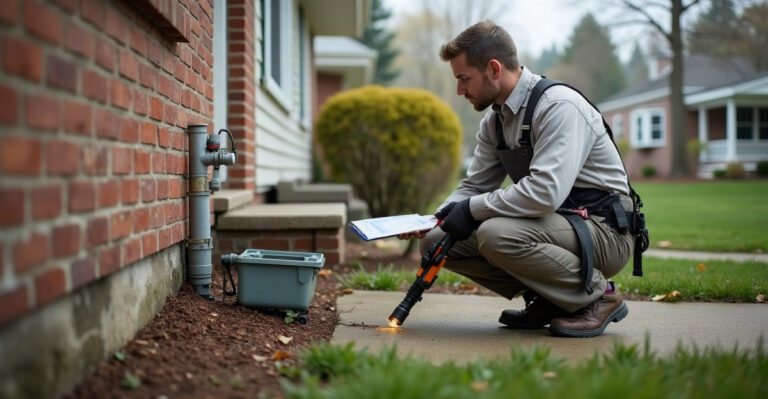
Why Are Spiders Coming Inside in Fall?
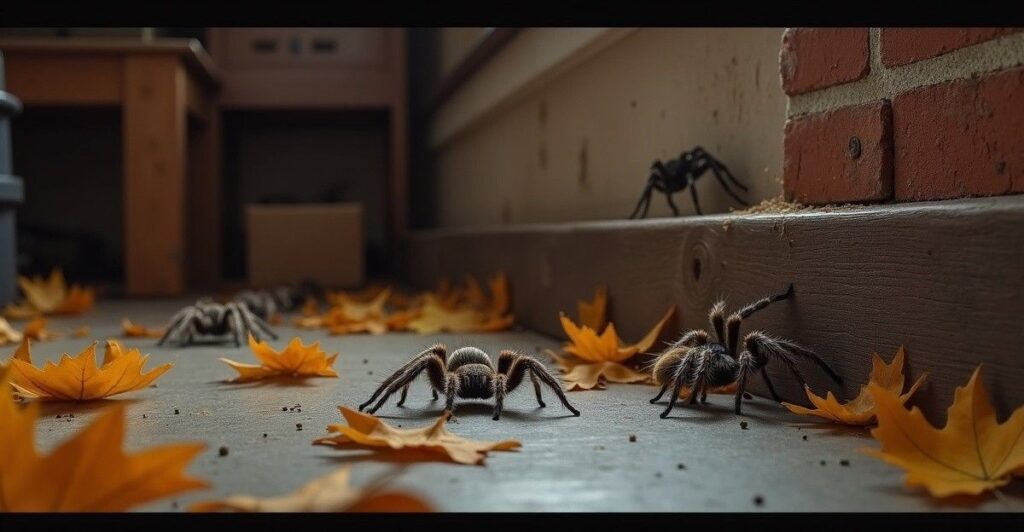
As temperatures drop, we often see more spiders making their way indoors during fall. It’s not just the cooler air driving them in—autumn brings peak mating time for many types, including hobo and house spiders. They’re guided by instinct, looking for dry, quiet spots to find mates and shelter. That makes homes and buildings across Eastern Idaho especially attractive.
Key Takeaways
- Spider activity rises in fall due to natural mating cycles—not just cooler weather.
- Males are more likely to wander inside during this time while searching for a mate.
- Eastern Idaho homes offer ideal conditions for spiders, especially in garages, basements, and cluttered storage areas.
- Gaps in older structures and dry autumn conditions raise the chances of spiders moving indoors.
- Taking steps like sealing entry points, adjusting outdoor lighting, and keeping spaces tidy makes a big difference in reducing spider presence—especially when you also consider Can Pests Come Through Drains as another potential entry point.
Spiders Are More Active in Fall—Here’s Why
As temperatures begin to drop, we often notice more spiders entering houses in fall. While it’s easy to assume they’re looking for warmth, that’s only part of the story. In reality, many spider species become more active in autumn due to biological timing, as university extension entomology programs explain about fall spider mating behavior. For spiders like the hobo spider and common house spider—both found across Eastern Idaho—this is mating season.
Male spiders, in particular, become much more visible because they leave their webs to wander indoors in search of a mate. It’s not that these spiders can’t survive the cold. Most are already adapted to outdoor conditions. Instead, they’re reacting to the call of reproduction, coupled with a need for safe, dry shelter away from predators.
You might hear the myth that spiders come in “because it’s getting cold.” But the truth is more about instinct and survival than temperature alone. If you’ve noticed a fall spider invasion, rest assured it’s seasonal—and manageable.
Why Your Idaho Home or Business Attracts Spiders in Autumn
Spiders don’t need much to settle in: a quiet corner, steady humidity, and food sources like insects. Homes that may need spider control in Twin Falls, Idaho Falls, Pocatello, and Rexburg often have garages, basements, closets, or other quiet areas where spiders can hide.
Most homes provide dry, cluttered environments—think garages, basements, and closets—that are ideal for spinning webs and staying hidden. Older buildings with loose window seals, attic vents, and foundation gaps give spiders easy access inside. The drier conditions that come with fall in our region also contribute, encouraging spiders to look for long-term shelter.
Why Businesses Can Also Be Spider Magnets
Commercial buildings can unknowingly offer cozy hiding spots for spiders. Warehouses, stockrooms, break areas, and even signage lighting can bring insects—and the spiders that feed on them—right to your walls. This silent pattern is why seasonal pests in fall show up in both homes and commercial spaces.
Also, exterior lighting can draw insects closer to your structure. And where insects go, spiders follow. If you’re wondering why spiders come inside, it often has more to do with what’s around your building than the building itself.
What You Can Do Today: Prevention Tips That Work
Keeping spiders out doesn’t require harsh chemicals or major renovations. Clear, consistent steps go a long way toward making your space less spider-friendly. Here’s how to prevent spiders at home more effectively:
- Seal cracks and openings around windows, doors, utility lines, and foundation gaps.
- Keep basements, crawlspaces, and garages tidy to deter nesting areas.
- Switch out white exterior bulbs for yellow or sodium vapor alternatives, which research on insect-attracting light wavelengths has shown can reduce insect activity around buildings.
- Vacuum corners, under furniture, and windows often to remove webs and egg sacs.
- Maintain your yard by trimming bushes and keeping mulch and plants away from the outer walls.
- Keep firewood at least 20 feet from your house, and inspect it before bringing it indoors.
These habits help lower the chance of both spiders and their insect prey from turning your space into their habitat. If spiders are already inside, consider reading how to get rid of house spiders for additional support.
When It Might Be Time to Call in the Pros
Occasional spiders happen. But if you’re seeing several per week in different parts of the house, it could indicate a deeper issue. Especially when different species start appearing—like thin-legged cellar spiders and larger wolf spiders—you may be hosting a broader infestation.
In commercial settings, particularly ones involving food or foot traffic, spiders can quickly create safety and cleanliness concerns. Even if the species itself isn’t dangerous, spider webs or sightings can unsettle customers or staff.
We understand that arachnophobia is real. If the stress of seeing spiders in your house during fall is affecting your peace of mind, a professional inspection—or Do You Need Pest Control for New Homes—is worth considering
. As for whether spiders are dangerous indoors, the CDC notes that only a small number of spider species in the United States are medically significant, and most found in Idaho are not harmful. Still, their presence can cause disruption, especially in numbers.
How Falls Pest Services Handles Spider Control—Safely and Locally
We don’t treat spider issues with a one-size-fits-all plan. At Falls Pest Services, our approach to spider pest control in Idaho is specific to the spider types and building conditions we find here in Eastern Idaho.
Our treatments are safe for kids, pets, and sensitive spaces, and we always explain what to expect before, during, and after a visit. If you have concerns about pets, you can learn how safe our pest treatments are for pets to ease your mind even more.
Our service professionals live in the same towns we serve, so we understand the timing and habits of Eastern Idaho spiders. Whether you’re dealing with seasonal invaders or long-standing ones, we’ll offer local pest control that makes sense for your space and your family.
Your Local Expert Is Here When You Need Us
If you’re unsure whether you’re dealing with just a couple curious spiders or something more persistent, we’re here to help. Our free inspections come with honest feedback—no upsells or alarm bells. Sometimes it’s just a seasonal visitor. Other times, it’s worth taking action.
We’re based right here in Idaho Falls, and we’re proud to offer both residential pest control and commercial pest control options across the region. Whether it’s fall spider activity or other seasonal pests, we approach every job with the same simple mission: to keep homes and businesses safe and comfortable.
If spiders have made themselves a little too comfortable lately, don’t wait. Reach out to Falls Pest Services and we’ll take care of it—quickly, kindly, and with zero pressure.
Frequently Asked Questions
Spiders enter houses in fall mainly because it’s their mating season, not just because of cooler weather. Male spiders become more active and wander away from their webs while searching for mates. Homes provide dry, quiet shelter that supports this instinctive behavior, especially when outdoor conditions become less stable.
Cold weather plays a minor role, but it isn’t the main reason. Most spiders can survive outdoor temperatures. The increase in spiders entering the house in fall is tied to biological cycles and the search for mates, combined with easy access points and suitable hiding spots indoors.
House spiders, hobo spiders, cellar spiders, and occasionally wolf spiders are most commonly seen indoors during fall. These species are active hunters or wanderers during mating season, which increases the chance of them being spotted inside living spaces, garages, and basements.
Preventing spiders starts with sealing cracks around doors, windows, and foundations. Reducing clutter, vacuuming webs, limiting insects with proper lighting, and keeping vegetation away from exterior walls also helps. Fewer insects mean fewer spiders attracted to your home.
Yes, seeing more spiders indoors during fall is normal and seasonal. Activity usually peaks for several weeks and then declines. If sightings continue frequently or increase across multiple rooms, it may indicate entry issues or an insect population that’s supporting them.