What Are the Most Common Pests in Garages?
Garages in Eastern Idaho often become hotspots for pest activity. Their warmth, shelter, and storage features create an ideal space for unwanted guests—especially as seasons shift. The first step toward prevention is knowing what to look for. Rodents, spiders, ants, silverfish, and stored product pests are some of the common garage bugs and pests that frequently invade. By spotting the signs early, we can stop infestations before they grow.
Key Takeaways
- Rodents show up more in colder months. Watch for droppings and chew marks near clutter or stored food. Take quick action to reduce access points and food sources.
- Spiders like hobo and house spiders settle in quiet corners. You’ll usually notice their webs stretched across rarely disturbed areas.
- Ants follow moisture and food trails. They’re common around water heaters, leaking pipes, or spills that go unchecked.
- Silverfish favor dark, damp sections. They chew through cardboard, paper, and glue-based items in stored boxes. Keep these spots dry and cleaned out.
- Stored product pests—like pantry moths and grain beetles—appear in forgotten pet food, birdseed, or outdated dry goods. Rotate stock and check containers often to avoid infestations.
What You’re Likely Dealing With: The Top Garage Pests in Eastern Idaho
Garages around Pocatello, Rigby, and Idaho Falls see a steady stream of pest activity throughout the year. From cold-loving rodents in winter to bugs nesting in summer clutter, these are the most common pests in Idaho garages that we come across.
Rodents (Mice and Rats)
Rodents are frequent visitors, especially starting in late fall, as the CDC explains that rodents commonly enter homes and garages seeking warmth and shelter during colder months. Mice are small and light brown with large ears, while rats are larger and heavier with long, scaly tails. If you’ve spotted droppings near pet food bins or chewing at cardboard, you’re likely dealing with rodents. They often nest near stored items, insulation, or behind toolboxes. For more information on why they keep showing up, check out why mice are so common in garages.
Spiders (Including Hobo and House Spiders)
Spiders love garages for the quiet, dark corners. Hobo spiders, commonly found in our area, are brown with faint markings and tend to build funnel-shaped webs near floor levels and storage stacks. House spiders are smaller and prefer to spin in windows, ceilings, or shelving. Look for fine webbing and a sudden spider sighting when disturbing stored items. If you’re wondering how to reduce spiders in your garage, keeping clutter low is a great start.
Ants
Ants may seem like an odd pest for garages, but they follow moisture and food — which your garage may provide more of than you think. Watch for small ant trails, especially near water heaters or under leaky pipes. Visible movement near entry points or food containers can signal a growing ant infestation in the garage, likely stemming from outdoor colonies seeking easy access during warmer months.
Silverfish
Silverfish are flat, shiny bugs with a teardrop shape and three long bristles at the back. They love dark, damp places and feed on paper, glue, and starchy materials. We often find them hiding in old boxes or behind water-damaged baseboards. These critters are especially common in Idaho’s garages during spring and summer, as university extension entomology resources note that silverfish thrive in humid, damp environments.
Stored Product Pests (Pantry Moths, Grain Beetles)
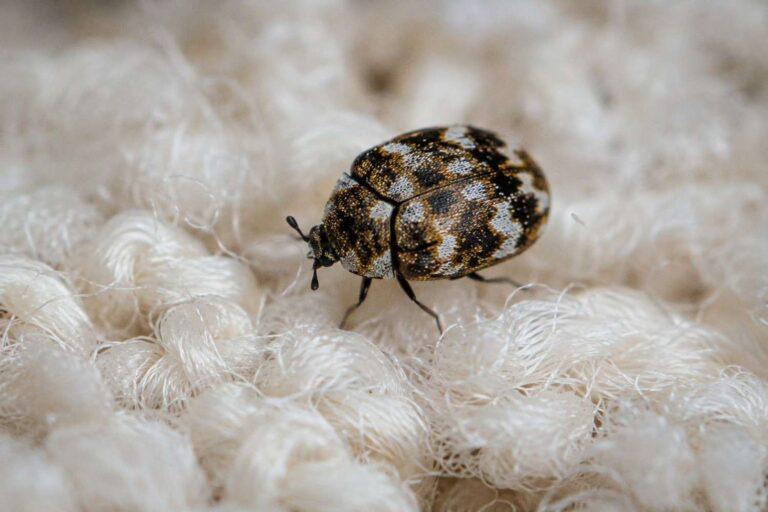
If you’ve caught sight of tiny brown bugs in old dog food or opened a box to find what looks like pepper flakes or fine webbing, you might have stored product pests. Indian meal moths leave silky threads in dry goods, while grain beetles chew into packaging. These insects thrive in forgotten bags of birdseed, aging flour, or even old grain samples kept in the garage.
Why Pests Love Your Garage: Conditions That Attract Unwanted Guests
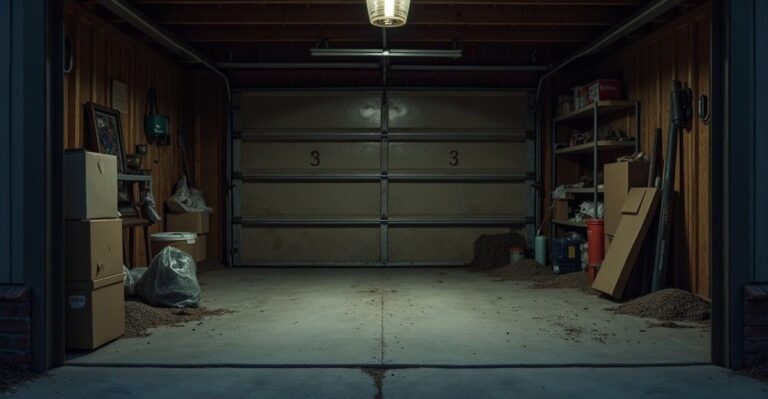
Garages offer pests what they need to survive: food, moisture, warmth, and hiding spots. Especially in Eastern Idaho’s cold months, rodents start moving in for shelter. As temperatures drop, garage pest identification becomes especially important.
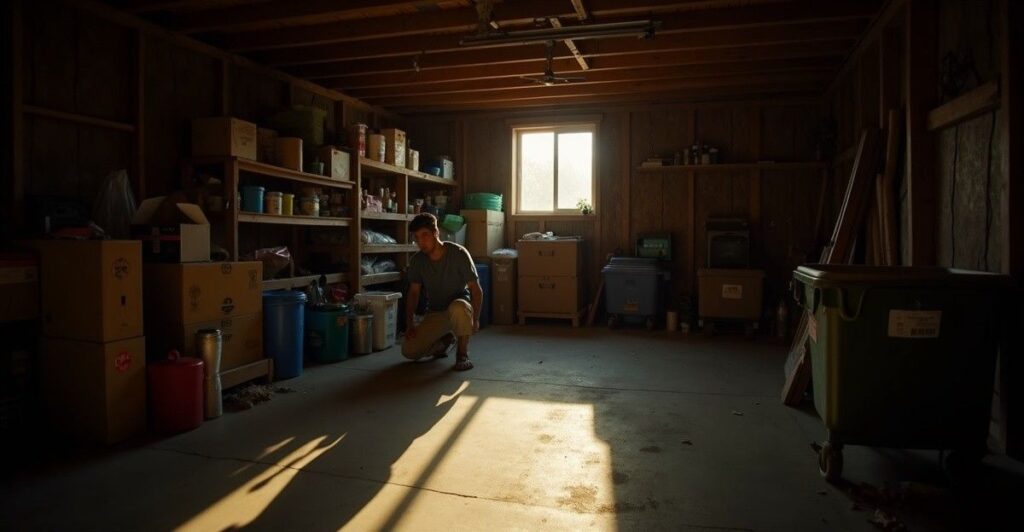
Warmth from water heaters, loose insulation, and cluttered corners give pests the advantage. Items stored directly on the floor or in cardboard boxes provide nesting spots and easy cover. Pet food in unsealed bins or bulk grains stored for livestock or hobbies can feed bugs and rodents alike.
In warmer months, the garage becomes a haven for insects. Silverfish and spiders respond to the dampness and dark corners. Ants follow scent trails in from the yard or cracks in foundations.
It’s helpful to know: these conditions are common. They don’t mean a space is dirty or poorly maintained. They just make the garage a prime location for seasonal garage pests in East Idaho. Spotting signs of pest infestation in your garage early can help avoid expensive repairs or long-term trouble.
Warning Signs to Watch For: How to Spot a Problem Before It Grows
Many homeowners spot pests only after populations have grown. But there are early signs we can all look for. Catching them early is often the key to keeping issues small — and easier to handle.
Here are some signals that could point to a developing pest issue:
- Chew marks on boxes, wires, or stored fabric
- Scratching or rustling sounds, especially at night
- Small, dark droppings near walls or shelves
- Thin silky webbing in corners or tucked behind items
- Flying insects hovering near old food or grain bins
If something seems off, it probably is. Trust your instincts. We’ve seen everything from chewed-through wiring to contaminated animal feed. And for those running small businesses out of a garage or storing extra goods, pest infestations can put both inventory and operations at risk.
We’re working on expanding pest resources to support local awareness — keep an eye out for new tools like a helpful pest ID chart soon.
Safe First Steps: What You Can Do Right Now
Protecting a garage starts with a few simple tasks. These steps are family-safe and usually pet-friendly when used correctly:
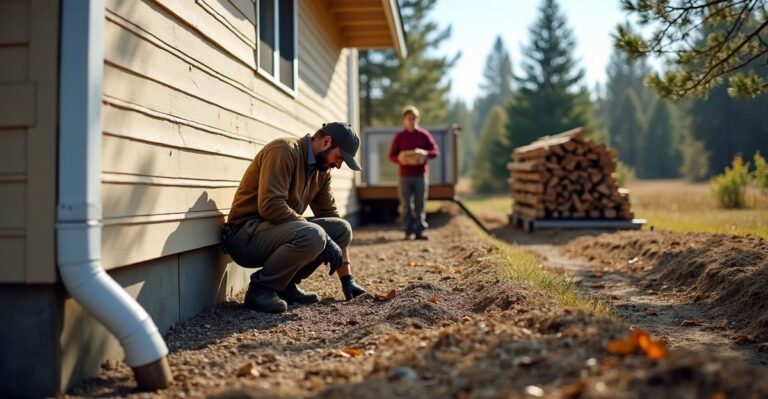
- Seal gaps and cracks along the garage foundation and around doors, following EPA integrated pest management guidance that prioritizes exclusion and sanitation as first-line defenses
- Replace damaged weatherstripping to reduce access points.
- Store food (including pet and bird feed) in sturdy, sealed containers.
- Raise boxes off the floor and avoid using cardboard if possible.
- Declutter tight piles where pests hide and reproduce.
These actions can help reduce the chances of infestation and support safe pest control for family and pets, especially when you understand Are Pest Treatments Safe for Gardens. Still, a small leak, a missed corner, or a long-forgotten box can provide just enough space for pests to return.
DIY options have their limits. For instance, rodents often require focused, multi-step treatment including traps, exclusion, and monitoring. If you’re dealing with recurring activity — or pantry pests that keep coming back — it’s time to bring in support.
When It’s Time to Call in Help
There’s a line between a manageable issue and one that needs professional help. Here’s when we recommend reaching out:
- You’ve tried sealing and removing food sources but still notice droppings or pest signs.
- There’s obvious nesting material, heavy webbing, or larger insect populations.
- You’re unsure what’s causing the problem but know something isn’t right.
In those cases, expert pest control gives you reliable answers and proven results. Working with a local provider means getting a team that understands seasonal garage pests in East Idaho and knows the habits of common pests in Idaho garages.
At Falls Pest Services, we build our plans with safety, simplicity, and long-term protection in mind. We use smart solutions that keep families and pets safe while focusing on root causes, not just symptoms.
Plus, we’re a small, family-run business right here in Eastern Idaho — we’re neighbors, not a big chain. Whether you need precise spider treatments, prevention after identifying pantry pests, or rodent removal in Idaho Falls, we’re here with steady support.
You’re Not Alone: Support That’s Just Around the Corner
If something in your garage seems off — whether it’s a mouse trail, scattered webs, or a bug you can’t identify — you’re not the only one. Eastern Idaho garages are vulnerable to year-round pest pressure. And the good news is, there’s help nearby.
Falls Pest Services offers safe, dependable pest control built with respect and honesty. No pressure. No gimmicks. Just a calm, thorough look at what’s happening in your space — and what you can do about it.
If you’re unsure what’s in your garage or want a second opinion, contact us today or schedule a local service call online. Falls Pest Services is here to help, right around the corner.
Frequently Asked Questions
The easiest way to identify garage pests is by looking for physical signs like droppings, chew marks, webs, shed skins, or damaged packaging. Rodents leave gnaw marks and pellets, insects leave webbing or holes in cardboard, and ants form visible trails. Matching these signs with where they appear helps narrow down the specific pest.
Rodents are the most active garage pests during winter because they seek warmth and shelter. Mice and rats commonly move into garages through small gaps once temperatures drop. Spiders may also remain active indoors. Insects are less visible, but silverfish can still survive in damp, insulated areas.
Ants are smaller, move quickly in visible trails, and are often found near moisture or food sources. Termites are less active in open areas and leave behind mud tubes or damaged wood. In garages, ants are far more common than termites, especially near water heaters, door frames, or cracks.
Spiders in a garage often indicate the presence of other insects they feed on. While spiders themselves are usually harmless, frequent sightings or heavy webbing suggest an available food source. Reducing clutter, sealing entry points, and controlling insects can help limit spider activity over time.
Yes, stored items commonly attract garage pests. Cardboard boxes, pet food bags, birdseed, and paper products provide food and shelter for insects and rodents. Forgotten or unsealed items are especially risky. Using sealed containers, elevating storage, and rotating supplies regularly helps prevent infestations.