How long after pest control is it safe for pets?
Pets can usually re-enter treated areas once surfaces dry fully. Most professional treatments created for pest control that’s safe for pets require a 1–4 hour drying period. Ventilation, surface type, and product choice all affect timing. The exact window depends on the treatment method, location, and the service professional’s instructions, since indoor sprays, flea services, exterior applications, and rodent control each follow different re-entry guidelines.
Key Takeaways
- Most pets can return after treated surfaces dry completely, typically within 1–4 hours for standard interior applications.
- Drying time changes based on ventilation, humidity, surface materials, and whether treatment occurs indoors or outdoors.
- Flea treatments and applications on carpets or upholstery often require longer vacancy periods than focused baseboard or perimeter sprays.
- Once products dry, they bond to surfaces and stay in place, which helps reduce transfer to paws and fur, as explained in EPA guidance on how residual insecticides work indoors.
- We always advise following the exact re-entry instructions our pest control service professional provides for the home and pets.
When Pets Can Safely Re‑Enter After Treatment
In most professional pest control services, pets can return once treated surfaces are completely dry, unless a service professional gives different instructions. For standard interior treatments, the drying time after pest control spray typically ranges from 1–4 hours, depending on ventilation, humidity, and the product used.
There isn’t a single universal timeline. When pest control is safe for pets depends on the specific materials applied, how they’re applied, and whether the treatment was indoors or outdoors. That’s why the most important guidance always comes from the service professional on site.
Homeowners often ask how long after pest control pets can go inside. In many cases, once the spray has dried and the area has been properly ventilated, pets may re-enter treated spaces. Modern products used by licensed professionals are formulated for residential settings and are designed with families and pets in mind under EPA residential pesticide registration standards.
Products used today focus on precise placement and controlled application. When applied correctly, pest control safe for pets is the standard, not the exception. Still, every home and every treatment plan is different. Always follow the specific re-entry instructions provided after service. General advice is helpful, but professional pest control pet safety guidelines always come first.
What Affects Re‑Entry Time for Dogs and Cats
Several factors influence how long pets should remain out of treated areas. We look at the treatment type, application location, airflow in the home, and surface materials before making recommendations.
Treatment Type and Application Area
Different services come with different re-entry considerations:
- General interior spray treatments for ants or spiders are usually safe after the drying time has passed. These applications focus on baseboards, cracks, and entry points rather than wide surface coverage. For example, during an ant control treatment, we apply products in targeted areas to limit exposure.
- Flea treatments may require a longer vacancy period because they often involve broader surface applications, including carpets and upholstered areas.
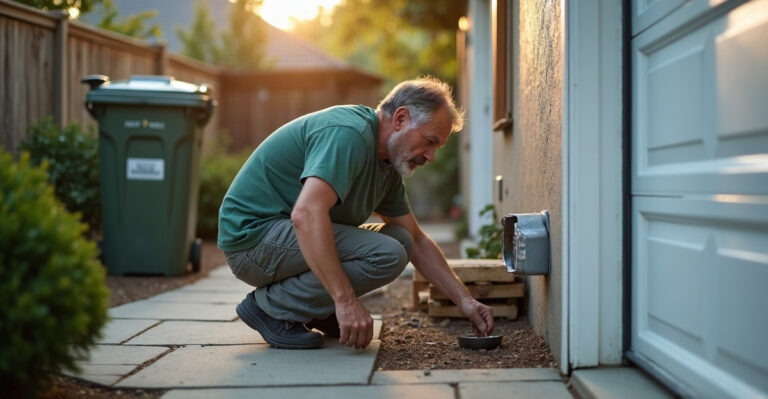
- Rodent control typically uses enclosed, tamper-resistant bait stations placed strategically to prevent pet access. Our rodent control services are designed with pet households in mind.
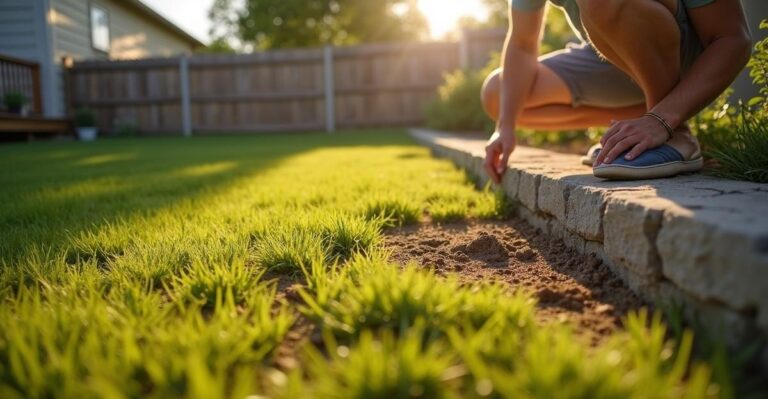
- Exterior perimeter treatments generally dry quickly and pose minimal risk once dry, though pets should stay off treated grass or soil until that drying time after pest control spray is complete.
Indoor and outdoor pest control safety also differ. Indoors, we treat baseboards and crevices. Outdoors, we may treat siding, soil, or foundation lines. Each location affects how quickly surfaces dry and how pets might interact with the area.
As homeowners, we also wonder: Is pest control safe for dogs and cats long term? Professional applications use products labeled for residential use, and they are applied at measured rates intended for effective pest control with minimal disruption to pets.
Ventilation and Surface Factors
Airflow plays a major role in drying time. Open windows, running fans, or active HVAC systems can speed up the process. In winter months around Idaho Falls, closed homes may require a bit more time. In summer, natural airflow often shortens the wait.
Surface type matters as well. Sealed baseboards and siding dry faster than porous materials like carpet or unfinished wood. Carpets and upholstery may retain moisture longer, which can extend how long pets should stay out of the area.
Many residents also ask how long pest control chemicals last once applied. These products are intended to remain active against pests for a set period, but that doesn’t mean they stay wet or transferable. Once dry, they bind to surfaces and work in place. For more context on product persistence, explore how long a pest treatment lasts.
Re-entry timing depends on these combined factors. We avoid blanket statements like “24 hours for everyone” because every home and service plan is unique.
Why Drying Time Matters for Pet Safety
Most professional treatments are liquid formulations. Once applied, they need time to settle and dry fully. During that wet period, there’s a higher chance for transfer onto paws, fur, or skin.
Pets explore with their noses and mouths. If surfaces are damp, they may step in treated areas and later groom themselves. That short window while surfaces are wet is the primary concern.
Once dry, products are designed to remain in place and target pests where they travel. They’re not meant to circulate through the home or linger in the air. That’s why modern pest control safe for pets approaches focus on targeted application rather than broad, unnecessary spraying.
We apply materials along baseboards, entry points, cracks, and exterior perimeters. We avoid pet food, water areas, and bedding. This precision limits exposure while allowing the treatment to do its job.
For homeowners who want deeper insight into indoor safety, our article on indoor pest control safety explains how residential products are selected and applied.
Drying time matters because it marks the shift from fresh application to stable, surface-bound protection. That’s when re-entry is typically appropriate.
How to Prepare Your Home Before Treatment
Preparation makes the process smoother and safer for everyone. A few simple steps help protect pets and allow treatments to work properly.
Here’s what we recommend before service:
- Secure pets in a separate room, crate, or arrange for them to stay off-site during treatment and drying time.
- Remove pet bowls, toys, bedding, and litter boxes from areas that will be treated.
- Cover or temporarily relocate aquariums, and turn off air pumps if advised during treatment.
- Inform the service professional about every pet in the household, including birds, reptiles, and small mammals.
- Ask clearly how long after pest control pets can go inside your specific home.
Seasonal conditions in Eastern Idaho also matter. During colder months, homes stay closed up longer, which may extend drying time slightly. In warmer weather, ventilation often shortens the wait. Our residential pest control services are planned with local climate patterns in mind.
Clear communication helps ensure pet safe pest control treatments from start to finish.
Questions to Ask Your Pest Control Technician
Open conversation removes uncertainty. Before treatment begins, we should always understand the plan and post-service instructions.
Consider asking:
- What product type is being used, and is it labeled for residential use around pets?
- What specific re-entry time do you recommend for this home?
- Are there areas pets should avoid longer than others?
- How long do pest control chemicals last in treated spaces?
- Are there added precautions for puppies, kittens, senior pets, or pets with health conditions?
Following service professional instructions is essential. Safety depends on using the correct product, applying it accurately, and respecting the recommended drying period.
For a clear overview of the process from start to finish, reviewing how pest control services work can help set practical expectations.
Safe, Professional Practices That Protect Your Pets and Peace of Mind
Professional pest control pet safety guidelines prioritize precision, controlled quantities, and placement away from food and water areas. Technicians are trained to assess homes with pets before choosing products or treatment strategies.
Modern pet safe pest control treatments focus on effective control with minimal disruption. We understand that pet owners care deeply about their animals’ health. That concern is valid and common.
At Falls Pest Services, we approach every home with calm attention and clear communication. We serve families across Eastern Idaho with safety, reliability, and honest guidance. If questions come up before or after treatment, we encourage reaching out through our contact page for clear, personalized answers.
Frequently Asked Questions
Most pets can return once treated surfaces are completely dry, typically within 1–4 hours for standard interior applications. Drying time depends on airflow, humidity, and the type of treatment used. Always follow the exact re-entry instructions provided by your service professional, as flea treatments or carpet applications may require a longer waiting period.
Yes, pest control safe for pets products are designed to be low-risk after they dry and bond to surfaces, as noted in university veterinary toxicology guidance on household pesticide exposure. Once dry, the treatment is less likely to transfer to paws or fur. Licensed professionals apply products in targeted areas and at labeled rates to reduce unnecessary exposure in homes with dogs and cats.
Flea treatments often require more time before pets can return. These services may involve broader applications to carpets, rugs, and upholstery, which can retain moisture longer than baseboards. Because pets spend time on these surfaces, service professionals may recommend extended drying and ventilation before allowing animals back into treated areas.
Drying time is influenced by ventilation, indoor temperature, humidity, and surface type. Sealed surfaces like tile or baseboards dry faster than porous materials such as carpet or unfinished wood. Running fans or HVAC systems can help speed up evaporation, while closed, humid environments may slightly extend the waiting period.
Young or small pets may require extra caution because they groom frequently and stay close to the floor. Inform your service professional about all animals in the home, including birds or reptiles. Following personalized re-entry guidelines and removing pet items before treatment helps ensure pest control safe for pets at every life stage.