What’s Attracting Bugs to My Bathroom?
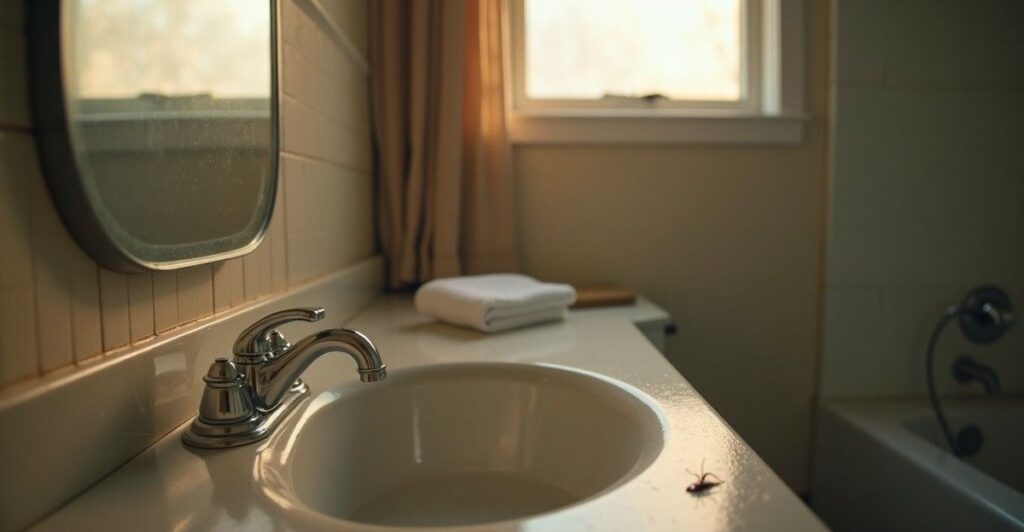
Bathrooms in Eastern Idaho homes often draw bugs due to their steady moisture, warmth, and quiet nooks. From drain buildup and tiny leaks to temperature swings that lead insects inside, these pesky invaders usually arise from fixable moisture and entry issues.
Key Takeaways
- Insects find bathrooms appealing with their available water, humidity, warmth, and low activity.
- The typical bathroom pests here include drain flies, silverfish, spiders, ants, and some beetles.
- Organic material in drains and unnoticed plumbing leaks commonly cause recurring infestations.
- Weather shifts, like sudden cold and snow melting, push pests indoors, often ending up in bathrooms.
- Using consistent ventilation, managing moisture, closing entry points, and routinely cleaning drains prevent persistent issues.
Why Bathrooms Naturally Attract Bugs in Eastern Idaho Homes
Bathrooms create the exact conditions many insects need to survive. That’s why bugs in bathroom areas are such a common concern in Eastern Idaho homes.
Moisture and humidity build up daily from showers, baths, and sinks. Organic matter collects in drains. Small plumbing leaks and pipe condensation provide steady water sources. Gaps around windows, vents, and baseboards allow entry. Together, these factors turn one small room into a reliable shelter.
Water, warmth, and darkness are the three essentials most pests look for, according to university extension guidance on moisture-dependent indoor pests. Bathrooms consistently provide all three. Even minor condensation around a toilet base or under a vanity can support insect activity. Moisture and pests go hand in hand, especially in enclosed spaces with limited airflow.
Homes across Idaho Falls, Twin Falls, Pocatello, Rexburg, Rigby, and surrounding communities often have basements and crawl spaces. Temperature swings during fall and winter drive seasonal pests in Idaho indoors. When colder air sets in, insects search for stable temperatures and accessible water, a pattern noted in seasonal pest behavior reports from regional extension services. Bathrooms often become a primary destination.
So why are there bugs in the bathroom? It usually comes down to access to water, quiet hiding spots, and small entry points that go unnoticed. The good news is that most bathroom pests are linked to correctable conditions.
The Most Common Bathroom Bugs in Eastern Idaho
Different pests appear for different reasons. Identifying which insect we’re seeing helps narrow down the bugs in bathroom causes.
Drain flies are one of the most common. These tiny, moth-like insects rest on walls near sinks or tubs. They often point to organic buildup inside pipes. Many homeowners are surprised to learn how easily pests can come through drains when conditions allow breeding inside.
Silverfish are another frequent visitor. These slender, gray insects thrive in humid spaces and feed on paper products, dust, and residue. Bathrooms with excess moisture and stored paper goods attract them.
Spiders usually follow the food source. If small insects are present, spiders often settle into corners, under vanities, and around window frames. Learning what types of spiders are found indoors helps explain why they prefer undisturbed bathroom areas.
Ants may enter bathrooms during hot, dry summer periods. Water is often the main draw. Understanding what attracts ants to your home highlights how even a small drip can bring them inside.
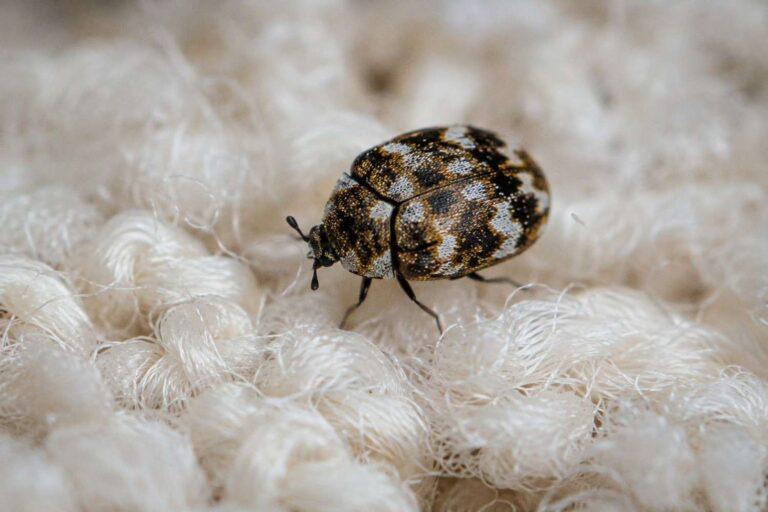
Occasional invaders like beetles may wander indoors during weather changes. Many Eastern Idaho pests simply move inside accidentally while searching for stable shelter.
Most bathroom bugs are nuisance pests. They rarely signal structural damage. However, repeat activity often points to excess moisture or hidden plumbing concerns that deserve attention.
Bugs Coming From the Bathroom Drain: What’s Really Happening
Organic matter builds up inside drains over time. Soap scum, hair, and residue create a thin film along pipe walls. That buildup becomes a perfect breeding site for drain flies and similar insects, as documented in university extension resources on drain fly infestations.
Slow drains or constantly damp pipes allow larvae to develop undisturbed. Adults emerge and gather near sinks or tubs, especially in the evening.
Common signs include:
- Flies appearing primarily around sinks, tubs, or shower drains
- Increased insect activity at night or early morning
- Persistent small bugs in bathroom spaces even after general surface cleaning
Surface cleaning alone doesn’t remove buildup inside the pipe. Gently scrubbing visible areas, flushing drains with hot water, and keeping debris out of the sink can help reduce activity. Consistent moisture control matters just as much as cleaning.
If bugs coming from the bathroom drain continue after basic maintenance, deeper buildup or plumbing issues may be involved. At that stage, a closer inspection often saves time and frustration.
What You Can Check Right Now to Help Prevent Bathroom Pests
Small adjustments can reduce moisture and discourage insect activity. Prevention usually starts with weekly attention to a few simple areas.
Run exhaust fans during showers and for at least 15 minutes afterward. That step alone lowers humidity and limits moisture and pests. If a fan isn’t venting properly, condensation will linger.
Wipe down visible condensation on pipes, toilet bases, and fixtures. Standing moisture under sinks should never be ignored.
Inspect for plumbing leaks beneath vanities and around toilet connections. Even slow drips sustain insect populations.
Seal small gaps around windows, baseboards, and vent openings. Caulking and weather stripping help block entry points used by seasonal pests in Idaho.
Keep drains clear of visible debris. Removing hair and buildup limits breeding sites and supports basic bathroom hygiene.
These steps reflect how to prevent bugs in bathroom spaces through simple weekly maintenance. We focus on family- and pet-safe prevention strategies. Chemical overuse often masks symptoms rather than correcting the source. Consistent moisture control typically brings noticeable improvement.
Many mild bathroom pest concerns resolve with better ventilation and routine upkeep. Regular checks keep minor issues from expanding.
How Seasonal Pests in Idaho Influence Bathroom Activity
Eastern Idaho weather plays a major role in indoor pest sightings. Cold winters drive insects and spiders inside seeking warmth and dependable water sources. Bathrooms provide both.
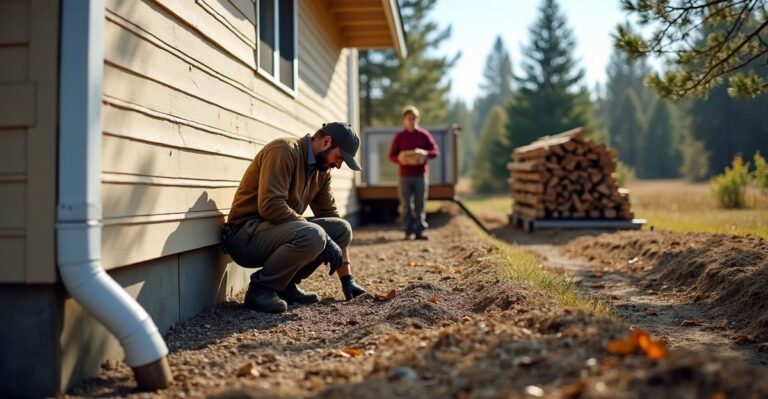
Spring snowmelt increases ground moisture and can raise indoor humidity levels. Basements and lower-level bathrooms feel that shift first. Rural properties and homes with foundation contact may notice increased pest pressure as soil-dwelling insects move upward.
Sudden temperature swings common in Eastern Idaho push insects indoors quickly. A warm spell followed by a cold snap often triggers activity.
Light can also influence insect presence. Exterior lights near bathroom windows draw bugs closer to entry points. Understanding why bugs are attracted to light explains why certain rooms see more activity at night.
Recognizing the timing helps connect sightings with seasonal pests in Idaho. If insects appear after a storm, temperature drop, or snowmelt, weather may be the primary driver rather than a serious structural issue.
When It’s Time to Call a Local Professional
Improved ventilation and cleaning should reduce most minor activity. Ongoing sightings may signal a larger concern.
Call for help if bugs reappear despite consistent maintenance. Expanding activity into other rooms raises additional concern. Visible nesting, steady drain emergence, or growing numbers of small bugs in bathroom areas deserve closer attention.
Hidden leaks and trapped moisture behind walls often go unnoticed without trained evaluation. Knowing when to call pest control often becomes clear when the problem feels repetitive or spreads beyond one space.
A professional inspection identifies root bugs in bathroom causes without guesswork. We look for water sources, entry points, and breeding areas, then make practical recommendations for long-term prevention.
At Falls Pest Services, we approach every home with calm, steady care. Our residential pest control services focus on safe treatments and straightforward solutions for families and pets. If bathroom insects continue to return, we’re always ready to schedule an inspection and help restore peace of mind with clear next steps.
Frequently Asked Questions
Small bugs often appear in bathrooms because the space provides moisture, warmth, and hidden shelter. Many insects depend on water to survive, so condensation, damp towels, and plumbing leaks make the room attractive. Organic residue in drains and low airflow can also support breeding sites. Regular ventilation, cleaning drains, and fixing minor leaks usually reduce repeated insect activity.
Yes, some insects can emerge from bathroom drains when organic buildup forms inside pipes. Drain flies and similar pests lay eggs in the thin layer of residue made of soap scum, hair, and debris. As larvae develop, adult insects appear near sinks or showers. Cleaning drains thoroughly and reducing standing moisture helps prevent insects from breeding inside plumbing lines.
Bathroom insects can sometimes indicate hidden moisture issues. Small leaks under sinks, condensation on pipes, or slow drains create consistent water sources that attract pests. While occasional insects are normal, frequent sightings may signal excess moisture or buildup in pipes. Checking for leaks, improving ventilation, and maintaining clean drains can help eliminate the conditions that support infestations.
The most common bathroom pests include drain flies, silverfish, spiders, ants, and occasional beetles. Drain flies typically gather near sinks or tubs, while silverfish prefer humid areas with paper or dust. Spiders usually appear where smaller insects are present as prey. Identifying the specific insect helps determine the underlying cause and the best prevention method.
Preventing bathroom bugs mainly involves controlling moisture and removing breeding sites. Use exhaust fans during and after showers to reduce humidity, clean drains regularly to remove organic buildup, and repair any plumbing leaks. Sealing gaps around windows, vents, and baseboards can also block entry points. Consistent cleaning and moisture control make bathrooms far less attractive to insects.