Can Bugs Survive in Clean Homes?

Many homeowners wonder why pests appear in their clean homes despite thorough housekeeping and routine cleaning. Bugs manage to invade because they need food, moisture, shelter, and warmth, which they find through tiny structural openings, seasonal shifts, and concealed access points that neatness alone can’t prevent.
Key Takeaways
- Clean homes still face pest problems due to minor entrances, moisture issues, and ease of access to shelter and warmth.
- Spotting one pest might hint at a bigger problem since many insects and rodents travel, nest, or forage in groups.
- Seasonal shifts in Eastern Idaho, like chilly winters and irrigation during warmer months, often drive pests indoors.
- Common entryways include foundation cracks, spaces around doors and vents, plumbing lines, HVAC systems, and stored household items.
- Effective prevention should mix good sanitation with sealing gaps, controlling moisture, suitable storage, and routine professional inspections as necessary.
Why You’re Seeing Pests Even in a Well-Kept Home
Bugs can live in a clean home. Cleanliness helps, but it doesn’t make a house pest-proof.
We hear it all the time across Eastern Idaho: “Why do we have bugs in our clean house?” It’s a common concern in Idaho Falls, Twin Falls, Pocatello, Rexburg, and Rigby. The short answer is this—pests don’t care how tidy a space looks. They care about food, water, shelter, and warmth.
A home can be spotless and still offer all four.
Dry winters push insects and rodents indoors to escape freezing temperatures. Spring irrigation and nearby agricultural fields increase insect pressure. Seasonal weather swings move pests from the yard into basements, crawl spaces, and attics. Even newer developments can disturb soil and drive insects toward finished structures.
Seeing pests does not automatically mean poor housekeeping. It usually means something small and unnoticed is giving them what they need to survive.
Common “Bugs in Clean House Myths” — And the Facts
There are many bugs in clean house myths that create confusion and unnecessary frustration. Let’s clear up some common pest myths with straightforward facts.
Myth: Only Dirty Homes Get Pests
Even spotless homes can have tiny entry points, moisture issues, or hidden food sources. A gap under a door, a crack along a foundation, or a damp crawl space can be enough. Crumbs aren’t always required. Ants, for example, are strongly attracted to even trace sugars and proteins. We often point homeowners to practical explanations about what attracts ants so they understand how subtle these triggers can be.
Myth: If I See One Bug, It’s No Big Deal
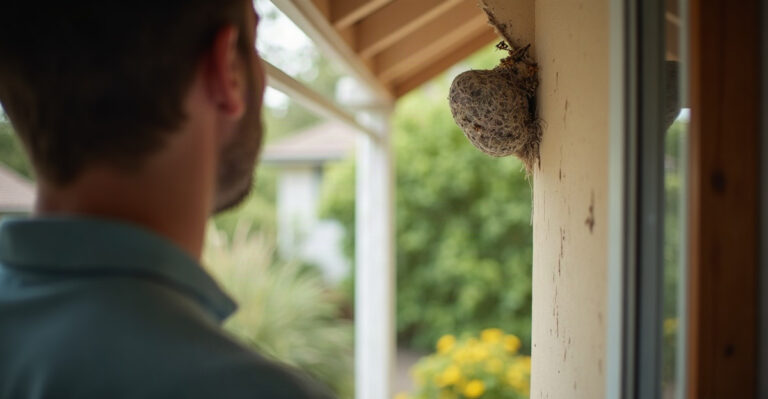
One ant may be a scout marking a trail. One roach can indicate hidden activity. One rodent sighting often means others are nearby. Store sprays might knock down what’s visible, but they rarely address nests, entry points, or breeding areas.
New homes aren’t immune either. Soil disruption, fresh framing gaps, and nearby construction create opportunities for insects and rodents to move in. And cold winters don’t eliminate everything. Many species overwinter inside wall voids, attics, and basements.
Homeowners often ask, do I need pest control if my house is clean? Clean habits are important. Still, protection requires more than wiping surfaces. In most cases, we focus on inspection, exclusion, and monitoring to manage the root of the problem.
How Pests Get Into Homes (Even Clean Ones)
Understanding how pests get into homes makes the issue less mysterious. Most entry points are small and easy to miss during regular cleaning.
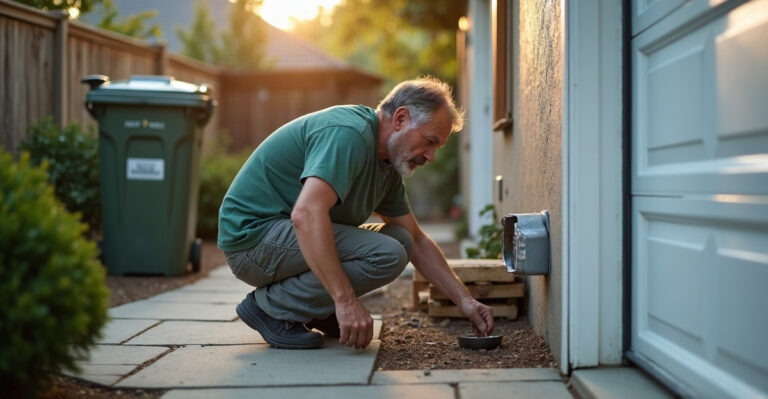
Structural gaps are a big factor. Tiny openings around windows, doors, siding, attic vents, and utility lines can provide access. Rodents can squeeze through surprisingly tight spaces. Insects need even less room.
Moisture also draws pests indoors. Plumbing leaks under sinks, condensation around HVAC components, damp crawl spaces, and clogged drains create ideal shelter. We often explain how pests enter through plumbing in our resource on pests coming through drains, because many homeowners don’t realize how common that pathway is.
Air systems can contribute as well. Gaps in ductwork or poorly sealed vents allow insects from crawl spaces or attics to circulate. Our breakdown on bugs through HVAC systems covers how that happens.
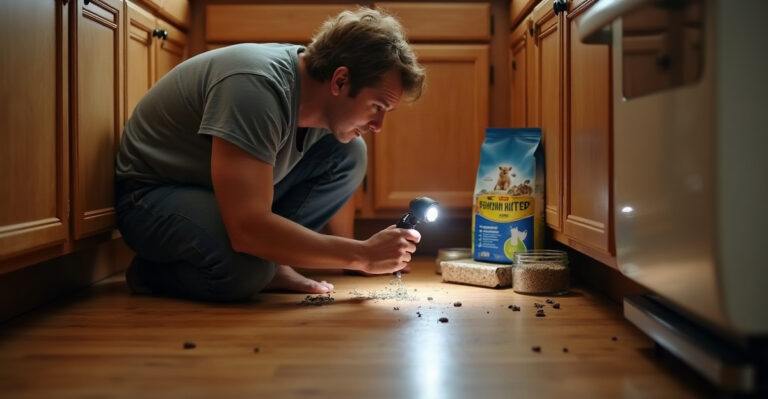
Everyday household items create opportunities too. Cardboard boxes in storage, pet food in thin bags, and pantry goods in original packaging attract pests. Landscaping plays a role. Shrubs touching siding, mulch against the foundation, and firewood stacked near the home provide bridging pathways.
On top of that, pests sometimes hitchhike inside. Grocery bags, shipments, and secondhand furniture can carry insects into an otherwise clean home.
Cleaning rarely addresses structural and environmental access points, which is why pests in clean homes are so common.
Seasonal Pests in Eastern Idaho Homes
Seasonal pests in Eastern Idaho follow predictable patterns tied to weather and temperature.
In spring, ants become active. Many homeowners wonder why they’re seeing ants in a clean kitchen. Colonies expand and send out foragers looking for moisture and food. Even a clean countertop can provide enough scent to trigger trailing. For persistent activity, targeted ant control services focus on the source colony rather than just visible trails.
Summer brings increased insect pressure due to warmth and irrigation. Flies, spiders, and occasional invaders become more active around homes and businesses.
Fall shifts the pattern again. Spiders often move indoors as prey insects decline outside. Rodents begin looking for stable warmth before hard freezes arrive. Professional rodent control becomes especially important during this season to prevent nesting in attics and wall voids.
Winter doesn’t eliminate pests. It simply changes their behavior. Many insects shelter inside walls, basements, and storage areas to survive freezing temperatures. Activity might slow, but it rarely stops entirely.
Across Idaho Falls, Twin Falls, Pocatello, Rexburg, and Rigby, these seasonal shifts are consistent year after year.
Practical Prevention Steps That Make a Difference
Good sanitation matters. Still, prevention goes beyond cleaning.
We recommend focusing on structural and environmental control. These steps make a measurable difference:
- Seal cracks and gaps with caulk and weather stripping.
- Store pantry goods and pet food in airtight containers.
- Repair plumbing leaks promptly.
- Use proper ventilation or dehumidifiers to reduce moisture.
- Trim shrubs and vegetation away from siding.
- Schedule routine inspections to catch small problems early.
Many homeowners ask again, do I need pest control if my house is clean? In many cases, pairing good household habits with professional inspection offers the strongest long-term results. No home can be completely sealed or immune, as we explain in our guide on pest-proofing a home completely. The goal is to reduce risk and respond early.
For those who prefer minimal chemical use, practical prevention can also include physical barriers and exclusion techniques discussed in keeping bugs out without chemicals. We take the same balanced approach in our service recommendations.
When It’s Time to Call a Local Professional
Occasional sightings can happen in any home. Recurring activity is different.
Signs that it’s time for help include ongoing ant trails, droppings, nests, chewed materials, structural damage, or repeated sightings in the same areas. Businesses often have added sanitation and compliance considerations, which require consistent monitoring.
Reliable Idaho Falls pest control focuses on thorough inspection, honest assessment, and steady protection rather than quick fixes. Our residential pest control services focus on family-safe practices and long-term prevention. We adjust plans based on season, structure, and pest pressure.
We don’t promise a home will stay 100 percent pest-free forever. Nature makes that unrealistic. What we do provide is consistent service, responsive support, and local expertise homeowners across Eastern Idaho can rely on.
If pests continue showing up despite good cleaning and prevention habits, we encourage reaching out through our contact page for an inspection. A clear plan and steady protection make all the difference.
Frequently Asked Questions
Many people believe pests only live in dirty environments, but this is one of the most common bugs in clean house myths. In reality, insects and rodents enter homes searching for food, water, warmth, and shelter. Even spotless homes can provide these essentials through tiny crumbs, moisture sources, or structural gaps. Cleanliness helps reduce risk, but it cannot completely prevent pests from entering.
Yes, bugs can survive in a clean house because they often find alternative food and moisture sources. Tiny crumbs, pet food, pantry items, condensation, or even organic debris in drains can support pest activity. Some insects also feed on materials like paper, glue, or fabrics. This is why sanitation alone does not eliminate pests if entry points and moisture problems remain.
Seeing one bug does not always mean a serious infestation, but it should not be ignored. Many insects, such as ants and cockroaches, send out scouts to locate food and mark trails for others. If conditions are favorable, more pests may follow. Monitoring activity and checking for entry points helps determine whether the sighting is isolated or part of a larger pest problem.
Clean homes can still attract pests through moisture, warmth, and shelter. Plumbing leaks, humid crawl spaces, stored cardboard boxes, and gaps around windows or doors create ideal hiding places. Outdoor factors such as nearby landscaping, mulch, or seasonal weather changes can also push insects indoors. These environmental conditions often matter more than surface cleanliness.
Preventing pests requires a combination of sanitation, home maintenance, and exclusion techniques. Sealing cracks, repairing leaks, storing food in airtight containers, and reducing indoor moisture can limit pest access to resources. Regular inspections and monitoring also help identify early warning signs. When problems persist, professional pest control can locate hidden entry points and address the root cause.