Signs of Termite Damage in Homes
Termite damage can show up as pencil-width mud tubes, hollow or weakened wood, shed wings, swarmers, and paint or drywall changes that look like moisture damage. Termites often stay hidden in walls, floors, crawl spaces, and structural wood. A professional inspection can confirm active termites, past damage, another pest, or moisture issues.
Key Takeaways
- Look for several clues, since one sign alone doesn’t confirm active termite activity.
- Check accessible areas near foundations, crawl spaces, exposed framing, decks, porches, fences, sheds, and stored wood.
- Moisture, poor drainage, leaks, and wood-to-soil contact can make a property more attractive to termites.
- Avoid spraying pesticides, removing mud tubes, or opening walls. These actions can disturb evidence and create safety risks.
- Photograph suspected damage and schedule an inspection if mud tubes, shed wings, swarmers, or unexplained wood damage appear.
Possible Termite Signs That Deserve a Closer Look
Termite damage signs can be easy to miss because termites often remain inside walls, floors, crawl spaces, and structural wood. No single clue proves active termites, but several signs together call for a closer look.
Quick Checklist: Possible Termite Damage Signs
These conditions may indicate termite activity or existing damage:
- Pencil-width mud tubes
- Wood that sounds hollow or feels soft, thin, or unusually weak
- Blistered, bubbled, peeling, or uneven paint and drywall
- Rough, irregular wood galleries that may contain soil-like material
- Swarming insects indoors or near the building
- Small piles of shed wings
- Warped or difficult-to-operate doors, windows, baseboards, or trim
- Damage in crawl spaces, decks, fences, sheds, and other wood structures
Early termite signs may be subtle, and damage can resemble moisture problems or activity from other wood-damaging pests. We recommend a prompt assessment when evidence is present or unclear. An inspection can reduce uncertainty and may help prevent further damage without treating every sign as an emergency.
What Does Termite Damage Look Like?
Termite wood damage often develops out of sight. Termites can feed within wood members and concealed areas for some time before visible surfaces change. That’s why knowing how to detect termites involves looking for patterns, not relying on one damaged board or one insect sighting.
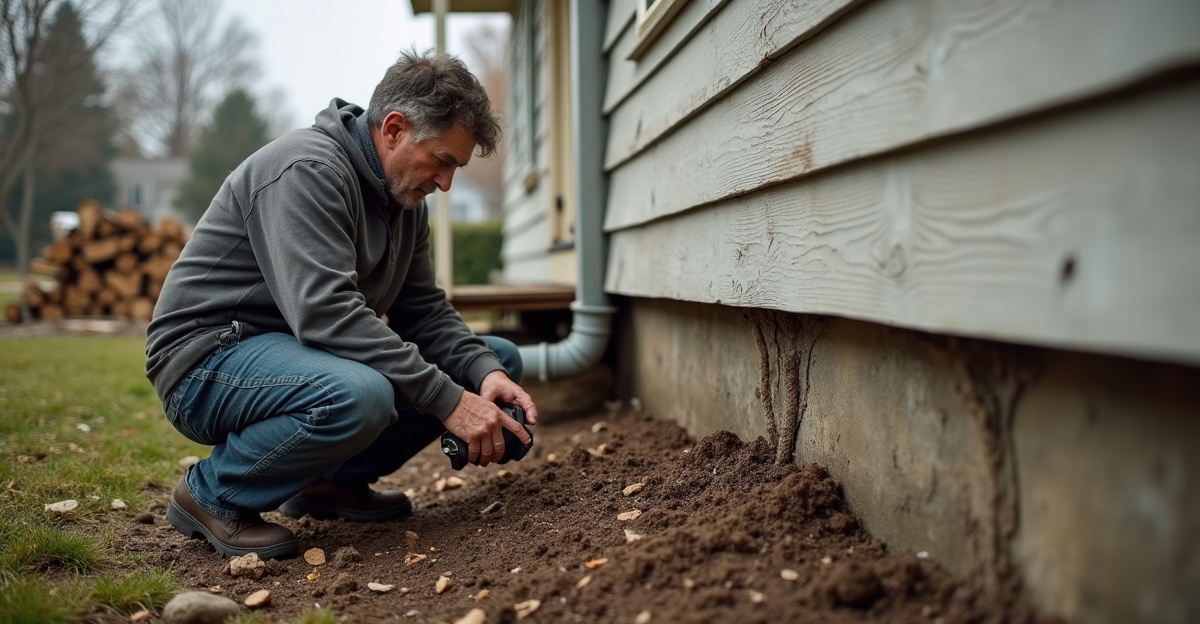
One of the clearest possible signs is a pencil-width mud tube along a foundation wall, crawl-space surface, pier, utility area, or exposed framing. Subterranean termites may use these covered pathways to travel between soil and wood. Still, the absence of visible tubes does not completely rule out termites.
Wood may also sound hollow when gently tapped. It can feel soft, thin, or weaker than expected. We don’t recommend probing deeply, removing trim, dismantling materials, or disturbing suspected activity. Those actions can damage the area, obscure evidence, and create safety concerns.
Painted surfaces can also change. Blistered, bubbled, peeling, or uneven paint and drywall may resemble water damage. Damaged wood may reveal rough, irregular galleries, sometimes with soil or mud inside. These termite damage signs require inspection to confirm the cause.
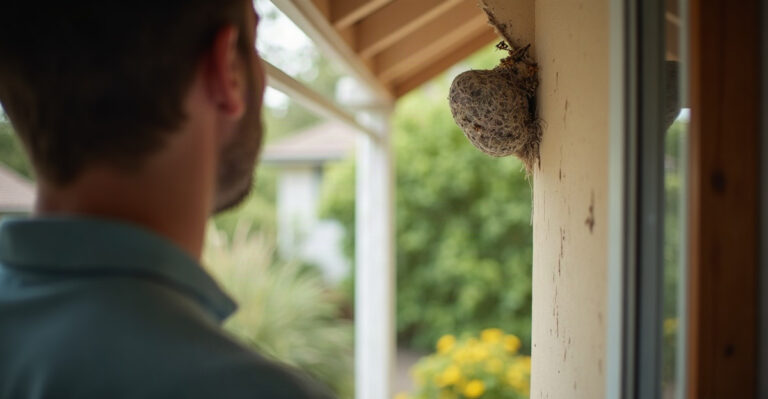
Swarmers are reproductive termites that fly out to start new colonies. Finding swarming insects indoors or close to a building may indicate termite activity, though an inspection is needed to identify the insects accurately. Small piles of shed wings near windows, doors, light fixtures, or vents also deserve attention.
Warped trim and doors or windows that suddenly become difficult to operate can be consistent with termite damage. Moisture can cause the same issues, so these changes should not be used as proof of termites on their own. For another possible clue, review termite droppings signs and compare them with what we see around the property.
Where to Look Safely and What Can Make a Property More Favorable to Termites
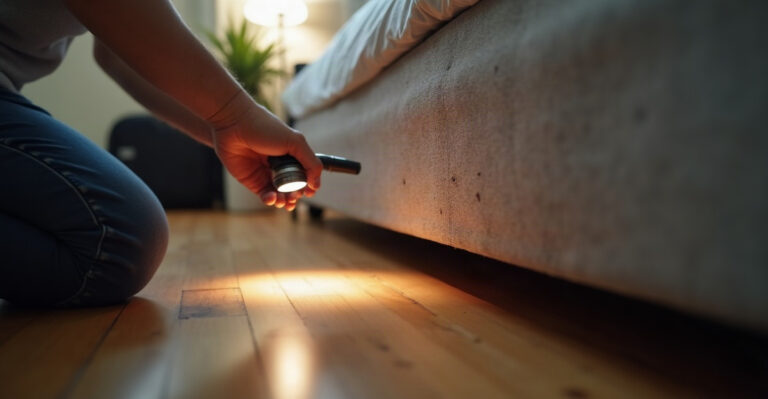
We recommend visual checks of accessible areas only. A careful walk around the foundation perimeter, garage edges, utility rooms, window sills, baseboards, exposed framing, decks, porches, fences, sheds, and wood stored near the property can reveal early termite signs.
Crawl-space entrances may also offer useful visibility. We should never enter an unsafe crawl space, pull apart walls, dismantle structures, or disturb suspected activity. Limited access, standing water, damaged framing, pests, and poor air quality can make enclosed areas unsafe.
Homes and small businesses in Idaho Falls, Twin Falls, Pocatello, Rexburg, Rigby, and surrounding Eastern Idaho communities can develop conditions that make termite activity more favorable. That does not mean every local property has termites. It does mean routine monitoring and property care matter.
Water leaks, plumbing moisture, poor drainage near the foundation, and damp crawl spaces can create conditions pests may use. Our guide to moisture and pest problems explains why resolving moisture concerns is an important part of prevention.
Wood-to-soil contact is another condition worth correcting where possible. Firewood, lumber, cardboard, and wood debris stored against a structure can hold moisture and limit visibility around the foundation. We recommend moving these materials away from the building when it can be done safely. Untreated exterior wood near soil, concealed areas around decks and porches, and utility penetrations also deserve regular monitoring.
These are common conditions that can be corrected or monitored over time. Consistent upkeep helps limit opportunities for pests. Our practical tips for property maintenance and pest prevention can help us focus on the areas that matter most.
For ongoing protection at a home, our residential pest control team can help identify pest pressure and favorable conditions. Property managers and business owners can also rely on our commercial pest control options for practical service planning.
Termites, Carpenter Ants, Beetles, or Moisture Damage?
Wood damage, flying insects, shed wings, and moisture issues can have several causes. Each sign may indicate a pest concern, but an inspection is needed to confirm what created the damage and whether activity is current.
Termite galleries are often rough and irregular. They may contain soil or mud. Carpenter ant galleries generally appear smoother and cleaner, and sawdust-like debris may be nearby. Wood-boring beetles may leave small exit holes and powdery dust, depending on the species. For help identifying other wood-damaging insects, see our information on wood-boring beetle control and carpenter ant concerns.
Moisture damage can soften, stain, blister, or warp wood without confirming insect activity. Decay, older pest damage, and construction issues can also create surfaces that look similar to termite wood damage.
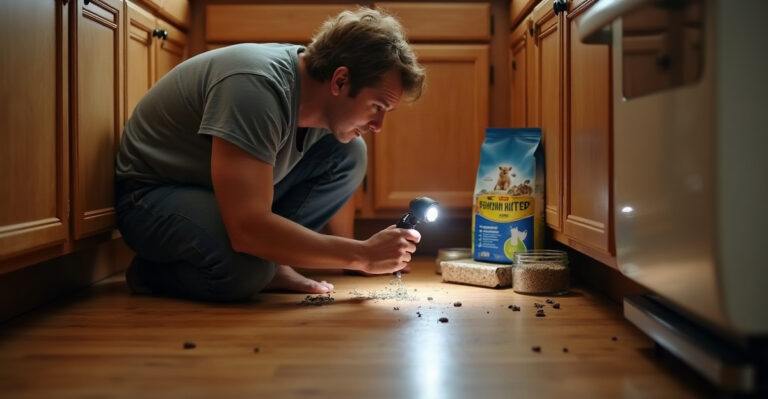
Frass means insect droppings or debris. Drywood termite frass can be a useful clue in some situations, but it is not necessarily the primary indicator in every region or property. A professional inspection considers the full picture, including the type of damage, its location, nearby moisture, and visible insect evidence.
What to Do When We Find Possible Termite Damage
Start by taking clear photos from a safe distance. Record the location, date, and nearby conditions, including leaks, damp soil, plumbing concerns, or damaged exterior wood. Good notes help an inspector evaluate the situation efficiently.
Avoid spraying insecticides, knocking down mud tubes, tearing open walls, or applying household chemicals. DIY pesticide treatments and opening structural areas can create safety concerns, disturb evidence, and fail to address concealed activity.
We recommend scheduling a qualified termite inspection when we find mud tubes, shed wings, suspected swarmers, unexplained wood damage, hollow-sounding wood, recurring moisture near structural wood, or uncertainty about the source of damage. Early assessment is a sensible step even when the evidence turns out to be moisture-related or caused by another pest.
During an inspection, a professional typically checks accessible interior and exterior areas, foundation zones, safely accessible crawl spaces, visible wood components, moisture-prone locations, and evidence of pest activity or favorable conditions. The goal is to identify what we can see and recommend practical next steps. A trustworthy inspection should provide clear answers, not pressure anyone into unnecessary treatment.
If we’ve noticed possible termite damage signs in an Eastern Idaho home or business, Falls Pest Services can help us get clear answers. Our pest control professionals can determine whether termites, another pest, or moisture-related damage may be involved. To arrange an inspection, contact Falls Pest Services for straightforward guidance.
Common Questions About Early Termite Signs
Can termites damage a house without visible mud tubes?
Termites can damage a house without visible mud tubes. Subterranean termites may build mud tubes, but activity can remain hidden in walls, floors, crawl spaces, and structural wood. No visible tubes does not completely rule out termites.
What are possible early termite signs?
Possible early termite signs include mud tubes, shed wings, swarmers, rough galleries in damaged wood, hollow-sounding wood, and surfaces that look blistered or water-damaged. These clues help us understand how to detect termites, but they do not replace an inspection.
Does termite damage always mean termites are active?
Termite damage does not always mean active termites are present. The damage may be older, connected to another wood-damaging pest, or related to moisture and decay. An inspection is the best way to determine what is happening now.
What should we do if we suspect termites?
We should avoid treating suspected termites with DIY pesticides or opening walls and structural areas. Instead, document what we see, avoid disturbing the area, and arrange a professional evaluation. If mud tubes, wings, swarmers, or unexplained structural wood damage appear, schedule an inspection soon. A timely assessment can clarify the issue before additional damage has an opportunity to occur.