Common Signs of a Spider Infestation
Spider infestation signs matter most when they form a pattern. Repeated sightings, returning webs, egg sacs, or activity across several rooms can signal a larger issue. These signs often indicate insect prey, protected hiding places, moisture, clutter, or entry gaps that let spiders stay near a home or business.
Key Takeaways
- A single indoor spider often appears by chance, but frequent sightings over several days or weeks need closer attention.
- Webs that return after removal, especially near windows, doors, shelving, and garage corners, often signal ongoing spider activity.
- We should remove egg sacs from protected areas, including storage spaces, basements, garages, and sheds, with care. We shouldn’t rely on appearance alone for identification.
- Spiders often stay where insects, clutter, damp conditions, and gaps around doors, windows, pipes, or foundations provide food and shelter.
- A professional assessment can help when spider activity continues, reaches several areas, or affects spaces used by children, pets, customers, or employees.
What Counts as an Ongoing Spider Problem?
One spider indoors may be incidental, while repeated sightings, recurring webs, or activity across several areas deserve closer attention. Most spiders aren’t aggressive, and an occasional spider may have wandered inside while looking for shelter or insect prey.
The key spider infestation signs involve patterns, not a single encounter. Frequent spider activity can indicate that spiders have found reliable hiding places, easy access into the building, or a steady food source nearby. It may also point to an insect issue that supports spiders inside the home.
In Eastern Idaho, changing temperatures and outdoor insect activity can lead spiders and other pests to protected spaces. Homes, garages, sheds, basements, storage areas, and businesses can all provide shelter during these shifts. Our guide to spiders coming inside in fall explains why seasonal conditions often affect indoor sightings.
An ongoing concern doesn’t always mean there is a severe infestation. Still, repeated signs should prompt a closer look at entry points, storage conditions, moisture, and insect activity around the property.
Spider Infestation Signs That Deserve Closer Attention
Frequent sightings over several days or weeks often suggest more than an isolated spider. Activity in several rooms also matters. Spiders found in bedrooms, kitchens, basements, garages, storage rooms, offices, and entryways may indicate that the building has several suitable hiding or feeding areas.
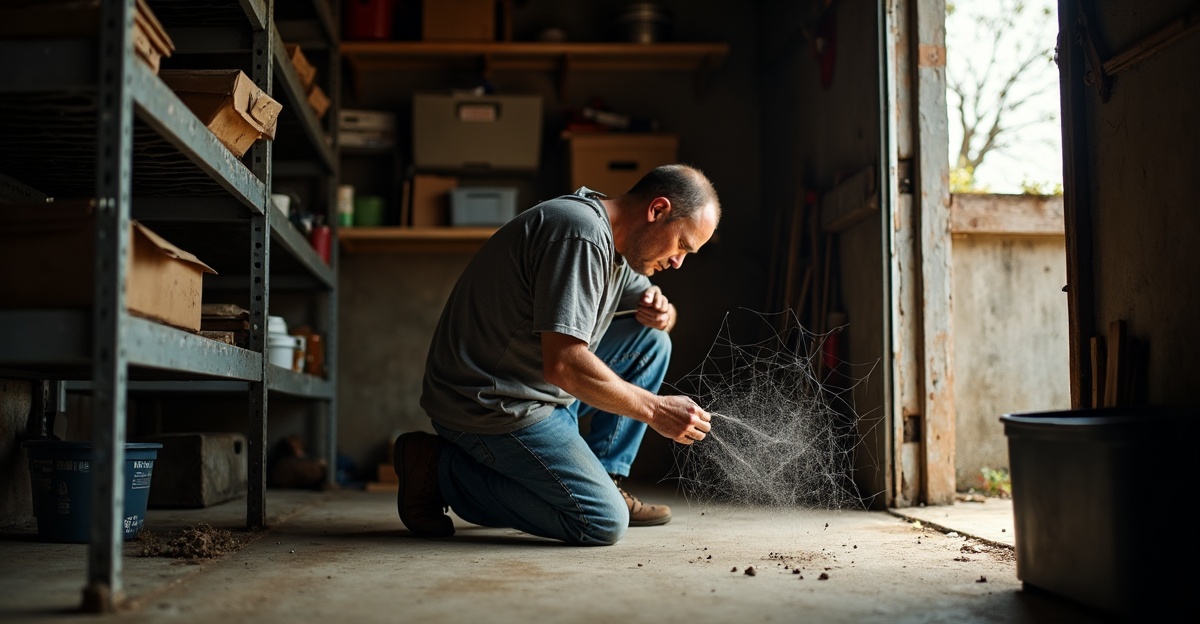
Webs that return shortly after removal are another common sign. Repeated webs in ceiling corners, around windows, along shelving, near exterior doors, or in garage corners can indicate continued activity in the same area. Removing a web improves appearance, but it doesn’t always address the conditions that attracted the spider. Read more about recurring spider webs and what they can tell us about a property.
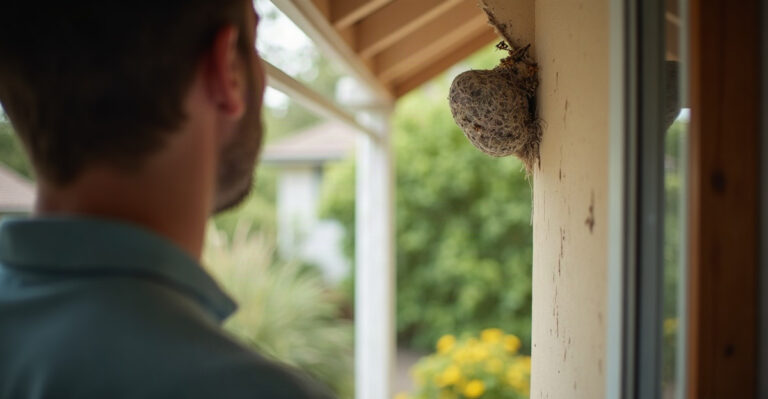
Egg sacs also deserve attention. These are often small, silk-covered sacs attached to a web or protected surface. They may appear in corners, storage spaces, window areas, basements, garages, sheds, or utility areas. We shouldn’t identify a spider species from an egg sac’s general appearance. Safe removal and proper inspection are better than guessing.
An increase in insects may point to the reason spiders keep appearing. Spiders feed on insects, so flies, ants, beetles, moths, and other small pests near or inside a structure can support continued spider activity. Cracks, clutter, damp areas, exterior lighting, and gaps around windows or doors can all contribute.
For small businesses, webs in entryways, restrooms, customer-facing spaces, kitchens, warehouses, or storage areas can affect cleanliness perceptions. Repeated activity in these areas often suggests conditions worth inspecting before the concern grows.
Where Spiders Hide Inside and Around a Property
Spiders prefer quiet areas where they can avoid disturbance and find insects. Basements, crawl spaces, garages, attics, utility rooms, closets, storage areas, and seldom-used rooms are common indoor hiding places.
Check carefully behind furniture, boxes, shelving, wall hangings, appliances, shoes, and stored materials. Pay close attention to window frames, door frames, vents, foundation gaps, and spaces around plumbing or utility lines. These spots can give spiders and the insects they feed on a path indoors.
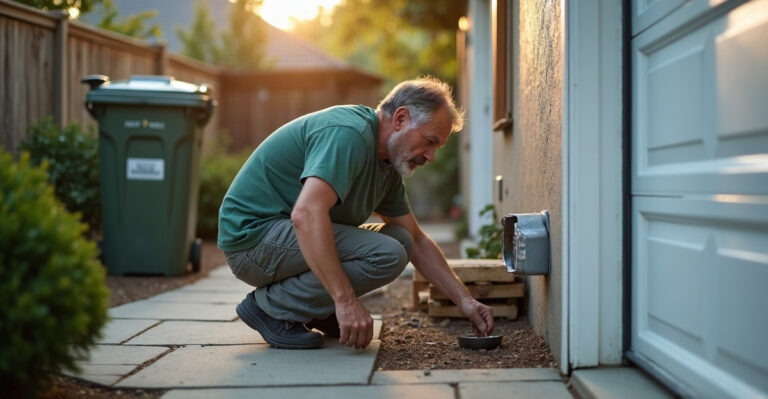
Outdoor conditions matter as well. Sheds, woodpiles, debris, dense vegetation, and exterior lighting zones can support spider activity near a building. Rural and suburban Eastern Idaho properties may have more outbuildings, yards, garages, crawl spaces, and storage areas that offer sheltered conditions.
Use care while moving stored items, shoes, boxes, firewood, or outdoor materials. This is especially important in areas used by children and pets. If the species is uncertain, avoid handling the spider. Our overview of indoor spider types can help explain why identification is best left to clear evidence and professional assessment.
Why Spiders May Keep Appearing Indoors
Spiders usually remain where food, shelter, and access are available. Visible spiders are often part of a larger property condition rather than the only issue.
Available insect prey indoors or near the structure can support continued activity. Outdoor lights may attract insects around doors, windows, patios, and exterior walls. Spiders may then establish webs or hiding areas close to those food sources.
Clutter and undisturbed storage create protected spaces for spiders and insects alike. Damp basements, crawl spaces, utility areas, and plumbing leaks can also support insect activity. In turn, spiders may follow.
Gaps around doors, windows, pipes, utility openings, foundations, and damaged screens allow spiders and other insects to enter. Seasonal changes can further encourage pests to move into protected indoor spaces.
Lasting control involves more than removing the spiders we can see. We recommend reducing insect food sources, limiting entry points, and correcting conditions that make a property attractive to pests. Early action is usually simpler, which is why it helps to know how to spot pest problems early.
How to Reduce Spider Activity Safely
A few practical steps can reduce spider activity and make a home or business less inviting to insects. Start with regular cleaning, careful exclusion work, and better storage habits.
Practical Prevention Steps
These measures work best when used together:
- Vacuum webs, egg sacs, and visible spiders carefully. Dispose of vacuum contents promptly when possible.
- Reduce clutter in garages, basements, closets, storage rooms, and business storage areas.
- Use sealed plastic bins instead of cardboard boxes when practical.
- Seal gaps around doors, windows, pipes, utility penetrations, and foundation openings.
- Repair torn window screens and maintain door sweeps.
- Keep exterior areas tidy, and manage outdoor lighting where feasible to reduce insect attraction.
- Move firewood, debris, and dense vegetation away from the foundation when possible.
Use caution while handling boxes, shoes, stored belongings, and outdoor materials. Avoid broad pesticide use, foggers, chemical mixing, or excessive DIY applications. These methods can create unnecessary risks for children, pets, customers, and employees without resolving the source of the problem.
If store-bought products are considered, follow the label exactly. Persistent activity often benefits from professional guidance instead. For more direct cleaning and exclusion advice, see our resource on getting rid of house spiders.
When to Call a Professional for Spiders
Professional help makes sense when sightings are frequent, cleaning and exclusion efforts haven’t worked, or webs and egg sacs keep returning. An inspection is also appropriate when spiders appear throughout multiple rooms, business areas, or storage spaces.
We recommend prompt assessment when activity affects areas used by children, pets, tenants, customers, or employees. A noticeable insect issue may also need attention, since insect prey can support recurring spiders. Businesses may benefit from commercial pest control when spider activity affects sanitation, comfort, or customer experience.
Seeing one spider doesn’t automatically mean there is an infestation. There is no fixed number of spiders that defines an infestation either. Repeated sightings, recurring webs, egg sacs, and activity in multiple locations offer a more useful picture than a simple count.
Spiders may keep appearing because insects, shelter, moisture, clutter, or entry gaps remain available. Webs often return after removal because another spider is active in that area or because conditions continue to support insect prey nearby.
Avoid identifying a spider as medically significant based on a vague description or distant photo. If there is concern about a spider or a possible reaction, don’t handle the spider. Seek appropriate medical guidance for concerning symptoms.
Homeowners and small business owners in Idaho Falls, Twin Falls, Pocatello, Rexburg, Rigby, and nearby Eastern Idaho communities can contact Falls Pest Services when activity continues, spreads, or simply causes concern. Our spider control service provides a family- and pet-conscious assessment and treatment plan that focuses on the conditions supporting the activity, not just the spiders that are visible.