Signs of Rats in Your House: What to Look for First?
Signs of rats in a house often appear near food, water, and sheltered travel routes. We commonly find activity in kitchens, utility rooms, garages, crawlspaces, and attics. Check for fresh droppings, nighttime sounds, gnaw marks, nesting materials, rub marks, and exterior gaps that let rodents enter.
Key Takeaways
- Inspect sheltered spaces along walls and near food sources before moving stored items or furniture.
- Look for several signs at once, since droppings, sounds, damage, and odors give us a clearer picture than a single clue.
- Check wiring, food packaging, pet-food bags, and water lines quickly, as rat damage can cause safety and sanitation issues.
- Keep children and pets away from suspected activity, and avoid sweeping or vacuuming dry droppings.
- Schedule a professional inspection for repeated signs, suspected nests, ongoing sounds, increasing damage, or unidentified entry points.
What to Check First When We Suspect Rats
Start with the places that give rats food, water, warmth, and cover. Rats usually stay out of view, so one clear sign may point to a larger access or nesting issue nearby.
We should focus first on kitchens, pantries, utility rooms, basements, garages, sheds, crawlspaces, attics, and areas near pet food or bird seed. Check these spaces carefully before moving furniture or opening stored boxes, since activity often stays close to walls and protected routes.
First Checks in Order
Use this simple order to identify early signs of rats in a house:
- Look for fresh droppings in sheltered areas, along walls, and near food sources.
- Listen for nighttime scratching, scurrying, squeaking, or movement in walls and ceilings.
- Inspect food containers, pet-food bags, boxes, wiring, and wood for gnawing damage.
- Check hidden spaces for nesting material, odors, tracks, and greasy rub marks.
- Inspect exterior openings around foundations, pipes, vents, garage doors, rooflines, and sheds.
Don’t assume a quiet home means there is no problem. Rats often travel after dark and may spend daylight hours in walls, crawlspaces, storage areas, or voids above ceilings. Early action makes it easier to limit damage and keep rodents from settling in.
For a broader look at early warning signs, review signs of a pest problem before activity spreads into additional rooms.
The Most Reliable Signs of Rats in a House
Several forms of evidence together provide the clearest answer to how to tell if we have rats. Droppings alone can be useful, but their size and condition can vary. We should look for patterns of activity instead of relying on one clue.
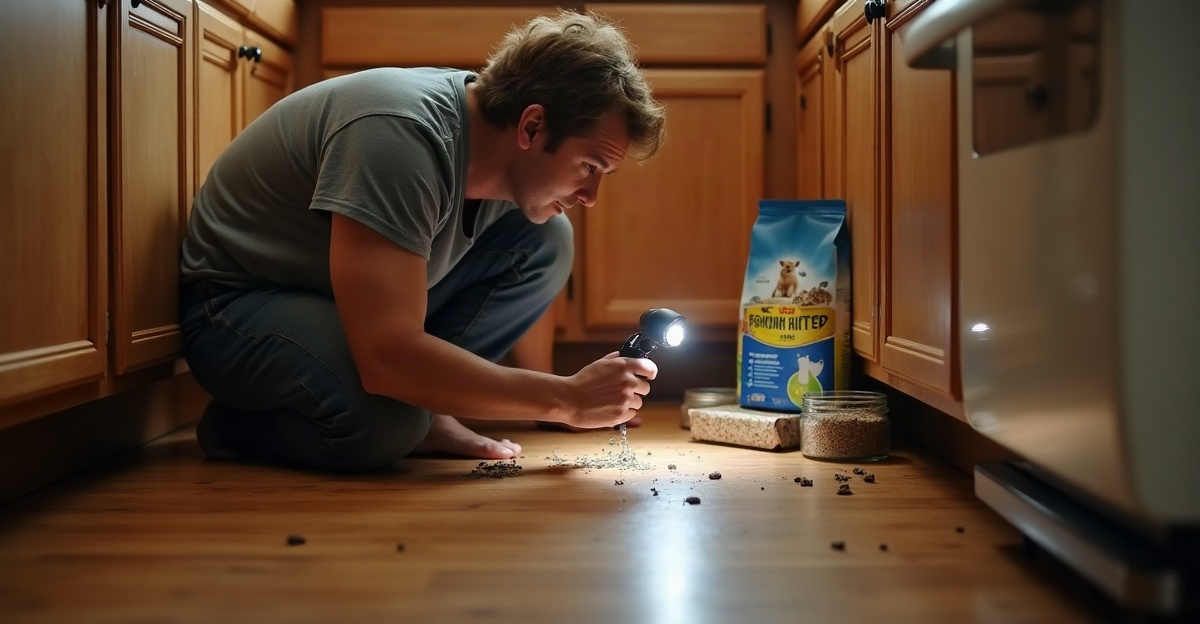
Fresh rat droppings often appear along walls, behind refrigerators and stoves, inside cabinets, near food storage, and in quiet corners. They may also show up around pet-food containers, water heaters, garage shelves, or stored seed. Older droppings can remain after activity has stopped, while fresh droppings can suggest current movement.
Scratching noises in walls, ceilings, attics, crawlspaces, and garages may become more noticeable at night. Scurrying, squeaking, or repeated movement at roughly the same time can indicate a regular travel route. Rats in an attic may also disturb insulation or stored belongings.
Rat gnaw marks often affect food packaging, cardboard, wood, plastic, pet-food bags, pipes, and electrical wiring. Larger gnawing damage deserves prompt attention, especially near wiring or water lines. Damaged wire insulation can create a safety concern, while chewed food packages should be discarded.
A lingering urine-like or musty rat smell in a house can point to a hidden resting area. Shredded paper, cloth, insulation, dried plant material, or soft packing materials may indicate rat nest signs. We should also look for small tracks and tail marks in dusty areas, plus dark, greasy rub marks on baseboards, pipes, walls, and other regular travel paths.
Rats often hide close to a reliable food or water source. Learning about common pest hiding places can help us inspect the right areas without overlooking protected spaces.
Where Rats Commonly Hide and Get Inside
Rats prefer dark, low-traffic spaces where they can move without being disturbed. Inside a home, check behind stoves and refrigerators, beneath sinks, around water heaters, in basement storage, under stairways, and inside crowded closets. Garages, sheds, crawlspaces, and attics can provide easy shelter when stored materials create cover.
Exterior conditions matter just as much. Rat entry points may occur around utility lines, plumbing pipes, dryer vents, foundation gaps, damaged screens, garage doors, roof edges, and openings around outbuildings. A small gap near a pipe may connect directly to a wall void, cabinet, crawlspace, or utility room.
In Eastern Idaho, changing seasons can push rodents to look for warmth and protected food sources. Rural properties, nearby agricultural areas, detached garages, sheds, and crawlspaces deserve regular attention. Bird seed, livestock feed, pet food, fallen fruit, and clutter near a foundation can all make a property more inviting.
Sealing gaps, improving sanitation, and using traps can help reduce rodent pressure. Still, an active infestation may include hidden nesting areas, more than one entry point, and continued outdoor activity. A crawlspace often needs special attention because it connects protected shelter with access beneath the home. Our guide on keeping rodents out of crawlspaces explains practical prevention steps.
Rats in a garage may move from stored boxes and pet food into attached living spaces. Similar signs can involve mice, so it helps to understand mice in the garage before deciding what evidence we’re seeing.
Rats or Mice? How to Tell the Signs Apart
Rats and mice both contaminate food, damage materials, and nest in hidden areas. However, the signs often differ in scale. Rats generally leave larger droppings, heavier gnawing, more noticeable tracks, and stronger rub marks along well-used routes. Mice usually leave smaller evidence and can fit into tighter indoor spaces.
Rat sounds may seem heavier in walls, ceilings, garages, or attics, while mouse activity can sound lighter and more delicate. Rats may cause greater damage to cardboard, wood, plastic, pet-food bags, and wiring. Both species can use insulation, paper, fabric, and stored materials for nesting.
We shouldn’t treat rat vs. mouse droppings as a certain identification method. Conditions can change their appearance, and other animals can leave similar evidence. Instead, compare droppings with gnaw marks, tracks, noises, nesting areas, and likely entry points. For help distinguishing similar rodent signs, see the difference between mice and voles.
Safe First Steps to Protect Our Home, Family, and Pets
Keep children and pets away from droppings, damaged food, nesting material, and areas with suspected rodent activity. Don’t handle unknown material with bare hands, and don’t let pets investigate a garage, attic, crawlspace, or shed where rats may be present.
Secure pantry items, pet food, bird seed, and animal feed in durable containers with tight-fitting lids. Discard packages that appear chewed, contaminated, or exposed to droppings. Clean spilled pet food promptly, repair leaking pipes, and reduce clutter in storage spaces so rodents have fewer places to hide.
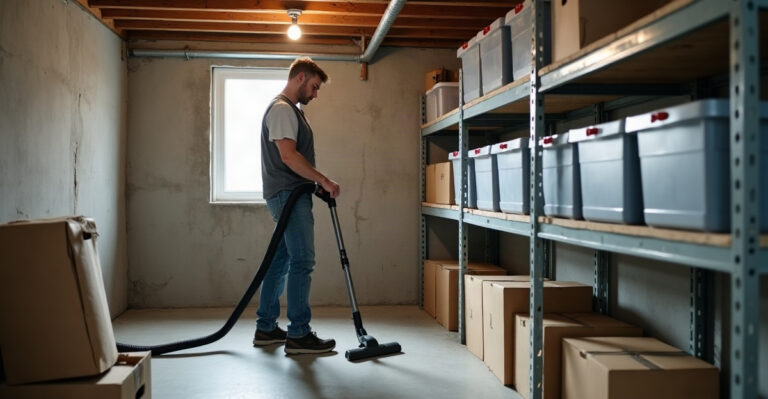
Safe rodent cleanup matters. We should not sweep or vacuum dry rat droppings, as this can disturb contaminated particles. Ventilate the area first, wear gloves, use appropriate disinfecting practices, and follow current public-health guidance before handling droppings or nesting material. Place cleanup waste in a sealed bag before disposal, then wash hands thoroughly after removing gloves.
Use caution with do-it-yourself poison products. They can create risks for children, pets, wildlife, and food-service settings. Rodents may also die in inaccessible spaces, creating odor concerns that are difficult to address. In many cases, sanitation, exclusion, monitoring, and properly placed control methods offer a safer path forward.
Ongoing prevention works best as part of a complete residential pest control plan that addresses conditions inside and outside the home.
When to Schedule a Professional Rat Inspection
Schedule a professional rat inspection when we find repeated droppings, hear ongoing activity, suspect a nest, notice worsening damage, or can’t identify how rodents are getting inside. Prompt help is also important if activity occurs near food storage, electrical wiring, children’s areas, or pet supplies.
An inspection can identify hidden nesting areas, travel routes, likely exterior entry points, and conditions that attract rodents. We can then build a practical plan for removal, sanitation, monitoring, and rodent exclusion. A single trap or sealed gap may help in some situations, but active infestations often require a broader approach.
Restaurants, warehouses, hospitality properties, and property managers need to protect inventory, food storage, customer spaces, and daily operations. Commercial rodent control should account for building access points, sanitation routines, employee areas, storage practices, and ongoing exterior pressure.
Falls Pest Services provides calm, practical rodent control services for Eastern Idaho properties. We’ll assess the evidence, explain the findings clearly, and help create a reliable plan that fits the property’s needs.