Why Is Pest Control Important for Health and Safety?
Pest control protects health and safety. Timely prevention and focused action help us reduce food contamination, pest debris, bites, stings, property damage, and the conditions that allow pest activity to spread through homes and businesses.
Key Takeaways
- We protect food-storage and preparation areas by preventing contamination, damaged packaging, droppings, and other pest debris.
- We use different responses for rodents, cockroaches, pantry pests, and stinging insects based on their location, activity level, and potential risks.
- We make properties less appealing to pests by sealing entry points, controlling moisture, removing food debris, storing goods in sealed containers, and reducing clutter.
- We inspect garages, basements, crawl spaces, sheds, foundations, and storage areas regularly to identify pest activity before it becomes harder to control.
- We recommend professional support for recurring activity, hidden infestations, property damage, stinging insect nests near gathering areas, or pest concerns involving children, pets, food, or businesses.
The Practical Reasons Pest Control Matters
Pest control matters because it helps protect health, food, property, and everyday comfort by preventing small concerns from becoming larger, harder-to-manage problems. A single pest sighting does not automatically mean there is an urgent health crisis, but timely attention can help keep a minor issue from growing.
Why is pest control important? The answer depends on the pest, its location, and the amount of activity present. Some pests are mainly a nuisance. Others can damage materials, contaminate food-storage areas, or create sanitation concerns that deserve quicker action.
Regular pest prevention supports several practical goals. It helps protect children and pets from accidental contact with pests or products, keeps food and living spaces cleaner, limits damage to buildings and belongings, and reduces interruptions for businesses. It also provides peace of mind. Repeated pest activity can make a home or workplace feel less comfortable, even before significant damage occurs.
Pests generally fall into a few broad categories. Nuisance pests may be annoying without causing clear damage. Property-damaging pests can chew, nest, or feed on building materials and stored goods. Other pests require added attention because their presence in kitchens, pantries, food-storage areas, or shared spaces may contribute to unsanitary conditions. Learning which pests contaminate food can help us prioritize the right response.
Health, Sanitation, and Food Safety Risks to Address Early
Pest activity should be handled calmly and in proportion to the situation. Certain pests can leave droppings, nesting materials, shed skins, or damaged packaging behind. Some may contaminate food or food-contact surfaces. Others can bite or sting, and pest debris may trigger allergies for some people. Our overview of pest-related allergies explains why reducing pest activity and debris can be helpful for a cleaner indoor environment.
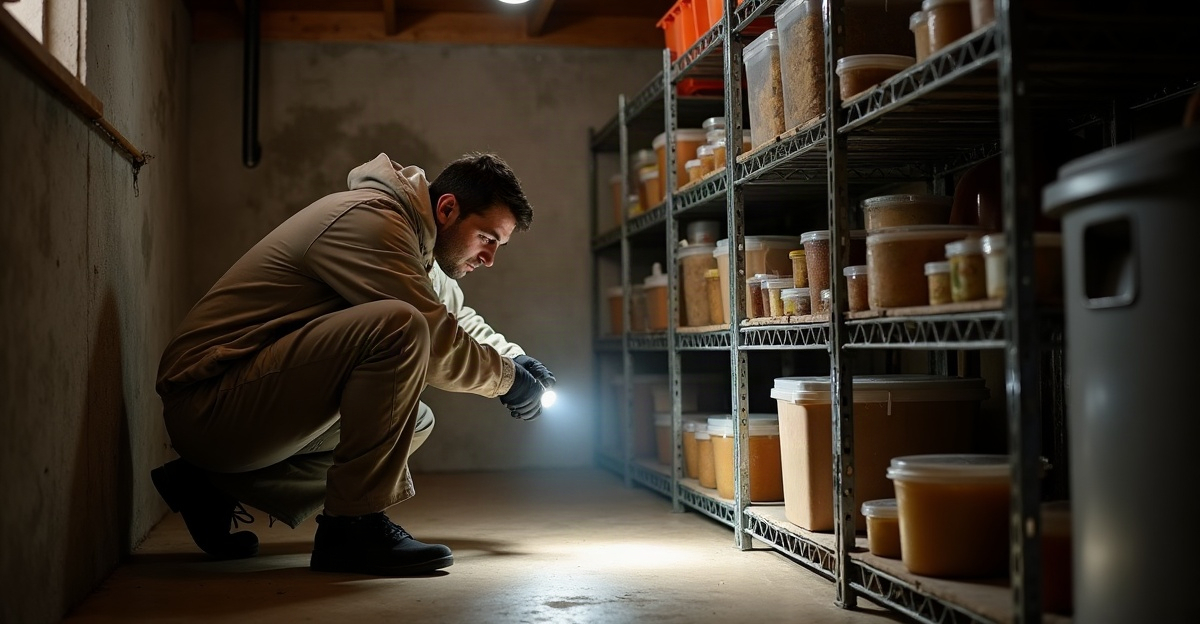
Rodents may leave droppings and contaminate food-storage areas. They can also move through garages, basements, crawl spaces, and wall voids before entering living or work areas. Pantry pests can affect dry goods and damage food packaging, which makes routine inspection of shelves and stored inventory worthwhile. Cockroaches are another concern in food-preparation spaces, and understanding cockroach health concerns can help us respond appropriately without overreacting.
Stinging insects need a different approach. A nest near an entrance, patio, playground, outdoor dining area, or customer space can create a safety concern, especially if people or pets may disturb it. We recommend keeping a safe distance and arranging appropriate removal rather than attempting to handle an active nest without proper planning.
Safe product use matters in every setting. We should always follow product labels carefully and consider children, pets, food-preparation surfaces, and ventilation before using any pest control product. Responsible pest control does not mean every treatment is risk-free or immediate. It means using prevention, careful product selection, and targeted methods that fit the actual problem.
Property Protection and Everyday Peace of Mind
Pest control can help prevent inconvenient or costly damage before it becomes more extensive. Rodents can chew insulation, wiring, stored materials, and packaging. Insects may nest in wall voids, outdoor structures, sheds, or other protected spaces. Pantry pests can ruin stored food and leave damaged packaging behind.
Once pests establish reliable entry points, nesting areas, or feeding patterns, the issue can become harder to manage. A small opening around a utility line, garage door, foundation vent, or crawl-space entrance may give pests regular access. An overlooked leak or cluttered storage area can also provide water and shelter.
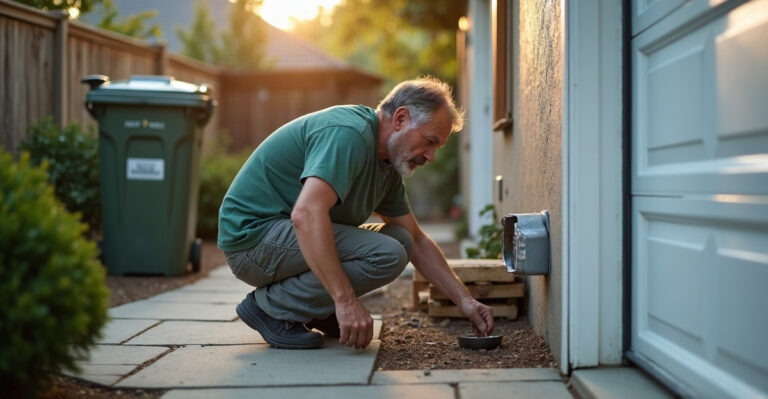
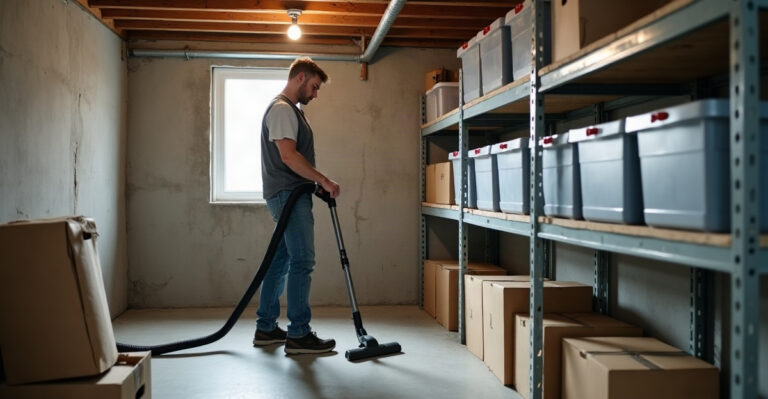
Routine monitoring is an important part of home care. Garages, basements, sheds, crawl spaces, storage rooms, foundations, and outbuildings often receive less daily attention, yet they can provide ideal shelter or access points. Checking these areas regularly makes it easier to spot activity before it spreads into more active parts of a property.
Recurring pests can also affect sleep, comfort, and confidence in the cleanliness of a home or workplace. That is why pest control is important even when an issue seems minor at first. Consistent prevention helps us protect the spaces we rely on every day.
Prevention Habits That Help Stop Pest Problems From Growing
Effective pest control is an ongoing prevention and response strategy, not simply a chemical application. We use the same common-sense principles found in integrated pest management: prevention, exclusion, sanitation, monitoring, targeted treatment, and follow-up when needed. Our guide to preventative pest control offers a closer look at how these steps work together.
Can we prevent pests without using a lot of chemicals? Often, yes. Exclusion, sanitation, moisture control, and regular monitoring are important first steps. They reduce the food, water, shelter, and entry points that pests need.
Helpful prevention habits include sealing gaps around doors, utility lines, windows, foundations, and crawl-space access points. Store pantry items, pet food, animal feed, and business inventory in sealed containers when practical. Clean crumbs, spills, grease, and food debris promptly, and keep trash containers closed while removing waste regularly.
We should also repair leaks, improve drainage, and address damp areas that may attract pests. Reducing clutter in garages, basements, sheds, and storage spaces removes hiding places. Outside, trim vegetation away from structures, manage standing water where possible, and inspect less-used buildings and outdoor structures regularly.
For Idaho Falls pest prevention, small maintenance steps often make a meaningful difference. Prevention does not eliminate every possibility of pest activity, but it makes properties less inviting and helps us find concerns earlier.
Eastern Idaho Homes and Businesses Have Different Pest Pressures
Eastern Idaho homes and businesses can face different pest pressures based on the season, property type, and surrounding environment. During colder weather, rodents may look for indoor shelter. Homes with attached garages, crawl spaces, sheds, or accessible foundations may benefit from regular checks and prompt exclusion work. Our rodent control services can help address active activity and identify practical prevention steps.
Stinging insects may become a concern around patios, decks, play areas, and outdoor living spaces. Rural properties, acreage, outbuildings, and less-used structures can offer protected nesting locations. Professional stinging insect control is a sensible option for nests near areas where people, pets, or customers gather.
Restaurants, offices, warehouses, hospitality properties, and property managers all have added reasons to prevent pest activity. Cleanliness, customer confidence, inventory protection, tenant satisfaction, and smooth daily operations all matter. Recurring pests can affect customer perceptions, particularly in food-storage, hospitality, and shared-workspace settings.
Commercial properties may also have sanitation or industry requirements that apply to their operations. While no service can guarantee regulatory compliance, regular inspections and documented prevention efforts can support cleaner conditions and help address concerns before they expand. Our commercial pest control approach focuses on practical service plans for Eastern Idaho businesses.
When Professional Pest Support May Be a Sensible Next Step
Basic prevention and manageable activity can often be addressed through careful monitoring and routine property maintenance. Persistent, expanding, or difficult-to-identify activity may justify a professional inspection or treatment. Professional support is especially useful when pests have access to hidden spaces, such as wall voids, crawl spaces, ceilings, or commercial work areas.
Signs It’s Time to Call for Help
A professional assessment may be a sensible next step when we notice:
- Repeated pest sightings despite basic prevention efforts.
- Droppings, gnaw marks, nests, unusual odors, damaged packaging, or unexplained property damage.
- Pests in multiple rooms, food-storage areas, wall voids, crawl spaces, or business workspaces.
- Stinging insect nests near entrances, patios, play areas, or customer areas.
- A pest that cannot be confidently identified.
- Concerns involving children, pets, vulnerable household members, food handling, or a business environment.
- Activity that is growing, recurring, or causing damage.
A responsible professional approach considers the specific pest, the level of activity, the property layout, children, pets, food areas, and the appropriate treatment method. A one-size-fits-all response rarely provides the best long-term result. Ongoing professional pest monitoring can also help us catch new activity before it becomes a larger concern.
If we are noticing recurring pest activity or are unsure what we are dealing with, Falls Pest Services can assess the situation and recommend an appropriate next step for an Eastern Idaho home or business. Our residential pest control services provide practical support for protecting the places we live, work, and enjoy.