Are Fruit Flies a Sign of Bigger Problems?
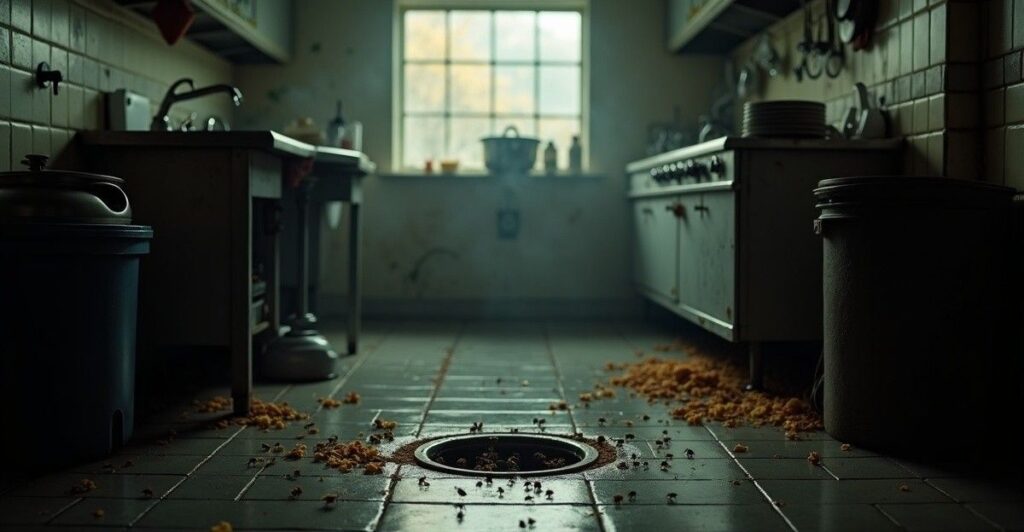
A sudden surge in fruit fly activity might look minor, but it often points to larger concerns such as hidden water leaks, clogged drains, or overlooked cleaning routines. Frequent sightings usually mean fruit flies have found a place to breed—often behind walls, under sinks, or deep inside floor drains—where moisture and organic matter collect.
Key Takeaways
- Fruit flies typically come from hidden organic debris in drains, trash bins, or food prep zones.
- Ongoing activity often signals plumbing trouble, leaking pipes, or cleaning issues inside the building.
- Eastern Idaho’s harvest season and indoor heating in fall and winter create ideal fly breeding conditions.
- Businesses with shared kitchens or food storage spaces face a higher chance of repeat outbreaks.
- Regular cleaning, sealing food properly, and keeping drains cleared are the best ways to prevent infestations.
What a Sudden Surge of Fruit Flies Could Really Mean
A few fruit flies now and then may not seem like much. But if you suddenly see them swarming the kitchen or hovering near drains, that could signal a deeper issue with moisture, sanitation, or even plumbing. Fruit flies breed quickly, and university extension research on fruit fly breeding habits shows they thrive in fermenting organic matter and drain buildup, meaning a surge in their numbers signals ideal conditions.
These tiny pests often lay eggs in areas we rarely think to check—drain sludge, soft produce gone bad, dirty trash bins, or even the lining of mop buckets. If those areas aren’t fully cleaned out, the infestation keeps coming back. That’s more than just annoying—it can point to plumbing leaks or unsanitary buildup that might be affecting the health and safety of your home or workplace.
When a Fruit Fly Problem Might Be a Red Flag
Keep an eye out for signs that the fruit flies are pointing to an underlying issue:
- Musty or sour odors coming from sinks or drains
- Clogged or slow drains in kitchens or bathrooms
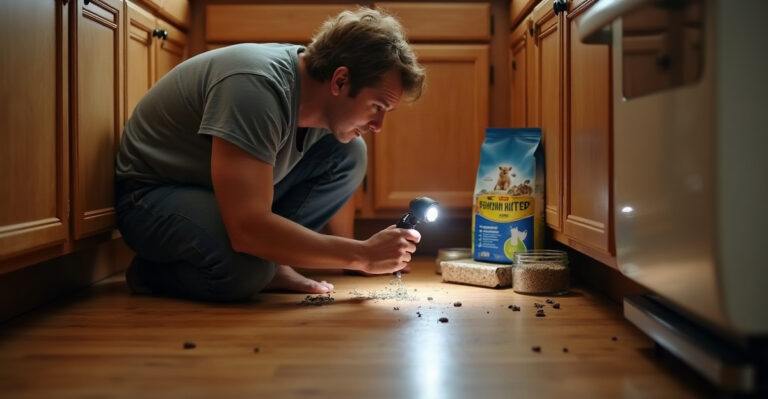
- Standing water behind or under appliances
- Mold spots near baseboards or tile
- Flies repeatedly active near plumbing or floor seams
These signs could indicate blocked pipes, slow leaks, or hidden organic buildup. In restaurants or food prep areas, especially, this can become a recurring concern. Learning more about how pests enter through drains can also help prevent these hidden problems.
What Causes Fruit Fly Infestations in Idaho Homes and Businesses?
Fruit flies are drawn to fermenting organic matter—anything sweet, soft, or rotting. During Idaho’s harvest season, overripe fruits and veggies are everywhere. Combine that with warm indoor air or high humidity and you’ve got the perfect breeding ground.
Common Sources of Fruit Fly Problems
Whether at home or in a business, these are the top places fruit flies lay eggs:
- Overripe fruit or vegetables left on counters or in drawers
- Recycling bins with unrinsed bottles or cans
- Dirty or unused drains, especially in laundry rooms or guest bathrooms
- Trash cans or compost containers that aren’t emptied daily
- Mop buckets or floor drains in restaurant kitchens
Restaurants, small offices with shared kitchens, and retail stores with food displays are especially at risk. In rural homes, harvest and home canning season often increase organic waste indoors. Warm winter kitchens can also keep infestations going long after summer ends.
To learn more about what’s drawing these pests in, check out our post on what attracts common pests like ants—many of the same factors apply to fruit flies.
How to Tell if It’s Just Flies or Something More
When fruit flies keep coming back, it isn’t just about one piece of fruit left out. Long-term or repeat problems can signal deeper concerns that need attention.
Start by asking yourself a few questions:
- Are flies returning even after deep cleaning and tossing old produce?
- Is there a lingering musty smell near a specific drain or trash area?
- Do you see activity near molding, grout lines, or walls?
If the flies reappear quickly, there’s probably a breeding site you’ve missed. Common culprits include sludge buildup in drains, small leaks under sinks, or improperly stored food. In food businesses, it can sometimes point to gaps in sanitation routines or missed cleaning zones under appliances.
Repeat infestations also raise the chance of shared issues like cockroach problems, which thrive in overlapping conditions. Both fruit flies and cockroaches are drawn to moisture and food residues, especially in warm areas.
Home and Business Actions That Actually Work
Let’s talk about what really works—and what’s safe for families, pets, and employees. Good sanitation practices remain the first and strongest step.
Effective, Safe First Steps
Start here to take control of fruit flies in your space:
- Rinse all recyclables before putting them in bins
- Take out garbage and compost daily, especially during warm months
- Wipe surfaces thoroughly and regularly—fruit juice and food crumbs add up
- Refrigerate produce instead of leaving it in baskets
- Flush drains with boiling water and scrub with a stiff-bristle brush
- Set jar traps using apple cider vinegar and a drop of dish soap
For homeowners, also check under and behind appliances and inside garbage disposals. In rural homes or homes with composting, small habits like rinsing banana peels or citrus rinds before disposal can make a big difference.
For business owners and facility managers, especially in food preparation environments:
- Clean floor drains regularly in food and restroom zones
- Disinfect under kitchen equipment and prep tables
- Check sink traps and mop water stations for organic sludge
All of these practices are safe when done right—and they don’t take long to make a real difference.
Need help staying on top of prevention at home? Our customized residential pest control services cover the key areas fruit flies love.
Why Fruit Flies Keep Coming Back—and What to Do If They Don’t Go Away
We’ve all been there. You clean up everything in sight, toss the produce, bleach the counters—and by dinnertime, the fruit flies are back.
That usually means something’s been missed. Maybe it’s a forgotten drain in the laundry room, a slow leak under the sink, or food scraps caught deep in a disposal line. Fruit flies can breed in places as small as a damp sponge or a crusty soda cap.
Persistent infestations can also point to issues beyond surface sanitation. We’ve traced recurring fly problems back to minor pipe leaks, standing water under built-ins, or clogged floor drains in restaurant kitchens.
In some cases, what looks like a fruit fly problem may involve another pest, like drain flies or fungus gnats. If flies return no matter how often you clean, it’s time to call in support. Our team offers discreet, thorough service—for both homes and businesses—to track the problem below the surface.
Don’t wait for it to get worse. If you need fly control in Twin Falls or help with constant fruit fly issues in your home or business, talk to us about local pest control for fruit flies that actually targets the source.
Why Eastern Idaho Conditions Make Prevention Even More Important
Living and working in Eastern Idaho brings us close to nature—and that’s part of the charm. But it also brings unique conditions that make it easier for fruit flies to get out of hand.
During harvest months, produce from gardens, farm stands, and even local grocery deliveries brings natural sugars and soft skins indoors. In winter, we button up our homes tightly. That raises indoor humidity and traps any organic debris inside.
Other local habits like composting, home canning, or storing surplus produce in pantries or outbuildings can unintentionally invite fruit fly infestations. A forgotten piece of fruit in a cool basement, or a damp rag left by the sink, might be all it takes.
That’s why it’s smart to stay ahead of pests year-round. Our team knows what to look for in Idaho Falls, Rexburg, Blackfoot, and beyond—and we’re ready to help with prevention plans based on real local conditions.
For long-term protection, consider how regular pest control can make the difference between peace of mind and surprise infestations.
And if you’re thinking of selling your property, it’s worth asking whether a pest inspection is necessary before listing—it can uncover hidden troubles like the ones fruit flies hint at.
Reliable help is just a step away. Visit our contact page to schedule a visit or learn more about how we can help protect your space.
Frequently Asked Questions
Fruit fly infestations are caused by access to fermenting organic material and moisture. They lay eggs in overripe produce, food residue, trash bins, recycling containers, and drain buildup. Once a breeding site is available, fruit flies reproduce rapidly — entomology research shows their life cycle can complete in as little as a week under warm conditions — making a small sanitation issue escalate quickly.
Fruit flies return when the original breeding source hasn’t been fully removed. Eggs often survive in drain sludge, garbage disposals, mop buckets, or hidden food residue under appliances. Surface cleaning alone doesn’t eliminate larvae, so flies reappear quickly if drains, plumbing traps, or overlooked organic buildup are not thoroughly cleaned.
Yes, clogged or slow drains are a common cause of fruit fly infestations. Organic sludge inside pipes provides moisture and nutrients for egg-laying. Minor leaks or standing water under sinks can also create hidden breeding areas, allowing fruit flies to persist even when kitchens and counters appear clean.
Fruit flies often indicate overlooked sanitation issues rather than general uncleanliness. Even clean spaces can develop infestations if trash isn’t emptied frequently, recyclables aren’t rinsed, or drains aren’t maintained. In commercial settings, missed cleaning zones under equipment or in floor drains are frequent sources of recurring problems.
Fruit fly infestations are most common during warmer months and harvest seasons when fresh produce is abundant. However, they can persist year-round indoors, especially in heated buildings. Warm temperatures, indoor humidity, and stored fruits or food waste allow fruit flies to continue breeding long after outdoor conditions cool down.