How Bed Bugs Spread Between Homes?
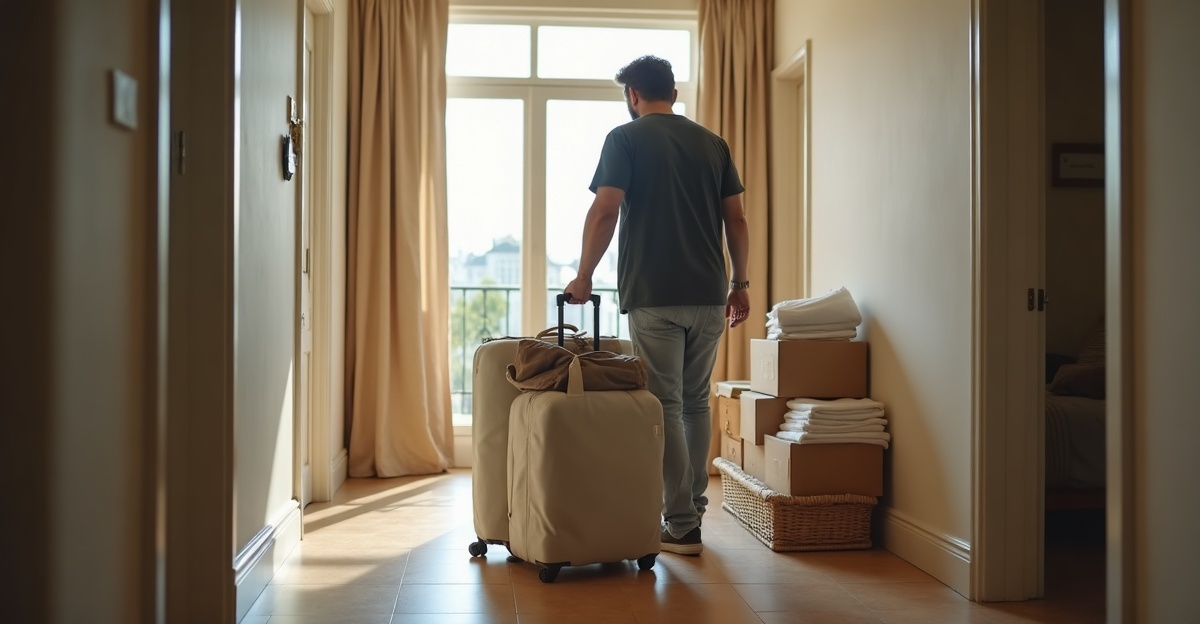
Bed bugs usually spread between homes by hitchhiking in luggage, clothing, bags, boxes, bedding, and furniture that people move between locations. They don’t fly, jump, or usually travel outdoors from house to house. A possible exposure doesn’t automatically indicate an infestation.
Key Takeaways
- We often find that travel, overnight guests, moving, shared spaces, and secondhand furniture introduce bed bugs into homes or businesses.
- Bed bugs can enter clean, well-maintained spaces. They aren’t known to transmit disease to people.
- Keep suspected belongings sealed and away from bedrooms and upholstered furniture. This step can limit further spread.
- Bites or skin marks alone don’t confirm bed bugs. A complete inspection should identify physical evidence.
- Report concerns quickly to property management, a hotel, or a workplace manager. We recommend professional guidance before using foggers or throwing away furniture.
Bed Bugs Usually Spread by Hitchhiking on Belongings
Bed bugs usually spread by hitchhiking on belongings and furnishings as they move between places. This is the most common answer to how bed bugs spread between homes, apartments, hotels, and businesses.
Bed bugs do not fly or jump. Instead, they can ride unnoticed in luggage, clothing, purses, backpacks, work bags, storage boxes, bedding, furniture, and other personal items. Bed bug transmission often happens after travel, a move, an overnight guest, or a secondhand purchase. Moving bed bugs can happen quickly when items travel from one location to another before anyone notices the signs.
A bed bug issue does not mean a home, hotel, office, or business is unclean. These pests can enter clean, well-maintained spaces because they are attracted to people, not clutter or poor housekeeping. Bed bugs also are not known to spread disease to people.
Bites, itching, or unexplained skin marks can be frustrating, but they do not confirm bed bugs on their own. We look for physical evidence and consider the full situation before recommending treatment. For a closer look at possible evidence, review these bed bug signs and learn where bed bugs hide beyond the mattress.
What to Do If We Think Bed Bugs Came Home
Keep suspect luggage, bags, boxes, and clothing out of bedrooms and away from upholstered furniture. Avoid carrying those items from room to room. Each move can create another opportunity for bed bugs to spread farther through the home.
Place suspect belongings in sealed bags or containers until they can be inspected or handled appropriately. For washable or dryer-safe items, dryer heat may help when used according to garment care labels. We should avoid guessing about heat settings or treating items in ways that may damage fabrics, create a fire risk, or miss the insects entirely.
Carefully inspect seams, folds, bed frames, headboards, luggage, and nearby furniture. Live bugs, small pale eggs, shed skins, dark spotting, and repeated bites may all warrant a closer inspection. Still, no single sign proves an infestation by itself. Similar marks and debris can have other causes.
If signs appear or concerns continue, it is best to contact a professional rather than rely on self-diagnosis. We can also prepare safely by reviewing bed bug treatment preparation before service begins.
Common Ways Bed Bugs Move Between Homes and Businesses
Travel is a common source of exposure. Bed bugs may hitchhike home in luggage, clothing, or personal bags after a hotel stay, vacation rental, overnight visit, or Idaho travel. A careful check of luggage and belongings before bringing them into bedrooms can help limit the chance of spreading an issue farther.
Visitors and overnight guests can also unknowingly carry bed bugs in coats, backpacks, purses, clothing, or other belongings. This is not a reason to blame guests. It is simply a reminder that bed bugs move with items, often without anyone realizing it.
Moving homes, apartments, dorm rooms, offices, and storage units can create added risk. Boxes, bedding, furniture, and stored items may carry bed bugs from one location to another. Used mattresses, upholstered furniture, bed frames, and secondhand purchases deserve a thorough inspection before they come inside. We recommend checking seams, joints, labels, folds, and cracks for possible evidence.
Across Idaho, common exposure situations include college housing, rental turnovers, shared laundry spaces, moving days, visitors, and secondhand furniture purchases. Purses, backpacks, work bags, storage boxes, and clothing can also travel back and forth between homes and workplaces.
Hotels, offices, warehouses, and employee break rooms can create similar opportunities. Personal belongings move through these settings every day. Prompt reporting and a calm response help protect everyone involved. For property owners, these rental pest prevention tips can support a practical plan.
Can Bed Bugs Travel From One Home to Another?
Bed bugs do not usually travel outdoors from one house to another on their own. They typically move because people carry them in belongings, furniture, bags, clothing, or boxes.
A person does not need to be unclean or careless to bring bed bugs home. Travel, visitors, shared spaces, moving, and secondhand belongings can all create exposure opportunities. Even a short visit to an affected location can place a bag or coat near an area where bed bugs are present.
These insects can hide in small cracks, furniture joints, wall voids, baseboards, and other hard-to-reach spaces. That behavior makes them difficult to spot and helps explain why incomplete do-it-yourself efforts can be unreliable. Bed bugs can also hitchhike in clothing or bags, especially when those items sit near an infested bed, sofa, chair, or storage area.
Possible exposure does not automatically mean an infestation. Prompt containment and inspection can reduce the chance of further spread. For help sorting through uncertain signs, read about confirming bed bug concerns and contact us if the evidence continues to build.
Apartments, Shared Housing, Hotels, and Workplaces
Shared living and working spaces call for early, cooperative communication. Apartment hallways, shared laundry rooms, college housing, hotels, offices, warehouses, and employee break rooms all involve belongings moving between people and locations.
Shared laundry rooms can create opportunities for bed bugs to move with clothing, laundry baskets, bags, or other personal items. We should keep suspect belongings sealed and follow property procedures rather than leaving items loose in common areas.
In multi-unit properties, bed bugs may spread through moved belongings and, in some cases, through connected spaces. A bed bug issue next door does not guarantee that an adjacent unit has an infestation. Still, property management may need to coordinate inspections and treatment across affected areas to prevent repeat problems.
Renters and residents should notify a landlord or property manager promptly and follow the established reporting process. Hotel guests should discreetly notify hotel management. Employees and business owners should tell the appropriate manager as soon as concerns arise. Early reporting helps protect residents, guests, staff, and customers without placing blame.
We provide residential pest control for homes and rental situations, along with commercial pest control for businesses that need a clear response plan. Our Idaho service areas help local property owners find dependable support.
Avoid Common Mistakes and Know When Professional Help Is Appropriate
Avoid using foggers, “bug bombs,” essential oils, or unverified home remedies as a primary solution. These methods may spread bed bugs farther into walls, furniture, and adjoining rooms. They can also create unnecessary chemical exposure and delay effective treatment.
Do not move potentially infested furniture through shared halls, apartments, offices, or storage areas. Avoid giving away suspect furniture without proper handling. Moving an item can spread bed bugs to another home or business.
There is usually no need to immediately throw away all furniture, clothing, or belongings. Many items can be inspected, isolated, or treated with professional guidance. Discarding furniture without a plan can create more problems, especially if it moves through shared spaces or sits outside where someone else may take it.
We also should not assume every bite comes from bed bugs. A professional inspection looks for physical evidence, assesses likely hiding places, and helps rule out common look-alikes. Established bed bug problems often need a thorough, coordinated plan because these pests can remain hidden in places that are easy to miss.
Falls Pest Services provides professional bed bug control with practical guidance from inspection through treatment. We can also explain bed bug treatment costs before service decisions are made. If possible bed bug signs appear or there is concern about moving bed bugs into another room, home, or business, contact Falls Pest Services for straightforward guidance and a professional inspection plan.
Frequently Asked Questions About Bed Bug Transmission
How Do Bed Bugs Spread From One House to Another?
They usually spread by hitchhiking in belongings, luggage, clothing, furniture, boxes, and bedding moved between locations. They do not normally travel outside from house to house on their own.
Can Bed Bugs Travel on Clothes?
They can hitchhike in clothing, bags, or other personal items. Finding a suspected bed bug on clothing does not by itself confirm an infestation, but it does call for careful containment and inspection.
Can Bed Bugs Spread Through Shared Laundry Rooms?
Shared laundry rooms can create opportunities for bed bugs to move with belongings. Sealing suspect items, keeping them out of common areas, and following property guidance can help reduce the risk.
Can Bed Bugs Move From an Apartment Next Door?
In multi-unit properties, bed bugs may spread through moved belongings and connected areas. Prompt reporting to management helps support a coordinated inspection and response.
Can We Bring Bed Bugs Home From a Hotel?
Yes. Bed bugs may hitchhike home in luggage, clothing, or other items after a hotel, rental, or overnight stay.
Do Bed Bugs Jump or Fly?
No. Bed bugs do not jump or fly.
Should We Throw Away Furniture if Bed Bugs Are Present?
Not necessarily. Speak with a professional before discarding furniture. Many items can be treated or isolated, while improper disposal can spread bed bugs further.