Can I Be Home During Pest Treatment?
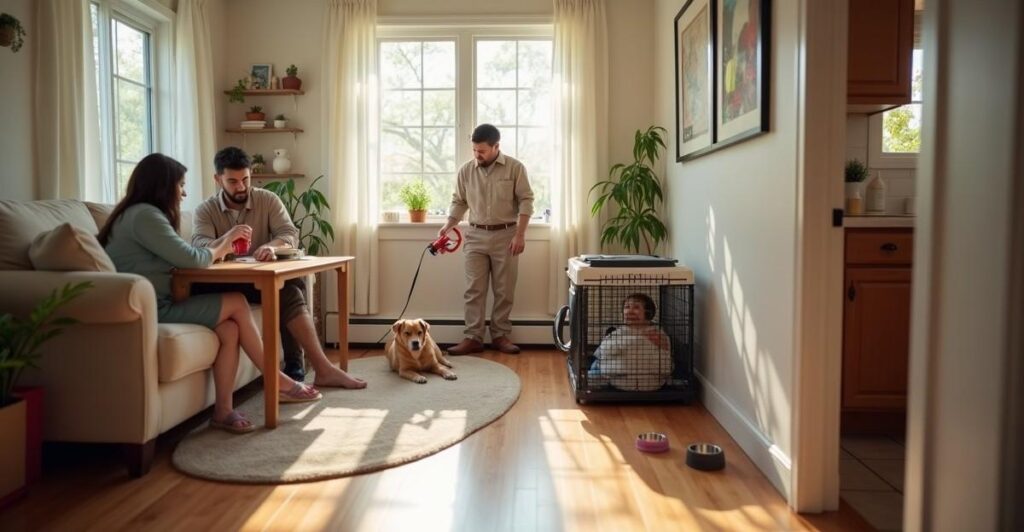
Many homeowners ask whether they can be home during pest treatment. In most cases, we can remain on-site during pest control, depending on the products and methods we use. We often perform routine exterior treatments, targeted indoor applications, and secured rodent baiting while occupants stay home with simple precautions in place. However, heat treatments or fogging services may require us to leave for a few hours until re-entry guidelines are met.
Key Takeaways
- Most general pest control services allow us to stay home, as long as we avoid treated areas until surfaces fully dry.
- Bed bug heat treatments and certain fogging or specialty applications usually require us to leave for several hours.
- Re-entry times depend on the specific products and methods we apply, and we always provide clear instructions after service.
- We keep children and pets away from treated surfaces until everything dries completely, and we may temporarily move pet bowls, bedding, or toys.
- We maintain open communication with our service professional so we understand safety steps, ventilation guidance, and when we can resume normal activity.
When It’s Safe to Stay — and When You May Need to Step Out
Staying home during pest control is often possible. The right answer depends on the type of treatment being performed and the products used.
For many routine services, occupants can usually remain on-site. Exterior perimeter treatments, targeted crack-and-crevice applications, and rodent bait placements are typically done in a focused way that limits exposure. In these cases, we may simply recommend avoiding treated areas until surfaces are fully dry.
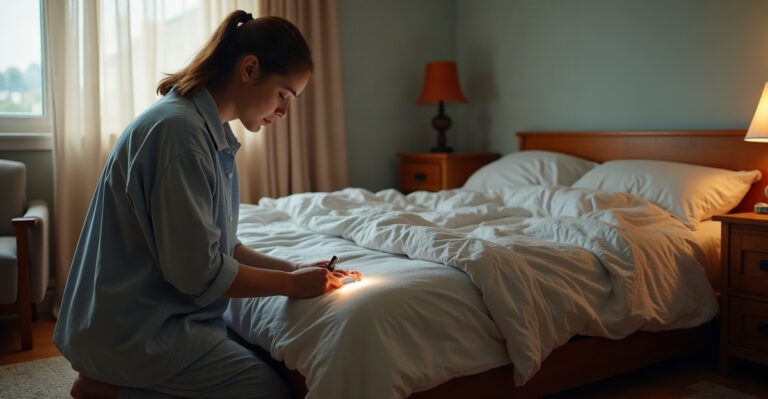
Temporary absence may be recommended for certain treatments. Bed bug heat treatments, some specialty applications, or fogging services can require everyone to leave for several hours. The exact timing depends on the method and the layout of the property.
Re-entry time varies by product and by plan. In many standard liquid applications, treated areas are safe to use once surfaces are completely dry, which aligns with EPA guidance on pesticide re-entry intervals and label safety instructions. We always provide clear instructions before we leave so there’s no confusion.
Common questions come up often: Do we have to leave the house for pest control? How long after pest control is it safe? Bed bug treatment — do we have to leave? The answer depends on the specific service. A clear, customized plan makes all the difference.
How Different Treatments Affect Your Re-Entry Time
Different pests require different approaches. Each method has its own safety guidelines and timing considerations.
What to Know About Common Services
Here’s how re-entry typically works for several common treatments:
- General pest control (ants, spiders, common insects): Treatments often include targeted applications along baseboards, entry points, and exterior foundations. Most people can stay home, avoiding direct contact with treated areas until dry. Learn more about our residential pest control services and how we structure these visits.
- Indoor pest control safety: Products are applied in a controlled, precise manner. We don’t broadcast materials throughout living spaces. Placement focuses on where pests live and travel.
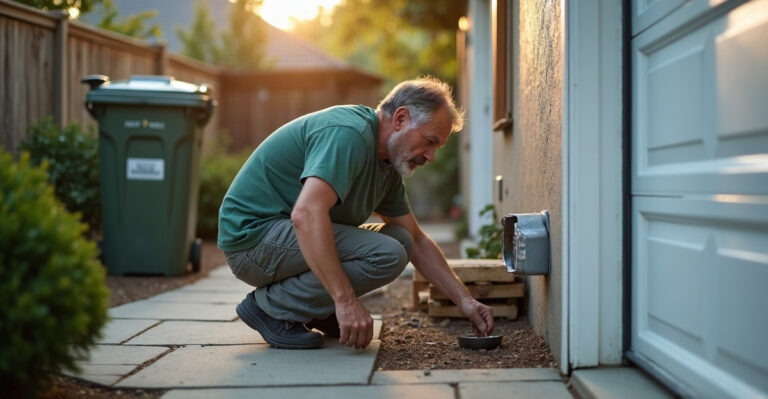
- Rodent control safety precautions: Baits are placed in secured, tamper-resistant stations, consistent with EPA rodenticide safety requirements for tamper-resistant bait stations. Occupants can remain home, though pets and children should not access bait placements. Our rodent control service follows strict placement standards.
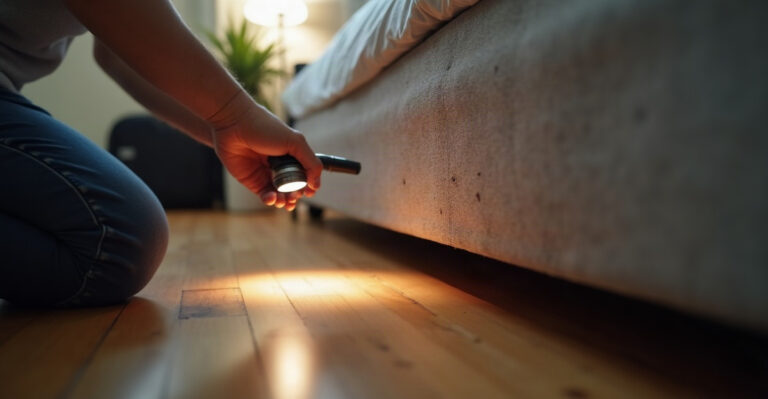
- Bed bug treatments: Heat treatments and certain specialty applications often require everyone to leave for several hours. Preparation and re-entry instructions are provided in advance. Visit our bed bug treatment page for details about different options.
- Commercial pest control safety: Restaurants, offices, and warehouses frequently schedule service during off-hours. This reduces disruption to staff and customers while keeping treatments effective.
- Ventilation after pest control: In some cases, we may recommend briefly opening windows if weather allows. We explain this clearly if it applies.
Every property is different. The exact re-entry time always comes from the products and techniques used in that specific appointment.
Is Pest Control Safe for Kids and Pets?
Safety for families is one of the most common concerns. Questions like “Is pest control safe for kids and pets?” and “Can pets stay during pest treatment?” deserve clear, honest answers.
Modern professional products are designed for controlled application, and guidance from the Canadian Centre for Occupational Health and Safety on pesticide safety explains how proper use helps minimize exposure risks. When applied correctly and allowed to dry as directed, they pose minimal risk to people and animals in treated spaces. The key is following the service professional’s instructions carefully.
Children and pets should stay away from treated surfaces until they are fully dry or as otherwise directed. In many routine treatments, that drying period is the only required precaution.
Before service, we may recommend temporarily moving pet items like food bowls, toys, litter boxes, and bedding. Aquariums may need to be covered, depending on the treatment plan. These small steps add an extra layer of protection.
Clear communication makes all the difference. We take time to explain any specific precautions based on the household. That includes infants, elderly family members, or sensitive pets. For more detail, many homeowners ask about indoor pest control product safety and proper timing for animal access, including guidance on when pets can safely return.
Reassurance should come from facts, not pressure. A well-explained plan helps everyone feel comfortable staying home when appropriate or stepping out when needed.
What to Expect on Treatment Day
A typical service visit follows a clear process. We inspect the property, identify pest activity, explain the plan, and complete targeted applications. Before leaving, we review safety instructions and answer questions.
We explain exactly where products were applied. We go over any preparation needed in advance and provide guidance on how long after pest control it is safe to resume normal activity in treated areas. Surface drying times are part of that discussion.
Light cleaning guidance often comes up. In many cases, we recommend avoiding mopping or washing treated baseboards and perimeters right away. That allows the products to remain effective for their intended duration. For a closer look at post-service expectations, we outline details in what to expect after a pest treatment and explain how long pest treatments last under normal conditions.
Open communication supports trust. Homeowners and business managers should feel comfortable asking direct questions about staying home during pest control. Transparency leads to better results and fewer concerns.
Special Considerations for Businesses and Multi-Use Properties
Commercial pest control requires balancing effective treatment with minimal disruption. Offices, restaurants, property managers, and warehouse operators often prefer after-hours scheduling. That approach keeps staff and customers out of treated areas during application and drying time.
In food-service environments, service professionals follow strict placement procedures. Applications are directed away from prep surfaces and storage areas. Any required sanitation or prep guidance is provided ahead of time.
Coordination with managers helps determine appropriate re-entry timing for employees. Clear communication ensures everyone understands when treated areas can be safely used again.
Local service matters here. Businesses in Idaho Falls, Twin Falls, Pocatello, Rexburg, Rigby, and surrounding Eastern Idaho communities often prioritize responsiveness and straightforward safety communication. Our broader pest control services are structured to meet these practical needs without unnecessary disruption.
Your Best Next Step: Get Guidance for Your Specific Situation
There isn’t a single answer that fits every home or business. The right guidance depends on the pest issue, treatment method, building layout, and the needs of the people inside.
Clear explanations beat broad guarantees. We recommend asking direct questions about indoor pest control safety, ventilation after pest control, and any recommended temporary absence. Understanding how pest control services work helps set the right expectations from the start, as explained in how pest control services work. For those exploring alternatives, we also outline options in pest control without spraying.
A trusted local provider will explain precautions calmly and honestly. That’s how we approach every visit. For personalized guidance based on your property and pest concerns, reach out directly through our contact page or learn more about our team at Falls Pest Services. Clear answers and steady service make the decision to stay or step out much easier.
Frequently Asked Questions
Yes, in many cases you can stay in your house during pest control treatment. Most routine pest services use targeted applications along baseboards, entry points, or exterior areas, allowing occupants to remain home while avoiding treated surfaces until they dry. However, certain treatments such as fogging or bed bug heat treatments may require you to leave temporarily based on safety guidelines.
Re-entry time after pest control depends on the treatment type and products used. For most standard liquid applications, treated areas are safe once the surfaces have fully dried, which often takes a few hours. Your pest control professional will provide exact instructions so you know when it is safe to re-enter and resume normal activities.
Pets can often remain home during routine pest control if they are kept away from treated areas until surfaces dry completely. Many pest control products are applied in targeted locations where pests hide or travel. To reduce exposure, pet bowls, toys, bedding, and litter boxes may be temporarily moved during treatment.
Yes, many bed bug treatments require occupants to leave the home temporarily. Heat treatments and certain specialty applications raise temperatures or use methods that require the property to be vacant for several hours. Pest professionals usually provide preparation steps and clear re-entry timing so the treatment works effectively and safely.
Preparing your home for pest control typically involves clearing access to baseboards, removing clutter near treatment areas, and securing pets or pet items. In some cases, food preparation surfaces or aquariums may need protection or temporary covering. Your pest control provider will explain specific preparation steps depending on the pests being treated and the method used.