How To Know If You Have Bed Bugs?

Knowing the signs of bed bugs helps us confirm a problem early and avoid unnecessary stress or ineffective treatments. We often see itchy red welts in lines or clusters as one of the first clues. Rust-colored stains on sheets, dark spotting on mattresses, shed skins, eggs, and sometimes a musty odor in heavier infestations also signal activity.
Key Takeaways
- Bed bug bites often appear as small, itchy red welts in lines or tight clusters on exposed skin such as arms, neck, and legs.
- Physical evidence like rust-colored stains, black fecal spots, shed skins, and tiny white eggs gives us stronger confirmation than bites alone.
- Bed bugs commonly hide in mattress seams, box springs, bed frames, headboards, upholstered furniture, and nearby cracks or crevices.
- Bites alone do not confirm bed bugs, since mosquitoes, fleas, and other pests can cause similar skin reactions.
- Multiple signs appearing together or continued bites over several nights signal that it is time for a professional inspection.
Early Warning Signs of Bed Bugs You Shouldn’t Ignore
The most common signs of bed bugs include unexplained bites, small rust-colored stains on sheets, tiny dark spots on mattresses, shed skins, eggs, and sometimes a musty odor in heavier infestations. Catching these signs early can keep a small issue from turning into a widespread problem.
Bed bugs don’t care if a home is clean or cluttered. They show up in houses, apartments, hotels, and small businesses across Idaho Falls, Twin Falls, Pocatello, Rexburg, Rigby, and nearby Eastern Idaho communities. Clean spaces are not immune. In fact, we often remind customers that bugs can survive in clean homes.
For a quick reference, here are the most common warning signs:
Quick Checklist of Bed Bug Clues
Look for these signs during an inspection:
- Itchy red welts, often in lines or clusters (common bed bug bites signs)
- Dark rust-colored stains on sheets or mattresses
- Tiny black spots along seams (fecal marks)
- Shed skins or small pale eggs
- Live bugs about the size of an apple seed
Spotting several of these together strongly suggests bed bugs. Finding just one may call for a closer look. Early detection makes treatment simpler and more contained.
What Do Bed Bug Bites Look and Feel Like?
Bed bug bites signs usually appear as small, red, itchy welts. They often form in a line or tight group. Many people call this the “breakfast, lunch, dinner” pattern because the bites show up in a row.
Bites typically show on exposed skin. Arms, neck, face, and legs are the most common areas. During sleep, bed bugs feed on skin that isn’t covered by clothing.
Reactions vary widely. Some people notice bites within hours. Others don’t react for several days. A few may not react at all, even if bugs are present.
It’s easy to confuse bed bug bites with other insect bites. Here’s how they compare:
- Mosquito bites are usually random and isolated. They don’t tend to form clean lines.
- Flea bites often cluster around ankles and lower legs. Fleas also jump, while bed bugs crawl and stay close to sleeping areas.
Bites alone don’t confirm an infestation. We always look for physical evidence along with skin reactions. If there’s doubt, reviewing how to tell if you have bed bugs can help clarify what to watch for next.
Physical Evidence: What Bed Bugs Leave Behind
Bed bug infestation symptoms go beyond bites. Physical traces are often the clearest confirmation.
Adult bed bugs are small, flat, and brown. They’re about the size of an apple seed. After feeding, they swell and turn reddish.
During inspections, we commonly find:
- Dark rust-colored stains on sheets or mattresses. These come from crushed bugs after feeding.
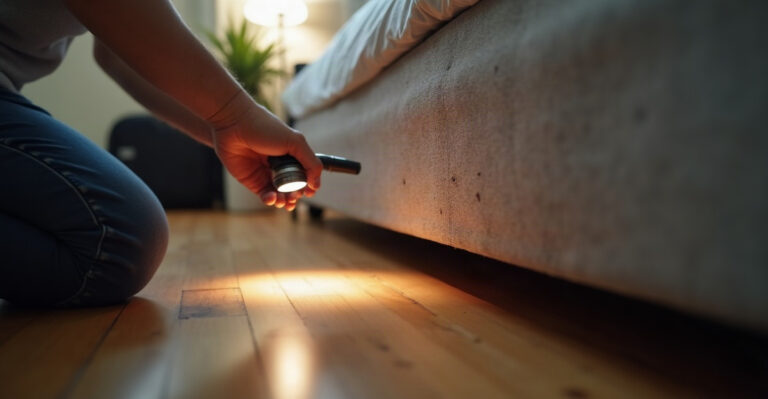
- Tiny black dots along mattress seams or furniture edges. These droppings may bleed into fabric, leaving dark marks.
- Shed skins. As bed bugs grow, they leave behind translucent casings that look like thin shells.
- Small white eggs. Eggs are about 1 millimeter long and hide in crevices. They’re easy to miss without close inspection.
- A musty odor. In heavier infestations, a sweet, unpleasant smell may become noticeable.
We most often find bed bugs in mattress seams, box springs, and nearby furniture. The phrase “bed bugs in mattress” gets used often, and for good reason. Seams, tags, and piping provide ideal hiding spots. Still, infestations rarely stay in just one place for long.
Where to Check: Common Bed Bug Hiding Spots
Bed bugs stay close to where people sleep or rest. They prefer tight, dark spaces near a steady host.
During professional inspections, we carefully examine:
- Mattress seams, tags, and piping
- Box springs and bed frames
- Headboards, especially if mounted on the wall
- Upholstered chairs and couches, including under cushions
- Baseboards, carpet edges, and flooring cracks
- Nightstands, dressers, and nearby clutter
- Luggage and travel bags
These insects flatten their bodies to squeeze into narrow gaps. They’re mostly active at night and hide during the day.
A calm and methodical inspection works best. We don’t recommend rushing or discarding furniture without confirmation. Missteps can spread them further into the home.
It also helps to understand that they’re not confined to beds alone. Information about where bed bugs are found often surprises homeowners. They can spread into living rooms, offices, and shared spaces if left untreated.
Are You Sure It’s Bed Bugs? How to Rule Out Other Pests
Misidentifying pests happens often. We regularly inspect properties where another insect was first blamed.
Carpet beetles, for example, are sometimes mistaken for bed bugs. Carpet beetles don’t bite. Their larvae may irritate skin, but they feed on fabrics and stored items, not blood.
Fleas are smaller and jump. They’re usually tied to pets and tend to target lower legs and ankles.
Small spiders may cause bites, but they don’t leave dark fecal spotting on mattresses or sheets.
Bed bugs crawl instead of jump. They stay near sleeping areas and leave a combination of evidence. The true signs of bed bugs typically include both bites and physical traces such as stains, droppings, or shed skins.
If uncertainty remains, learning how to spot a pest problem early can prevent wasted time and ineffective treatments. Accurate identification leads to faster resolution.
When to Call a Professional Bed Bug Expert in Eastern Idaho
Professional help makes sense when multiple bed bug infestation symptoms appear at once. Continued bites over several nights raise concern. Finding live bugs, eggs, or staining on bedding confirms the need for action.
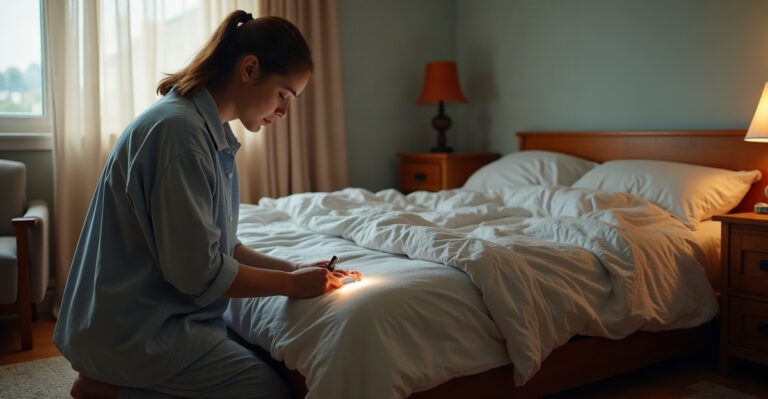
A professional inspection is the most reliable way to know for sure. We perform detailed examinations of mattresses, furniture, and surrounding areas. We explain exactly what we find. Clear answers reduce stress and confusion.
From there, we recommend safe treatment options that work for families, pets, and workplaces. Our bed bug control services focus on thorough elimination and careful follow-up. Every plan fits the space, whether it’s a house, apartment, or small business.
Residents across Idaho Falls, Twin Falls, Pocatello, Rexburg, Rigby, and nearby communities count on calm, dependable support. Through our residential pest control and commercial services, we handle bed bug concerns with steady attention and local care.
If signs continue or uncertainty remains, it’s time to connect with a trusted team. Reliable help is available through Falls Pest Services, and we’re ready to restore comfort with clear answers and straightforward solutions.