How Property Maintenance Helps Prevent Pest Problems?
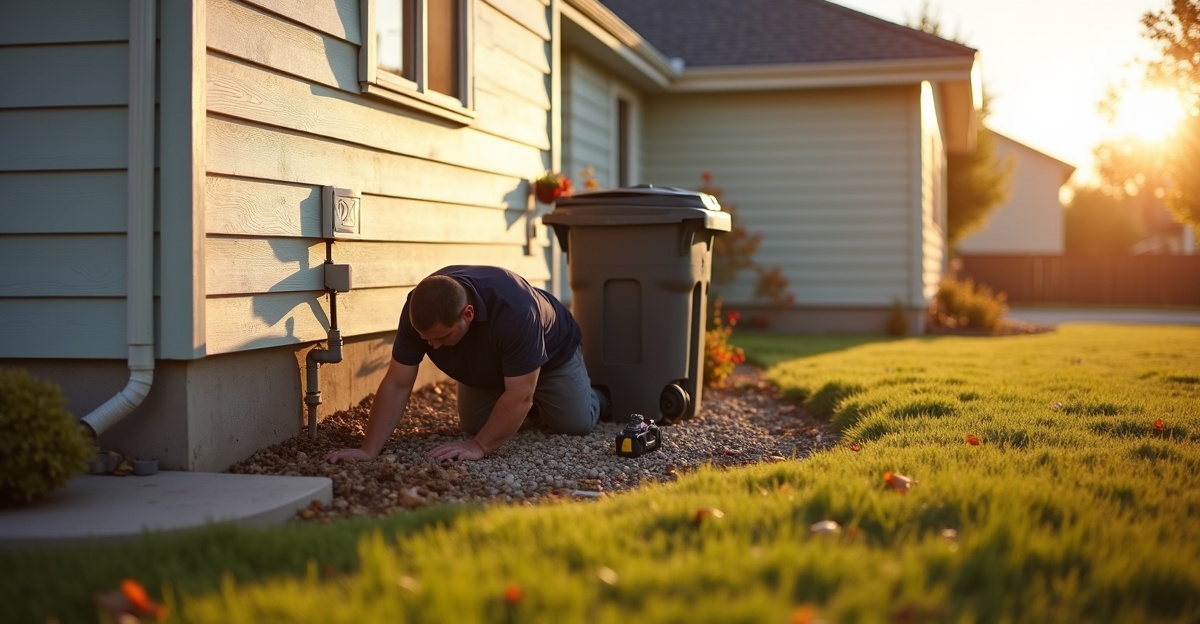
Property maintenance pest control prevents infestations by removing the food, water, and shelter that insects and rodents need to survive. We focus on practical steps that protect homes and businesses year-round. In Eastern Idaho, routine work like sealing entry points, controlling moisture, adjusting irrigation, maintaining landscaping, and practicing steady sanitation reduces winter rodent pressure and summer spikes in ants and wasps.
Key Takeaways
- Removing access to food, water, and shelter creates the foundation for preventing pest activity.
- Sealing gaps around foundations, doors, windows, vents, and outbuildings stops rodents and insects before they get inside.
- Moisture control, including proper drainage and irrigation adjustments, greatly reduces insect activity around foundations.
- Smart landscaping and consistent exterior upkeep limit hiding spots and make inspections and treatments more efficient.
- Steady sanitation and waste management habits reduce the risk of infestations in homes and commercial spaces.
Why Well-Maintained Properties Are Less Likely to Have Pest Problems
Consistent upkeep plays a direct role in reducing infestations. Property maintenance pest control focuses on removing the three things pests need most: food, water, and shelter.
Every structure offers potential shelter. Crumbs, trash, and pet food provide meals. Small leaks and irrigation issues create water sources. Routine maintenance limits these attractants before home maintenance pests become established.
The Eastern Idaho climate makes seasonal awareness essential. During cold months, rodents in winter actively search for warm indoor spaces. Small openings around foundations or garages become entry points. In dry summers, ants and wasps in summer seek moisture, especially near foundations where irrigation runoff collects.
We often see insect activity increase when sprinkler systems oversaturate flower beds next to exterior walls. That moisture softens soil, attracts insects, and encourages them to explore siding and foundation gaps. Adjusting watering schedules and redirecting irrigation runoff can make a noticeable difference.
Proactive property maintenance pest control remains far more cost-effective than emergency response treatments. Ongoing care reduces the likelihood of structural damage and contamination. At the same time, maintenance lowers risk but may not eliminate an established infestation. Once pests settle in, professional treatment may still be necessary to fully resolve the issue.
Sealing Entry Points: Stopping Pests Before They Get Inside
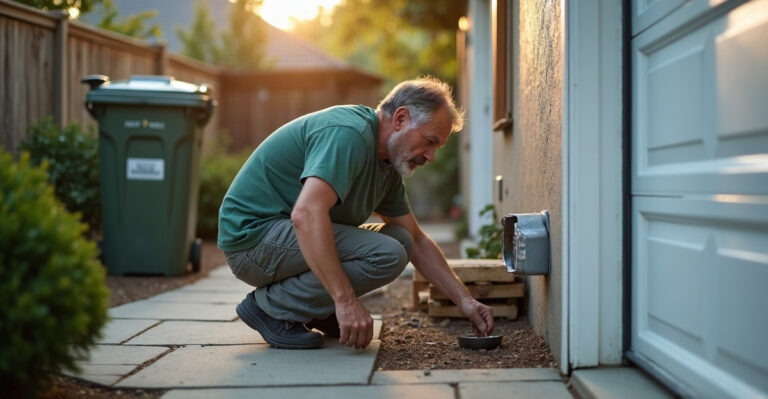
Unsealed gaps invite trouble. Openings around doors, windows, siding edges, vents, roofing lines, garages, and utility penetrations often go unnoticed for years.
Mice can fit through openings as small as a dime. That means a crack along the foundation or a small gap under a garage door can support a rodent problem. Rodent prevention begins with attention to detail and regular inspections.
We encourage property owners to seal entry points with quality caulk, weather stripping, and door sweeps. Torn window screens should be replaced. Foundation cracks deserve prompt repair. Vents should have tight-fitting mesh covers to block entry while preserving airflow.
Garages, sheds, and rural outbuildings deserve just as much focus. In areas like Idaho Falls, Twin Falls, Pocatello, Rexburg, and Rigby, many properties include detached storage buildings that rodents use as stepping stones into homes.
Seasonal inspections matter. Before winter, we should check for vulnerable spots that could invite rodents in winter. In spring, we should inspect for damage caused by snow load, freezing temperatures, and shifting soil.
For properties with crawl spaces, sealing access points becomes even more important. Guidance on keeping rodents out of crawlspaces can help strengthen that layer of defense as part of any property maintenance pest control plan.
Managing Moisture: The Overlooked Attractant
Moisture control often determines whether insects stay outside or move in. Even in a region known for dry summers, small water sources attract ants, spiders, and other pests.
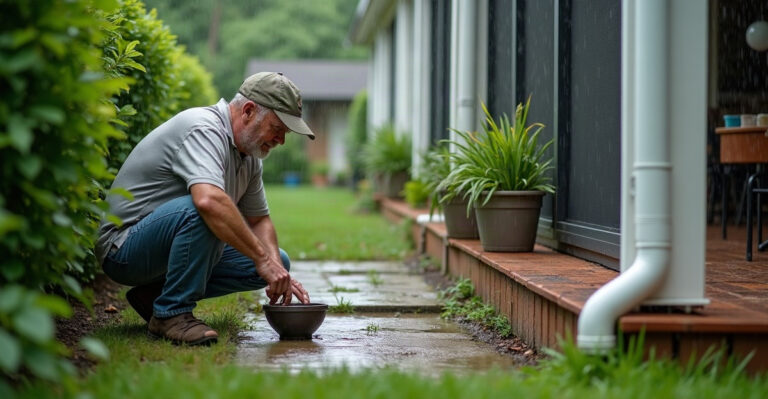
Leaky pipes, dripping outdoor spigots, clogged gutters, and poor grading create damp conditions near foundations. Irrigation runoff that pools near exterior walls increases pressure on structures and draws insects inward. Crawl space humidity can also create ideal shelter conditions.
Effective property maintenance pest control includes correcting those issues early. Downspouts should extend far enough to move water away from foundations. Soil should slope slightly away from the structure. Plumbing leaks should be repaired as soon as they appear.
Overwatering lawns and planter boxes deserves particular attention in the Eastern Idaho climate. During hot months, pests notice even small moisture pockets. Adjusting irrigation scheduling reduces attraction while conserving water.
Crawl spaces should remain dry and properly ventilated or sealed, depending on the home’s design. Moisture control supports long-term pest prevention and protects structural materials from decay. Many long-term damage issues we see begin with minor leaks that were left unaddressed.
Smart Landscaping and Exterior Upkeep for Fewer Pests
Landscaping pest prevention starts with visibility and spacing. Overgrown shrubs pressed against siding create cool, shaded harborage for insects and rodents. Tree branches touching roofs act as bridges that bypass sealed foundations.
We recommend trimming vegetation so that at least several inches of space remain between plants and exterior walls. That open gap discourages hiding spots and makes exterior inspections easier.
Stacked firewood should sit at least 20 feet from the home when possible. Piles placed directly against siding provide shelter for rodents and insects. Firewood stored off the ground on racks further reduces risk.
Yards should remain free of debris, leaf accumulation, and unused materials. On rural properties Eastern Idaho residents often maintain, this step becomes even more important. Fence lines, barns, and sheds should receive periodic checks for signs of activity.
Exterior upkeep directly affects how effective professional services can be. When we perform residential pest control, clear perimeters allow treatments to reach the intended areas and deliver longer-lasting results. Maintenance and treatment work best together.
Food Storage and Waste Management That Discourages Infestations
Sanitation remains one of the simplest tools in property maintenance pest control. Food storage pest prevention depends on consistent habits.
Pantry goods should be kept in sealed containers. Crumbs and spills should be cleaned promptly. Pet food deserves airtight storage, especially in garages where rodents commonly forage.
Waste management practices matter just as much. Indoor trash cans should have tight-fitting lids. Outdoor dumpsters should close securely and be emptied on schedule. Small business pest prevention is especially important for restaurants, offices, warehouses, and hospitality spaces with fewer than 50 employees. Even minor sanitation lapses can attract ants, flies, and rodents.
Businesses can strengthen protection by scheduling regular commercial pest control services and maintaining consistent cleaning routines. When sanitation supports treatment, pest pressure declines significantly.
Simple, steady cleaning habits protect families and customers alike. Property maintenance pest control works best when everyone on site understands how daily actions influence pest activity.
A Practical Pest Prevention Checklist for Eastern Idaho Homes and Businesses
A clear pest prevention checklist helps keep maintenance on track. The following steps reflect local conditions and common pressure points in Eastern Idaho:
- Inspect and seal gaps each spring and fall.
- Repair loose shingles, siding, and weather stripping.
- Clean gutters and direct water away from foundations.
- Fix plumbing leaks immediately.
- Adjust irrigation to prevent pooling near exterior walls.
- Trim shrubs and tree branches away from structures.
- Store firewood at least 20 feet from buildings when possible.
- Secure garbage lids and maintain consistent waste removal.
- Check garages, sheds, and outbuildings for gaps or droppings.
- Monitor for rodent activity in winter and ant or wasp activity during warmer months.
Consistent property maintenance pest control greatly reduces risk. However, recurring sightings or persistent activity signal that it is time to bring in professional support. Early detection makes a meaningful difference. Learning how to spot a pest problem early helps prevent small issues from expanding.
For long-term results, many property owners adopt a preventative approach. Our guide on what is preventative pest control explains how scheduled services create ongoing protection. We often combine maintenance recommendations with principles from integrated pest management, focusing on practical steps that reduce reliance on reactive treatments.
Falls Pest Services provides dependable Eastern Idaho pest control backed by local experience and clear communication. We use safe, responsible methods and straightforward pricing. When professional help becomes necessary, our team stands ready to assist. More information about our approach can be found at Falls Pest Services, or you can reach out directly through our contact page to discuss specific concerns.
Steady maintenance combined with timely support keeps homes and businesses protected year-round.