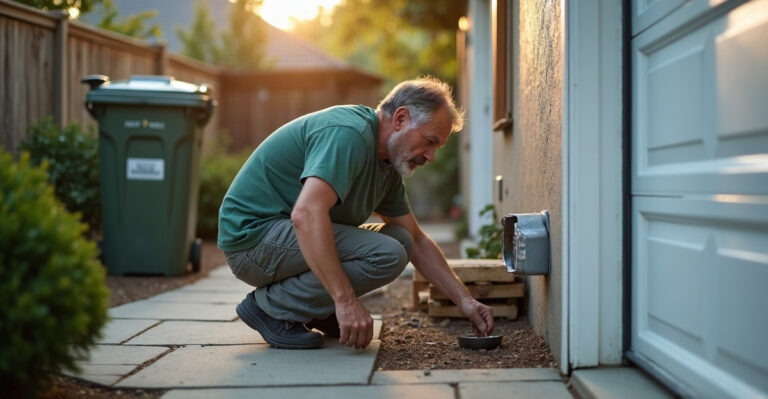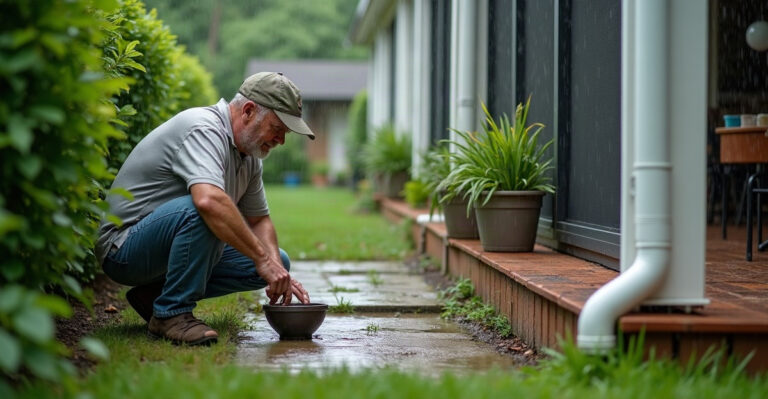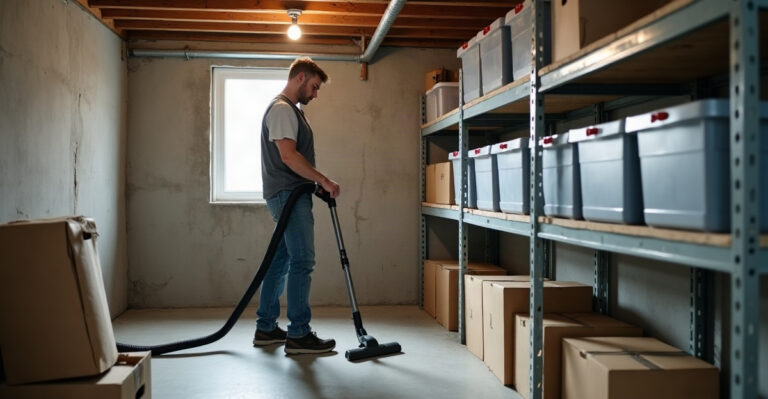
Common Pest Problems Around Trash Storage Areas
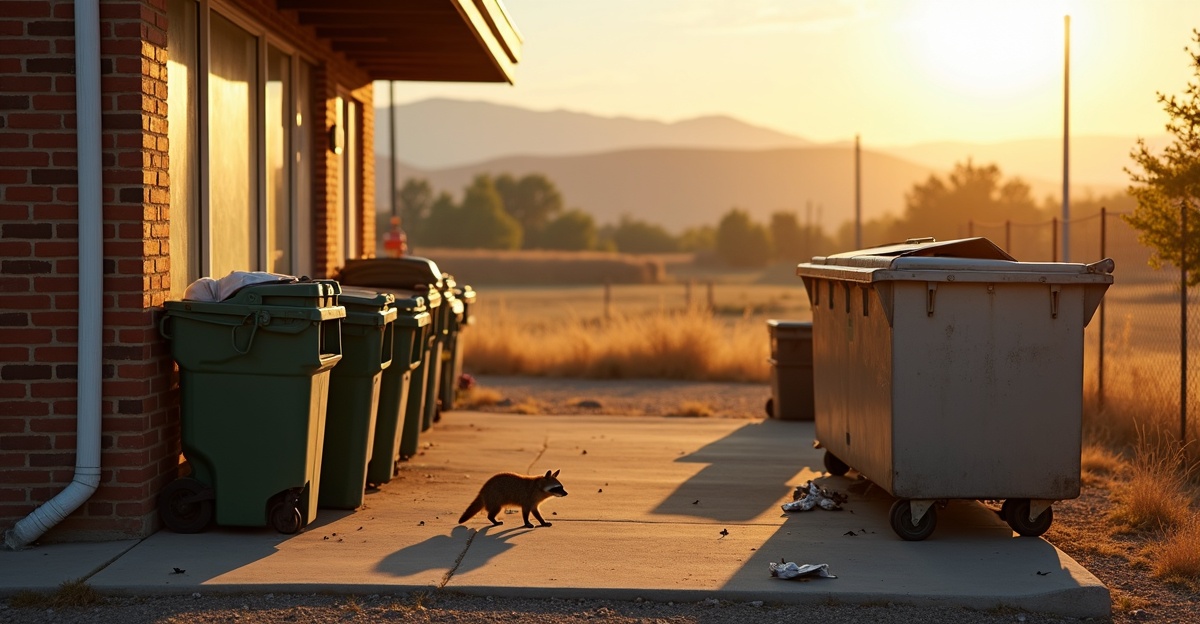
Trash storage areas turn into pest hotspots because they collect food scraps, moisture, and shelter in one reliable spot. In Eastern Idaho, hot summers speed up decay and cold winters push animals closer to buildings. Effective garbage pest prevention relies on odor control, restricted access, and early detection of rodent, insect, and wildlife activity around dumpsters and bins.
Key Takeaways
- Trash attracts rodents, raccoons, skunks, flies, ants, and wasps because it offers steady access to food, moisture, and cover in every season.
- Warm weather accelerates decomposition and fly breeding, while winter temperatures drive wildlife and rodents to search for calories in open or damaged bins.
- Warning signs include chewed lids, droppings, scattered garbage, burrows, maggots, and repeated nighttime pest movement.
- Consistent maintenance—tight-fitting lids, routine rinsing, smart bin placement, and scheduled pickup—reduces pest pressure significantly.
- Ongoing pest activity often signals nearby nesting and may require a professional inspection to locate entry points and build a long-term prevention plan.
Why Trash Storage Areas Quickly Become Pest Hotspots
Trash attracts pests for one simple reason: it provides what they need to survive. Food residue, moisture, shelter, and strong odors all collect in one predictable place.
Even sealed garbage bags release scent. Outdoor trash pests can detect food from a surprising distance, especially rodents and wildlife with strong senses of smell. As waste builds up, those odors grow stronger.
Eastern Idaho summers speed up decomposition. Warm temperatures increase bacteria activity, which amplifies odor and creates ideal breeding conditions for flies. Maggots can develop quickly in damp organic waste once the heat sets in.
Cold winters create a different issue. As natural food sources decline, rodents and wildlife search for steady calories. Trash bins combine food and cover, making them appealing shelter-and-food combinations during freezing months.
Overflowing dumpsters and loosely closed lids send a clear signal. Easy access encourages repeat visits. Raccoons, skunks, and rodents learn fast. If they find food once, they often return night after night.
Common habits also fuel recurring pest activity:
- Storing bins directly against buildings gives rodents a short path from garbage to attic or crawl space.
- Infrequent rinsing leaves sticky residue that continues to smell even after pickup.
- Irregular collection schedules allow waste to sit too long.
Over time, these patterns make garbage pest prevention harder and increase pressure from Eastern Idaho pests.
The Most Common Outdoor Trash Pests in Eastern Idaho
Outdoor trash pests vary by neighborhood, property type, and proximity to open land. In Idaho Falls, Twin Falls, Pocatello, Rexburg, and Rigby, rural and semi-rural areas often see higher wildlife pressure. Properties near fields, canals, or undeveloped land tend to experience more frequent visits from larger animals.
Rodents
Rodents lead the list. Mice and rats chew through plastic lids and squeeze through small openings. They leave droppings, gnaw marks, and greasy rub trails along bin edges. If food remains consistent, rodents in trash areas often nest nearby under decks, in sheds, or along foundations.
Raccoons and Skunks
Raccoons in garbage tip over cans and scatter waste across driveways. Skunks dig around bin bases and may burrow nearby. Both species return quickly if food stays accessible, especially along Eastern Idaho wildlife corridors.
Flies
Flies thrive in damp, warm trash. They lay eggs in decomposing material, and within days, maggot activity can appear inside containers. Ongoing fly activity may point to a larger sanitation issue. In some cases, it’s helpful to understand whether fruit flies signal bigger problems elsewhere on the property. For persistent pressure, targeted fly control services may be needed.
Ants
Ants follow sugary spills and protein scraps. Trash bins set close to foundations create a bridge between food and nesting sites. Over time, colonies expand near the structure. Learning more about what attracts ants to your home can reduce repeat issues. Professional ant control helps if trails continue.
Wasps
Wasps use dumpster enclosures and the undersides of lids for nesting during warm months. Disturbing a hidden nest inside a bin can quickly become a safety concern. Structured wasp and hornet control keeps stinging pests in check around trash areas.
Warning Signs Your Trash Area Is Causing a Pest Problem
Outdoor trash pest activity often leaves visible clues. Small issues build over time, so early detection matters.
Watch for these indicators:
- Chewed lids or bite marks on plastic containers
- Droppings near bins or along exterior walls
- Scattered trash or knocked-over cans in the morning
- Burrows near bins or along foundations
- Maggot activity inside cans
- Strong, lingering odors even after pickup
- Repeated nighttime pest sightings around storage areas
Repeated activity usually means more than casual foraging. Rodent nesting near garbage often signals a nearby shelter site. Scratching sounds in walls, fresh droppings, or insulation damage may indicate rodents have moved closer to the structure. If mice appear indoors, review why mice are seen in garages and connect trash storage to possible entry points.
For commercial properties, warning signs can include complaints from customers, visible rodent movement near dumpsters, or persistent grease buildup that attracts insects. Restaurants and food service locations benefit from consistent commercial pest control to reduce risk and protect reputation.
Practical Garbage Pest Prevention Steps That Work
Garbage pest prevention depends on consistency. Small improvements in storage and maintenance make a measurable difference.
Use Quality Containers
Choose durable bins with tight-fitting lids. Wildlife-resistant models provide added protection. In rural Eastern Idaho neighborhoods, secure trash bins with bungee cords or locking systems if raccoons or skunks are active.
Control Odor and Residue
Rinse containers regularly to remove food buildup and allow them to dry fully before reuse. Even thin residue layers continue to attract pests.
Improve Placement
Store bins a few feet away from buildings when possible. This reduces the chance rodents move from trash to attic or crawl space. Place containers on concrete or another hard surface instead of soil or gravel to discourage burrowing.
Avoid Overflow
Schedule consistent pickup and keep lids fully closed between collections. Businesses should clean dumpster pads routinely, remove grease buildup, and ensure enclosure gates latch properly. These steps help prevent pests around dumpsters before they settle in.
Seasonal awareness matters. Summer heat calls for more frequent rinsing and fly monitoring. In colder months, inspect for chewing or digging as wildlife searches for food.
When Prevention Isn’t Enough and Professional Help Makes Sense
Some situations continue despite improved storage practices. Repeated rodent sightings, fresh droppings, structural chewing damage, or nightly wildlife visits suggest a larger issue.
Health and safety concerns rise when pests linger. Rodents contaminate surfaces, and flies spread bacteria from waste to food preparation areas. Families, employees, and customers benefit from a clean environment.
Professional pest control Eastern Idaho property owners rely on can address both activity and root causes. Integrated pest management includes detailed inspection, identifying entry points, targeted treatment, and exclusion recommendations.
DIY steps reduce attraction but may not eliminate established infestations. If rodents have settled under a shed or inside a wall void, structured rodent control services may be necessary to restore control.
Protecting Your Home or Business Year-Round in Eastern Idaho
Outdoor trash pests in Eastern Idaho shift with the seasons. Summer encourages fly and wasp activity. Winter pushes rodents and wildlife toward dependable food sources.
Rural properties often face heavier raccoon and skunk pressure, while urban neighborhoods commonly deal with rodents and ants. Restaurants, multifamily housing, warehouses, and hospitality properties require regular dumpster monitoring to prevent disruptions.
Make trash area inspections part of routine maintenance. Check lids, scan for droppings, and note unusual odors or damage. Consistency supports long-term garbage pest prevention.
If outdoor trash pests persist, consider scheduling a Falls Pest Services inspection. We provide practical guidance and reliable support for homes and businesses in Idaho Falls, Twin Falls, Pocatello, Rexburg, Rigby, and surrounding communities, helping keep properties protected in every season.