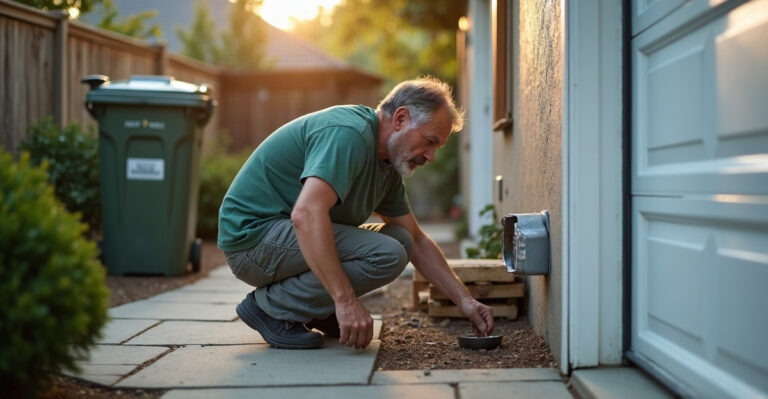
Why Garages Become Pest Entry Points?
Garages give us convenient access to our homes, but that same access creates risk. Gaps under overhead doors, cracks in the foundation, and frequent door use let rodents and insects slip inside. Eastern Idaho’s seasonal temperature swings, moisture near foundations, exterior lighting, and common storage habits all increase pest pressure. We focus on consistent garage pest prevention to protect the entire home, not just the garage.
Key Takeaways
- Worn weather stripping, small foundation cracks, and gaps around utility lines allow mice, ants, spiders, and other pests to enter easily.
- Attached garages raise the risk because shared walls, attic spaces, and interior doors give pests a clear path into living areas.
- Seasonal shifts in Eastern Idaho, including winter cold and summer drought, drive pests indoors in search of warmth, shelter, and moisture.
- Storage habits like keeping cardboard boxes, pet food, and clutter create nesting sites, food sources, and cover.
- Early sealing, routine maintenance, and professional inspections help us find hidden vulnerabilities before pests spread deeper into the home.
Garages Are Built for Access — And Pests Take Advantage
Garages are built to open and close with ease. That convenience for vehicles and storage also makes them one of the most common entry points for unwanted pests.
Large overhead doors create one of the biggest openings in any home. Even when closed, worn or misaligned weather stripping can leave gaps along the bottom and sides. Mice can fit through openings as small as ¼ inch. That small space is hard to see from standing height, but it’s more than enough for a rodent.
Cracks in the foundation, expansion joints, and gaps around utility lines provide hidden access. These spaces often form over time as soil settles and materials shift. Since garages typically have exposed framing, drains, and piping, pests find several ways in if those areas aren’t sealed.
Attached garages increase the risk. Once pests move into the garage, they are one wall away from living space. Interior access doors, shared attic spaces, and wall voids create a direct pathway into the home. That’s why consistent garage pest prevention matters.
Frequent door use also plays a role. Busy households open and close the garage many times a day. Each opening gives spiders, ants, and flying insects an opportunity to enter. At night, exterior lights mounted near garage doors can attract insects that then slip inside before the door fully closes.
Storage habits make a difference. Garages often hold cardboard boxes, pet food, trash bins, and seasonal clutter. Cardboard provides nesting material. Pet food and garbage create food sources. Clutter offers shelter and protection. Over time, a garage becomes a comfortable transitional space between outdoor exposure and indoor comfort.
If we’re curious which pests show up most often, this overview of common garage pests explains what we typically see across Eastern Idaho.
Eastern Idaho’s Climate Makes Garages Even More Inviting
Seasonal changes in Eastern Idaho strongly influence pest behavior. In Idaho Falls, Twin Falls, Pocatello, Rexburg, Rigby, and surrounding areas, temperature swings drive movement.
Cold winters with steady snow push rodents and insects indoors. As temperatures drop, mice, voles, and spiders look for warmth and protection. Garages provide both without requiring pests to immediately enter the main home.
Snow melt and ice buildup create moisture around foundations. That moisture attracts insects. As the soil thaws and refreezes, small cracks can also widen, making entry easier.
Dry summers create a different problem. When outdoor water sources shrink, pests search for reliable moisture. Condensation from vehicles, irrigation runoff near foundations, and even pet water bowls inside garages offer accessible hydration. Ants and earwigs often follow these subtle water sources.
Homes built near open land, agricultural areas, or undeveloped fields see even more pressure. Voles and field mice relocate as crops change and temperatures shift. Garages often become the first stop before pests attempt to expand further.
This seasonal movement is predictable. With consistent observation and prevention, we can reduce activity before it escalates.
Common Pests You May Find in Your Garage
Most garage pests are manageable with early action. There’s no need for alarm. Steady maintenance and timely intervention go a long way.
Spiders prefer quiet corners with low traffic. Garages give them ceiling edges, shelving, and stored items where insects gather. If insect activity increases, spider populations usually follow.
Mice and voles search for warmth, nesting material, and stored food. Shredded cardboard, insulation, and paper products make ideal nesting material. If we keep seeing rodents around stored items, this article about mice in the garage explains common reasons.
Ants often enter through foundation cracks. They move indoors in search of food or steady moisture. Even small crumbs or minor condensation can support a colony.
Earwigs are drawn to damp areas, especially during warmer months. They hide under stored items, near garage door seals, and along cooler concrete edges. Our earwig control services address these problem areas when activity increases.
Wasps frequently build nests along garage ceilings, door frames, and light fixtures. Open rafter spaces give them protection from weather while remaining close to outdoor food sources.
Each of these pests responds well to early, consistent garage pest prevention. Simple corrections often prevent larger issues later.
Practical Garage Pest Prevention Steps Homeowners Can Take
We keep prevention straightforward and safe, especially in homes with children and pets. These steps make a measurable difference:
To reduce pest entry and nesting:
- Inspect and replace worn weather stripping along the bottom and sides of garage doors.
- Seal visible cracks in the foundation and gaps around pipes or wiring with appropriate sealant.
- Store items in sealed plastic bins instead of cardboard boxes.
- Keep pet food in airtight containers.
- Reduce clutter to remove hiding and nesting areas.
- Sweep regularly and remove food debris.
- Redirect irrigation away from the foundation and ensure proper drainage.
- Trim vegetation and remove debris near the exterior garage perimeter.
- Choose softer or yellow-toned exterior lighting to reduce insect attraction near entry points.
Drain systems and ventilation areas can also allow pest movement if not maintained. We discuss these entry routes further in our article on pests coming through drains.
No home can be sealed with absolute perfection over time. Materials shift, temperatures fluctuate, and use creates wear. This is why we approach prevention as ongoing maintenance. For a broader look at expectations, our guide on pest-proofing a home explains what’s realistic.
Signs DIY Efforts May Not Be Enough
Some signs suggest the issue extends beyond surface fixes. Ongoing droppings despite cleaning efforts indicate active rodent movement. Nesting materials such as shredded paper or insulation suggest pests have settled in. Gnaw marks on stored items or structural wood show repeated activity.
Recurring ants or insects even after sealing visible gaps often point to hidden entry areas. Increased pest activity during seasonal transitions in Eastern Idaho also signals structural vulnerabilities.
At that stage, professional evaluation helps. With structured rodent control services or targeted insect treatments, we can intercept activity before it spreads into living spaces.
How Professional Garage Pest Control Protects Your Home
A trained inspection identifies structural weak points that are easy to miss. Small spacing around door tracks, siding transitions, roof lines, and shared attic spaces often serve as secondary access points.
We assess primary and secondary entry areas based on each property’s layout. Seasonal timing matters here. Treatments applied before peak winter cold or summer drought reduce reactive infestations later.
Modern methods focus on safety and precision. Products are selected and applied carefully around children, pets, and adjoining living areas. Preventative barrier treatments concentrate on long-term stability instead of short-term fixes.
If pests entering garage areas continue despite prevention steps, a consultation brings clarity. Our team at Falls Pest Services provides steady, reliable residential pest control built around local conditions. We’re always glad to provide a friendly inspection and practical solutions through our contact page.
Consistent garage pest prevention protects both the garage and the home it’s attached to. Small corrections today often prevent larger disruptions tomorrow.