Pest Prevention Tips for Storage Buildings

Storage building pest control plays a critical role in protecting sheds, barns, garages, and small warehouses across Eastern Idaho. We focus on stopping rodents, insects, and wildlife before they cause damage. When we understand what attracts pests, spot early warning signs, and follow practical pest-proofing steps, we reduce the risk of structural damage, contamination, and seasonal infestations.
Key Takeaways
- Storage buildings attract pests because they offer shelter, steady temperatures, food sources, and small entry gaps that form over time.
- Early warning signs include droppings, gnaw marks, nesting materials, ant trails, spider webs, wasp activity, and damaged or contaminated stored goods.
- Sealing gaps, improving ventilation, reducing clutter, elevating stored items, and keeping feed in sealed containers form the foundation of prevention.
- Seasonal inspections, especially before fall and winter, allow us to address risks before rodents and insects move indoors.
- Professional storage building pest control delivers detailed inspections, targeted treatments, and ongoing monitoring when do-it-yourself efforts fail to solve the problem.
Why Storage Buildings Attract Pests in Eastern Idaho
Storage buildings provide the exact conditions many pests look for. Sheds, barns, detached garages, and small warehouses offer shelter, steady temperatures, food sources, and low human traffic. For outbuilding pests, that combination is hard to resist.
Eastern Idaho brings wide seasonal shifts. Cold winters drive rodents indoors as they search for warmth and nesting areas. Dry summers push insects into cooler, shaded structures. In rural properties around Idaho Falls, Twin Falls, Pocatello, Rexburg, Rigby, and nearby communities, open land and agricultural surroundings increase exposure to mice, voles, ants, spiders, and wasps.
Even well-built structures can develop small gaps around doors, vents, rooflines, and foundations. Over time, weather and normal wear create openings large enough for a mouse to squeeze through or a wasp to enter. Seasonal transitions, especially fall and early winter, tend to be high-risk periods for infestations. That’s when we see a spike in storage building pest control calls across Eastern Idaho.
Shed pest prevention works best when we understand what attracts pests in the first place. Food, shelter, and easy access remain the main drivers.
Common Outbuilding Pests and Early Warning Signs to Watch For
Outbuilding pests in Eastern Idaho follow predictable patterns. The most common ones we encounter include mice, voles, spiders, ants, wasps, stored product pests, and occasionally bats or small wildlife.
Rodents leave clear clues. We often find droppings along walls or near stored items. Shredded insulation, grass, or paper may signal nesting. Gnaw marks on wood, doors, or wiring point to active chewing. Scratching sounds at night inside walls or ceilings can confirm movement.
Ants and spiders show up differently. We may notice visible ant trails along foundations or small piles of debris near entry points. Webs gathering in corners or along rafters suggest ongoing spider activity. Damaged packaging or contaminated goods often indicate insects are feeding on stored materials.
Wasps prefer sheltered spots under eaves, inside rafters, or above door frames. Increased wasp activity around shed doors during warm months often means a nest is nearby.
Stored product pests target animal feed, grass seed, or pantry items kept in sheds or barns. If insects appear inside sealed spaces or we see larvae in feed, it’s time to act quickly.
Spotting these warning signs of infestation early makes rodent control and ant and spider control much more manageable. We often recommend reviewing guidance on how to spot a pest problem early so issues don’t grow unnoticed.
Shed Pest Prevention Checklist for Long-Term Protection
Long-term shed pest prevention depends on consistent storage building maintenance. In Eastern Idaho’s climate, small preventive steps make a big difference before temperatures shift.
Practical Pest-Proofing Steps
We suggest focusing on the following actions:
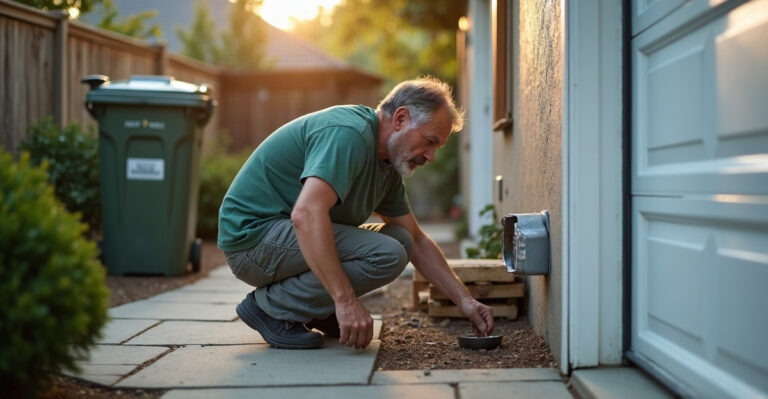
- Seal gaps and cracks around foundations, doors, and vents using durable materials. Install weather stripping and door sweeps to block rodent entry.
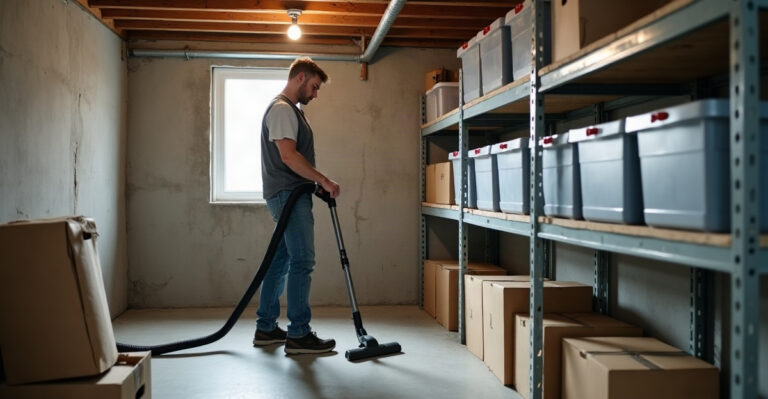
- Store items in sealed plastic bins instead of cardboard. Keep animal feed and seed in tightly sealed containers.
- Reduce clutter and sweep regularly to remove crumbs, nesting materials, and hiding spots.
- Elevate stored items off the floor using shelves or pallets to improve airflow and visibility.
- Repair leaks and improve ventilation to manage moisture, which attracts many insects.
- Trim vegetation and keep grass, weeds, firewood, and debris several feet away from the building’s perimeter.
- Schedule seasonal inspections, especially before fall and early winter.
These pest-proofing tips remain effective for both homeowners and small business owners.
Safety always comes first. We encourage careful use of traps or deterrents around children, pets, and livestock. For additional guidance on prevention strategies, we recommend learning more about preventative pest control and how it supports long-term protection.
We also share practical advice specifically for keeping pests out of sheds and similar structures. For rodent-sensitive areas under buildings, we cover proven methods for keeping rodents out of crawlspaces, which often apply to sheds and barns as well.
When DIY Prevention May Not Be Enough
Most prevention steps help reduce risk. Still, some signs point to an ongoing infestation that needs professional attention.
Persistent rodent activity despite sealing efforts often signals hidden nesting sites. Repeated wasp nest rebuilding suggests a favorable environment that hasn’t been addressed. Expanding ant colonies, damage to wiring or insulation, and contamination of stored goods indicate the problem may be larger than it appears.
Daytime rodent sightings can be another warning sign. Mice and rats are typically nocturnal. Seeing them during the day may mean overcrowding or a growing population.
If pests begin spreading from a shed into a home or business, professional storage building pest control offers a safer and more thorough solution. We frequently see issues move from detached garages into living spaces if left unchecked. Business owners may face similar risks, especially in light of common pests found in commercial buildings discussed in commercial building pest concerns.
DIY efforts are valuable, but they don’t always eliminate hidden nests, breeding populations, or concealed entry points. If we’re noticing persistent signs of pests in a shed or storage building, a local inspection can help address the issue before it spreads.
What Professional Storage Building Pest Control Involves
Professional storage building pest control starts with a detailed inspection. We evaluate the structure inside and out, identify entry points, and assess moisture conditions and storage risks. From there, we build a clear treatment and prevention plan based on what we find.
Our approach focuses on responsible product use and targeted application. We consider families, pets, and livestock in every treatment decision. Monitoring tools and strategic placement help control activity while minimizing disruption.
Services may include:
- Rodent control services for mice and voles.
- Ant control and spider control services for crawling insects.
- Wasp nest management and seasonal monitoring.
- Guidance for small commercial storage spaces through our commercial pest control programs.
As a locally owned and licensed team serving Eastern Idaho, we respond quickly and work with practical solutions. We don’t promise “pest-free forever.” Instead, we focus on consistent monitoring and prevention that significantly reduce the risk of future problems.
Whether for homes or businesses, our broader residential pest control services can extend protection to the entire property.
Protecting Your Property, Equipment, and Peace of Mind
Storage buildings often house valuable tools, seasonal equipment, business inventory, livestock feed, or personal keepsakes. Rodents can chew wiring and damage structures. Insects can contaminate feed or packaged goods. Wasps can limit access to essential areas.
Preventive storage building pest control helps safeguard property value and reduce unexpected repair costs. A small investment in routine care often prevents larger expenses later.
We recommend regular checkups for homeowners and small business owners who rely on sheds, detached garages, barns, restaurant supply sheds, or small warehouses. Consistent shed pest prevention protects equipment and keeps daily operations running smoothly.
If we have questions about outbuilding pests or need guidance specific to our property, we can reach out to Falls Pest Services for local expertise. To schedule an inspection or request personalized advice, visit our contact page and connect with our team.