Pest Prevention Tips for Vacation Homes
Vacation home pest control in Eastern Idaho demands a proactive plan because vacant properties attract rodents, ants, wasps, spiders, and seasonal pests that want warmth and moisture. We see unoccupied homes become easy targets once activity drops and small maintenance issues go unchecked. Simple prevention steps such as sealing entry points, controlling moisture, adjusting for seasonal pest shifts, and scheduling routine inspections protect second homes from avoidable damage and expensive repairs.
Key Takeaways
- Unoccupied homes attract pests because daily activity stops, leaks go unnoticed, condensation builds, and small exterior gaps stay open.
- Sealing cracks, removing food sources, fixing plumbing concerns, and arranging periodic walk-throughs prepare a vacation home for vacancy.
- Seasonal adjustments matter. We address moisture in spring, track insect pressure in summer, seal gaps for rodents in fall, and inspect for nesting activity in winter.
- Consistent exterior upkeep, including proper drainage, trimmed vegetation, and firewood stored away from the structure, limits pest access.
- Professional monitoring and scheduled inspections add peace of mind because we catch early rodent or insect activity that owners often miss.
Why Unoccupied Vacation Homes in Eastern Idaho Attract Pests So Quickly
Unoccupied vacation homes provide exactly what pests look for: quiet shelter, stable hiding spots, and little daily disturbance. Activity in a lived-in home naturally disrupts insects and rodents. Once a property sits empty, that disruption disappears.
Small plumbing leaks often go unnoticed for weeks. Temperature swings create condensation in crawl spaces and attics. Exterior gaps remain unsealed. In Eastern Idaho, cold winters and dry summers push pests to look for warmth or moisture wherever they can find it. Homes near agricultural land, open fields, or foothills in Idaho Falls, Twin Falls, Pocatello, Rexburg, and Rigby face even more pressure from wildlife and insects.
Common seasonal home pests in this region include rodents, spiders, wasps, ants, and occasional overwintering insects. Rodents and insects search for warmth in fall and winter. In late spring and summer, many species move indoors seeking moisture.
That’s why vacation home pest control must start before problems appear. Waiting to discover damage weeks or months later often leads to higher repair costs, contamination issues, and structural concerns. Effective second home pest prevention costs far less than repairing chewed wiring, replacing insulation, or remediating droppings in an attic.
Owners who want vacation home pest control strategies that work naturally focus on barriers, sanitation, and consistent oversight rather than reactive treatments. Prevention keeps homes ready for family visits without unpleasant surprises.
Immediate Steps to Take Before Leaving Your Property Unoccupied
Before locking up for an extended period, we recommend a clear, repeatable checklist. These steps reduce risk during vacancies lasting weeks or months.
Review these essentials before leaving:
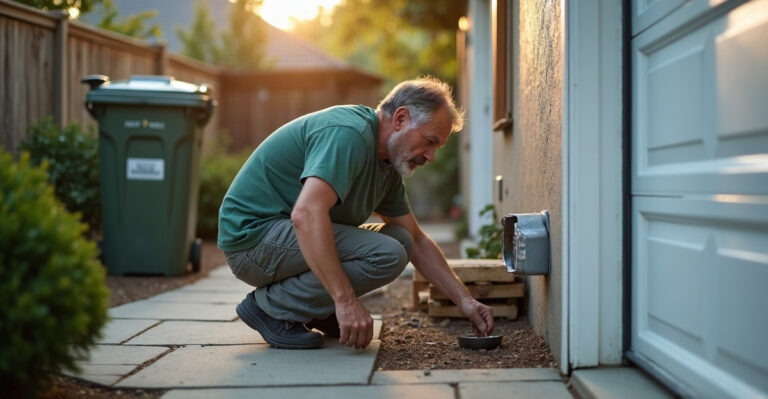
- Seal gaps around doors, windows, vents, utility lines, and foundation cracks. Even small openings allow mice and insects indoors.
- Store all food in airtight containers. If the home will sit vacant for months, remove pantry items completely.
- Remove trash offsite and wash bins thoroughly. Residue attracts ants, flies, and rodents.
- Repair plumbing leaks and consider shutting off the main water supply if appropriate. Moisture drives pest activity.
- Set thermostats to avoid extreme cold or heat that can encourage nesting. Balanced temperatures discourage overwintering insects.
- Arrange periodic walk-throughs with a trusted neighbor or property manager. Early detection prevents large infestations.
Safety matters during this process. We avoid improper chemical use or open bait placement, especially in homes used by children and pets. Traps and deterrents should be placed correctly and checked regularly. Poor placement often creates odor or sanitation problems.
These second home pest prevention steps significantly lower the odds of infestations. However, no home can be sealed perfectly. For more insight on sealing limits, we explain the details in pest-proofing a home completely. Long absences always carry some risk, which is why routine inspections make such a difference.
Seasonal Vacation Home Pest Control Checklist for Eastern Idaho
Eastern Idaho’s climate shifts quickly. Each season brings different pressures, and seasonal home pests behave differently throughout the year. Adjusting second home pest prevention strategies with the seasons keeps problems small and manageable.
Spring
As snow melts, moisture becomes the main concern. Inspect for ant activity around foundations and watch for emerging wasp nests under eaves. Check crawl spaces for standing water or damp insulation. Scheduling an exterior inspection before peak activity begins sets a strong foundation for the rest of the year. Timing matters, and we outline more in the best time to schedule pest control.
Summer
Warmer temperatures increase wasp, spider, and general insect activity. Monitor entry points closely. Trim vegetation several inches away from siding and rooflines. Irrigation overspray should never saturate foundations. Persistent moisture draws ants and other insects indoors.
Fall
As temperatures drop, rodents begin seeking warmth. Seal entry points before cold weather sets in. Remove bird seed, pet food, and fallen fruit near the structure. Inspect attic vents and garage doors for small gaps. For properties with crawl spaces, review steps outlined in keeping rodents out of crawl spaces.
Winter
Cold weather pushes mice and insects deeper into sheltered areas. Look for signs of nesting in garages, basements, and attics. Maintain consistent indoor temperatures to discourage overwintering insects. Mid-winter check-ins are especially important for homes left vacant the entire season.
Following a seasonal plan reduces stress and limits costly surprises.
Exterior Maintenance That Makes a Big Difference
Strong exterior maintenance prevents most pest entry issues. Simple steps performed consistently outperform complicated treatments.
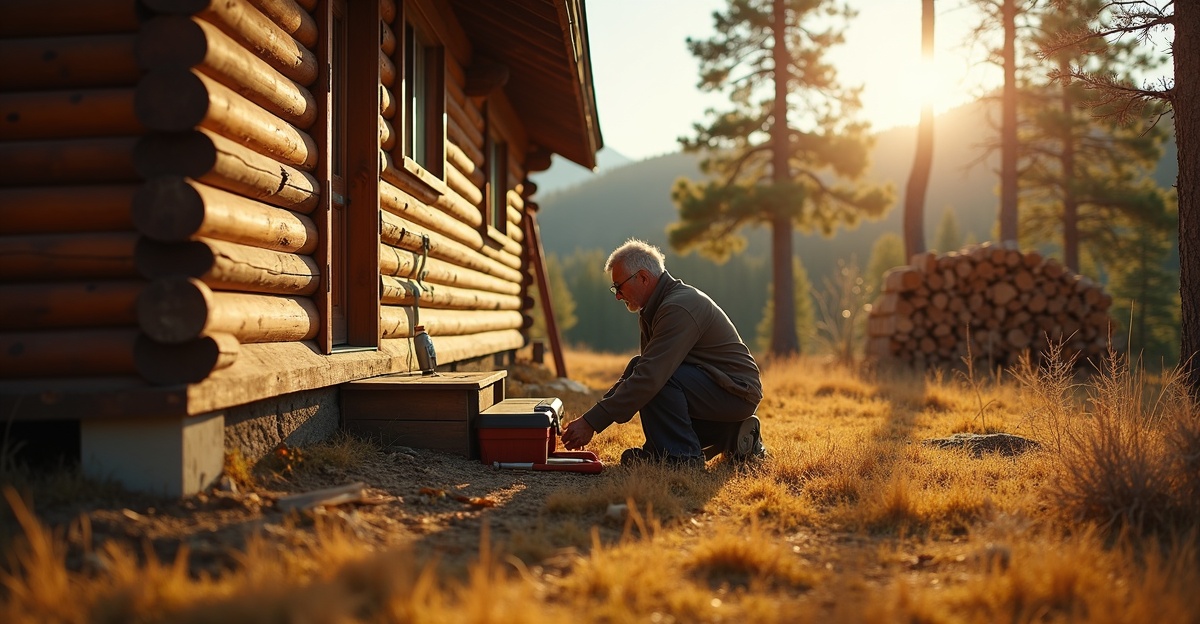
- Store firewood away from the home and elevate it off the ground.
- Repair damaged siding, loose shingles, and torn screens promptly.
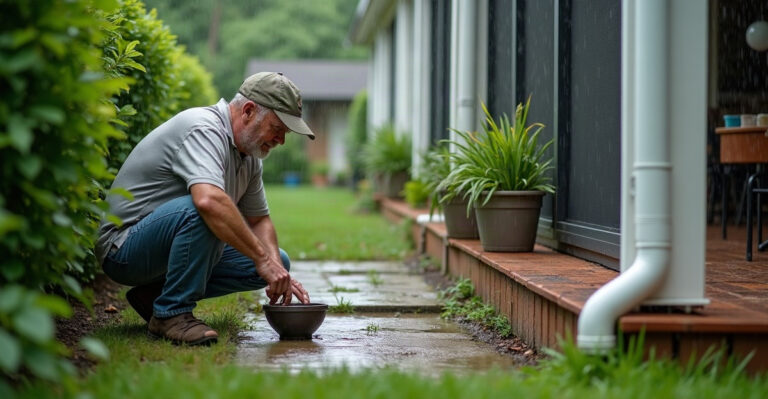
- Maintain gutters and downspouts so water drains away from the foundation.
- Trim shrubs and clear debris around the perimeter to eliminate hiding spots.
In Eastern Idaho’s mix of suburban neighborhoods and rural properties, proximity to wildlife increases pressure on vacation homes. Open land and fields provide steady migration paths for mice and insects.
Vacation home pest control succeeds when maintenance remains steady and practical. Regular inspections, sealing, and moisture control carry more long-term value than sporadic treatments performed after an infestation begins.
Additional planning guidance can be found in preventative pest control strategies and our overview of how pest control protects your home long-term. Prevention supports structural integrity and family comfort over time.
When Professional Help Provides Added Peace of Mind
Homes left vacant for several months or closed seasonally often benefit from professional oversight. Routine inspections catch subtle signs of entry or nesting that are easy to miss during short visits.
Professional vacation home pest control typically includes exterior barrier treatments, monitoring stations, and inspections customized to local pest patterns. In Eastern Idaho, that means preparing for rodent pressure before winter, ant and wasp activity in spring and summer, and moisture-driven issues after snowmelt.
DIY efforts remain important. Still, trained service professionals recognize early-stage infestations, fine structural gaps, or insulation disturbances that homeowners may overlook. Safety-focused approaches take children, pets, and environmental considerations into account. Clear communication and transparent pricing help owners plan ahead without surprises.
Long-term monitoring provides consistent protection rather than isolated treatments. For many second homes, that steady attention makes all the difference.
A Local, Reliable Partner for Ongoing Protection
We’ve served communities across Idaho Falls, Twin Falls, Pocatello, Rexburg, and Rigby for years. We understand regional pest pressures because we live and work here, too. Our approach stays calm, practical, and service-focused.
Vacation home owners can explore our residential pest control services to see how monitoring and seasonal treatments fit second properties. Those facing rodent concerns can learn more about rodent control in Eastern Idaho and prevention strategies suited for long vacancies.
We encourage property owners to schedule a seasonal inspection or request a customized second home pest prevention plan before leaving town. A quick visit and clear plan provide steady protection and peace of mind. Details and appointment options are available through our contact page.
Consistent care keeps vacation homes ready for family time instead of repair projects. A little planning today protects comfort and value for years to come.