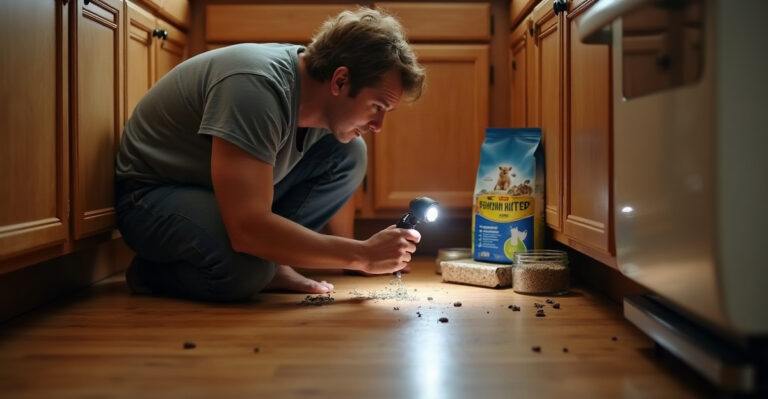
Different Types of Ants That Invade Homes
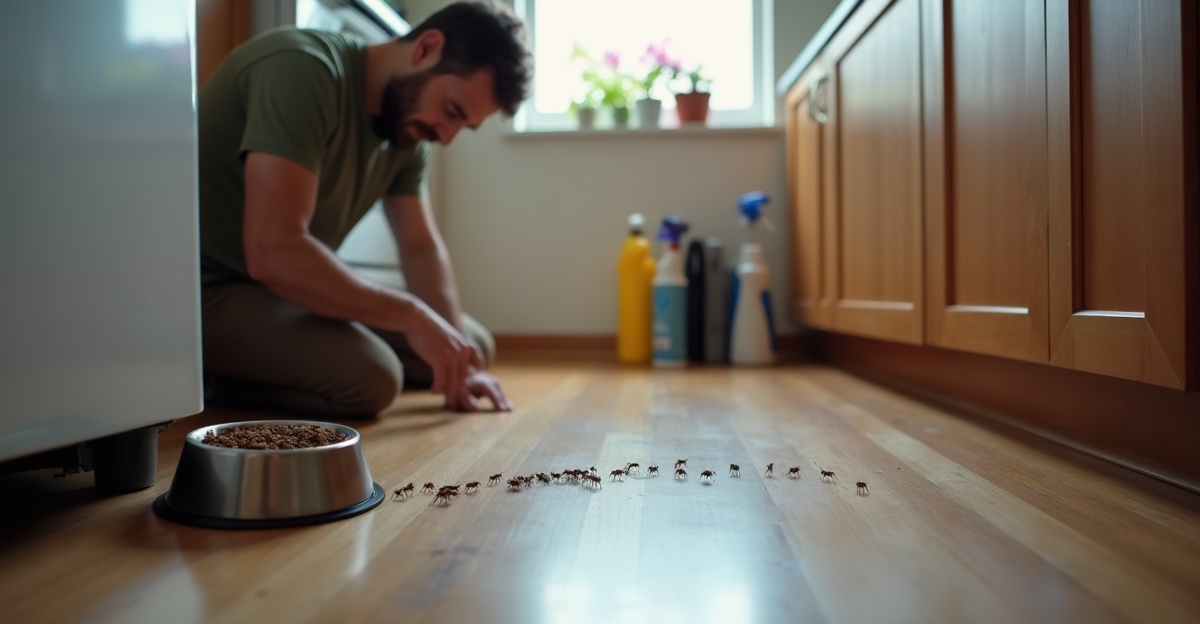
We often find odorous house ants, pavement ants, and carpenter ants inside homes. Each species has distinct habits, entry points, and nesting preferences. We identify activity areas, food sources, moisture issues, and damaged wood to choose effective prevention steps and determine when an inspection can help.
Key Takeaways
- Odorous house ants often trail near kitchens, sinks, pet food, sweet items, crumbs, and moisture sources.
- Pavement ants commonly enter through gaps near foundations, doors, windows, and utility openings, even if colonies stay outdoors.
- Carpenter ants are larger and may nest in damp, decayed, or water-damaged wood. They excavate wood for nests but don’t eat it.
- We limit ant activity by cleaning food spills, reducing moisture, sealing entry gaps, and moving vegetation or firewood away from the structure.
- We recommend professional help for recurring trails, ants in several rooms, large ants indoors, wall or ceiling activity, or signs of moisture-related wood damage.
Start Here: What Ant Activity Means and What to Do Next
Most household ant activity is frustrating rather than dangerous, and one trail does not always signal a major infestation. Ants may simply be following a short-term food or water source into the building.
A small, occasional trail near an obvious spill can often be cleaned and monitored. Repeated trails near food, water, doors, windows, or foundation areas call for cleaning, moisture control, and closer observation. Activity in several rooms, large ants indoors, ants emerging from walls or ceilings, or ongoing trails after prevention steps are good reasons to request an inspection.
Ant identification involves more than color or size. We look at where ants appear, whether they travel in trails, their approximate size, whether wings are present, nearby nesting material, and available food or moisture. A photo or brief description may help, but it does not always provide a definite species identification because several household ant species can look alike.
Learning what attracts ants can help narrow down the cause. Common house ants often follow easy access to crumbs, water, and protected entry points. Identifying household ant species correctly helps us choose the right prevention and treatment plan.
A Quick Guide to Common House Ants
This table offers a general guide to ant identification, not a guaranteed identification tool. Ant size, color, and behavior can vary, and professional confirmation may be needed when activity persists.
| Ant type | Typical appearance | Where we may see them | What may attract them | When to get help |
|---|---|---|---|---|
| Odorous house ants | Small, dark ants | Kitchens, sinks, pet-food areas, and trails near sweet foods | Spills, crumbs, sugary foods, moisture, and pet food | Repeated trails near food or moisture, or activity that returns after cleaning |
| Pavement ants | Small brown-to-black ants | Foundations, sidewalks, driveways, cracks, and ground-level entry points | Food debris, foundation gaps, utility openings, door sweeps, and window gaps | Persistent indoor trails, multiple-room activity, or recurring entry through gaps |
| Carpenter ants | Larger ants; black, reddish-black, or variable in color | Walls, ceilings, damp wood, garages, crawl spaces, sheds, and window areas | Damp, decayed, or previously water-damaged wood and nearby moisture | Large ants indoors, wood debris, moisture concerns, or ants emerging from walls or ceilings |
Odorous house ants may form noticeable trails around kitchens, sinks, pet food, or sweet foods. Crushing them can produce an odor often described as coconut-like, but that scent alone is not a reliable way to identify them. Repeated activity calls for better cleaning, moisture control, and monitoring.
Pavement ants commonly travel along foundations and enter through small gaps around utilities, windows, doors, and foundation openings. Finding a trail indoors does not always mean the colony is inside. Still, persistent trails or ants in several rooms may need professional identification and treatment.
Carpenter ants deserve prompt attention because their size and nesting habits differ from many other common house ants. Our ant control services focus on finding likely entry points, nesting conditions, and the source of recurring activity.
Why Carpenter Ants Deserve a Closer Look
Carpenter ants and termites both affect wood, but they behave differently. Carpenter ants do not eat wood as food. They excavate galleries, which are smooth tunnels or chambers in wood used for nesting.
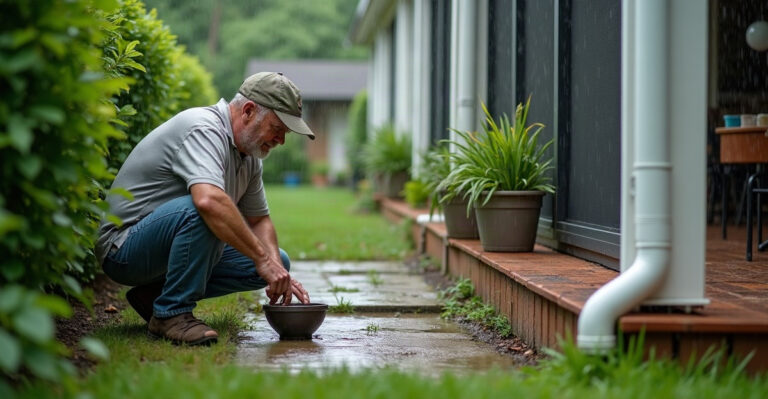
These ants often occur around damp, decayed, or previously water-damaged wood. We commonly inspect areas near plumbing leaks, crawl spaces, garages, sheds, outbuildings, window frames, roofline concerns, and other places where moisture may linger.
Sawdust-like material, sometimes called frass, can be a clue. However, it does not prove carpenter ants are present on its own. We evaluate wood debris alongside ant sightings, moisture conditions, wood damage, and nesting behavior before drawing conclusions.
A satellite nest is a secondary nesting location that may be separate from the main colony. That can make carpenter ant activity appear in more than one location. Large ants indoors, continued activity, or possible wood and moisture issues call for a professional inspection. For more context on potential concerns, review how ants can affect homes.
What Draws Ants Into Eastern Idaho Homes and Businesses
Ants enter structures in search of food, water, shelter, or a more protected environment during seasonal changes. Eastern Idaho properties can offer many of those conditions, especially around garages, basements, crawl spaces, outbuildings, sheds, woodpiles, and rural acreage.
Crumbs, spills, pantry goods, pet food, trash, and recyclables can keep ants returning. Standing water, plumbing leaks, condensation, and damp wood can also create favorable conditions. Foundation gaps, utility penetrations, worn door sweeps, window gaps, and vegetation touching the structure give ants convenient travel routes.
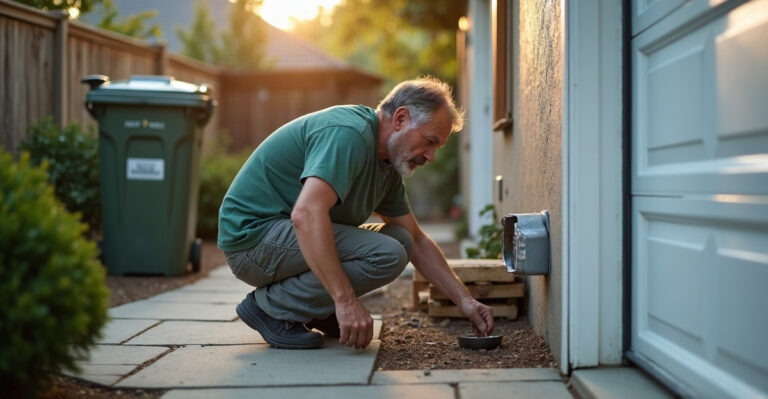
Landscaping matters. Branches, mulch, groundcover, and firewood stored against the building can create easy pathways from outdoor nesting areas to indoor spaces. Understanding signs of an ant colony on the property can help us address activity before it becomes an indoor issue.
Restaurants, break rooms, hospitality spaces, offices, warehouses, and rentals need consistent prevention because ant activity can affect sanitation standards, customer comfort, and tenant satisfaction. We provide discreet service and practical prevention planning for properties that need dependable pest management.
Practical Prevention Steps That Keep Ants From Returning
Good prevention removes the food, water, and access points ants depend on. Wipe counters and floors, especially around sugary foods and grease. Store pantry goods and pet food in sealed containers. Empty trash regularly, and rinse recyclables before storing them.
Repair leaks and reduce moisture around sinks, bathrooms, basements, crawl spaces, and utility areas. Seal visible gaps around pipes, windows, doors, and foundation penetrations where appropriate. Keep vegetation, mulch, branches, and firewood from creating direct pathways to the building.
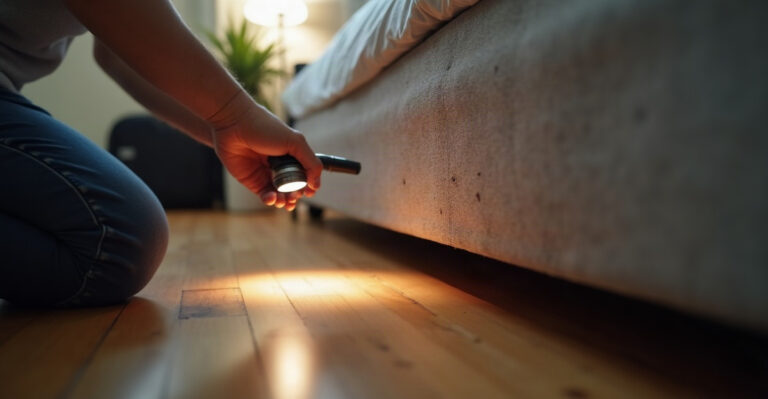
Monitoring matters as much as cleaning. Note where trails appear, what time of day activity increases, and whether ants are near water, food, or structural gaps. Our guide on preventing kitchen ants offers helpful steps for one of the most common problem areas.
Cleaning alone may not solve every issue. Visible worker ants may be entering from an outdoor colony or from an indoor nesting area. Avoid indiscriminate indoor pesticide spraying. Killing visible ants does not necessarily eliminate the colony, and spraying may interfere with some baiting strategies.
If using ant baits, use only products labeled for the location and pest, follow all directions, and keep products away from children, pets, food-preparation surfaces, and non-target areas. Household, family, pet, and food-service safety should guide every treatment choice. For recurring activity, keeping ants from returning often requires addressing both the trail and its source.
When a Professional Ant Inspection Is the Best Next Step
Professional identification and treatment make sense when prevention has not resolved recurring activity or when the ant species and nesting location remain uncertain. An inspection is especially important for large ants indoors, suspected carpenter ants, sawdust-like material or wood debris near nesting areas, activity around damp or damaged wood, ants emerging from walls or ceilings, repeated infestations, or persistent trails despite prevention.
Commercial and rental properties should also request help when ants appear in restaurants, hospitality properties, offices, warehouses, food-service spaces, or tenant areas. Early service helps protect sanitation practices and keeps disruptions to a minimum.
If ants keep returning, large ants are appearing, or the ant type is unclear, Falls Pest Services can inspect the activity, help identify likely causes, and recommend a treatment plan for the home, family, pets, or business. Our residential pest control team provides clear recommendations and reliable support across Eastern Idaho.
Common Ant Questions
What are the most common house ants?
Odorous house ants, pavement ants, and carpenter ants are common categories found around homes. Species can appear similar, so location, size, trail behavior, and nearby moisture or food sources all matter.
How can we tell if ants in the home are carpenter ants?
Carpenter ants are generally larger than many household ant species. Large ants near damp wood, walls, ceilings, window frames, crawl spaces, or wood debris should be inspected.
Why are ants suddenly appearing in the kitchen?
Ants often find crumbs, spills, grease, pet food, stored food, water, or small entry gaps. A clean home can still experience ant activity if a colony finds access to a food or moisture source. Learn more about bugs in clean homes and why sanitation is only one part of prevention.
Do carpenter ants eat wood?
No. Carpenter ants excavate wood to create nesting galleries, but they do not use wood as food.
Should we spray ants indoors?
Avoid broad indoor spraying. It may kill visible workers without reaching the colony and can interfere with some baiting approaches. Focus first on sanitation, moisture control, and proper identification.
When should we call a pest control professional for ants?
Call for help when ants keep returning, appear in multiple rooms, emerge from walls or ceilings, occur around damaged wood, or create concerns in commercial, rental, hospitality, or food-service spaces.