What Attracts Earwigs to Your House and Yard?

Earwigs usually gather near houses and yards because they find moisture, dark shelter, and damp materials near the foundation. Irrigation, rain, snowmelt, mulch, yard debris, and small exterior gaps can support outdoor activity and give earwigs a path indoors.
Key Takeaways
- Earwigs favor damp, shaded, protected spaces, including mulch, leaf piles, dense vegetation, firewood, and stored materials.
- Overwatering, poor drainage, leaking faucets, clogged gutters, plumbing leaks, and humid indoor areas can raise earwig activity.
- Earwigs often enter through gaps beneath doors and around foundations, windows, vents, utility lines, and garage doors.
- Earwigs usually create a nuisance, not a health or structural risk. Occasional indoor sightings rarely signal an infestation.
- We can reduce activity by controlling moisture, moving damp materials away from the building, clearing debris, and sealing exterior entry points.
Why Earwigs Are Showing Up Around Your Property
Earwigs are most often attracted to damp, dark, protected places outdoors. They may wander indoors when weather changes or outdoor shelter becomes too dry, wet, hot, or cold.
An earwig problem near a home often begins in moist landscaping, mulch, stored materials, or other sheltered areas outside. From there, earwigs can move through small openings around doors, foundations, garages, and utility lines. A single earwig indoors, or an occasional sighting, does not automatically mean there is an indoor infestation. Earwigs commonly live outside and usually enter by accident while looking for a better hiding place.
Eastern Idaho weather can shift quickly through the seasons. Irrigation, snowmelt, rain-driven moisture, mulch around foundations, and dry spells can all affect where earwigs settle. Garages, crawl spaces, sheds, rural outbuildings, and areas around a home’s foundation can offer the protected conditions they prefer. For a closer look at common causes, read why earwigs enter homes.
Are Earwigs Dangerous?
Earwigs are usually a nuisance, not a dangerous or destructive pest. They are not known to spread disease, damage a home’s structure, or infest people.
The pincers at the end of an earwig’s body can look alarming, but they generally are not dangerous to people or pets. Earwigs can still be frustrating when they appear repeatedly in bathrooms, basements, garages, or living areas. Frequent sightings may point to excess moisture, outdoor shelter near the building, or openings that allow pests to wander inside.
For property owners wondering whether earwigs are dangerous to people or pets, the reassuring answer is that their presence is usually a condition issue rather than a health threat. We focus on finding the moisture, shelter, and entry conditions that keep them active around the property.
Moisture Is One of the Biggest Things That Attracts Earwigs
Earwigs like moisture and commonly hide near damp areas during the day. Wet, shaded spaces help protect them from drying out, which makes moisture one of the biggest answers to what attracts earwigs to a house.
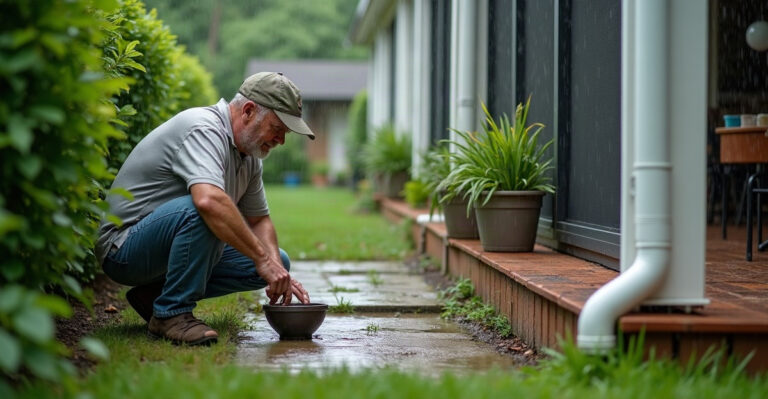
Outside, overwatered lawns, heavily irrigated garden beds, standing water, leaking outdoor faucets, clogged gutters, poor drainage, damp mulch, and wet areas near downspouts can all support earwig activity. In Eastern Idaho, irrigation around a foundation and rain or snowmelt that collects near garages, sheds, crawl spaces, or stored materials can create favorable shelter.
Inside, basement moisture, bathroom leaks, humid utility rooms, plumbing leaks, laundry areas, crawl spaces, and poor ventilation may draw earwigs into protected spaces. Earwigs can come inside after rain or weather changes because their outdoor hiding spots become overly wet or disturbed. Learn more about bugs after rain and how weather can affect pest movement.
Occasional activity after a storm is common. Repeated sightings in the same consistently damp area deserve a closer inspection. Our guide to moisture and pest activity can help connect recurring pests with water and ventilation concerns.
Shelter and Food Sources That Keep Earwigs Near the House
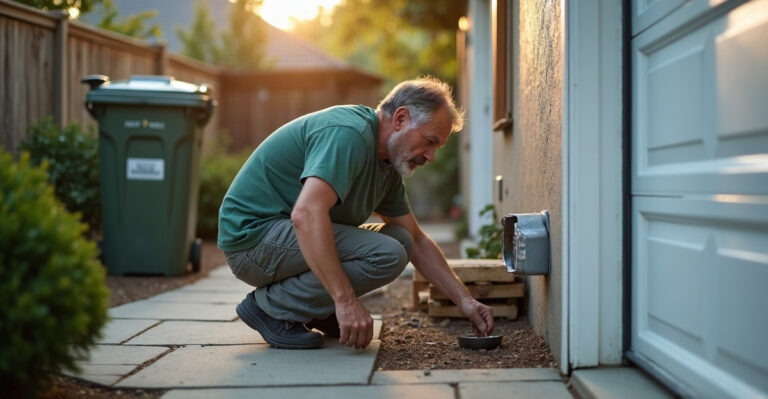
Earwigs look for dark, protected hiding places, especially where damp materials touch the ground or rest close to the foundation. Leaf piles, grass clippings, dense ground cover, stones, landscape timbers, firewood, lumber, cardboard, tarps, sheds, and outdoor storage can all become earwig shelter.
Mulch can attract earwigs when it stays damp and sits directly against exterior walls. Damp mulch and plant material give earwigs cool cover during the day, then place them close to potential entry points at night. Keeping a clear space between mulch or vegetation and the foundation helps reduce that activity.
Earwigs feed on decaying organic matter, plant material, small insects, and sometimes garden plants or ripening fruit. They are not major home-damage pests, but food and shelter near the home can keep them close enough to wander inside. We often find the same conditions listed in common pest hiding places: protected clutter, damp debris, and dense vegetation near buildings.
How Earwigs Get Into Your Home or Business
Earwigs typically enter by wandering through small openings instead of establishing themselves as a permanent indoor pest. Gaps under doors, worn door sweeps, cracks around foundations, poorly sealed windows, unscreened vents, utility penetrations, garage-door gaps, and openings around pipes or cables can all provide access.
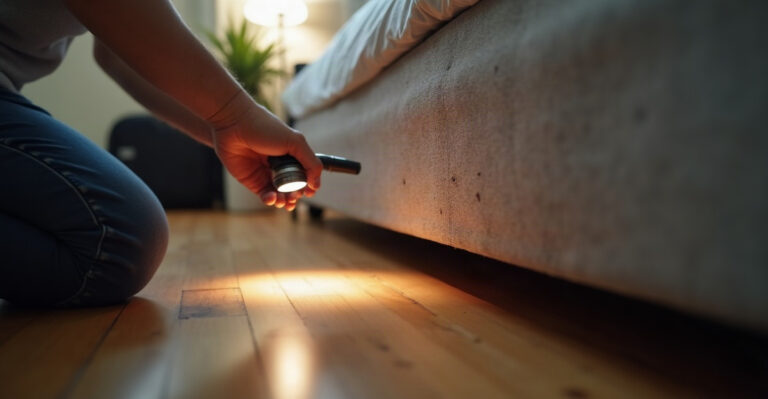
We recommend inspecting exterior doors, garage doors, basement windows, crawl-space access points, sheds, attached garages, detached garages, and areas where utility lines enter the building. Properties with recurring activity in damp spaces may have a combined moisture and exclusion issue.
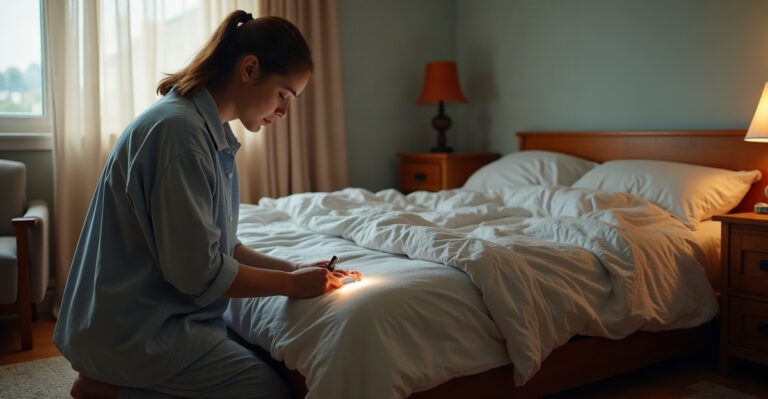
For anyone asking why they are suddenly seeing earwigs in the house, start by noting where they appear and what has changed outdoors. Recent watering, rain, snowmelt, landscaping work, stored items near the foundation, or a damaged door seal can explain the increase. Vacuuming occasional earwigs is a simple first step, and tracking their location can help identify likely entry areas and moisture sources.
Practical Ways to Reduce Earwig Activity
Moisture management, exclusion, and habitat changes should come before treatment. Correct drainage concerns so water does not collect near the foundation. Repair leaking spigots, clean clogged gutters, and avoid overwatering lawns, garden beds, and landscaping. Keep mulch and plant material off exterior walls, trim dense vegetation, and remove leaf piles, grass clippings, and other damp debris.
Firewood, lumber, cardboard, tarps, and stored materials should sit away from the home whenever possible. These materials often hold moisture and provide quiet hiding places. Moving them away from foundations, garages, and sheds reduces the chance that earwigs will move closer to indoor entry points.
Seal visible cracks around foundations, windows, pipes, cables, and utility gaps. Replace worn door sweeps, repair torn screens, check garage-door seals, and screen vents where appropriate. Indoors, repair plumbing leaks, use ventilation in bathrooms and laundry spaces, reduce crawl-space or basement moisture, and remove damp cardboard or clutter from storage areas.
For a more detailed approach, review how to get rid of earwigs and effective earwig control methods. If treatment is needed, follow all product labels and use it as one part of an integrated plan rather than the only step.
We recommend professional help when earwigs appear frequently over several days or weeks, show up in large numbers indoors, persist in basements, crawl spaces, garages, or bathrooms, or continue after moisture and entry-point concerns have been addressed. If earwigs keep showing up inside an Eastern Idaho home or business, our earwig control services can identify likely moisture, harborage, and entry-point concerns and recommend a practical treatment plan. Falls Pest Services also provides dependable residential pest control for recurring pest concerns throughout the area.