How to Prevent Spiders in Your Home and Garage
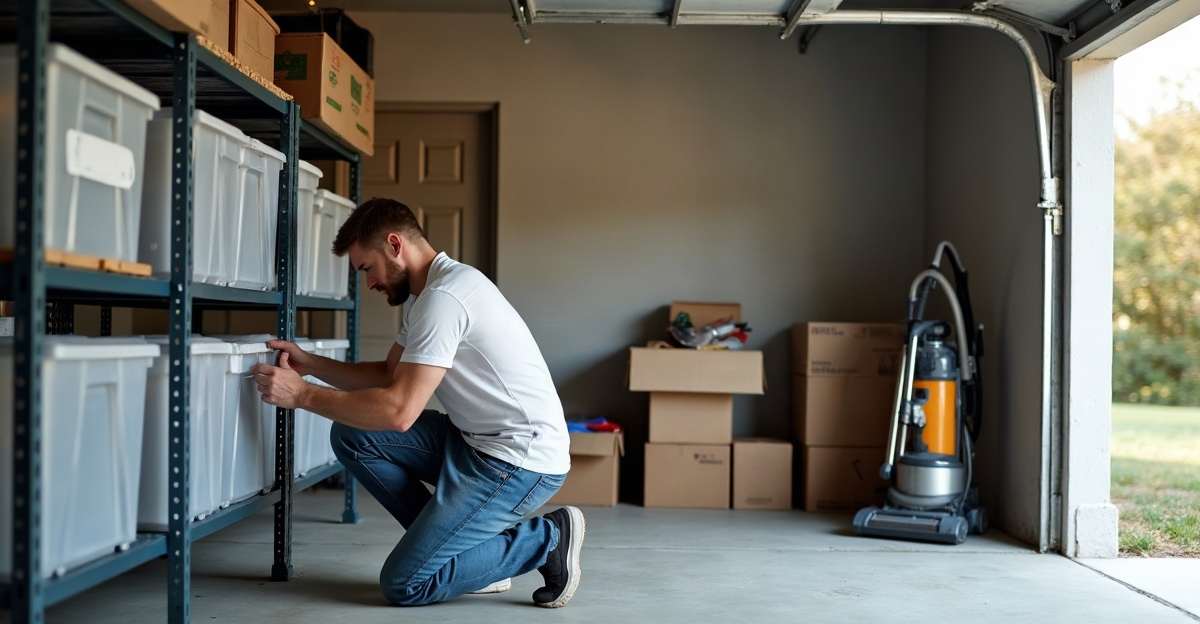
We prevent spiders in homes and garages by removing the shelter, entry points, and insect activity that attract them indoors. Regular cleaning, sealed storage, repaired screens, secure door seals, and less clutter make garages, basements, and other quiet areas less appealing.
Key Takeaways
- Spiders often enter through gaps around doors, windows, garage doors, vents, and utility lines. We should inspect and seal these areas regularly.
- Vacuum webs and egg sacs, control dust buildup, and remove clutter from corners, storage areas, and behind stored items.
- Use sealed plastic bins instead of cardboard boxes. Keep stored items off garage and basement floors whenever possible.
- Limit insect prey by controlling food crumbs, trash, moisture, and exterior lights that draw insects near entrances.
- Schedule a professional inspection if webs, egg sacs, or spider activity continues after we clean, declutter, and seal entry points.
Why Spiders Show Up in Homes and Garages
Spiders usually enter homes and garages for shelter, quiet hiding places, and food sources such as insects. An occasional spider sighting doesn’t automatically mean an infestation.
Most spiders are nuisance pests, and there’s no need to panic. Still, recurring webs, egg sacs, or sightings can signal that a property offers easy access, reliable shelter, or plenty of insect prey. Knowing how to prevent spiders starts with reducing those conditions.
Spiders often move indoors through cracks, gaps, torn window screens, and poorly sealed doors. They may settle in quiet places such as garages, basements, utility rooms, storage areas, sheds, window wells, and behind stored belongings. Cardboard boxes, clutter, woodpiles, and rarely moved items give them protected places to rest and build webs.
In Eastern Idaho, seasonal temperature changes can drive spiders and insects closer to buildings. Detached garages, rural acreage, older structures, basements, and sheds often have more entry points to inspect. Exterior lighting near doors and garage entrances can also draw insects at night, which may then attract spiders. Our guide on spiders coming inside in fall explains why seasonal activity is common.
For homeowners wondering how to prevent spiders in home spaces, the best approach combines cleaning, exclusion, clutter reduction, and insect control. The same steps help prevent spiders in your house, garage, and other storage areas.
Start With These Immediate Spider-Prevention Steps
Immediate cleanup can reduce visible spider activity quickly, but long-term prevention takes consistent attention. Removing webs helps improve a space right away. It won’t permanently solve the problem if spiders can still enter or find insects and hiding places indoors.
Vacuum visible webs, egg sacs, dust buildup, and spider hiding areas routinely. Focus on basement corners, garage walls, utility rooms, beneath sinks, around window wells, and behind stored items. Empty the vacuum promptly after cleaning if it has collected spiders or egg sacs.
Next, clear clutter from floors and corners. Unused items, stacked materials, cardboard boxes, and storage piles create sheltered areas that are hard to inspect. Use sealed plastic storage bins instead of cardboard where practical. Keep bins raised off the floor when possible, especially in garages, basements, and sheds.
Inspect door sweeps, weatherstripping, window screens, and garage-door seals for obvious gaps or damage. A worn door sweep can allow both insects and spiders to enter. We also recommend cleaning crumbs and spills, securing food, managing trash, and correcting moisture problems where possible. These steps reduce the insect activity that supports spider activity.
Garages deserve special attention because they often collect storage, equipment, and seasonal items. Review the common pests in garages to see why a clean, organized space helps with more than spider prevention.
Seal Entry Points Around Your Home, Garage, and Storage Areas
Exclusion means blocking the small gaps that spiders and insects use to get inside. It’s one of the most dependable long-term steps for how to prevent spiders in your home.
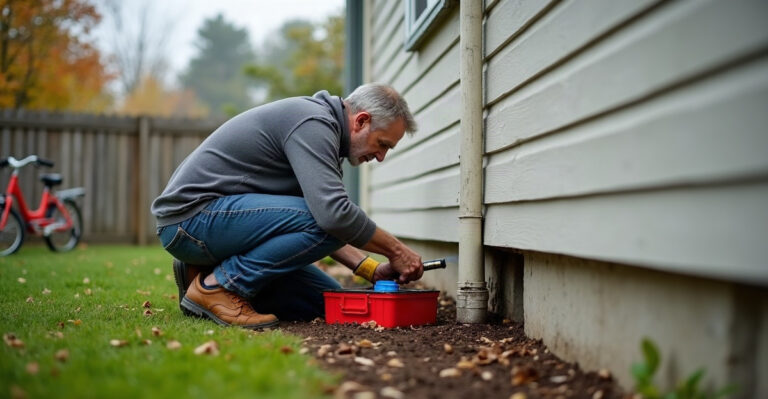
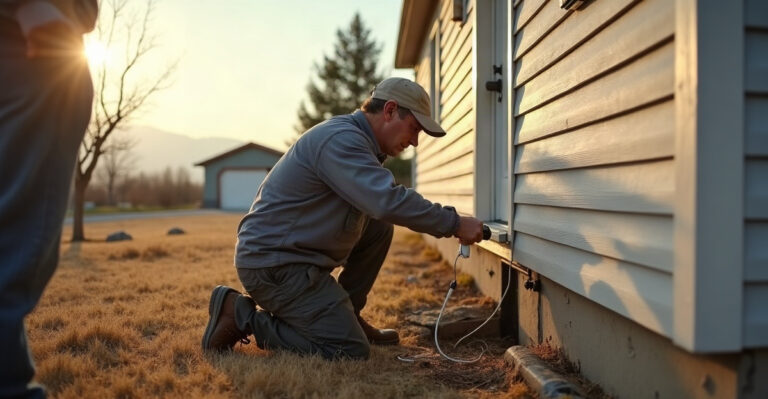
Check exterior doors, windows, vents, utility lines, foundation gaps, and garage doors. Replace damaged door sweeps and weatherstripping. Repair torn screens, and make sure windows close fully. Seal gaps around utility penetrations and foundation openings with appropriate materials for the location.
Pay close attention to basement windows, window wells, garage-door edges, and older sections of the home. Detached garages and sheds may need their own inspection because they often have worn seals, gaps around framing, or doors that don’t close tightly. Rural properties can have several storage buildings and exterior access points, so a regular walkthrough is worthwhile.
Garage doors are a common trouble spot. Even a small space around the bottom or sides of the door can provide an opening for insects and spiders. Our information about garage pest entry points can help identify areas that need attention.
Sealing gaps won’t instantly eliminate every spider, and no single repair can prevent all future activity. It does reduce the number of opportunities spiders and their prey have to enter over time. If spiders keep returning after addressing clutter, access points, and insect activity, we can inspect an Eastern Idaho property and recommend practical spider control services.
Make Garages, Basements, and Outdoor Areas Less Inviting
To prevent spiders in garage spaces, reduce the quiet, undisturbed areas where they can hide. Keep items organized, avoid long-term piles, and store belongings off the floor where practical. Clear away unused boxes, loose materials, old equipment, and debris that sits untouched for long periods.
Basements need the same attention. Inspect corners, shelving, utility areas, floor drains, and storage spaces. Our advice on keeping spiders out of basements offers additional steps for these low-traffic areas.
Keep firewood away from the house and avoid bringing it indoors until it’s ready to use. Woodpiles can shelter spiders and many insects. Outside, prevent leaf litter, vegetation, stacked materials, and debris from resting directly against foundation walls. Regularly check sheds, window wells, outdoor storage, garage exteriors, and areas around the foundation.
Exterior lighting can affect spider activity as well. Bright lights near entry doors and garage entrances may attract flying insects. Consider reducing unnecessary lighting, moving lights away from entrances when feasible, or adjusting lighting choices to limit insect attraction. This is especially helpful for Eastern Idaho homes and small businesses with detached garages, sheds, acreage, or seasonal storage areas.
Reduce the Insects That Support Spider Activity
Spider prevention works best when we address the insects that provide food. Removing a few visible spiders may offer short-term relief, but recurring insect activity can keep drawing new spiders to the same areas.
Inspect windows, doors, kitchens, garages, food-storage spaces, utility rooms, and trash areas for insect activity. Clean crumbs and spills promptly. Store food in closed containers, use well-fitting trash lids, and avoid leaving pet food out longer than necessary. Address moisture around sinks, plumbing, drains, and utility areas, since damp conditions can support certain insects.
For businesses, regular inspections matter in restaurants, offices, warehouses, hospitality properties, rentals, multi-unit buildings, and food-storage areas. Customer-facing spaces need clean, orderly storage and prompt attention to insects around entry doors, dumpsters, kitchens, and break rooms.
We don’t recommend relying on indoor product applications without careful consideration. Products can be misused around children, pets, food-storage areas, and business operations. Anyone using a pest-control product should read and follow its label. Persistent insect or spider problems often benefit from professional guidance.
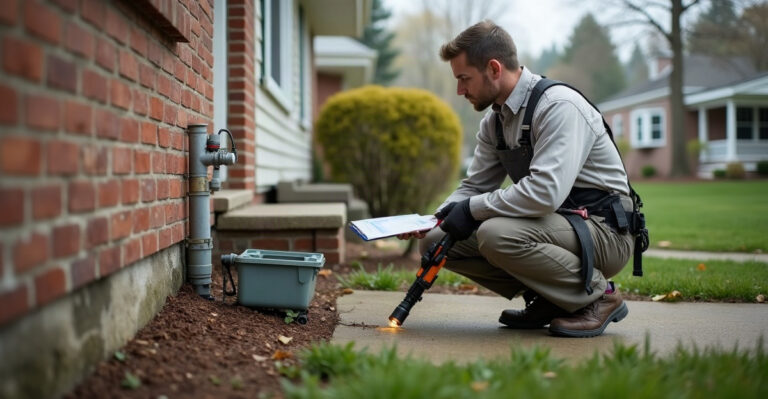
Our service professionals inspect the conditions around a property and apply products according to label directions where treatment is appropriate. We consider the building, the pest activity, and family and pet needs before recommending a plan. For ongoing concerns, our residential pest control service can address broader pest activity that may be contributing to spiders.
When Recurring Spider Problems Need Professional Help
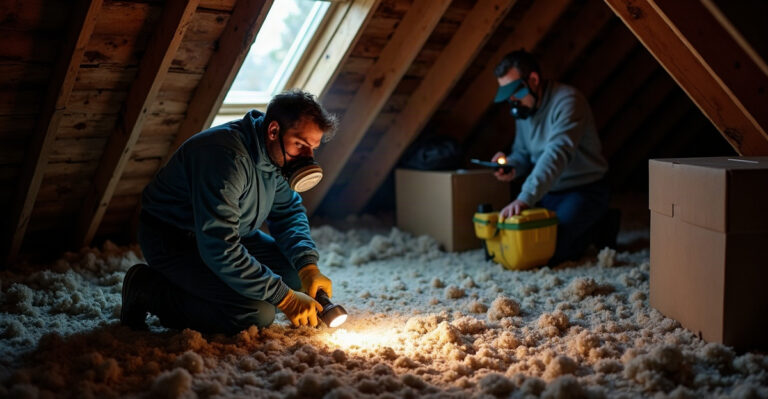
Professional help makes sense when routine cleaning and exclusion haven’t reduced activity. Frequent sightings, repeated web buildup, egg sacs in the same areas, or significant insect activity can indicate a larger issue. Inspection is also useful for properties with many access points, difficult-to-reach storage areas, persistent clutter-related shelter, or spiders in frequently used living spaces.
Businesses should arrange an inspection when spiders appear near food storage, customer-facing areas, workstations, or regularly used service spaces. A trained service professional can inspect entry points, identify insect activity, and recommend practical prevention and treatment steps for the property.
Avoid identifying a potentially medically significant spider based only on a general description or photo. If we believe we’ve encountered one, we shouldn’t handle it. Seek qualified local pest-control guidance, and seek medical advice if a bite or health concern occurs.
Common Spider Prevention Questions
Why am I suddenly seeing more spiders in my house? Seasonal weather, insect activity, new gaps around doors or windows, and undisturbed clutter can all increase sightings. Fall movement indoors is especially common as outdoor conditions change.
What attracts spiders to a garage? Garages offer shelter, stored items, boxes, gaps around doors, and insects attracted to exterior lighting. A garage that stays quiet for long periods gives spiders ideal hiding places.
How can we keep spiders out of the house naturally? Start with cleaning, web removal, decluttering, sealed storage bins, repaired screens, door sweeps, weatherstripping, and reduced insect food sources. These physical prevention steps can make a meaningful difference without relying on product applications.
Does cleaning remove spiders permanently? Cleaning removes webs, egg sacs, and visible spiders, but it won’t permanently prevent activity if entry gaps, insect prey, or sheltered hiding spaces remain. Ongoing prevention is the key.
When should we call pest control for spiders? Contact us when sightings continue despite basic prevention, webs return often, insects remain active, or spiders appear in sensitive areas. Our professional spider treatment process explains how an inspection can identify the conditions behind recurring activity.
If recurring spider activity, web buildup, or insect problems continue after basic prevention steps, request an inspection through Falls Pest Services. We’ll assess the property and recommend a straightforward plan for an Eastern Idaho home or business.