Are DIY Pest Treatments Effective?
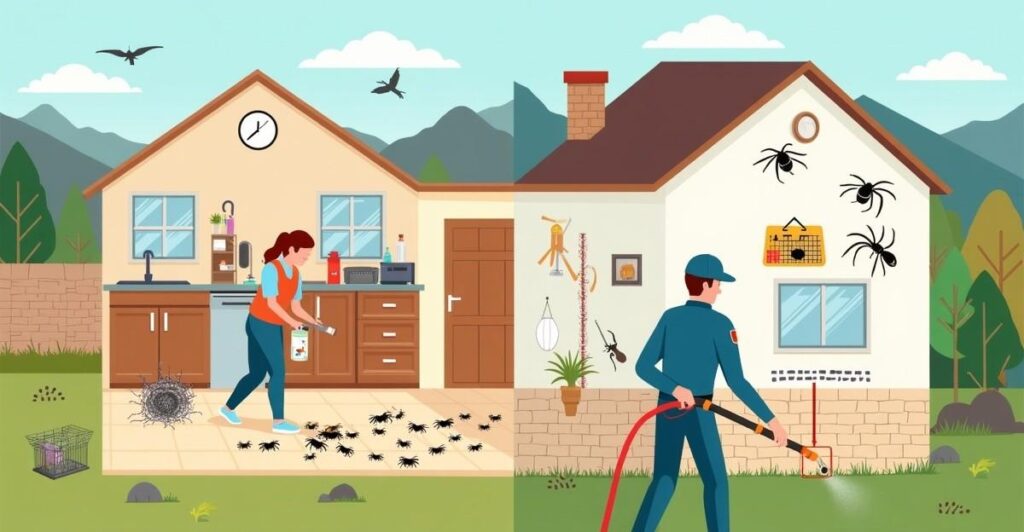
DIY pest treatments can handle small issues, like a few ants or one mouse. But when infestations spread or pests stay hidden, we turn to professionals for reliable results. Trained experts use focused strategies that protect our homes longer and more safely than over-the-counter fixes.
Key Takeaways
- Quick home remedies can solve early-stage problems such as spotting a single rodent or a few ants.
- Store-bought products often can’t eliminate nests tucked behind walls or infestations that keep returning.
- Misapplying pesticides may harm pets, children, or food prep areas if we’re not careful.
- Professionals deliver focused care, scheduled prevention, and safer, more dependable treatments.
- Pest concerns in Eastern Idaho—like carpenter ants, spiders, or wasps—often benefit from expert attention and local insight.
When DIY Can Work: Minor Issues and Preventive Measures
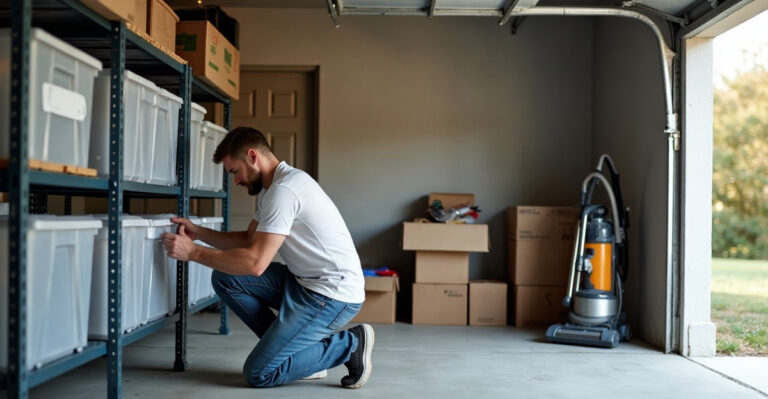
DIY pest control can be a smart first step — especially for minor problems. If you’ve spotted a few ants in your kitchen or a single mouse scurry through the garage, quick home remedies may be all you need. Fixing small gaps around windows, sweeping up food crumbs, or placing a few traps can stop pests from becoming a bigger issue.
Some reliable DIY pest control tips include:
- Sealing cracks with caulk to block entry points
- Spraying peppermint oil mixtures to deter spiders
- Setting snap traps or sticky pads for mice
- Using store-bought bait stations for ants
These approaches often work well for crawling insects like spiders hiding in closets or for keeping voles away from garden beds with simple wire barriers — especially if you understand What’s the Difference Between Mice and Voles. Early action can make all the difference, and routines like these help reduce the chance of a larger issue down the line.
We know many folks try to handle pest problems on their own first — and that’s not a bad thing. It means we care about our homes, our families, and doing the right thing quickly. Whether it’s understanding what brings ants indoors or using natural repellents to keep insects at bay, these small actions play a valuable role in protecting our spaces.
Where DIY Falls Short: Safety, Precision & Hidden Costs
While DIY methods can work for surface-level concerns, they often fall short with more serious or hidden problems. Mishandling store-bought pesticide sprays or overusing chemicals can create risks around children, pets, or food preparation areas, as outlined in EPA home pesticide safety guidelines. That’s where home pest treatment safety becomes a critical issue.
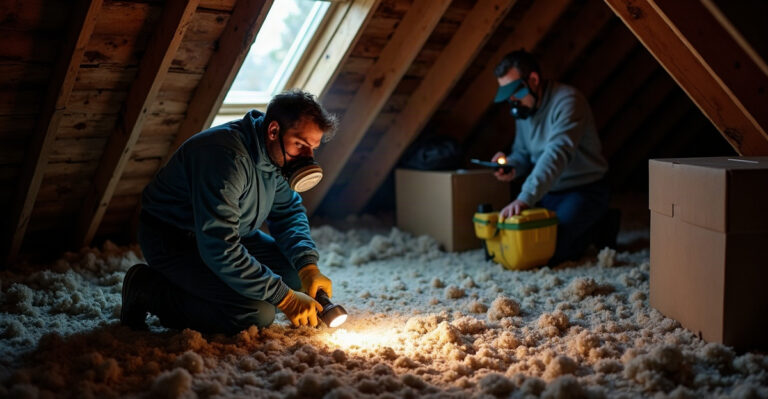
Bugs and rodents don’t just hang out where we can see them. Many infestations develop behind walls, in crawl spaces, or under insulation. Spider nests, for example, often go undetected until they’ve spread. Treating only what’s visible without addressing the root cause can give pests time to rebound.
Ants might vanish after baiting, only to return weeks later. Mice may escape one round of traps, but keep appearing because the entry hole remains open. Wasps, cockroaches, and other pests often require pinpoint treatment techniques and safety equipment that DIY solutions don’t include.
Plus, home fixes that don’t clear the issue end up costing more down the road. Paying for supplies multiple times or trying different remedies without lasting results adds up fast. Eventually, most people bring in a pro. In fact, according to research from the National Pest Management Association, many pest infestations worsen before a professional is brought in.”
So while it seems less expensive to manage a pest issue on your own, that initial savings can shrink quickly with repeated efforts. When safety, effectiveness, and long-term prevention matter, professional help becomes worth the cost.
Comparing DIY vs. Professional Pest Control Side by Side
DIY Pest Control:
- Lower up-front cost
- Immediate access with store-bought products
- Requires personal time and ongoing effort
- Limited results for infestations or recurring problems
- Higher risk of improper handling or misapplication
Professional Pest Control:
- Higher initial cost but better long-term value
- Local experts find hidden nests and seal hard-to-find entry points
- Safer for families and pets, especially using eco-friendly solutions
- Offers routine service and prevention plans
- Saves time and reduces the chance of pests coming back
Choosing between DIY vs professional pest control depends on the size and type of problem — and questions like How Long Does a Pest Treatment Last help guide that decision. For those looking to save time and ensure safe, lasting protection, the benefits of hiring a pest control professional are easy to see.
Local Pest Challenges in Eastern Idaho: What Works Best
Around Eastern Idaho, we deal with a variety of pest types that respond very differently to DIY efforts. A few ants on the counter? Likely manageable. A colony of carpenter ants behind your siding? That’s a different story.
Here’s how various local pests typically respond to treatment:
- Ants: Stray scouts on kitchen floors often go away with bait. Colonies, especially carpenter ants or those living behind walls, usually require a trained service professional.
- Spiders: Simple seal-ups and DIY sprays may prevent a few — but for detailed advice on tackling common indoor webs, check How to Get Rid of House Spiders. Hobo spiders or black widows in basements demand deeper, safer treatment.
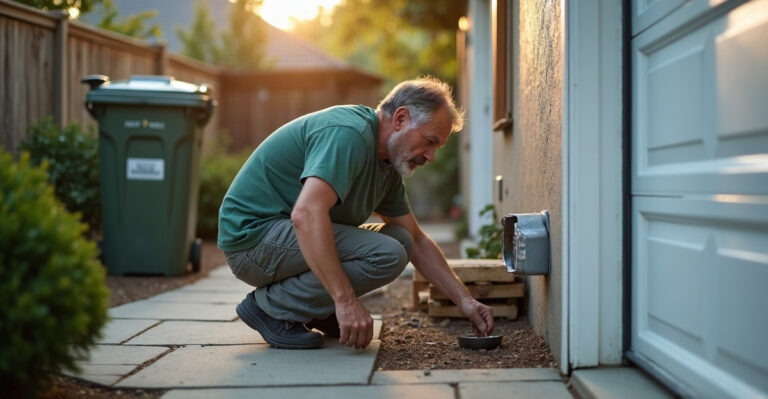
- Mice: A single trap can catch one intruder, but an active problem means locating entry points, nesting zones, and improving sanitation.
- Wasps: Removing a visible outdoor nest might be tempting but can be dangerous. Spray cans don’t reach inner chambers or stop recurring nests. Trained pros use protective gear and apply targeted treatments that keep them away.
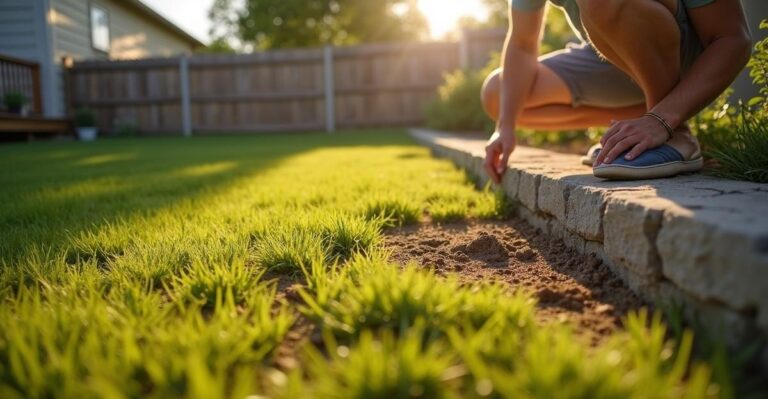
- Voles: These small rodents often burrow under yards and damage plants. Long-term control usually involves population tracking and habitat modification, which goes far beyond DIY.
Knowing how to get rid of ants, mice, spiders, or Are Fruit Flies a Sign of Bigger Problems depends on identifying the source — not just treating symptoms. If you’ve tried home methods and the problem keeps returning, it might be time to ask how long pest treatments usually last or when you should call for extra help.
Safety & Peace of Mind: Why It Often Pays to Call a Pro
Professional pest control offers more than just stronger sprays or different traps. It brings a full inspection, a safe treatment strategy, and expert knowledge tuned to your property. That’s especially important for homes with pets, children, or food handling areas.
Our team uses eco- and pet-safe materials specifically designed for residential homes and commercial kitchens. We also apply Integrated Pest Management (IPM) — a prevention-focused strategy defined by university extension programs as a method combining identification, monitoring, and targeted control.
In our area, we understand the importance of keeping children and pets safe while addressing serious pest issues effectively. That means using people-first methods and staying current on what works best in Idaho’s climate. We commit to solutions that don’t just treat a problem once but help prevent it from coming back.
If you’ve tried your best and pests keep coming back, that doesn’t mean you’ve failed — it just means it’s time to get a little backup. From cockroach control to seasonal rodents, it helps to work with a trusted professional who’s seen it all before.
Time to Decide: What’s Right for You?
If your pest issue is small, isolated, and manageable with some cleaning, caulking, or over-the-counter traps — DIY might be enough.
But if the problem repeats, involves multiple bugs or rodents, or takes too much time to tackle alone, partnering with trained professionals brings faster, safer relief. Whether you’re protecting a home or running a small business, consistent, community-based pest support goes a long way.
At Falls Pest Services, we proudly serve Eastern Idaho with reliable care and honest solutions. If you’re still unsure or just want another set of eyes, we’re happy to take a look. No pressure — just peace of mind.
You can learn more about our pest control services or contact us here to schedule a convenient time to talk. Whatever you decide, we’re here to help keep things safe, clean, and pest-free.
Frequently Asked Questions
DIY pest control can be effective for small, visible issues like a few ants or a single mouse. However, professional pest control is more effective for larger or recurring infestations because experts locate hidden nests, identify entry points, and use targeted treatments that address the root cause rather than just surface symptoms.
You should choose professional pest control when pests keep returning, infestations spread, or pests are hidden behind walls, in crawl spaces, or outdoors in nests. Professionals are also recommended when safety is a concern, especially in homes with children, pets, or food preparation areas.
DIY treatments can pose safety risks if misapplied, overused, or used in the wrong areas. Many store-bought pesticides can contaminate surfaces or air when not handled correctly. Professional pest control uses regulated products, proper application methods, and pet-safe strategies designed specifically for residential environments.
Professional pest control often provides better long-term value despite a higher upfront cost. DIY methods may require repeated purchases and ongoing effort without fully resolving the issue. Professional services reduce repeat infestations, save time, and prevent costly damage caused by pests that DIY solutions fail to eliminate.
Pests like carpenter ants, wasps, cockroaches, rodents, and voles are difficult to manage with DIY methods. These pests often live in hidden areas or large colonies and require specialized tools, protective equipment, and precise treatment plans that professional pest control services are trained to provide.