What Is Preventative Pest Control?

Preventative pest control takes a proactive approach to pest management. We focus on stopping infestations before they begin through routine inspections, seasonal treatments, and ongoing monitoring. Rather than reacting to visible pest activity, we reduce risk by addressing entry points, moisture concerns, and seasonal pest patterns common in Eastern Idaho homes and businesses.
Key Takeaways
- Preventative pest control emphasizes early detection, steady monitoring, and scheduled service rather than one-time treatments.
- Proactive plans adjust for seasonal pest activity, including ants in spring, wasps in summer, and rodents in fall and winter.
- Ongoing service typically includes inspections, identification of attractants, sealing recommendations, targeted treatments, and follow-up visits.
- This approach lowers the risk of recurring infestations, structural damage, and costly emergency treatments.
- A locally developed plan accounts for Eastern Idaho’s climate, building styles, and common pest pressures to provide consistent, dependable protection.
What Proactive Pest Management Really Means for Your Home or Business
Proactive pest management is an ongoing strategy built to stop pest problems before they start, following prevention and monitoring principles similar to Integrated Pest Management guidelines recognized by the Environmental Protection Agency. Instead of reacting after an infestation appears, we focus on prevention, steady monitoring, and seasonal planning.
This approach goes beyond a one-time spray. It centers on risk reduction, early detection, and scheduled service throughout the year. We inspect, treat when needed, adjust for seasonal changes, and help reduce conditions that attract pests in the first place.
Many people begin searching for pest control after they see ants in the kitchen or hear scratching in the walls. That’s understandable. Still, proactive pest management works best before that stressful moment happens. The goal is long-term peace of mind, fewer surprises, and steady protection for homes and businesses across Eastern Idaho.
Routine inspections allow us to catch small issues early. Seasonal treatments keep common pests from getting established. Ongoing communication ensures the plan stays aligned with the property’s needs. Over time, this steady attention brings reliable protection without unnecessary treatments.
How Preventative Pest Control Differs from Reactive Treatments
The difference between proactive and reactive pest control comes down to timing and strategy.
Reactive extermination addresses visible infestations after pests are active. We respond to ants marching across counters or rodents nesting in insulation. The focus is eliminating the immediate problem.
Proactive pest management works ahead of the problem. We monitor activity, inspect entry points, and apply targeted treatments based on seasonal risk. We make adjustments before pest pressure peaks.
Reactive-only service often leads to recurring issues. Emergency calls increase. Costs can rise over time. Stress builds when the same problem returns each season.
A proactive approach reduces risk, cost, and disruption. It doesn’t promise that no pest will ever appear. No honest provider can guarantee that. Instead, it lowers the chances of major infestations and keeps small issues from growing.
Store-bought sprays and DIY efforts can help in the short term. We respect homeowners who take initiative. However, many products treat visible symptoms rather than root causes such as entry gaps, moisture problems, or outdoor nesting areas. Preventative pest control addresses those sources. That broader focus makes the lasting difference.
Why Seasonal Pest Control Matters in Eastern Idaho
Seasonal pest control in Eastern Idaho requires local knowledge and steady adjustments. Idaho Falls, Twin Falls, Pocatello, Rexburg, Rigby, and surrounding communities all experience strong seasonal shifts. Pests respond to those changes predictably.
Spring brings emerging ants and more visible spiders. We often see increased calls for ant control as colonies begin foraging.
Summer supports wasps, hornets, and higher fly activity. Nests expand quickly during warm months. Yards, patios, and commercial properties see more pressure.
Fall drives rodents indoors. Cooler temperatures push mice and other pests to look for warmth and shelter. Attics, garages, and storage areas become prime targets for rodent control.
Winter doesn’t stop activity. Once inside, mice remain active in homes and commercial buildings throughout the colder months.
Climate patterns create this cycle year after year, which aligns with entomology research on how climate influences pest population cycles. A one-time treatment won’t address it fully. Proactive pest management plans account for these repeating trends. We adjust treatments, inspections, and monitoring as each season changes. That steady rhythm keeps pressure low all year.
What’s Included in an Ongoing Pest Control Service Plan
An ongoing pest control service focuses on prevention, monitoring, and targeted treatment. A year-round pest control plan typically includes:
Core Components of a Preventative Plan
A comprehensive plan usually involves the following steps:
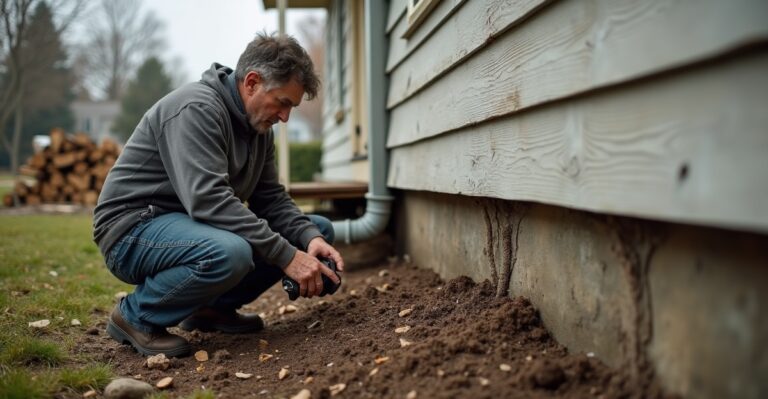
- Detailed inspection of the structure, foundation, and potential entry points.
- Identification of conditions that attract pests, such as moisture, food access, or gaps.
- Sealing or recommending sealing of cracks and openings where appropriate.
- Targeted treatments based on season and pest activity.
- Monitoring and scheduled follow-up visits.
- Seasonal adjustments as pest pressure shifts.
These pest prevention services adapt over time. If activity increases between visits, most plans include follow-up service to address the issue.
We apply these strategies to pest control for homes in Idaho Falls and surrounding communities. Single-family homes, outbuildings, garages, and larger properties each have unique risk points. A good plan accounts for all of them. Our residential pest control services are structured with those variations in mind.
Businesses also require dependable protection. Commercial pest management in Eastern Idaho depends on consistency. Restaurants, warehouses, offices, hospitality sites, and local property managers all face different regulatory and operational pressures. Our commercial pest control programs focus on discreet service, documentation, and steady monitoring.
If you’re unsure what to expect from professional care, understanding how pest control services work can provide helpful clarity. Preventative pest control is structured, planned, and centered on long-term protection.
Is Preventative Pest Control Safe and Cost-Effective?
Safety remains a top priority in proactive pest management. We use targeted treatments applied carefully and responsibly. Products are selected and placed with families, pets, employees, and customers in mind.
Concerns about necessity and cost are common. A steady plan often prevents larger expenses later. Structural damage from rodents, contamination in commercial spaces, and recurring emergency treatments can add up quickly, particularly since rodents are known to chew wiring and structural materials . Preventing infestations tends to reduce those risks.
Preventative pest control protects more than walls and floors. It supports healthy indoor environments for families and steady operations for businesses. A consistent plan also helps property owners understand how pest control protects your home long-term.
Absolute guarantees don’t serve anyone well. The realistic goal is reduction and control. We aim for fewer intrusions, early intervention, and quick response if activity appears. That steady approach builds confidence over time.
When to Start and How a Local Provider Designs the Right Plan
The best time to begin proactive pest management is before peak seasons. Early spring and early fall are strong starting points. Still, an ongoing pest control service can begin at any time of year.
Local knowledge matters. Eastern Idaho’s climate, soil conditions, and building styles influence pest patterns. A provider rooted in this community understands those specifics better than national one-size-fits-all programs.
We design pest prevention services around common regional pests, seasonal activity, and individual property needs. That includes thoughtful planning for pest control for homes in Idaho Falls and consistent protection for local businesses.
Choosing a plan shouldn’t feel high-pressure. Clear pricing, honest recommendations, and dependable scheduling make a difference. If questions remain or it’s time to explore options, we encourage reaching out through our contact page. A simple inspection can clarify needs and outline a proactive pest management plan that fits comfortably into daily life.
Frequently Asked Questions
Proactive pest management is a preventative strategy that focuses on stopping pest infestations before they start. It involves routine inspections, monitoring pest activity, sealing entry points, and applying targeted seasonal treatments. Instead of reacting to visible pests, the approach reduces conditions that attract them. Regular service visits and adjustments throughout the year help maintain consistent protection for homes and businesses.
Proactive pest management focuses on prevention, while traditional pest control often reacts after pests are already present. Preventative plans include scheduled inspections, monitoring, and seasonal treatments designed to reduce the risk of infestations. Reactive services typically address a specific pest problem after it appears. By addressing entry points and attractants early, proactive programs help reduce recurring issues and emergency treatments.
The best time to start proactive pest management is before seasonal pest activity increases. Many property owners begin in early spring or early fall, when pests start emerging or seeking shelter. However, a prevention plan can begin at any time of year. Early inspections allow pest control professionals to identify risks, monitor activity, and establish treatments that reduce the likelihood of future infestations.
Proactive pest management can be cost-effective because it helps prevent larger infestations and property damage. Regular monitoring and early treatment reduce the likelihood of expensive emergency pest control services. Preventative plans also help protect structures from rodent damage and contamination risks. Over time, consistent service often results in fewer pest problems and more predictable maintenance costs.
Proactive pest management can help prevent many common household and commercial pests. This often includes ants, spiders, wasps, flies, and rodents that follow seasonal patterns. By monitoring pest activity and adjusting treatments throughout the year, professionals can address risks before populations grow. The exact pests covered depend on the region, climate, and specific conditions around the property.