How Do Pest Control Companies Treat for Spiders?

Pest control companies implement organized spider management strategies that emphasize inspection, targeted treatments, and ongoing prevention, avoiding short-term fixes. By integrating web removal, interior spot treatments, and exterior barrier protection, professionals gradually minimize spider activity while addressing the root causes that allow them to thrive.
Key Takeaways
- Professional spider management starts with a comprehensive inspection to identify species, entry points, and conditions that encourage spider activity.
- Effective treatment involves removing webs, applying targeted interior treatments, and creating an exterior barrier around foundations, doors, and windows.
- Decreasing insect populations and sealing structural gaps play essential roles in long-term spider prevention.
- Results generally improve over several days and continue to enhance with ongoing maintenance, especially during seasonal changes.
- Professional service offers a more complete and consistent solution than DIY methods, especially for recurring or widespread spider challenges.
What Professional Spider Control Really Involves
Professional spider control focuses on reducing activity and keeping it manageable over time. We concentrate on long-term prevention rather than promising instant or unrealistic elimination.
A quality spider treatment begins with a full inspection. We look at where spiders are active, how they’re getting inside, and what’s supporting their population. From there, we build a targeted plan that fits the property—whether it’s a home or commercial space.
The process typically includes:
- Inspection and species identification
- Physical web removal
- Targeted interior treatments if needed
- Exterior pest control barrier treatment
- Practical follow-up recommendations
Most results become noticeable within a few days. As spiders contact treated surfaces, activity declines. Over the following weeks, sightings and new web formation continue to decrease.
We serve as a spider exterminator Eastern Idaho residents trust. Our approach is steady and safety-focused. Treatments are applied according to labeled guidelines and are considered safe pest control for pets and children once dry. We take the time to explain what we’re doing and why, so there are no surprises.
For property-specific details about our local services, we offer dedicated spider control services across the region.
Step-by-Step: The Professional Spider Treatment Process
Every effective spider treatment follows a clear structure. Skipping steps leads to short-lived results. We handle each phase carefully to create dependable, lasting control.
Inspection and Identification
We begin by examining spider activity levels, common harborage areas, and structural entry points. That includes foundations, eaves, basements, garages, and utility penetrations.
Identifying the species helps guide treatment timing and expectations. Eastern Idaho homes commonly experience increased spider activity in warmer months and during fall migration indoors. Seasonal movement is predictable, which allows us to stay ahead of it. We’ve covered these patterns in more detail in our article on why spiders come inside in fall.
We also assess contributing factors such as:
- Excess insects around exterior lighting
- Moisture issues in crawl spaces or basements
- Cluttered storage areas
- Gaps around doors, windows, and vents
Reducing insect prey is central to long-term spider prevention. Fewer insects mean fewer reasons for spiders to stay.
Treatment, Web Removal, and Barrier Protection
Physical web removal is an important first step. We knock down webs from eaves, corners, window wells, attic spaces, commercial entryways, and other high-activity zones. This instantly reduces visible spider presence.
Next, we apply targeted treatments in cracks, crevices, utility areas, and basements where spiders rest. Interior treatments are focused and used only where needed.
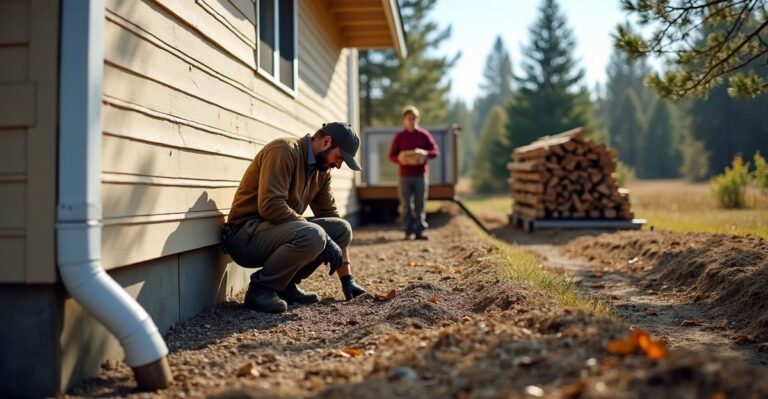
We then create an exterior pest control barrier treatment around foundations, windows, doors, soffits, and other entry points. This protective band helps prevent spiders from re-entering and reduces insect populations near the structure.
Most treatments take between 30 and 60 minutes depending on property size. Residents typically do not need to leave during service. We simply recommend allowing treated areas to dry before children and pets fully re-enter those spaces.
Our broader approach aligns with the principles explained in integrated pest management: inspection, targeted application, and prevention working together.
Safety, Preparation, and What to Expect After Service
Safety always comes first. We apply products according to labeled directions using trained service professionals. Treatments are placed in specific areas rather than broadcast indiscriminately. That makes them effective and responsible for homes, restaurants, offices, and other facilities.
Simple preparation improves results. Before service, we recommend:
- Clearing clutter along the foundation
- Trimming vegetation touching the structure
- Repairing torn screens
- Removing excess visible webs if practical
After treatment, most clients notice fewer new webs forming near doors, windows, and rooflines. Spider sightings gradually decline rather than disappearing overnight. Some activity may continue in the first week as spiders contact treated areas.
Routine maintenance plays a major role in consistent results. Many homeowners rely on ongoing residential pest control to stay ahead of seasonal spikes. Quarterly service is common in Eastern Idaho due to our climate shifts.
Those wondering about the follow-up period can review our guidance on what to expect after a pest treatment. Clear expectations make the process feel simple and predictable.
Why Spiders Are Entering — And How Prevention Makes a Difference
Spiders move indoors in search of food, shelter, and warmth. Structures provide stable conditions and steady insect access.
Common entry points include gaps around doors and windows, foundation cracks, attic vents, and openings around utility lines. Many of these areas are small and easy to overlook without a trained inspection.
Spider populations closely follow insect activity. Exterior lighting that attracts flying insects often leads to spiders building webs nearby. Managing general pest activity through regular pest control service reduces that food source and supports long-term spider control.
Practical prevention steps strengthen treatment results:
- Seal cracks and door gaps
- Reduce unnecessary exterior lighting
- Declutter storage areas
- Address moisture problems
- Maintain exterior vegetation
Ongoing exterior pest control barrier treatment remains one of the most effective preventive tools. Still, regional weather patterns and surrounding landscape influence outcomes. Wind, nearby fields, and neighboring structures can all contribute to recurring pressure. Consistent service keeps those factors manageable.
DIY vs. Professional Spider Control: What’s the Difference?
Many homeowners first search for how to get rid of spiders in your home. Store-bought sprays, sticky traps, and vacuuming webs can help with isolated sightings.
DIY efforts often provide short-term relief. Hidden nesting areas, egg sacs, and outdoor populations usually remain untouched. Most retail products also lack a perimeter barrier approach, which allows new spiders to move in quickly.
Professional spider control offers several advantages:
- Trained inspection and species recognition
- Thorough web removal services
- Targeted interior treatments
- Exterior barrier applications
- Ongoing management strategy
If spider sightings are rare and isolated, occasional DIY measures may be enough. Recurring webs, visible egg sacs, widespread activity, or business-related concerns typically require a spider exterminator Eastern Idaho property owners can depend on.
We focus on calm guidance. We explain options clearly and let property owners decide what fits their needs.
Frequently Asked Questions
Professional spider control treatment methods focus on inspection, targeted treatment, and prevention. Pest control service professionals identify spider activity, remove webs, and apply treatments in cracks, crevices, and entry points. Exterior perimeter treatments are also used to create a barrier that reduces spiders and the insects they feed on. This integrated approach gradually lowers spider populations and prevents them from returning.
Spider control treatments typically begin showing results within a few days. As spiders contact treated surfaces, their activity gradually declines and new web formation decreases. Full results usually develop over one to two weeks, depending on the level of infestation and environmental conditions. Ongoing maintenance treatments can help maintain consistent spider control over time.
Most professional spider treatments are considered safe for pets and children when applied according to labeled instructions. Pest control professionals use targeted applications rather than widespread spraying, focusing on cracks, crevices, and exterior entry points. Residents are usually advised to allow treated areas to dry before full contact. Following preparation and safety guidelines helps ensure effective and responsible treatment.
Spiders usually enter homes searching for food, shelter, and stable conditions. The primary attraction is the presence of insects, which serve as their food source. Outdoor lighting that attracts flying insects, cluttered storage areas, and moisture in basements or crawl spaces can encourage spider activity. Sealing structural gaps and reducing insect populations are key steps in long-term spider prevention.
DIY spider control methods like sprays, traps, and vacuuming can help manage occasional spider sightings. However, they often provide only temporary relief because they do not address hidden nesting areas or outdoor populations. Professional spider control includes inspection, web removal, targeted interior treatments, and exterior barrier applications. This comprehensive strategy provides more consistent and long-lasting results.