How to Get Rid of Ants in Potted Plants Safely?
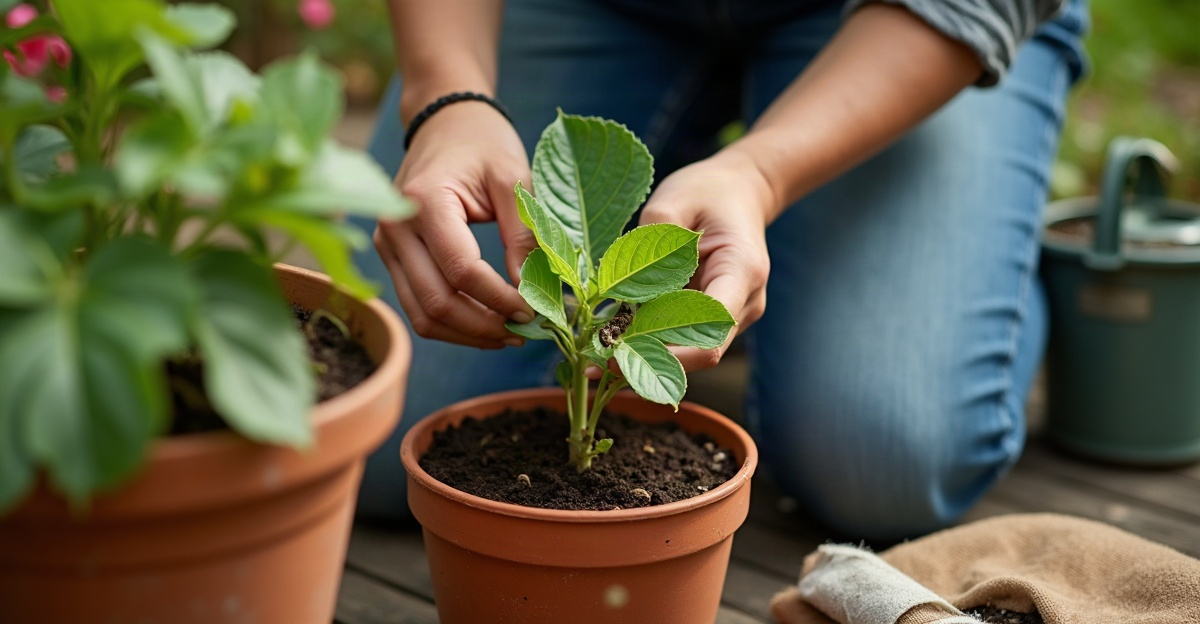
We can safely remove ants from potted plants by first finding out why they’re present. Ants may nest in the soil or follow food, moisture, or honeydew from plant pests. We should inspect the pot and nearby area, improve drainage and sanitation, control aphids and similar pests, and repot or place enclosed bait correctly only if needed.
Key Takeaways
- A few outdoor ants may pass through temporarily. Repeated activity, soil tunnels, or plant damage requires a closer inspection.
- We should check leaves, stems, soil, drainage holes, and nearby trails for aphids, scale, mealybugs, whiteflies, and sticky honeydew.
- We can remove standing water, food residue, spilled soil, and other attractants. We should also water based on the plant’s needs.
- We should repot healthy plants with fresh soil and a clean container if ants nest in the potting mix.
- We should avoid harsh DIY treatments and unapproved soil drenches. We can contact a pest professional for recurring, widespread, indoor, or suspected stinging-ant activity.
Start With These Safe Steps for Ants in Plant Pots
To get rid of ants in potted plants safely, we first determine whether they’re foraging for food or nesting in the container. We then check for aphids and other plant pests, remove moisture and food attractants, and use focused control methods instead of soaking the plant or soil with chemicals.
A few ants in an outdoor pot don’t automatically mean there is a major infestation. Still, ants in potted plants deserve attention if they keep returning, emerge from the soil, or appear alongside plant damage.
Quick Checklist for Safe Ant Control
Start with these priorities:
- Isolate indoor pots from counters, food-preparation areas, pet bowls, and nearby plants when practical.
- Inspect leaves, stems, the soil surface, drainage holes, and nearby ant trails.
- Remove food residue, standing water, spilled soil, and other attractants.
- Treat aphids, scale, mealybugs, or whiteflies before focusing only on visible ants.
- Repot if ants are nesting in the soil and the plant can tolerate being repotted.
- Use enclosed, label-approved bait near active trails only when colony control is necessary.
We put plant health, family and pet safety, beneficial insects, and product-label directions ahead of aggressive treatments. For a broader look at low-impact options, see our guide to pest control without spraying.
Why Ants Are Gathering in Your Potted Plants
Ants may be feeding, passing through, or nesting in a container. The right response depends on what is drawing them in. If we are asking, “Why are ants nesting in my plant pot?” we need to look beyond the pot itself.
One common cause is honeydew. Honeydew is a sweet, sticky substance produced by aphids, mealybugs, soft scale, and whiteflies. So, do aphids attract ants to plants? Yes. Ants feed on honeydew and may protect these pests from natural predators, which can allow the plant-pest problem to last longer.
Consistently damp potting mix, blocked drainage holes, and water left in a saucer can also encourage activity. Some ants use dry soil around roots, open spaces beneath containers, or sheltered pot rims as nesting areas. Food spills, trash, pet food, and sweet residues nearby can keep workers returning as well.
The pot may simply sit near an established colony in a patio crack, foundation gap, greenhouse, landscape bed, or mulch area. Our article on what attracts ants indoors can help us identify nearby food and moisture sources. Ant species, plant type, nesting location, and property conditions all matter, so we don’t identify a specific ant from a general description or photo alone.
When Ants Are a Minor Issue—and When They Need Attention
A few outdoor ants moving across a pot or feeding briefly may need no aggressive action. Cleaning the area, correcting watering habits, and watching for plant pests may be enough.
We take stronger action when ants repeatedly emerge from the soil, visible tunnels loosen soil around roots, or ants appear in large numbers across several pots. Aphids, scale, mealybugs, or whiteflies also call for prompt plant care. Continued activity after basic corrections can indicate a nearby colony.
Will ants hurt the roots of a potted plant? Ants don’t always feed on roots directly, but nesting can shift soil, expose roots, affect drainage, and add stress to a container plant. Their presence can also point to honeydew-producing pests that need treatment.
For anyone wondering how to get rid of ants in indoor potted plants, we recommend checking the surrounding room as carefully as the container. Indoor activity may reveal entry points or a nest elsewhere in the home or business. Check window areas, baseboards, utility openings, counters, and nearby food storage.
Outdoor pots can be affected by surrounding landscaping, irrigation, drainage, patio cracks, and aphid activity on nearby plants. In business settings, recurring ants near entrances, customer areas, break rooms, food storage, or dining spaces need timely inspection. A visible trail can affect cleanliness and customer confidence even when the source sits outside.
A Plant-Safe Plan to Remove Ants and Address the Source
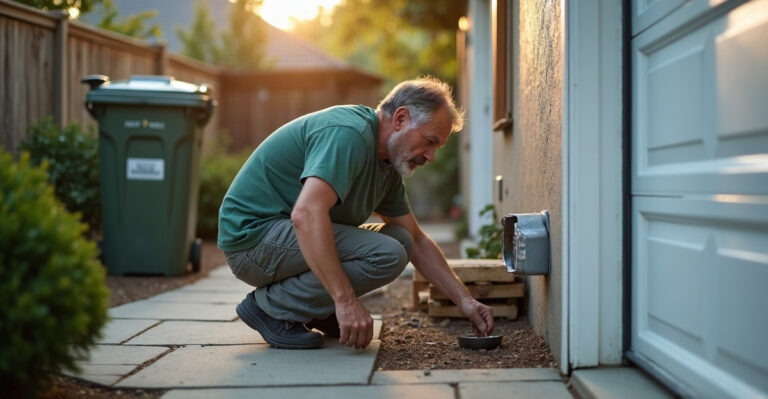
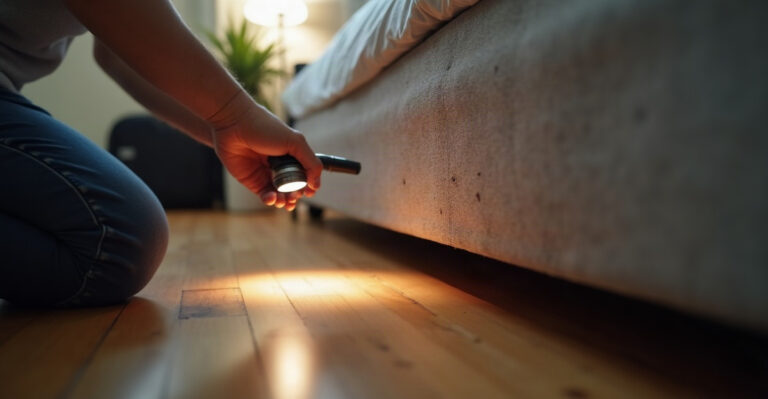
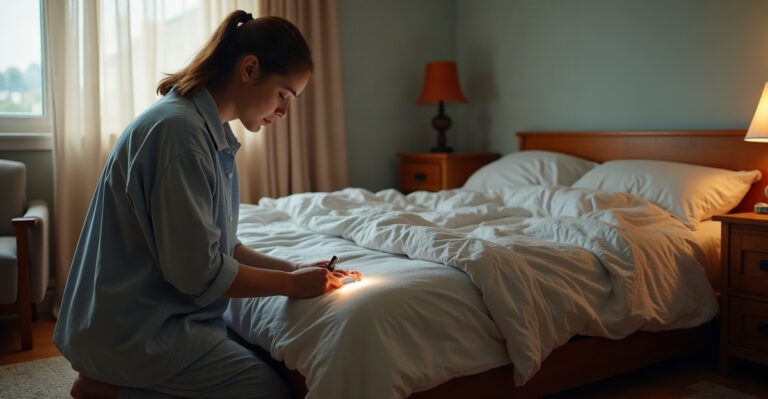
Begin by checking leaf undersides, stems, new growth, the soil surface, drainage holes, and the underside of the container. Look for ant trails, clusters of insects, sticky residue, and signs that ants are moving soil from a nest.
Move an indoor pot away from food areas, pet bowls, and other plants while we investigate. Outside, move containers away from doorways and busy walkways if the plant can handle the change in light and temperature.
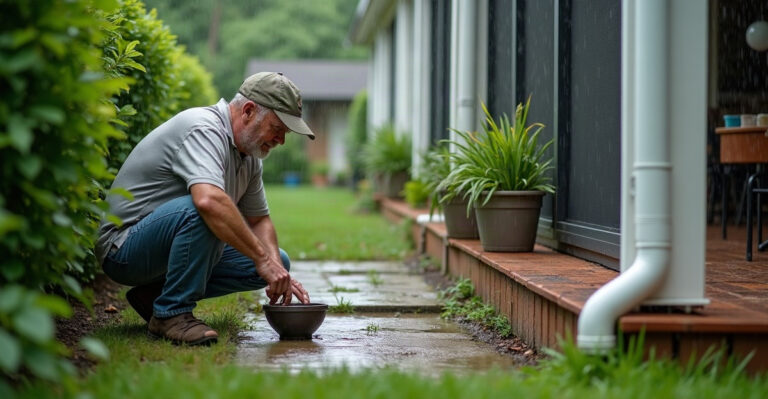
Next, clean spilled soil and food residue near the pot. Empty water from saucers, confirm drainage holes remain open, and water according to the plant’s actual needs. We don’t recommend one watering schedule for every plant because soil, light, season, pot size, and plant species vary.
Address identified plant pests first. Use the safest plant-appropriate product or method for the pest found, and follow its label exactly. Removing aphids or similar pests removes the honeydew that keeps ants interested. For prevention beyond the pot, our advice on stopping ants from returning can help reduce repeat activity.
Should we repot a plant if ants are in the soil? If ants appear to be nesting in the container and the plant is healthy enough to handle repotting, gently remove it, brush away loose infested soil, inspect the roots, and use clean potting mix in a clean container. Avoid repotting a severely stressed or sensitive plant without considering its normal care needs.
For those asking how to kill ants in potted plants, we recommend avoiding direct soil drenches unless a product specifically allows that use. Can we use ant bait around potted plants? Enclosed, label-approved bait stations placed near an active trail can help workers carry bait back to the colony. Keep bait out of reach of children, pets, and non-target wildlife, and never place it in potting soil unless the label clearly permits it.
Recheck the plant and nearby areas over the next several days or weeks, especially during warm weather and after changing watering habits. If we find a likely outdoor nest, our guide to spotting an ant colony may help us recognize activity around the property.
Can You Get Rid of Ants in Potted Plants Naturally?
For how to get rid of ants in potted plants naturally, we start with non-chemical steps: cleaning, removing honeydew-producing pests, improving drainage, rinsing when appropriate, and repotting when ants have settled into the soil. These actions often provide the safest first approach for plants and households.
There is no single guaranteed natural fix. Vinegar, essential oils, cinnamon, coffee grounds, boiling water, and similar household remedies are often suggested online, but results vary. Some may injure roots, change soil conditions, or push ants elsewhere for a short time without affecting the colony.
Surface sprays and scent-based deterrents may act as repellents. Colony control requires a method that reaches the nest when control is needed. Safe ant control for potted plants means matching the method to the problem and protecting the plant throughout the process.
We avoid pouring boiling water into pots, drenching containers with products not labeled for that use, or applying harsh materials to roots and foliage without confirming plant compatibility. We also avoid treating visible ants while ignoring aphids, moisture, outdoor access points, and nearby food sources. Never mix DIY substances or use more product than the label directs.
We don’t casually describe a product as pet-safe, non-toxic, or safe for every garden. Product safety depends on the label, placement, directions, and the conditions around each home or business. Our overview of garden treatment safety explains why careful product use matters.
When to Call a Pest Control Professional
Call for professional help promptly if we suspect stinging ants, see substantial indoor activity, find ants across multiple rooms or pots, or cannot locate the nest. Service is also appropriate when ants return after basic corrections, appear throughout the property, or may be coming from a patio crack, foundation gap, greenhouse, or landscape bed.
Commercial properties often need a coordinated plan when ants show up near customer areas, restaurants, offices, warehouses, hospitality properties, food storage, break rooms, entrances, or dining areas. We inspect the activity, identify contributing conditions, and recommend practical next steps rather than applying a one-size-fits-all treatment.
If ants keep returning, are appearing indoors, or seem to be coming from a nest we cannot locate, Falls Pest Services can help identify the source and recommend a practical treatment plan for an Eastern Idaho home or business. We provide professional ant control in Idaho Falls, Twin Falls, Pocatello, Rexburg, Rigby, and nearby communities.
Follow pesticide labels exactly and store all pest-control products securely. If a child, pet, or adult may have swallowed a pest-control product, contact a veterinarian, poison control center, or medical professional right away.
Last updated: September 2026. Our Falls Pest Services pest-management team reviews this guidance seasonally before peak spring and summer ant activity.