Attic Rodent Control Cost: What Homeowners Should Know?
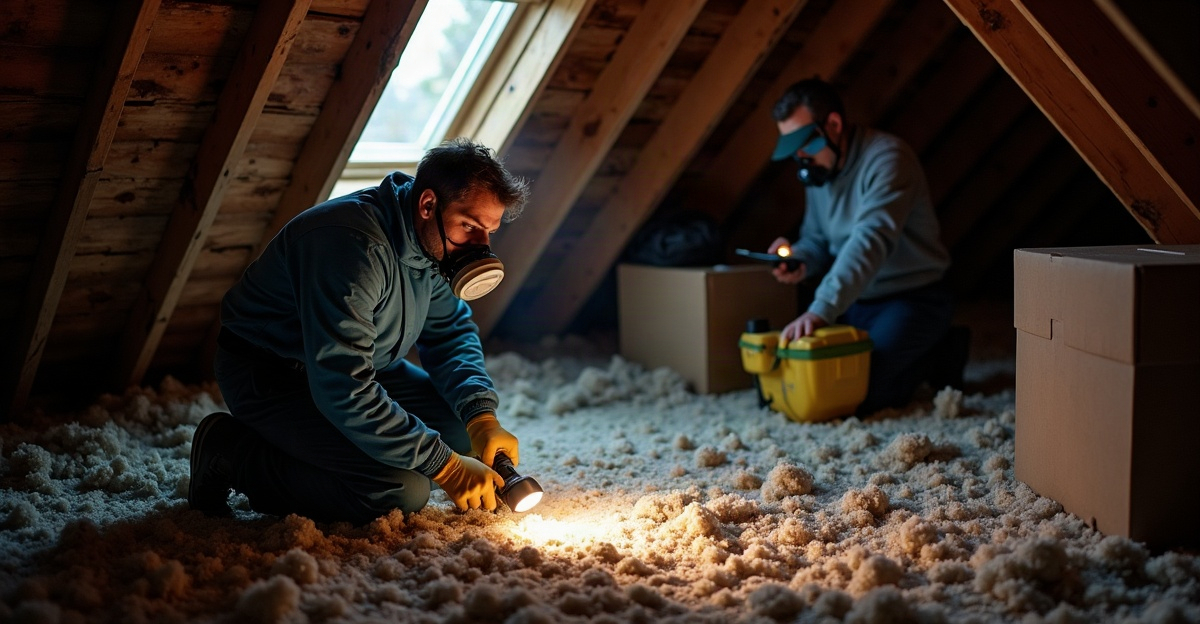
Rodent attic removal costs vary by animal type, attic size and condition, contamination level, and the work required to stop re-entry. We provide complete estimates that separate inspection, removal, exclusion, cleanup, insulation handling, repairs, and follow-up monitoring.
Key Takeaways
- Low removal quotes may exclude entry-point sealing, cleanup, insulation work, repairs, and follow-up visits.
- Difficult attic access, roofline gaps, dense insulation, stored items, and long-term activity can raise labor and material costs.
- We use professional inspections to identify rodent activity, find access points, assess damage, and recommend the right service plan.
- Effective rodent control combines removal and exclusion work to reduce repeat activity.
- Request a written scope of work that lists included services, potential added costs, follow-up visits, and warranty terms.
Why Attic Rodent Control Costs Vary
There’s no single rodent-in-attic removal cost because the work can range from a simple, accessible mouse issue to extensive exclusion, sanitation, insulation work, and repairs. The final price depends on the animal involved, the condition of the attic, and the amount of work needed to stop repeat access.
We recommend comparing the full scope of service rather than focusing only on the initial trapping or removal price. A low starting price may cover a few traps but leave entry points, contaminated insulation, and follow-up visits outside the quote.
Complete rodent control may include an inspection and species identification, trapping or removal, entry-point identification, exclusion work, sanitation, insulation handling, and repairs. In some cases, a professional may also recommend an electrical evaluation for visible or suspected chewed wiring. Follow-up monitoring helps confirm that activity has decreased and sealed areas remain secure.
Price ranges should not be treated as universal. Local labor, attic access, materials, infestation conditions, and the needed services can change the total significantly. A clear written estimate should explain what is included and identify any work that may require a separate quote.
Colder Eastern Idaho weather can drive mice and rats into indoor shelter. Garages, sheds, crawl spaces, rural properties, and homes near open land can provide routes into the structure. Homeowners dealing with activity below the attic may also benefit from learning how to protect crawl spaces from rodents.
What Affects Attic Rodent Removal Cost?
The attic rodent removal cost reflects the conditions found during the inspection. Mice, rats, squirrels, and other wildlife can require different control methods. Wildlife handling may also fall under applicable local or state rules, which can affect the approach and timing.
The size and age of the infestation matter. A few fresh signs in a small, open attic often require less work than long-term activity across several areas of insulation. Scratching at night, fresh droppings, gnaw marks, disturbed insulation, grease marks near openings, and gaps around utility lines can all point to activity. These signs do not identify the animal with certainty, but they help guide a professional inspection.
Attic design also affects pricing. Limited access, low clearance, steep rooflines, dense insulation, stored belongings, or a large attic can add labor time. Multiple openings around vents, rooflines, siding gaps, garages, or utility lines may require more exclusion materials and repair work.
Rodents can contaminate insulation and stored items, create odors, and damage building materials. Some infestations also involve chewed wiring. That does not mean every attic issue is an immediate health emergency, but it does mean prompt assessment is important. Homeowners who notice possible rat evidence can review common signs of rats indoors before scheduling service.
Seasonal pressure plays a role as well. During colder months, rodents may look for warmth, food, and protected nesting areas. Controlling the active problem and sealing access points provides the strongest long-term result.
What a Professional Attic Rodent Inspection Should Include
A thorough inspection identifies likely activity, helps determine the animal involved, and creates a practical plan for removal and prevention. We look for evidence such as droppings, nests, tracks, gnaw marks, odors, and disturbed insulation. We also inspect likely access areas around rooflines, vents, utility lines, siding gaps, garages, crawl spaces, and other openings.
The inspection should assess attic size, access limitations, insulation condition, contamination, stored items, and visible damage. Evidence may appear consistent with mice, rats, squirrels, or another animal, but the plan should match the conditions found on-site. If we find signs of chewed wiring or other electrical concerns, we’ll recommend evaluation by a qualified electrician.
A written recommendation should separate the cost of removal, exclusion, cleanup, repairs, and follow-up monitoring. This approach gives homeowners a clearer view of priorities and prevents surprises after service begins.
Falls Pest Services provides local attic inspections and practical recommendations based on the property’s needs. Our rodent control services focus on identifying active issues, limiting access, and helping households protect the areas rodents use most often. Garage activity can also point to a larger access issue, so it helps to understand why mice enter garages.
Removal, Exclusion, Cleanup, and Repairs: What May Be Included
Removing visible rodents without sealing their entry points often leads to repeat infestations. Rodents can use small openings, and outdoor pressure changes with weather, food sources, and nearby shelter. Thorough service reduces the chance of repeated activity, though no provider can promise rodents will never return.
Removal may involve trapping, removal, or another treatment plan suited to the identified animal and the home’s conditions. Exclusion work follows by sealing identified openings with appropriate materials and labor. Homeowners who suspect rats are entering through the structure can review common rat entry points that professionals often inspect.
Cleanup may include handling affected droppings, urine, nesting material, and contaminated stored items. Significant insulation contamination or damage may require removal and replacement. Structural repairs may also be needed where rodents have enlarged openings or damaged materials. Electrical evaluation is separate from pest control but remains important if chewed wiring is suspected.
Follow-up visits help confirm that trapping has been effective and exclusion work is holding. Plans should account for children, pets, attic access, and the animal identified. We use a measured approach that supports household safety without adding unnecessary work.
Questions to Ask Before Accepting a Rodent Control Quote
Request a clear written scope of work before authorizing service. Transparent pricing and realistic expectations matter more than the lowest initial quote, especially when attic conditions may reveal hidden openings or contamination after work begins.
Key Questions for the Service Provider
Ask these questions before moving ahead:
- Is there an inspection fee, and does it apply toward treatment?
- Does the quote include traps, removal, and scheduled service visits?
- Does it include entry-point identification plus exclusion materials and labor?
- Are attic cleanup, contaminated-material handling, insulation work, or disposal included?
- Are structural repairs included or quoted separately?
- How many follow-up visits and monitoring checks are included?
- What warranty terms apply to exclusion work or follow-up service?
- Could hidden entry points, extensive contamination, insulation damage, or repairs create additional charges?
- Who handles wildlife concerns if the inspection finds an animal that needs a different approach?
Removal does not always include sealing entry points, so it is important to ask. Insulation replacement also depends on the level and location of contamination or damage. An inspection can help distinguish likely mice, rats, squirrels, or other animals, while service timing depends on activity levels, access, and the work required.
Many households can remain in the home during rodent service when the plan is managed properly. The provider should explain trap placement, attic access, and precautions for children and pets. For a broader view of service value, review whether professional pest control is worth it for the property’s needs.
What to Do While You Wait for Service
Keep children and pets away from droppings, suspected nesting areas, and any traps already in place. Secure food, pet food, bird seed, and similar items in sturdy containers. Notes about noises, fresh droppings, gnaw marks, or visible gaps can help during the inspection.
Avoid entering the attic if access feels unsafe, insulation is heavily disturbed, or wiring damage may be present. Contact a qualified electrician if wiring appears chewed or damaged. We also recommend avoiding dry sweeping, vacuuming, or otherwise disturbing rodent droppings and nesting materials without proper precautions. Substantial contamination calls for professional assessment.
Reducing outdoor food sources and closing accessible openings can support prevention, but do not attempt to seal an opening if rodents may still be inside. Resources on what attracts rats can help households identify conditions that encourage activity around the property.
Homeowners who hear activity, find droppings, or want clarity about rodent-in-attic removal cost can contact Falls Pest Services for an attic inspection and a clear recommendation.