How to Keep Mice Out of Your Garage
We keep mice out of garage areas by finding and sealing small entry points. We also remove food, clutter, and nesting materials that attract mice. Regular checks and safe cleanup reveal new activity early, especially before cold weather pushes mice into attached garages, workshops, and storage spaces.
Key Takeaways
- We inspect garage doors, side doors, vents, utility openings, foundation gaps, and shared walls for mouse entry points.
- We store food, pet products, birdseed, and feed in sealed, rodent-resistant containers. We keep trash and recycling covered.
- We reduce cardboard, paper, fabric, and clutter. We also move firewood and stacked materials away from the garage exterior.
- We clean droppings and nesting materials by lightly wetting them with disinfectant. We never dry sweep or vacuum these materials.
- We place traps carefully where children and pets can’t reach them. We contact a pest control professional if fresh signs continue after prevention steps.
Start With the Four Steps That Make the Biggest Difference
Keeping mice out of a garage takes more than setting a few traps or placing a repellent on a shelf. Effective garage rodent prevention combines careful inspection, sanitation, habitat reduction, sealing, and ongoing monitoring.
We recommend working in this order: find likely access points, remove food and nesting materials, seal openings, watch for new activity, and add control measures if needed. Mice can enter through very small gaps, so one tactic rarely solves every problem for good.
Mice in garage areas are especially common during colder Eastern Idaho weather. Attached garages, workshops, sheds, and storage spaces offer shelter, warmth, quiet corners, and easy access to food or nesting supplies. A single sighting does not always mean there is a larger infestation, but early action can keep mice from reaching walls, vehicles, stored belongings, or the main building.
For more background on common garage access issues, read our guide to garage pest entry points. Consistent mouse-proofing protects the building while making the area easier to inspect and maintain.
Look for Fresh Signs of Mouse Activity Before It Spreads
Early signs give us the best chance to address a mouse problem before it grows. Check along walls, behind stored items, near doors, around appliances, and inside cabinets or shelving units.
Fresh-looking droppings found repeatedly in the same location often point to ongoing activity. Other signs include gnaw marks on cardboard, wiring, food packaging, or stored materials; shredded paper, fabric, insulation, or similar nesting material; and dark rub marks along edges mice travel often. A stale or musky odor, scratching noises, and repeated sightings also deserve attention.
Old evidence does not always mean mice are currently active. Older droppings may look dry, faded, or dusty. Clean the area safely, then monitor it. New droppings, new damage, or fresh nesting material after cleanup indicates that mice may still be entering or living nearby.
Practical concerns are straightforward. Mice can contaminate stored food, damage packaging, chew wiring, and nest in insulation, vehicles, or stored belongings. In attached garages, they may also move into other parts of the property. Our article on repeated mice in garages can help identify common reasons activity continues.
For restaurants, offices, warehouses, hospitality properties, small multifamily buildings, maintenance rooms, storage areas, and loading areas, document recurring signs. Record where fresh evidence appears and when it was found. Clear records help locate patterns and support a faster response.
Inspect and Seal the Gaps Mice Use to Enter
Exclusion is the core of how to keep mice out of garage spaces. Mice can pass through very small openings, so we need to inspect closely instead of relying on a quick look from the driveway.
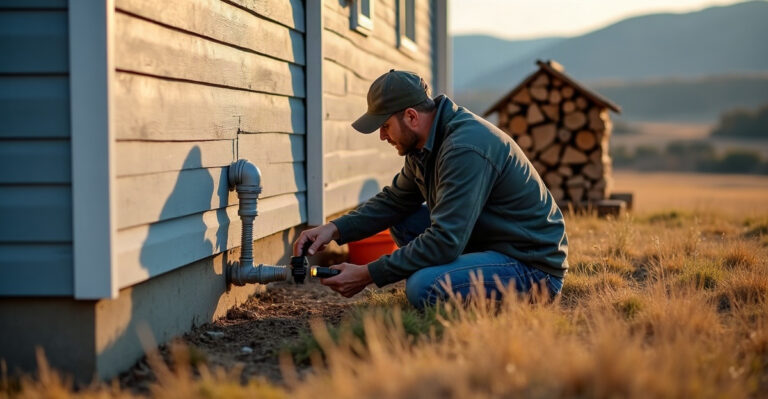
Pay close attention to worn, cracked, compressed, or uneven garage-door bottom seals. Gaps along side seals and tracks can also provide access. Check side doors, personnel doors, windows, weatherstripping, damaged door sweeps, utility lines, cable penetrations, plumbing pipes, HVAC openings, vents, foundation cracks, and gaps where siding, trim, or masonry meets the structure.
Attached garages need extra attention around shared walls and connections to the home. Detached garages, sheds, and workshops also benefit from a full exterior inspection. Look at the base of walls, corners, roofline penetrations, and areas hidden by stored materials or landscaping.
Use durable, chew-resistant materials that fit the specific opening. Temporary filler alone may not last. Properly sized screening can protect suitable vents while preserving needed airflow. Sealing entry points is more dependable than deterrents alone and remains central to mouse-proofing garage areas. Our guide on common mouse entry points offers more places to inspect.
Remove Food, Clutter, and Nesting Materials From the Garage
A clean, organized garage gives mice fewer reasons to stay. Pet food, birdseed, grass seed, livestock feed, and pantry overflow can all attract rodents. Open trash, recycling residue, spilled drinks, and food wrappers can do the same.
Transfer food, seed, and pet products into tightly sealed, rodent-resistant containers. Keep trash and recycling clean, covered, and emptied regularly. Avoid leaving pet food or open feed bags in the garage overnight.
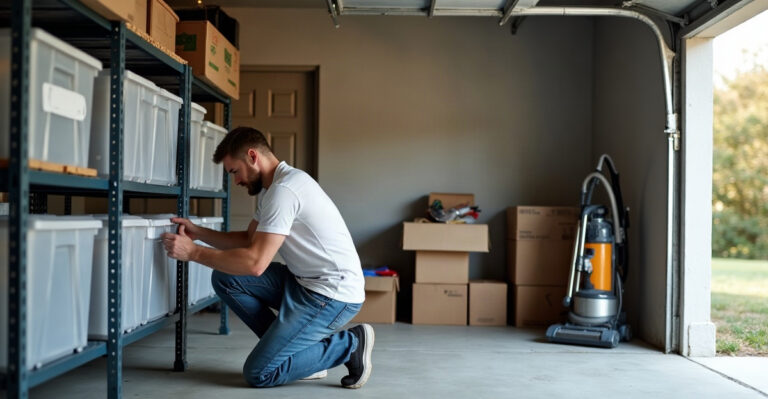
Cardboard boxes, paper bags, fabric, loose insulation, and clutter provide easy nesting material and hiding places. Reduce cardboard storage where possible. Use durable containers, elevate stored items, and leave enough clearance along walls to allow regular inspections.
Firewood, stacked materials, and dense vegetation near the garage exterior can create sheltered areas close to potential entry points. Move these materials farther from the structure where practical. Warm vehicles and quiet storage corners can still offer shelter, so regular inspection remains important even in a tidy garage.
The same fundamentals apply to warehouses, maintenance rooms, loading areas, and business storage spaces: seal openings, manage food and waste, reduce clutter, and document recurring evidence.
Clean Up Safely and Use Control Methods Carefully
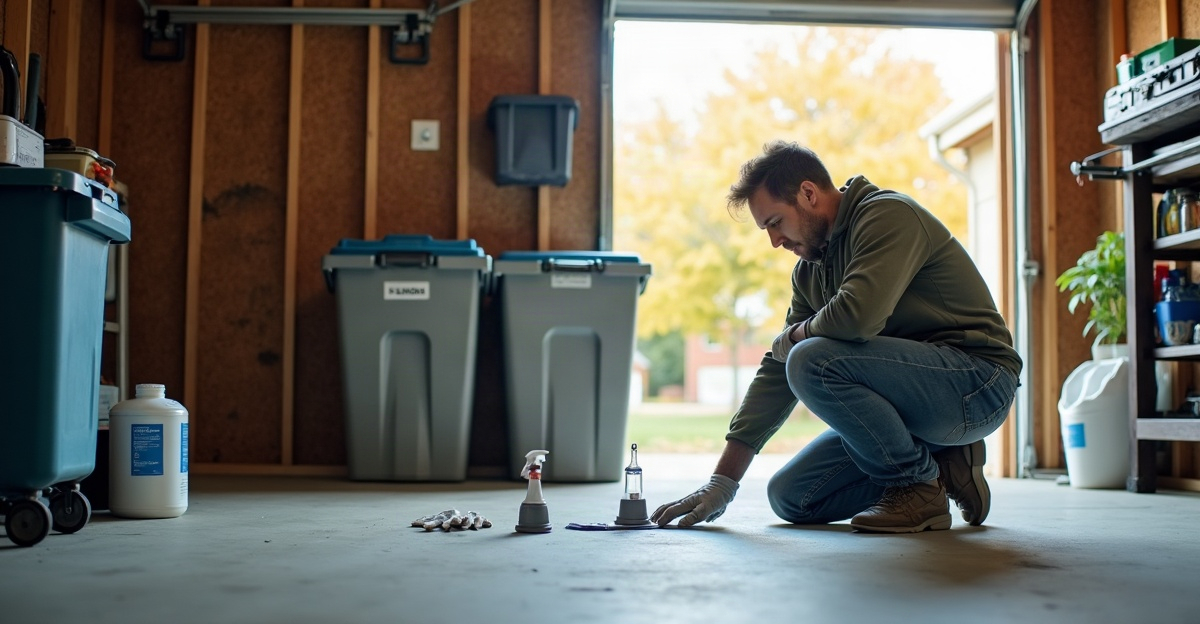
Clean rodent evidence carefully. If possible, ventilate the garage first. Keep children and pets away from the area, wear disposable gloves, and lightly wet droppings or nesting material with disinfectant before removal. Wipe the material up with paper towels, place it in a securely sealed bag, and wash hands after cleanup.
Do not dry sweep or vacuum droppings or nesting material. Those methods can stir particles into the air.
Snap traps or enclosed trap stations may be appropriate in some garages. Place them where children and pets cannot reach them, follow product instructions, and check them regularly. Traps can help reduce activity and confirm where mice are traveling, but they do not replace finding and sealing entry points.
We do not recommend placing loose rodent poison in garages, around vehicles, or near stored belongings. Rodenticides can pose risks to children, pets, wildlife, and other non-target animals. Professional guidance helps determine whether any baiting method is appropriate for the property.
Ultrasonic repellents, peppermint oil, mothballs, and similar products are not dependable standalone solutions. Mothballs should not be used for mouse control. Exclusion, sanitation, and targeted monitoring deliver more reliable results. For persistent activity, our rodent control services can provide a safer, practical next step.
Prepare Before Fall and Winter—and Know When to Call for Help
Before fall and winter arrive, inspect garage-door bottom seals, side-door weatherstripping, exterior gaps, vents, stored food, pet products, birdseed, cardboard, clutter, firewood, and materials stacked near the garage. Colder weather encourages mice to look for sheltered spaces, making seasonal inspections especially useful for attached garages, detached garages, sheds, workshops, and business storage areas.
Professional help is a good choice if fresh droppings or new gnawing continues after cleanup and prevention steps. We also recommend an inspection if mice are seen repeatedly, noises occur in walls or ceilings, multiple entry points are visible, or the likely entry point cannot be found. Wiring damage, vehicle activity, insulation damage, food-storage concerns, commercial operations, and homes with children, pets, or vulnerable occupants may also call for professional support.
Falls Pest Services can identify likely entry points, assess active mouse activity, recommend safe control measures, and build a practical prevention plan. Our residential pest control team provides clear recommendations without pressure or unrealistic promises.
If we keep finding fresh signs of mice, cannot locate the entry point, or want help protecting an attached garage or business storage area, contact Falls Pest Services for a professional inspection and practical prevention recommendations.