Vole vs Mole: How to Identify Lawn Damage
We identify vole versus mole damage by reviewing the patterns across our lawns. Moles create raised, winding ridges and loose soil mounds. Voles leave shallow runways, small openings, and chewed vegetation. We compare tunnel shapes with plant, root, and bark damage to identify the likely pest and choose the right solution.
Key Takeaways
- Moles tunnel for insects and other soil-dwelling invertebrates. They don’t usually eat grass, roots, bulbs, or shrubs.
- Voles eat vegetation and can damage grass, bulbs, roots, stems, shrubs, and tree bark near ground level.
- Raised, winding ridges and cone-shaped soil mounds often signal mole activity. Flat, narrow runways usually indicate voles.
- Vole damage can become easier to spot after snow melts. Protected travel paths may appear across lawns and garden beds.
- We recommend photographing damage and monitoring fresh activity before acting. We can contact a pest professional if damage continues or identification remains uncertain.
Tell Vole and Mole Damage Apart at a Glance
Moles are insect-eating mammals that tunnel through soil to find insects and other soil-dwelling invertebrates. Voles are rodents that feed on grasses, roots, bulbs, bark, and ornamental plants.
Correct lawn pest identification matters because vole and mole control require different approaches. Treating the wrong pest can waste time and leave lawn or landscape damage unprotected. Moles can disturb turf roots and soil as they dig, but they do not generally eat grass, roots, bulbs, or garden plants.
No single sign confirms the cause. We recommend comparing several clues, since gophers, ground squirrels, irrigation issues, weather stress, and other conditions can resemble vole damage or mole damage.
Image recommendation: Comparison of a raised mole mound beside a shallow vole runway.
| Sign | Likely Mole Activity | Likely Vole Activity | What We May Observe |
|---|---|---|---|
| Surface patterns | Raised, winding surface ridges | Shallow runways at or just beneath grass | Lifted turf versus narrow worn paths |
| Soil mounds | Volcano- or cone-shaped mounds may appear | Prominent soil mounds are uncommon | Loose soil piles often point to mole activity |
| Tunnel depth and shape | Deeper tunnels with raised ridges | Shallow paths near the surface | Winding ridges versus low, narrow pathways |
| Entry holes | Mounds or openings may vary by soil and activity | Small openings often occur along runways | Holes need other signs for a confident diagnosis |
| Plant, root, and bark damage | Moles do not generally eat plants | Voles may chew grass, bulbs, roots, shrubs, and bark | Chewed plants strongly support vole activity |
| Typical feeding behavior | Insects and soil-dwelling invertebrates | Vegetation | Feeding damage helps separate the two pests |
| Lawn appearance | Uneven turf and winding ridges | Clipped vegetation, worn paths, and chewed plants | Pattern and feeding signs should match |
| Seasonal patterns | Activity can increase with favorable soil moisture and insect availability | Damage may stand out after snow cover or during colder periods | Weather can make existing activity easier to see |
For a closer look at the differences, review our guide to voles versus moles. It also helps to rule out other small rodents, since mice and voles differ in behavior and habitat.
What Mole Lawn Damage Looks Like
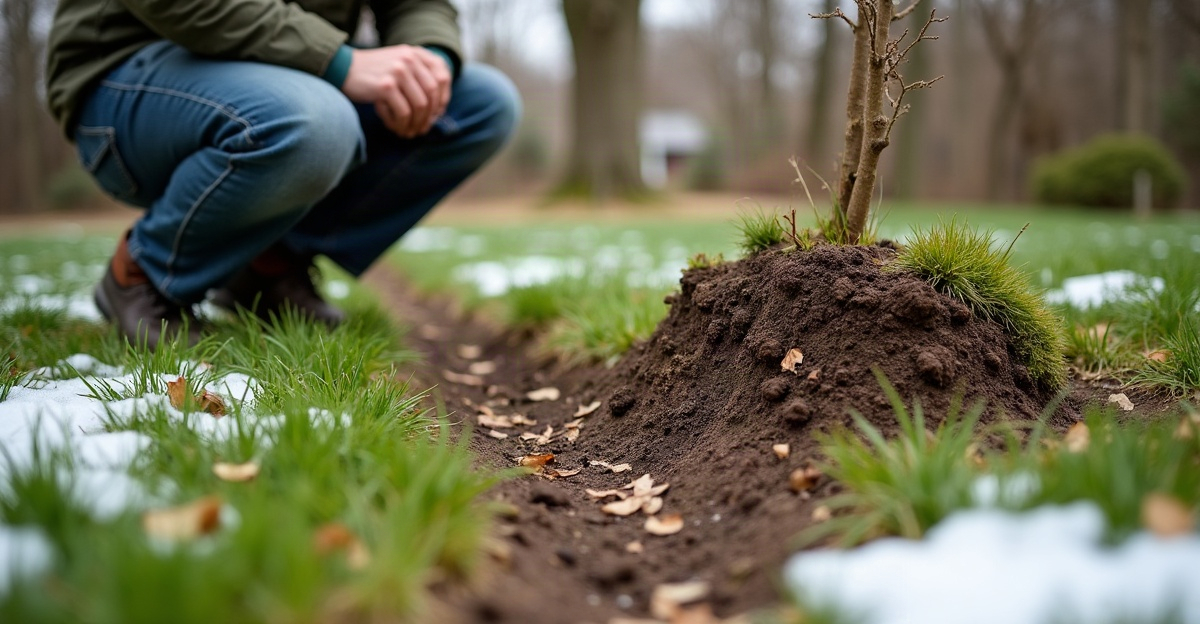
Mole tunnels usually create raised, winding ridges across the lawn. Affected turf may feel soft, uneven, or lifted where a shallow tunnel runs beneath it. Some mole activity also produces cone-shaped or volcano-like mounds of loose soil.
Moles build these tunnels while hunting insects and soil-dwelling invertebrates. They are not digging to eat grass or plant roots. Still, their digging can disturb roots enough to make sections of turf decline.
Mound size and tunnel visibility can change with local conditions. Dry, compacted, rocky, or heavily irrigated soil may affect how easily ridges and mounds appear. Soil moisture and insect availability can also influence activity, although every property responds differently to weather, irrigation, and soil conditions.
Mole tunnels and vole tunnels often look quite different. Mole ridges are generally raised and winding. Vole pathways usually appear flatter, narrower, and closer to the grass surface.
Image recommendation: A raised, winding mole ridge crossing healthy turf.
What Vole Lawn and Landscape Damage Looks Like
Voles feed on vegetation, which makes their damage more direct. They may chew grass, roots, bulbs, stems, shrubs, and bark. Damage often appears as shallow surface runways, small holes, clipped vegetation, and gnawed plants along well-used paths.
These rodents commonly travel through grass, mulch, garden beds, dense ground cover, fence lines, and shrub borders. Their narrow pathways may become especially clear after snow melts. In Eastern Idaho, winter snow cover can protect voles while they travel and feed near the ground surface, though timing varies by property and weather.
We recommend inspecting young trees and shrubs at ground level. Bark chewing around the base can signal vole activity. Garden beds may also show missing bulbs, chewed stems, damaged roots, or plants that loosen easily from the soil.
Small holes and visible grass clippings along a runway support a vole diagnosis, but we still need to assess multiple signs. For additional examples, see these common signs of vole damage.
Image recommendation: A vole runway through grass.
Image recommendation: Bark damage near the base of a young tree.
How to Inspect Your Yard Without Guessing
Start by photographing the damage before changing the area. A clear record helps us compare fresh activity with older damage and prevents an early cleanup from hiding useful clues.
Look for several signs at once. Compare raised ridges and soil mounds with shallow runways, small openings, clipped grass, and plant chewing. Check landscape beds, garden edges, shrubs, fences, trees, mulch, and other areas where pests may find cover. Our guide to common pest hiding places can help narrow the inspection.
Watch suspect areas for several days. Fresh soil movement, new ridges, expanded runways, or additional chewing damage can indicate current activity. A single old tunnel or hole does not confirm an active pest problem.
Tunnel appearance also changes with soil type and moisture. We should not assume every opening belongs to a mole or vole. Irrigation problems, settling soil, other wildlife, and weather can create similar-looking conditions.
Paths that appear after snow melts often point to vole activity. Snow cover can shelter voles as they travel and feed beneath it, leaving runways visible once the snow is gone.
Safe First Steps for Eastern Idaho Lawns
Begin with practical property care. Reduce dense vegetation and debris around affected areas, keep grass trimmed, and clear heavy cover near garden edges and shrubs. Where appropriate, protect vulnerable young tree trunks from chewing.
Check irrigation and drainage as well. Excess moisture may create favorable conditions for insects and digging activity, while thick vegetation can give voles protected travel routes. Regular property maintenance for pests supports a cleaner, easier-to-monitor landscape.
Repellents and do-it-yourself methods can have mixed results, especially if an active population remains or the habitat still provides food and cover. We do not recommend casually using poison, traps, or unverified home remedies. Any product or trap must be selected and used according to its label directions, local regulations, and pet and child safety considerations.
Moles and voles should not receive the same treatment. Their feeding behavior, damage patterns, and appropriate control methods differ significantly. Eastern Idaho weather can also affect when damage becomes visible. Vole runways may stand out after snow melt, while mole activity may shift with soil moisture and insect availability.
For prevention measures focused on voles, review our guidance on preventing voles in yards.
When Persistent Lawn Damage Needs Professional Help
Persistent lawn damage can feel frustrating, but we can assess it methodically without scare tactics or unsupported promises. Professional help makes sense when damage continues or spreads, plants, trees, or shrubs show chewing, several property areas are affected, or monitoring has not made the pest clear.
Contact a professional when any of these conditions apply:
- Fresh ridges, runways, or soil disturbance keep appearing.
- Tree bark, roots, bulbs, shrubs, or garden plants are damaged.
- We cannot confidently identify the pest from the visible signs.
- Multiple lawn or landscape areas show activity.
- A family- and pet-conscious treatment plan is needed.
Moles do not eat grass or plant roots. Their digging can damage turf indirectly, but their diet consists of insects and soil-dwelling invertebrates. Voles can damage trees and shrubs by chewing bark, roots, and stems, especially around the base of young plants.
Falls Pest Services can assess vole damage versus mole damage and recommend an appropriate next step for properties in Idaho Falls, Twin Falls, Pocatello, Rexburg, Rigby, and nearby communities. For ongoing rodent concerns, explore our rodent control services or contact Falls Pest Services for help.