What Are the Signs of Voles in Lawn Areas?
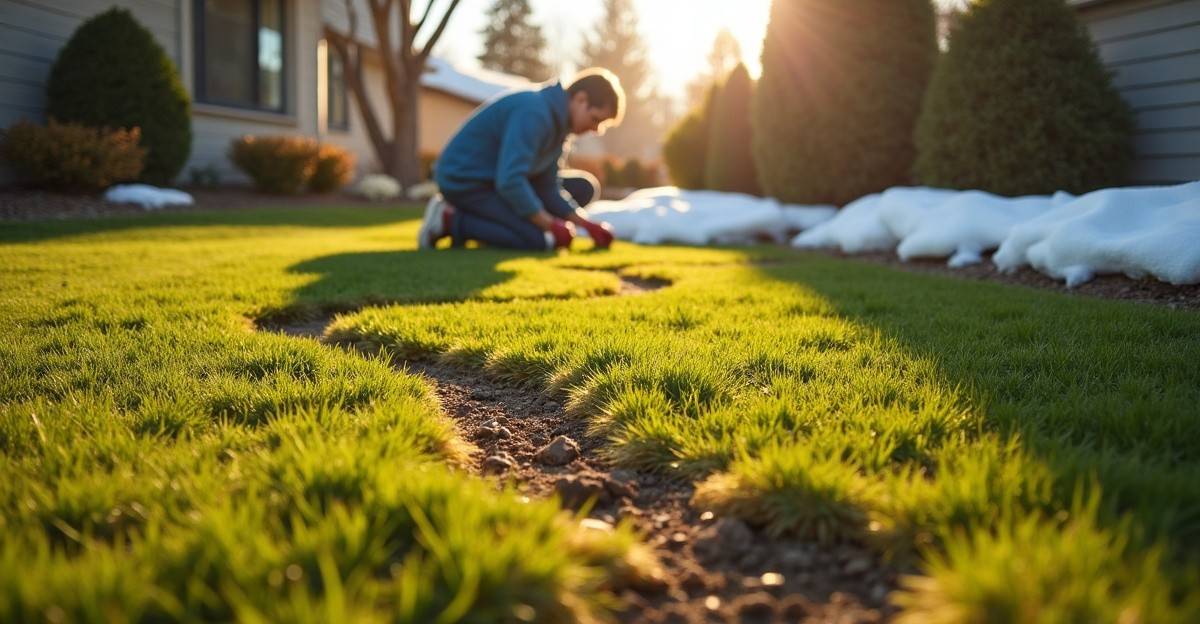
Homeowners may notice voles in lawn areas when narrow paths, small holes, and damaged turf appear across the grass. Voles can clip grass and feed on roots, which may leave weak or patchy areas. They may also chew bark around shrubs and young trees. This vole damage in lawns can be hard to notice during winter. However, the signs often become easier to see after snow melts.
Falls Pest Services helps homeowners identify pest activity by looking at the signs left around the yard. Correct identification matters because voles, moles, and gophers can damage lawns in different ways. Voles often create shallow runways and small holes. Moles may leave raised soil ridges, while gophers often create larger soil mounds. Knowing these differences can help homeowners understand what may be causing the damage.
What Do Voles in Lawn Areas Look Like?
Narrow Surface Runways
Voles often make small paths through grass as they move around a yard. These paths may look like thin trails pressed into the lawn. Most runways are about one to two inches wide. You may see them across open grass, near garden beds, or along lawn edges. Voles in lawn areas may use the same paths many times. As a result, the grass can become flat or worn along each trail. These paths can be easier to see after snow melts.
Small Burrow Openings
Voles make small holes that lead to places where they hide and rest. Most openings are about one to two inches wide. You may find them close to runways, plants, fences, or garden beds. The holes usually do not have large piles of dirt around them. This detail can help you tell vole holes from other pest holes. Small holes near worn grass paths can be evidence of voles in lawn areas. Still, homeowners should check for more than one sign.
Soft or Spongy Turf
Grass may feel soft or loose when voles feed below the soil. Voles can eat grass roots as they move under thick turf. The roots hold grass firmly in the ground, so damaged roots can make turf weak. Vole damage in lawns may cause some grass sections to lift with little effort. You may also notice thin, brown, or weak patches near active paths. These signs can help you find areas that need a closer look.
What Types of Damage Can Voles Cause?
Damaged Grass
Voles eat grass and other plants close to the ground. Voles in lawn areas can leave grass clipped, flat, thin, or patchy. Their feeding may also make some parts of the yard look uneven. You may notice small trails that connect damaged spots. Check these areas for other clues before you decide that voles caused the damage.
- Clipped grass: Voles may cut grass close to the soil as they feed.
- Flat grass: Their paths can press grass down and leave clear trails.
- Thin patches: Heavy feeding can make some lawn areas look bare or weak.
Damaged Grass Roots
Voles can also feed on roots below the grass. This feeding weakens the roots that hold turf in place. Evidence of voles in lawn areas may include grass that lifts from the soil with little effort. The turf may also feel loose or soft under your feet. Root damage can grow worse when voles keep feeding in the same area.
Damaged Shrubs and Trees
Voles may chew bark near the base of shrubs and young trees. These rodent problems can harm plants when the chewing becomes severe. Snow can give voles safe cover near plant stems during winter. As a result, damage may stay hidden until the snow melts. Check low areas of bark for small tooth marks or missing pieces.
Lawn Runways
Voles often use the same paths as they move across a yard. The trails can connect grass, garden beds, shrubs, and other covered spots. Common signs of voles in the lawn include narrow paths that form a larger trail system. More trails may appear as activity spreads. Watching these paths can help you find areas with possible vole activity.
Why Are Voles in Lawn Areas Easier to Notice After Snow Melts?
Snow Hides Vole Paths
Snow can cover grass for long periods during cold Eastern Idaho winters. It can hide the small paths that voles make across a yard. Voles in lawn areas may stay active under this layer of snow. The snow also gives them cover from many predators. As a result, homeowners may not see the paths while snow covers the grass.
Voles Move Under Snow
Voles can travel under snow to reach grass, roots, and other food. The snow gives them a covered space to move between feeding spots. Signs of voles in the lawn may stay hidden during this time. Grass can become flat, clipped, or weak without being easy to see. Once the snow melts, these damaged areas become much easier to spot.
Damage Appears After Snow Melts
Melting snow can uncover paths, small holes, and weak grass across the yard. Voles in lawn areas may leave trails that seem to appear all at once. In fact, some of this damage may have formed while snow covered the ground. Homeowners may then notice brown patches, flat grass, or connected paths.
Local Lawns Can Show These Signs
Homes across the Eastern Idaho service area may face conditions that can support vole activity. Falls Pest Services serves places such as Idaho Falls, Rexburg, Rigby, Pocatello, and Twin Falls. Vole activity can vary from one property to another. Checking the lawn after snow melts can help homeowners find possible damage early.
How Can You Tell Voles From Moles and Gophers?
Voles
Voles often make shallow paths through grass as they move around the yard. Voles in lawn areas may leave small holes near these paths. You may also see clipped grass or other plants near the ground. Voles can feed on grass roots, which may make the turf weak or loose. Vole damage in lawns may also include thin or bare patches of grass. Vole holes often have little or no loose soil around them. These clues can help you spot their activity.
Moles
Moles leave different signs because they spend much of their time below the ground. They dig tunnels that can push soil toward the surface. This activity may create raised ridges that run across the lawn. Some moles also leave small hills of loose soil. When comparing voles vs moles, look closely at the shape of the lawn damage. Voles often leave open grass paths, while moles create raised soil ridges. Moles mainly search underground for insects and other small animals, not grass.
Gophers
Gophers also live below the ground, but they can move much more soil. Their digging often creates large piles on the lawn. These piles may have a fan or curved shape. Gopher burrows also tend to sit deeper below the surface. You may see clear piles of fresh soil near active areas. These signs look very different from the small paths that voles leave.
How Can You Check Your Lawn for Vole Activity?
Check the Grass
Walk around your yard and look closely at the grass. Check for thin paths that cross open lawn areas. Voles in lawn areas may press grass down as they use the same paths. You may also see flat, clipped, or weak grass near these trails.
Look for Small Holes
Check lawn edges, garden beds, fences, and other covered spots for small holes. Vole holes are often close to their paths. Learning how to spot a pest problem early can help you notice small changes in your yard. Look for several clues before you decide what caused the holes.
Inspect Damaged Turf
Gently pull on weak or thin areas of grass. Turf with damaged roots may lift from the soil with little force. You may also notice soft or loose spots under your feet. Root damage alone does not prove that voles caused the problem.
Check Shrubs and Trees
Look at the base of shrubs and young trees for small tooth marks. Missing bark may also point to feeding near the ground. These marks can be signs of voles in lawn areas when you also find nearby paths or holes. Check several plants for similar damage.
Watch Existing Runways
Lightly press down a visible runway and check it again after a few days. Voles may reopen a path if they still use it. However, one reopened path does not prove you have voles. A pest control expert can help identify the animal when the signs are not clear.
What Can Homeowners Do About Voles in Lawn Areas?
Keep Grass Trimmed
Mow your grass often to keep it short and neat. Tall, thick grass can give voles more places to hide. Keeping grass trimmed also makes trails and other damage easier to see. Voles in lawn areas may become easier to spot when the grass stays short. Regular yard care can help you watch for new activity.
Remove Yard Debris
Clear leaves, weeds, brush, and other clutter from the yard. These items can create covered places where small animals can hide. Keep lawn edges and areas near plants clean as well. Residential pest control may help when yard cleanup does not reduce repeated pest activity. A professional can also help find the cause of the problem.
Manage Mulch
Check the mulch around shrubs, trees, and garden beds. Very thick mulch can create hidden spaces close to plants. Keep these areas neat so you can see holes or plant damage. Voles in lawn areas may also travel near covered garden beds while looking for food.
Monitor Active Areas
Watch any trails, small holes, weak grass, or damaged plants you find. Check these spots often for fresh signs. You can also note where new paths appear across the yard. Falls Pest Services can help identify the pest when the signs are hard to understand. Correct identification can help guide the next step.
Protect Vulnerable Landscaping
Check shrubs and young trees for tooth marks or missing bark near the base. Look at these plants often, especially after snow melts. Avoid unsafe poisons, traps, or chemicals that may harm children, pets, or wildlife. Severe or repeated damage may need a professional assessment to find a safe and suitable solution.
When Should You Get Professional Help for Voles?
Damage Keeps Coming Back
Professional help may be useful when lawn damage returns after you clean the yard. Voles in lawn areas may leave many runways across several parts of the property. You may also see new holes or weak grass after removing weeds, brush, and other hiding spots. A pest expert can check these areas and help find the cause.
- Many runways: Several connected paths may point to ongoing pest activity.
- Plant damage: Fresh bark damage may appear on shrubs or young trees.
- Repeat damage: New lawn damage may return after basic yard cleanup.
Unclear Pest Activity
Different pests can leave holes, trails, and damaged grass. Signs of voles in lawn areas can also look like damage from other small animals. A trained professional can inspect the yard and look for clear clues. Correct pest identification helps you choose a suitable way to handle the problem.
Professional Pest Care
Falls Pest Services provides rodent control in Idaho Falls for homes with rodent activity. The team can inspect the property to find signs of pests and problem areas. They can then create a treatment plan based on what they find. Follow-up care can help monitor the results and check for new activity. Professional support may be helpful if the damage spreads or keeps returning.
Why Does Early Vole Identification Matter?
Find Damage Early
Finding vole activity early can help you watch damaged parts of your yard. Voles in lawn areas may leave trails, holes, weak grass, or clipped plants. Checking these signs can help you see if the damage spreads. You can also watch weak grass and protect areas that need more care.
Protect Plants
Voles may feed on grass roots and chew bark near the ground. Check shrubs and young trees for tooth marks or missing bark. Keeping grass short can also make pest activity easier to see. Removing leaves, weeds, and thick brush can reduce places where small animals may hide.
Identify the Right Pest
Voles, moles, and gophers leave different marks in a yard. Voles often make surface paths, while moles may push soil into raised ridges. Gophers can leave larger piles of loose soil. Finding the right pest helps you avoid using the wrong control method.
Know When to Get Help
Small changes in the yard may be easy to watch at first. More paths, plant damage, or weak turf may need a closer look. Professional pest control can help if the cause is not clear or the damage keeps spreading.
Need Help With Voles in Your Lawn?
If you notice runways, small holes, or damaged grass, you may have voles in lawn areas. These signs can be hard to identify on your own. A professional inspection can help find the pest and check where the activity is taking place.
Falls Pest Services provides rodent control for homeowners dealing with possible vole activity. Our team can inspect your yard and suggest suitable steps based on what they find. If you need help with damaged turf or other pest signs, contact us or call (208) 520-2484 to learn more about your options.
FAQs
What do vole holes look like in a lawn?
Vole holes are often about one to two inches wide. You may find them near grass paths, garden beds, or lawn edges. They usually have little loose soil around them.
Do voles make trails through grass?
Yes. Voles can make narrow paths as they move through grass. These paths often look flat or worn. You may see several trails connected across the lawn.
Can voles damage grass?
Yes. Voles may clip grass and feed on roots. This activity can leave thin, weak, or patchy areas. Damaged turf may also feel soft or lift from the soil.
Are voles and moles the same?
No. Voles and moles are different animals. Voles often leave surface paths in grass. Moles usually dig below the ground and may create raised soil ridges.
Should I call pest control for voles?
Professional help may be useful if damage keeps returning or spreads across your yard. A pest expert can inspect the area and identify the animal causing the problem.