How Do Rats Get in Your House? Entry Points to Check First
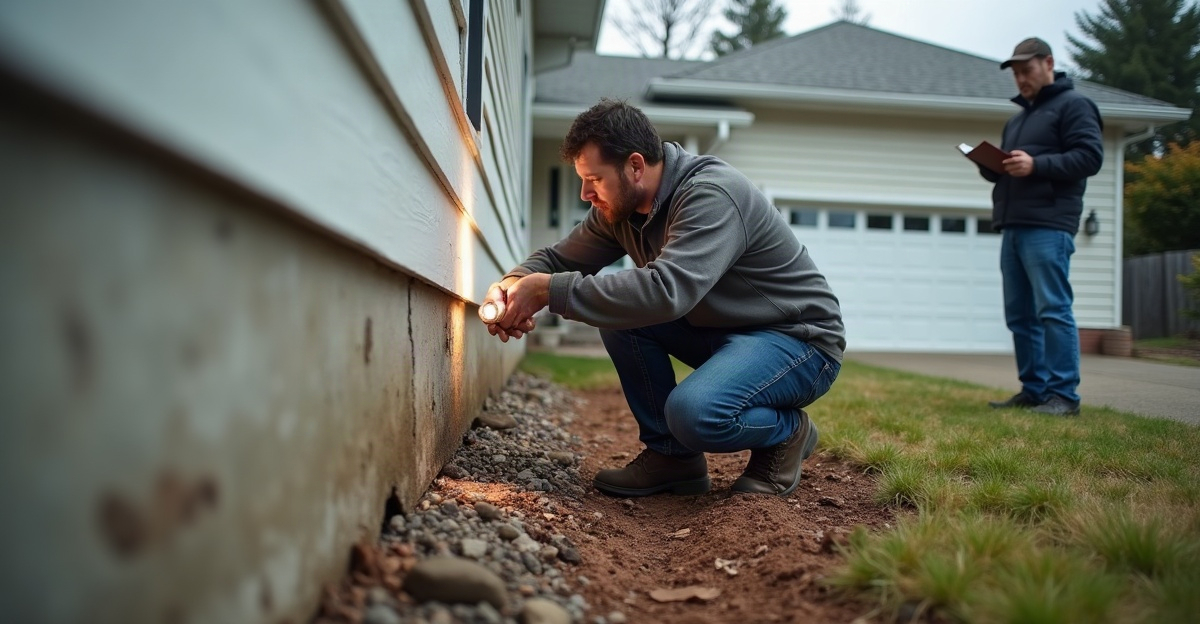
Rats get into houses through gaps around utility lines, foundation openings, garage doors, vents, crawl spaces, rooflines, and damaged exterior materials. These routes lead to protected areas, including attics, walls, and basements.
We recommend checking ground-level openings first. Next, inspect vents, eaves, and attic access points. This approach helps us identify rat entry routes before indoor activity spreads.
Key Takeaways
- Adult rats can enter through openings about ½ inch wide. Younger rats can squeeze through even smaller gaps.
- Inspect pipe and cable penetrations, crawl-space vents, foundation cracks, basement windows, door seals, and garage door corners.
- Check roof-level entry points, including soffits, fascia, eaves, chimneys, attic vents, and damaged vent covers.
- Reduce food, water, and shelter sources. Secure trash, pet food, bird seed, livestock feed, and stored materials near exterior walls.
- Confirm and remove active rodent activity before sealing openings. Contact a pest control professional for ongoing signs, damaged wiring, or difficult-to-reach entry points.
Signs Rats May Already Be Inside Your Home or Building
Seeing a rat indoors, finding droppings, or hearing scratching in walls can point to active rodent activity. Chewed food packages, insulation, wiring, cardboard, or wood also deserve attention, especially in attics, ceilings, basements, and crawl spaces.
Still, not every rodent sighting means rats are established in the building. Mice, voles, squirrels, and other wildlife can leave similar clues. The size and shape of droppings, chew marks, tracks, nesting material, and the location of activity can all help identify the animal. If the evidence is unclear, a professional inspection can confirm what is present and where it is getting in.
A common question is, how do rats get in your house? Adult rats often need an opening around ½ inch wide, although younger rats can fit through smaller gaps. Mice can enter far tighter spaces, so a small opening may support either type of rodent activity. Most rat problems are manageable when addressed promptly with proper removal and exclusion.
The First Rat Entry Points to Inspect
Start outside at ground level. Rats often follow edges, foundations, fences, landscaping, and utility lines until they find a sheltered opening. A careful exterior check can reveal many of the most common rat entry points before activity reaches upper levels of the structure.
Inspect gaps where pipes, electrical cables, gas lines, internet lines, and HVAC connections enter the building. Check crawl-space vents and access doors, foundation cracks, basement windows, damaged weatherstripping, and spaces around exterior doors. Pay close attention to areas hidden by shrubs, decks, stored materials, and equipment.
Garage doors also deserve a close look. Bottom corners, worn seals, and gaps where the door does not meet the frame can create easy access for rats in garage areas. Our guide to garage pest entry points explains why these spaces often become a path into the rest of the property.
Detached garages, sheds, barns, storage buildings, and pet doors can also serve as rat entry points in house-adjacent areas. From there, rodents may move into the main home through connected walls, utility runs, or open doors. For properties with low crawl spaces, we also recommend reviewing crawl-space rodent prevention as part of a full inspection.
Rural and suburban Eastern Idaho properties can have added rodent pressure. Nearby fields, livestock feed, pet food, grain storage, sheds, and outbuildings offer food and cover. These conditions help explain how rats enter homes even when the house itself appears well maintained.
Roof, Attic, Vent, and Chimney Openings Rats Can Use
Ground-level openings come first, but rats can also reach roofs through trees, stacked firewood, fences, utility lines, and attached structures. Once they reach the roofline, loose soffits, damaged fascia, gaps beneath eaves, and openings near chimneys may become roof rat entry points.
Inspect attic vents, roof vents, dryer vents, and foundation vents for broken covers, missing screens, or loose edges. Properly installed covers can help rat-proof vents while still allowing the airflow the structure requires. Never block a required vent, restrict dryer exhaust, or make a repair that creates a fire-safety concern.
Attic access doors, roof penetrations, and upper-story utility lines also need secure sealing. Poorly fitted flashing and gaps around pipes or cables can give rodents a direct route into wall voids or attic spaces. Our overview of HVAC system pest access can help identify additional areas where building penetrations need attention.
Cold weather makes protected spaces especially appealing in Eastern Idaho. Rats in attic spaces, wall voids, garages, and crawl spaces may be looking for warmth, nesting material, and dependable food nearby. Knowing how rats get into attic areas helps stop activity before it spreads through the building.
Why Food, Water, and Shelter Keep Rats Coming Back
Sealing access points matters, but rodent exclusion works best when we also remove the conditions that attract rodents. Trapping or baiting may reduce current activity, yet rats can return if food, water, and shelter remain easy to find.
Common outdoor attractants include:
- Uncovered trash
- Bird seed and pet food
- Livestock feed and spilled grain
- Food-storage areas
- Standing water
- Dense vegetation
- Woodpiles and debris near the foundation
Store food in durable, closed containers. Keep garbage lids secure. Move stored materials away from exterior walls when possible, and trim vegetation that creates covered travel routes.
For businesses, rat prevention should include dependable sanitation and storage practices. Restaurants, warehouses, loading areas, dumpsters, property-managed buildings, and food-handling spaces need secure exterior doors, clean waste areas, protected food storage, and regular inspections. A small gap near a loading door can become a larger issue when nearby dumpsters or spills provide a steady food source.
Complete rodent control services combine removal work with exclusion and habitat changes. This approach helps prevent rats from entering house areas again and supports lasting Eastern Idaho pest control results.
How to Seal Rat Entry Points Safely and Effectively
Do not seal an opening until checking for active rodents. Closing an entry point while rats remain inside can trap them in walls, crawl spaces, or attic areas. Fresh droppings, new chew marks, noises after dark, or recent sightings usually call for a complete removal-and-exclusion plan rather than immediate patching.
After activity has been assessed, use durable materials to seal rat entry points. Metal mesh, hardware cloth, sheet metal, and properly fitted vent covers offer far better protection than light plastic or temporary patches. Rats can chew through foam, plastic, and weak repair materials, so foam alone should not be relied on for rat exclusion.
Each repair needs a secure fit around pipes, cables, vents, doors, and foundation openings. Door sweeps should close gaps without dragging or preventing normal door operation. Vent covers must maintain required airflow. Repairs around foundations should preserve drainage, and work around mechanical systems must not interfere with safety requirements.
No building can be guaranteed permanently sealed in every condition, since weather, settling, wear, and new utility work can create gaps over time. Even so, regular inspections and prompt repairs can greatly reduce access. Learn more about practical home pest-proofing limits and the steps that provide the strongest protection.
When to Call a Professional for Rat Removal and Exclusion
Professional help is the right choice for repeated sightings, fresh droppings, ongoing sounds in walls or attics, chewed wiring, damaged building materials, inaccessible entry points, or heavy activity. An inspection is also recommended whenever it is unclear whether the animal is a rat, mouse, squirrel, or other wildlife.
Avoid sweeping or vacuuming dry rodent droppings. That can stir contaminated particles into the air. Instead, ventilate the area, wear gloves, disinfect droppings before cleanup, and follow current public-health guidance. Heavy infestations, crawl spaces, attics, and areas with widespread urine or droppings often need professional support for safe cleanup and control.
A qualified inspection identifies active travel routes, confirms the pest involved, and finds entry points that may be missed during a basic walk-around. Effective plans also account for children, pets, wildlife, and the building’s layout before any treatment or repair begins.
For reliable Falls Pest Services rat control in Eastern Idaho, we can provide a clear inspection, responsible treatment, and practical exclusion recommendations. Contact us through our pest control contact page to schedule help with active rat concerns or prevention work.