What Attracts Rats to Your Home and How Can You Stop Them?
Rats often enter homes for dependable food, water, shelter, and easy access through gaps near doors, vents, pipes, and foundations. We can reduce these risks by removing attractants and checking for droppings, gnaw marks, rub marks, and scratching sounds. These signs help us prevent infestations and determine when we need professional support.
Key Takeaways
- Rats seek unsecured food, pet food, bird seed, garbage, compost, fallen fruit, animal feed, and standing water.
- Cluttered garages, attics, crawl spaces, sheds, woodpiles, and dense vegetation give rats sheltered nesting sites.
- We should seal entry points around utility lines, doors, vents, screens, foundations, and garage doors to restrict access.
- We should avoid direct contact with droppings or nesting materials and keep children and pets away from affected areas during cleanup.
- We should schedule a professional inspection if fresh signs reappear, noises persist in walls or ceilings, or we find damaged wiring, nesting material, or unidentified entry points.
Signs Rats Are Active—and What to Do First
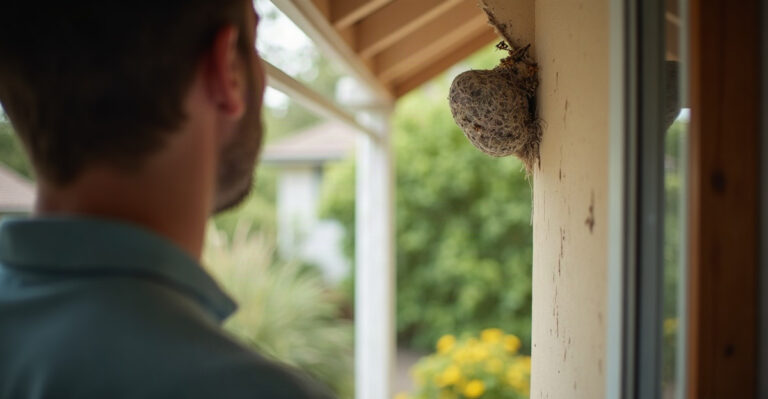
Signs of rats in the house often appear before you see the animal itself. Fresh rat droppings, gnaw marks on food packaging or wood, shredded paper or insulation, greasy rub marks along walls, and scratching in ceilings or walls can all point to activity. A rat sighting also deserves attention, especially if it happens more than once.
Seeing one rat does not always mean there is a large infestation. However, repeated signs, fresh droppings, or recurring noises mean the problem needs prompt attention. Rats can damage stored goods, wiring, and building materials while contaminating surfaces and food.
Knowing the difference between rats and mice matters during an inspection. Rats are generally larger, leave larger droppings, and often use different nesting areas and entry routes than mice. Both rodents can use garages, crawl spaces, and outbuildings for cover. Our guide to rats vs. mice can help distinguish common rodent activity from other animal concerns.
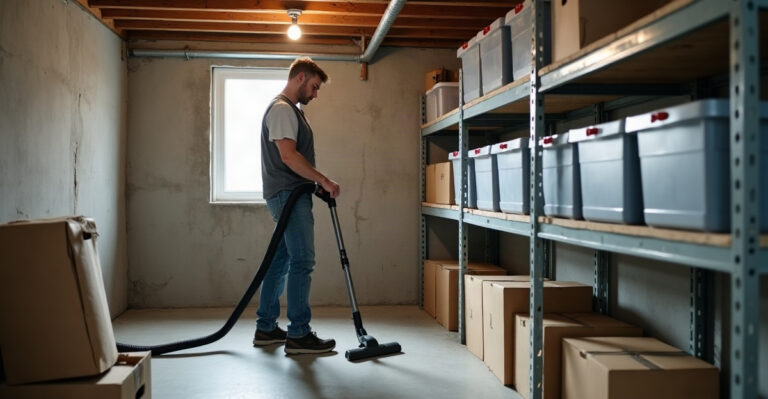
Avoid touching rat droppings, urine, nesting material, or a rodent directly. Keep children and pets away from affected areas. Wear gloves during cleanup, avoid sweeping or vacuuming dry droppings, and bag waste securely before disposal. If rat infestation signs continue after cleanup, we recommend a professional assessment.
Food and Water Sources That Draw Rats In
What attracts rats most often is a dependable food and water supply. A clean kitchen helps, but outdoor rat attractants can be equally important. Rats will feed on pet food, bird seed, livestock feed, unsecured garbage, compost, fallen fruit, kitchen crumbs, pantry goods, and food kept in garages, sheds, warehouses, or storage areas.
Pet food attracts rats when it remains outdoors overnight or sits in open bags. Bird seed attracts rats when feeders spill seed onto the ground. Rats in garbage are also common where containers lack tight-fitting lids or waste sits near doors, garages, and loading areas. Restaurant waste and commercial dumpsters need the same careful attention as household trash. Review which pests contaminate food so food-storage areas receive the right protection.
Standing water attracts rats because it gives them a reliable place to drink. Leaking pipes, dripping exterior faucets, pet water bowls, clogged drains, and damp areas near foundations can all support rodent activity.
Reduce these attractants by storing food and animal feed in durable sealed containers, cleaning spilled bird seed, collecting fallen fruit, and managing compost carefully. Keep pet food indoors after feeding when possible. Repair plumbing leaks and outdoor water leaks promptly, then empty standing water where practical.
Shelter, Clutter, and Yard Conditions Rats Look For
Rats look for warm, quiet spaces that offer protection from weather and predators. Common nesting areas include attics, crawl spaces, garages, sheds, barns, basements, woodpiles, dense vegetation, and piles of stored materials. Rats in attic spaces can remain hidden for some time, while rats in garage areas may find pet food, boxes, and easy access to the home.
Eastern Idaho properties often include detached garages, sheds, barns, acreage, crawl spaces, and other useful structures that can also provide shelter. Businesses that store supplies, food, feed, or waste may have similar concerns. Seasonal cold weather can bring more shelter-seeking activity, but rats do not limit their activity to winter.
Reduce hiding places by organizing stored materials, clearing unnecessary clutter, and trimming dense plants near buildings. Keep woodpiles and stacked items away from exterior walls where practical. Routine checks of garages, barns, sheds, and crawl spaces can reveal activity before it spreads. For garage concerns involving smaller rodents, our information on mice in the garage explains why these spaces attract pests.
Consistent housekeeping supports effective Eastern Idaho pest control, but it works best alongside access-point repairs and professional help when activity persists.
How Rats Get Inside Homes, Garages, and Businesses
Food and shelter attract rats, but access allows them to stay. Many property owners ask, “How do rats get in houses?” Common rat entry points include gaps around utility lines, pipe openings, damaged vents, worn door seals, foundation gaps, broken screens, garage-door gaps, and openings in sheds or barns.
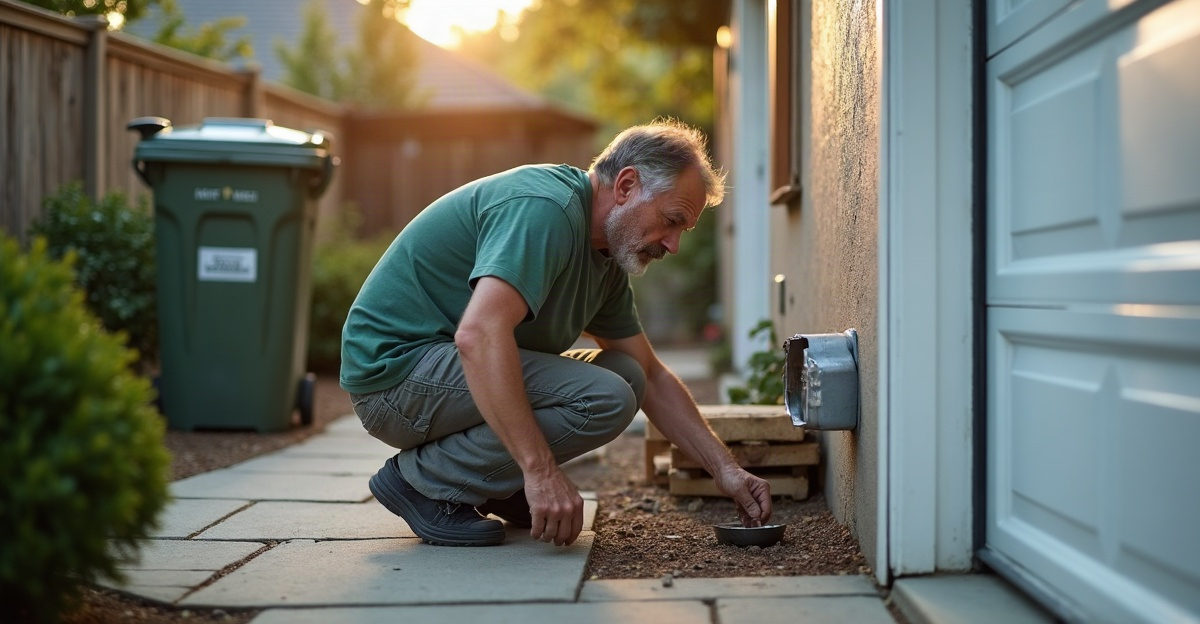
Inspect exterior walls, doors, vents, and utility penetrations for damage or openings. Replace worn weatherstripping, repair screens, and keep garage, shed, and barn doors closed when they are not in use. Use durable materials to seal holes and help keep rats out, especially around pipes and utility lines.
A garage deserves close attention because it often connects outdoor conditions to indoor spaces. Learn why garages become pest entry points and address damaged seals or clutter before activity increases.
Exclusion is important, but timing matters. Sealing an active nesting area without assessing where rats are entering and leaving may leave the underlying issue unresolved. Rats in crawl space areas also require a careful inspection before repairs begin. Our advice for keeping rodents out of crawl spaces can help guide routine prevention.
A Practical Prevention Checklist for Your Property
Removing attractants can greatly lower the chance of rat activity. It may not immediately remove an established infestation, especially if rats already have nesting shelter or indoor access. Follow these practical rat prevention tips in order.
Steps That Help Rat-Proof Your Home
Start with these high-impact tasks:
- Remove accessible food, including crumbs, open pantry goods, pet food, bird seed, and livestock feed.
- Secure garbage, compost, restaurant waste, and business waste in containers with tight-fitting lids.
- Eliminate standing water and repair leaking pipes, faucets, drains, and irrigation components.
- Reduce clutter, dense vegetation, woodpiles, and stored materials near structures.
- Inspect doors, vents, foundations, utility lines, garages, sheds, barns, and crawl spaces for access points.
- Monitor for fresh rat droppings, gnawing, rub marks, noises, and disturbed nesting material.
Homeowners should inspect kitchens, pet-accessible spaces, detached garages, sheds, barns, and crawl spaces. Small business owners should also check food-storage rooms, warehouse areas, dumpsters, loading areas, and waste-storage locations. Our guide to trash storage pest problems can help identify conditions around waste containers.
Traps and control products require care around children, pets, food areas, and wildlife. We do not recommend treating rodenticides as a casual do-it-yourself answer. Safe placement, monitoring, and removal matter. For ongoing concerns, rodent control services can address activity while supporting long-term prevention.
When Ongoing Rat Activity Calls for Professional Help
Professional rat removal is a sensible next step when droppings return after cleanup, rats appear during the day, or noises continue in walls and ceilings. We also recommend a rat inspection for chewed wiring, damaged structural materials, suspected nesting, unknown entry points, or activity in kitchens, attics, commercial food spaces, and pet-accessible areas.
A rat exterminator Eastern Idaho property owners can rely on should identify the conditions supporting activity, locate likely entry points, recommend safe removal options, and outline practical prevention steps. This approach helps address the source of the problem instead of focusing only on what is visible.
Falls Pest Services provides reliable support for homes and businesses facing continued rodent activity. Our residential pest control and commercial pest control teams can inspect sensitive areas, explain the findings clearly, and help protect the property. Contact Falls Pest Services when access points are hard to locate or rats remain active after prevention efforts.