Pest Control Methods for Homes and Businesses
We achieve effective pest control for homes and businesses through accurate pest identification, prevention, monitoring, targeted treatment, and follow-up. In Eastern Idaho, features such as garages, sheds, crawl spaces, food-storage areas, and outdoor structures often influence pest activity. We account for these conditions to create lasting control plans.
Key Takeaways
- We identify the pest and inspect for signs such as droppings, damage, nests, and repeat sightings before we select a treatment.
- We reduce food, water, shelter, and entry points through better sanitation, sealed gaps, repaired screens, and moisture control.
- We use traps and targeted treatments that fit the pest, location, and activity level. We follow product labels and safety requirements.
- Integrated pest management focuses on prevention, monitoring, and the least disruptive effective treatment instead of broad, routine applications.
- We recommend professional service for recurring or widespread activity, rodent evidence, suspected bed bugs, unsafe wasp nests, or pest issues that disrupt business operations.
Effective Pest Control Starts With the Right Method for the Pest
Effective pest control usually combines prevention, identification, monitoring, targeted treatment, and follow-up. One product or one visit may reduce activity, but lasting results often depend on finding the source and correcting the conditions that support it.
The right pest control methods vary by pest, level of activity, building type, and location. A method that helps with ants or spiders may not fit rodents, cockroaches, bed bugs, or wasps. Eastern Idaho weather, rural and suburban properties, garages, sheds, crawl spaces, food storage, yards, acreage, and outdoor structures can all affect where pests settle and how they move through a property.
We set practical expectations from the start. Control may require exclusion work, targeted treatment, and continued prevention. Pests can return if new access points, food sources, moisture, or nesting areas remain available. For a clearer look at the process, see how pest control works.
Identify, Inspect, and Monitor Pest Activity Before Choosing a Treatment
Accurate identification is the first step in choosing an effective approach. Similar-looking insects can have very different habits, food sources, and hiding places. Treating an unknown pest often wastes time and may leave the actual source untouched.
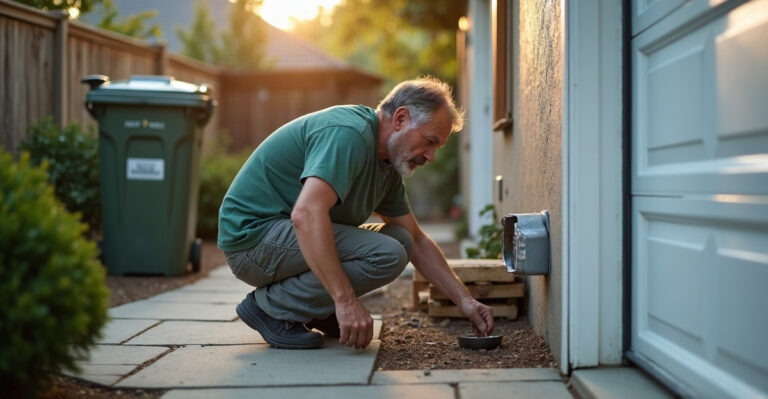
We look for practical signs of activity, including droppings, gnaw marks, damaged packaging, nests, recurring sightings, and insect movement around food, water, or shelter. Visual inspections and appropriate traps can help establish where activity occurs and how often it happens. No single trap or monitoring tool works for every pest, so the method must match the situation.
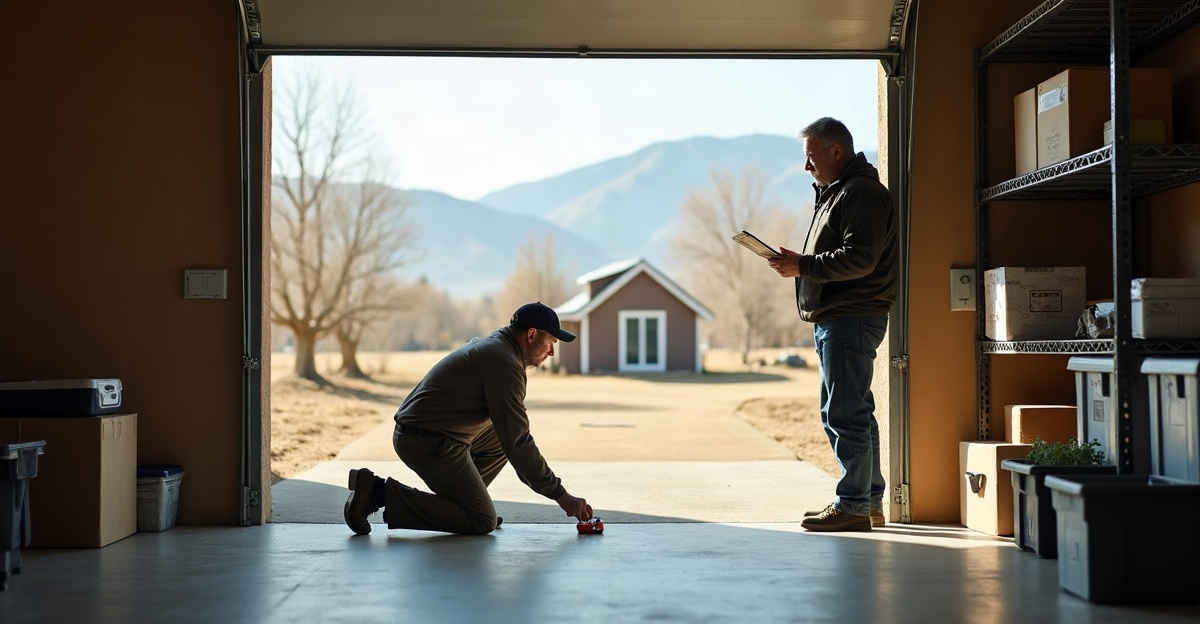
Monitoring also helps homes and businesses measure progress. A decline in sightings, captures, damage, or fresh evidence shows whether prevention and treatment steps are working. Recurring or widespread activity calls for a professional inspection, especially when identification is uncertain. Our pest control services begin with a practical assessment of the pest, property, and likely entry points.
Prevention, Sanitation, and Exclusion: The First Line of Defense
Prevention is often the least disruptive and most practical starting point for minor pest concerns. The goal is simple: reduce food, water, shelter, and access points. This is often called habitat modification, but it simply means making the property less inviting to pests.
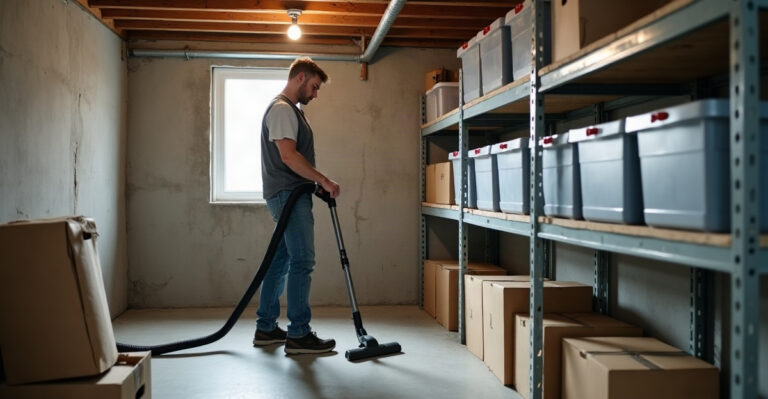
We recommend sealing gaps around doors, windows, utility lines, and foundations. Repair damaged screens and worn weatherstripping. Store food in sealed containers, manage spills and crumbs promptly, and reduce moisture from leaks, poor drainage, and standing water. Keeping garages, sheds, crawl spaces, storage rooms, and outdoor areas orderly also removes hiding spots.
At home, kitchens, pet-food storage areas, basements, garages, sheds, crawl spaces, and outdoor structures deserve regular attention. For businesses, clean food-storage and waste areas, organized inventory, documented recurring concerns, and routine entry-point checks can greatly reduce risk. Our guide on reducing business pest risks explains how consistent upkeep supports year-round control.
Routine prevention works well for isolated sightings and regular upkeep. It may not resolve a hidden source, a large infestation, or pests active behind walls or in other hard-to-reach areas. In those cases, prevention remains important, but it should support a more focused plan.
Traps and Targeted Treatments: Practical Options With Safety in Mind
Traps and targeted products can be useful when they fit the identified pest and are used according to their labels. Targeted treatment means selecting an option that matches the pest, its location, the level of activity, and the needs of the household or business. It avoids relying on broad, routine applications where a focused step will do a better job.
For example, rodent activity requires a different response than a cockroach issue, and suspected bed bugs need a careful inspection before treatment begins. We provide focused help for rodent control, cockroach control, and bed bug control based on the conditions found at the property.
Safety Comes First
Always follow product labels and keep products secured away from children and pets. We recommend avoiding risky pest removal or pesticide use when there is uncertainty about the pest or the right approach. Natural or low-impact products are not automatically risk-free, and they may not work for every situation.
We do not recommend attempting difficult rodent work, bed bug treatment, wasp nest removal, or pesticide applications without proper knowledge and equipment. A qualified service professional can discuss household health concerns, pets, business operations, and other site-specific needs before recommending treatment.
Top Eco-Friendly Pest Control Methods and Integrated Pest Management
The top eco-friendly pest control methods focus first on preventing pests from gaining food, water, shelter, and access. Eco-friendly control is not one product, and it does not guarantee zero risk. It is an approach that emphasizes inspection, sanitation, exclusion, monitoring, accurate identification, and targeted treatment when needed.
These methods of insect pest control reduce reliance on broad-spectrum applications when practical. They also help us focus effort where it matters instead of treating every part of a property the same way.
Integrated pest management, or IPM, is a practical strategy that addresses the conditions attracting pests, uses the least disruptive effective option, and monitors results over time. Learn more about integrated pest management and how it supports responsible, long-term pest prevention.
Professional IPM may include inspection, pest identification, exclusion recommendations, targeted treatment, and follow-up visits. Every property needs a plan based on its pest pressure, layout, use, and surrounding conditions. Effective control may require follow-up service and ongoing prevention, especially for recurring seasonal or structural issues.
When DIY Is Reasonable and When to Call a Professional
DIY prevention can be reasonable for isolated sightings, minor concerns, and routine upkeep. Sanitation, sealing accessible entry points, reducing moisture, and monitoring for fresh activity are useful steps for many homes and small businesses.
Professional assessment is often the safer and more effective choice for recurring activity, widespread infestations, pests in difficult-to-reach areas, suspected bed bugs, rodent evidence, or stinging insect nests in unsafe locations. Food-service businesses should also act quickly when pest activity could affect employees, customers, operations, or reputation. Our restaurant pest control guide covers the importance of sanitation, documentation, and prompt response in food-service settings.
For homes, residential pest control can address recurring concerns with a plan that fits the property. For offices, retail spaces, warehouses, and food-related operations, commercial pest control helps protect day-to-day operations through inspection, prevention, monitoring, and responsive service. It also helps to understand the common commercial pests that may affect different facilities.
The most effective pest control method is usually a combination of identification, prevention, monitoring, targeted treatment, and follow-up. Routine prevention and isolated sightings may be manageable without help, while persistent or high-risk activity should be assessed by a professional. A qualified service professional can recommend label-directed treatment and discuss concerns involving children, pets, health needs, or business operations.
Small businesses can prevent many pest problems by maintaining sanitation, managing food and waste, sealing entry points, monitoring activity, documenting recurring concerns, and responding promptly. If pest activity keeps returning or we are unsure what we are dealing with, Falls Pest Services can assess the situation and recommend a practical plan for an Eastern Idaho home or business. Contact our team to get started.